
19th Century Country Art
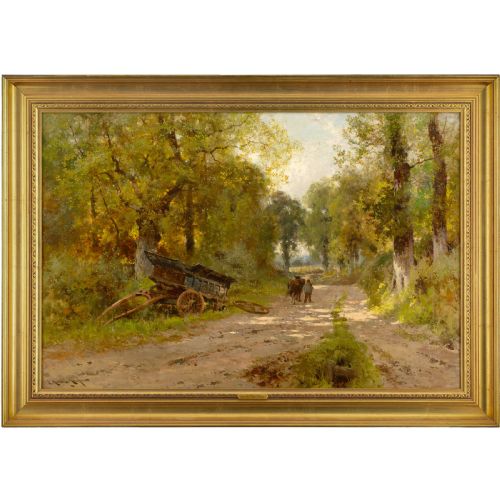
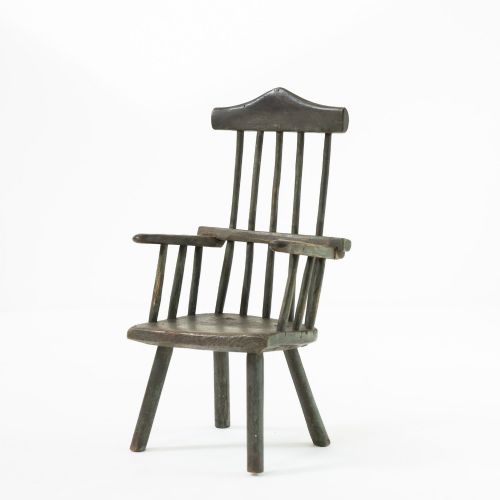
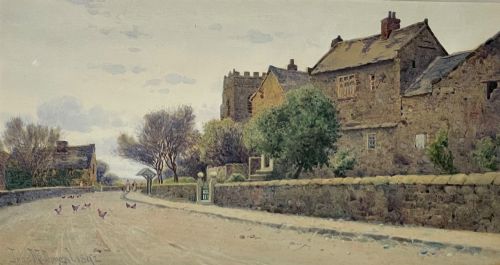
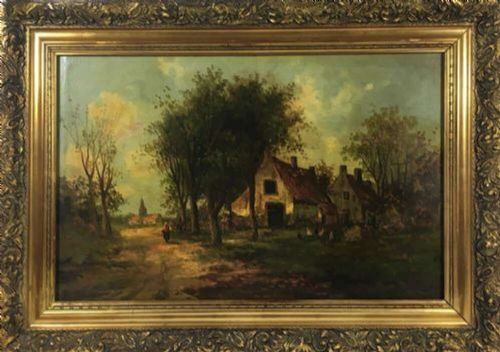
19th century country art encompasses rural oil paintings, watercolours, slipware dairy bowls, and stick-back armchairs that capture the texture of traditional provincial life.
19th Century Country Art
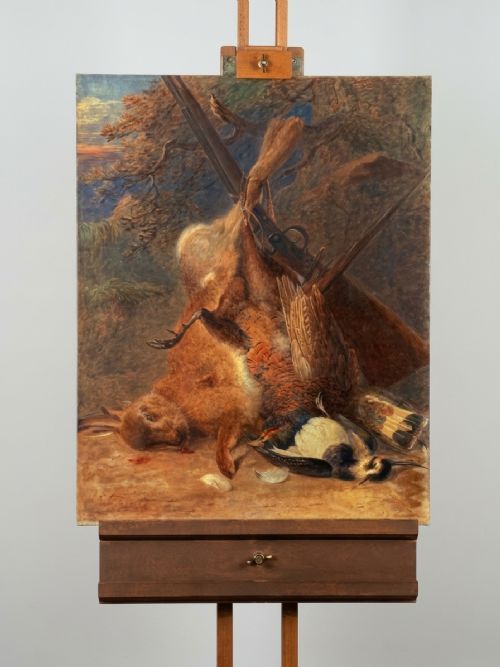
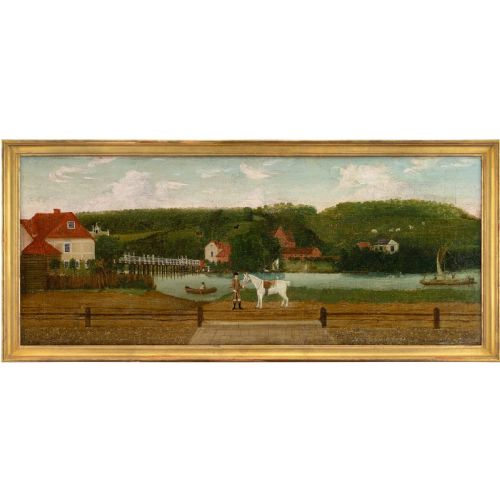
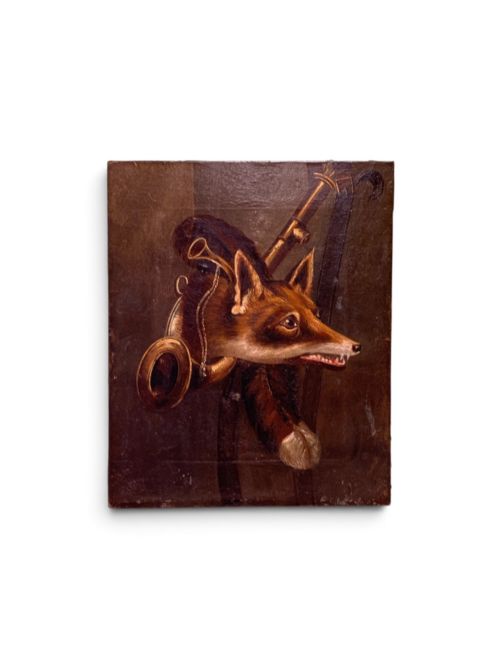
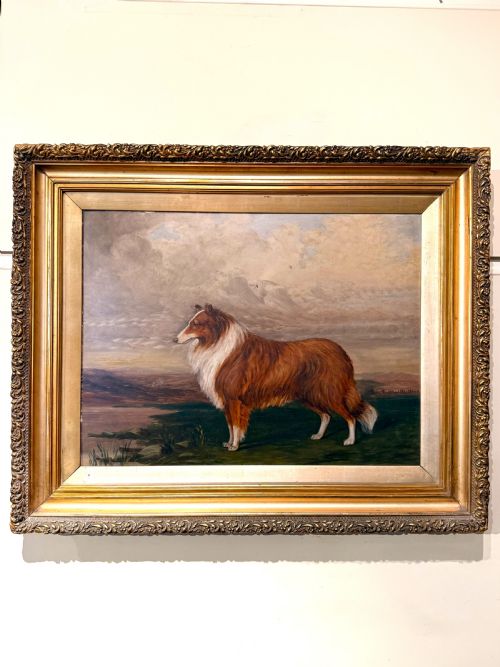
19th century country art brings together rural oil paintings, watercolours, and provincial utility objects that record the landscape, animals, and labour of the period. Buyers find domestic scenes, farmyard landscapes, and sporting subjects alongside vernacular seating and pottery.
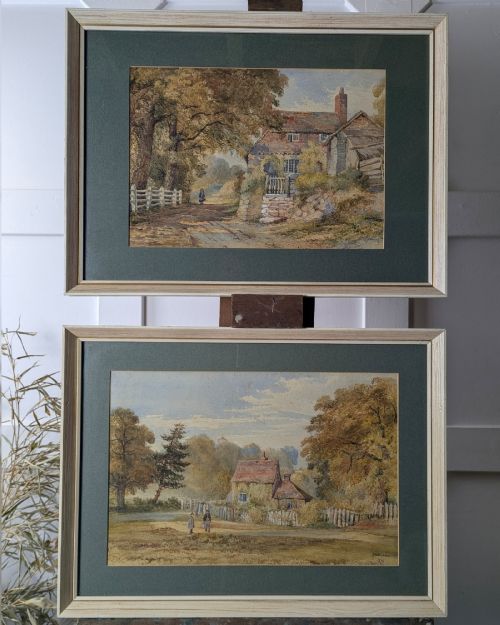
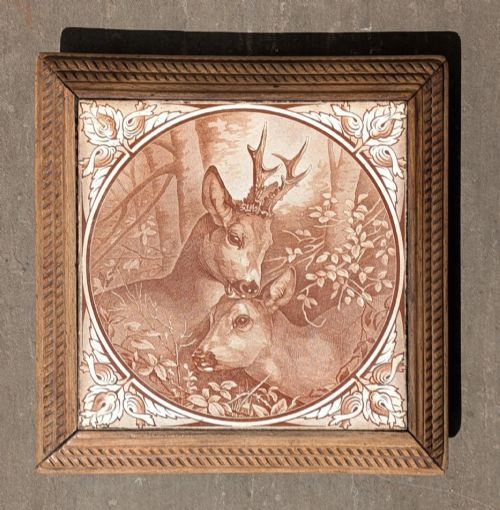
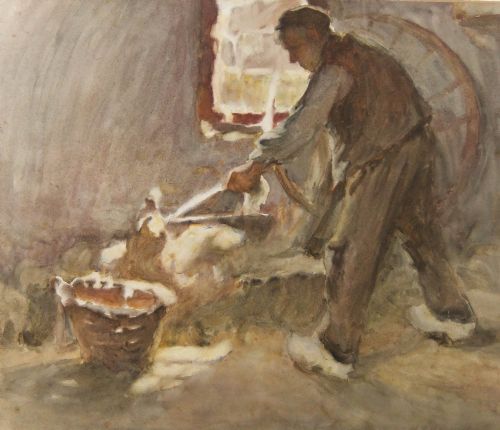
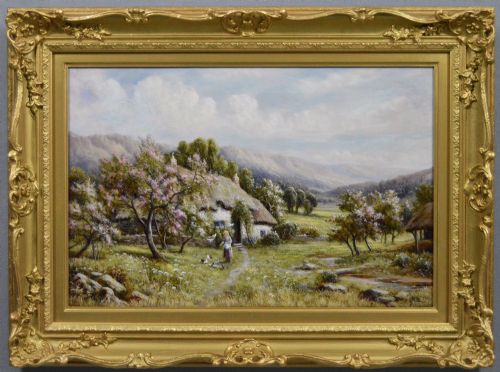
The most common examples on this page are oil paintings on canvas or board and watercolours depicting cottages, farm animals, and rural workers. These sit alongside practical items like wooden dairy bowls, milking stools, and primitive armchairs.
Originating largely from British, French, and Eastern European makers, these pieces reflect regional traditions in both fine art and utilitarian craft. The category bridges academic painting and vernacular domestic production from the Victorian era and adjacent decades.
Materials and construction
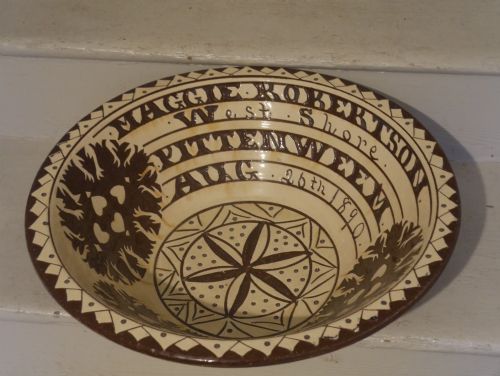
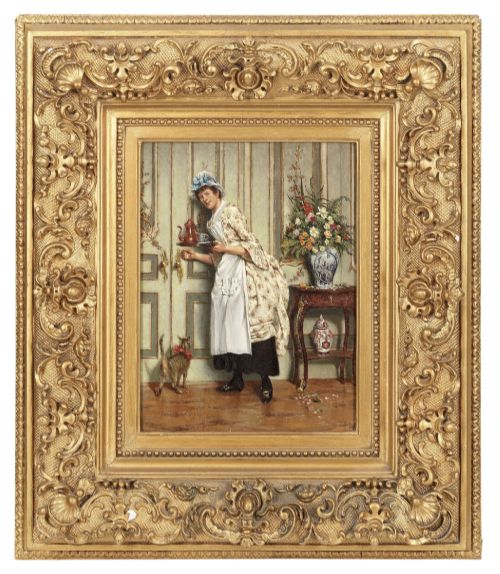
Painters utilised oil on canvas, oil on board, and watercolour on paper, frequently framing their work in giltwood or gesso. Potters shaped slipware and earthenware into large dairy bowls, while makers of seating turned to native timbers such as elm, laburnum, fruitwood, and oak.
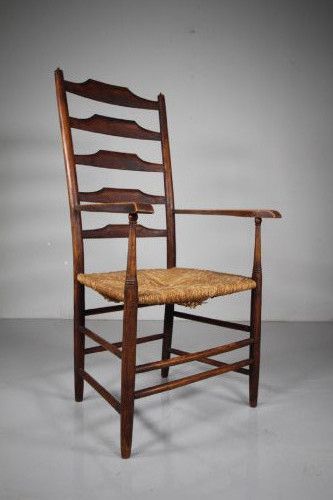
Makers constructed furniture using stick-back techniques and primitive joinery, often retaining original paint finishes in ochre, yellow, or green. Sculptural vernacular items combined forged iron with timber trunks to create durable objects for everyday rural labour.
Materials documented in the inventory include oil on canvas, giltwood, gesso, glass, slipware, oak, elm, laburnum, and fruitwood.
Distinctions in quality
Quality in painted works rests upon the precision of brushwork, compositional balance, and the artist's ability to render light and anatomical detail in subjects like animals and figures. Signed pieces by documented painters command greater attention than anonymous works of the same period.
In utilitarian objects and furniture, quality depends on the retention of original surface paint, the integrity of native timber, and the harmony of provincial proportions. Untouched surfaces and clear regional characteristics distinguish superior vernacular items from routine utility pieces.
John Horace Hooper·John McDougal·Stephen Samuel Lewin·Robert A. Nottingham·Philip Clissett·Henry Silkstone Hopwood·Robert John Hammond·Walter Heath Williams·Robert W. Macbeth·Robert Thorne Waite·Howard Helmick·George Augustus Holmes·Thomas Sidney Cooper·Joseph H Barnes·John Sargent Noble·Sir Edwin Henry Landseer·George Wright·David Woodlock
The 19th Century Country Art Glossary
- Slipware
- Pottery decorated with a liquid clay slip applied before firing to create surface patterns. This technique appears on traditional bowls and utilitarian vessels.
- Stick-back
- A chair construction method where spindles or sticks are inserted directly through a solid wooden seat. This method is typical of provincial Windsor and primitive armchairs.
- Vernacular
- Everyday objects and architecture built by local craftsmen using traditional methods rather than high architectural styles. These pieces prioritize utility and regional materials.
- Barbizon School
- A French movement of painters dedicated to Realism in landscape painting, focusing on forest and farmyard scenes. Members drew inspiration directly from rural environments.
- Genre painting
- The pictorial representation of scenes from everyday life, including domestic interiors, farm labour, and market scenes. These works document the ordinary activities of rural populations.
19th Century Country Art: Frequently Asked Questions
What subjects appear in these paintings?
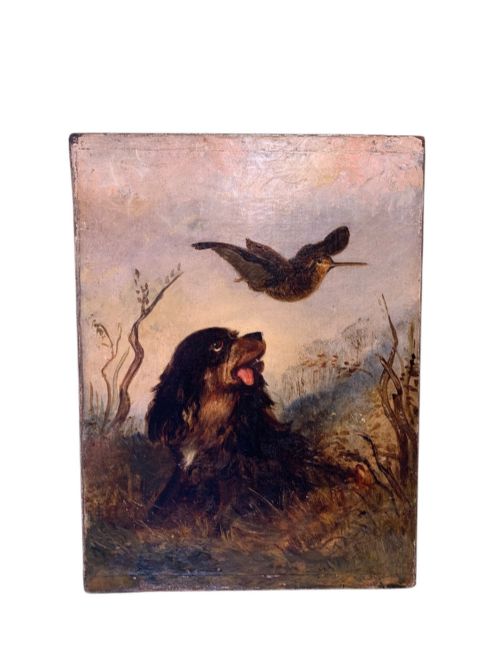
Paintings in this category concentrate on rural subjects such as farmyard landscapes, cottages, domestic interiors, and agricultural labour. Artists also recorded sporting scenes, farm animals, and portraits of dogs and horses.
These works reflect a Victorian fascination with pastoral life and the natural world. They range from detailed oil studies to swift watercolours sketched on location.
How do I identify a primitive chair?
Primitive chairs display straightforward construction using native timbers like elm, laburnum, and fruitwood. They often feature stick-back designs with visible peg joints and simple, unpretentious seats.
Unlike formal dining chairs, these pieces were made by local craftsmen for everyday use in cottages and farmhouses. Their charm lies in their honest construction and lack of academic ornamentation.
What is a dairy bowl used for?
Dairy bowls served practical functions in nineteenth-century farmhouse dairies for settling milk and skimming cream. Potters shaped them from earthenware or slipware, while turners fashioned them from native woods like sycamore.
Today, these bowls function as decorative display items in country interiors. Their generous proportions and glazed or turned surfaces showcase traditional rural craftsmanship.
How were milking stools finished?
Milking stools were constructed from timber and frequently coated in simple oil-based paint. Surviving examples often retain original surface coats in colours such as ochre, yellow, or green.
These portable seats were designed for utility in the milking parlour or farmyard. The presence of original paint adds significant character to each piece.