

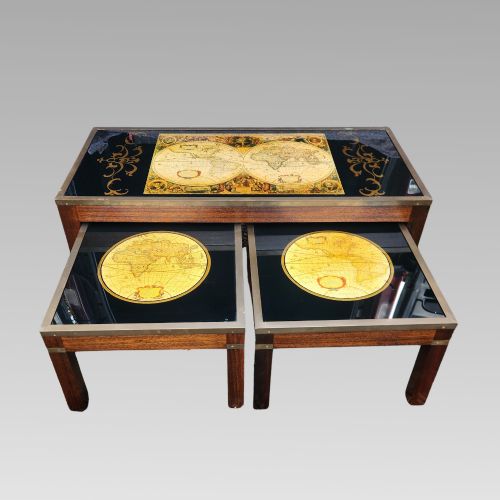
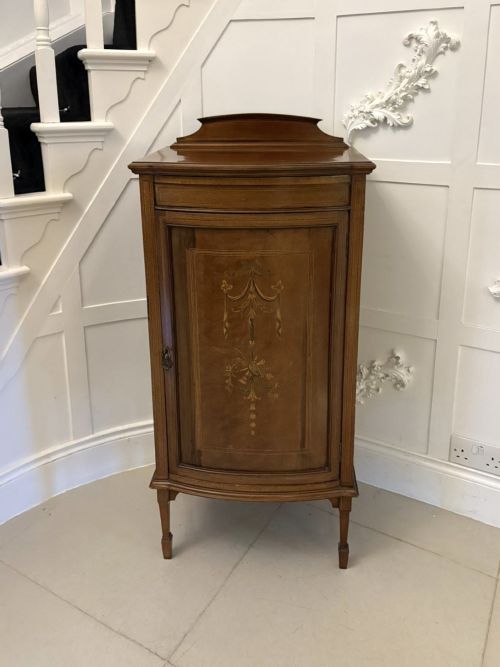

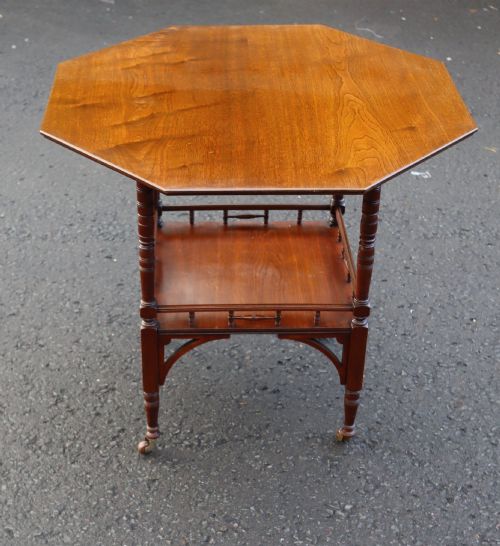
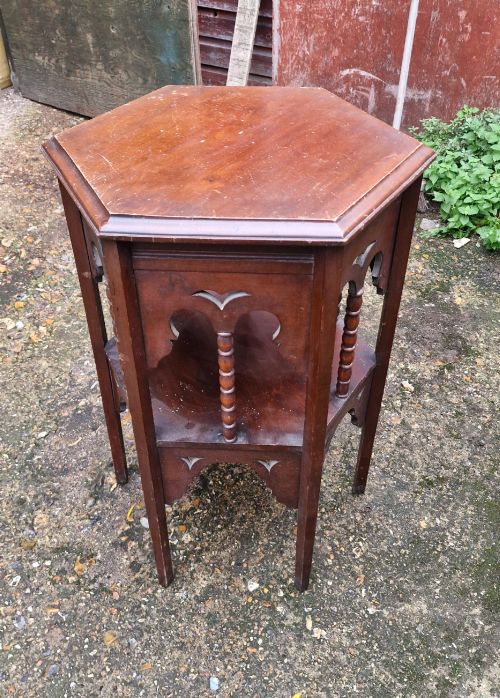
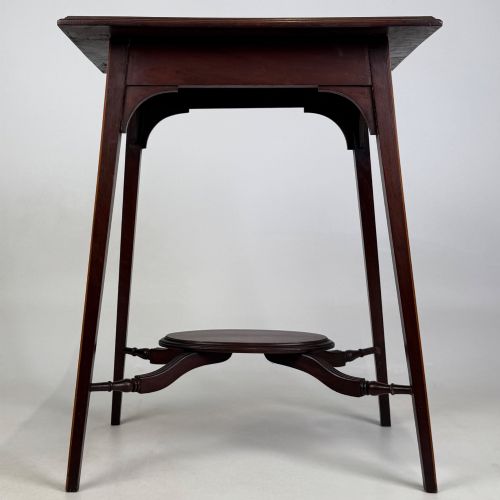
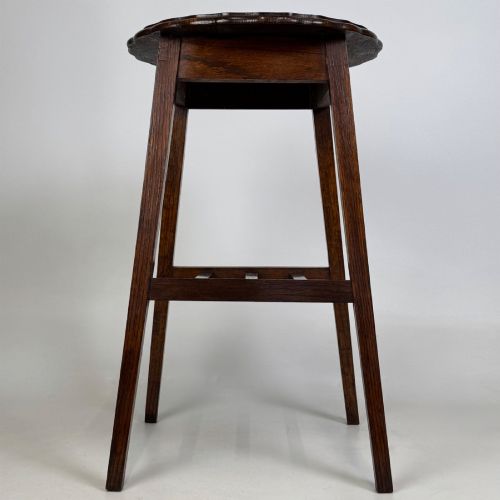
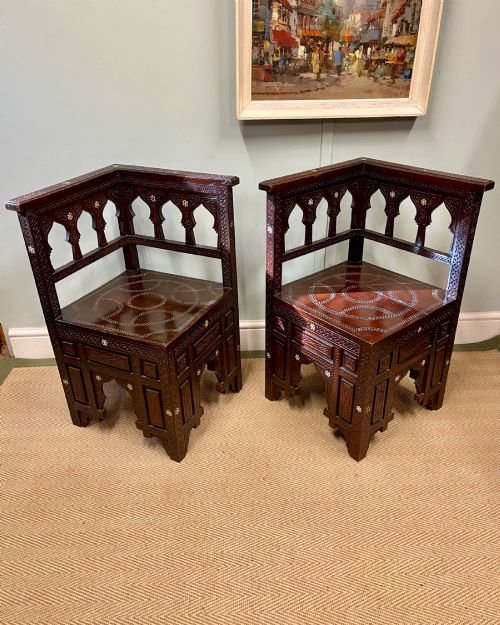
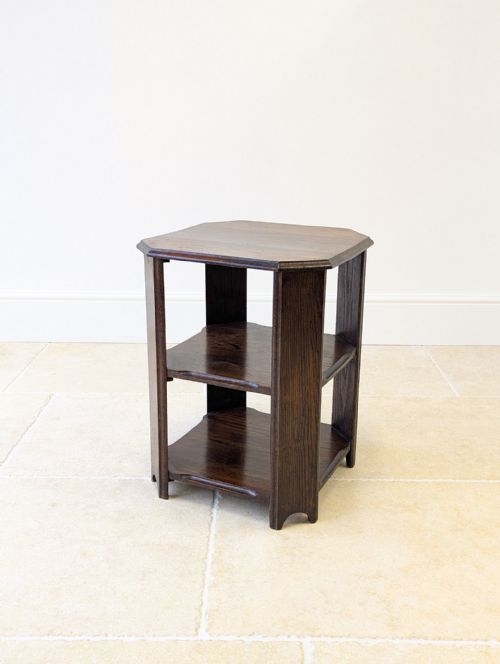
Antique Corner Side Table
An antique corner side table turns awkward room angles into useful display spots using centuries of thoughtful cabinetmaking.
Antique Corner Side Table
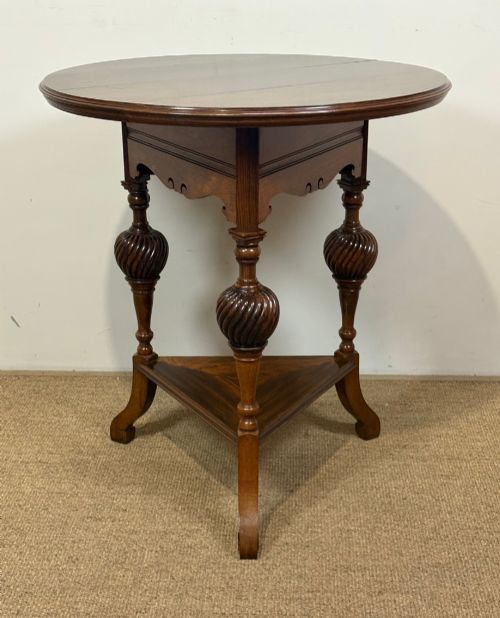
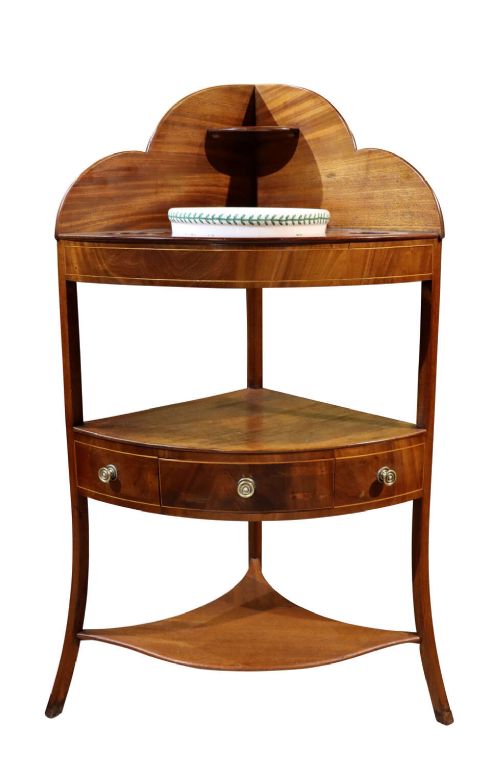
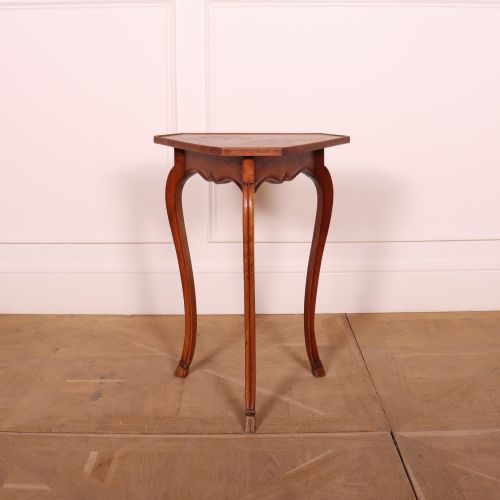
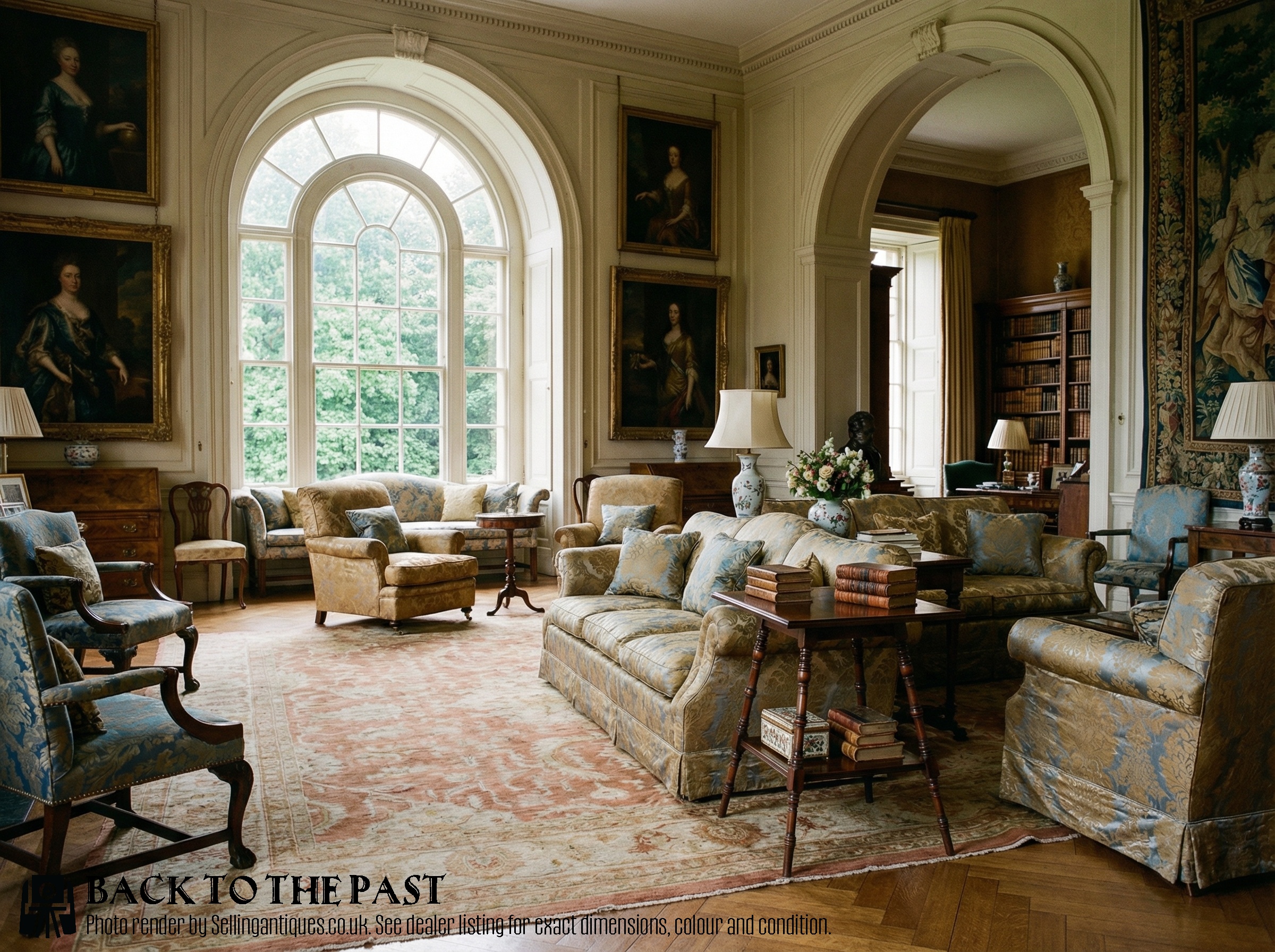
The term antique corner side table brings together domestic items built to fit snugly into room junctions while providing a flat surface for lamps, tea items or decorative objects. Buyers seeking this form encounter pieces designed to utilise dead space effectively, often featuring triangular tops or hinged folding leaves.
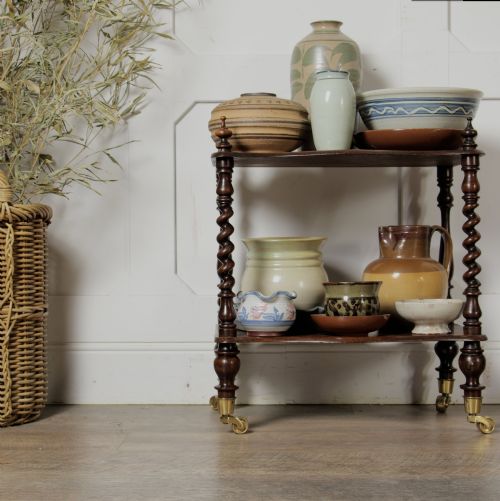
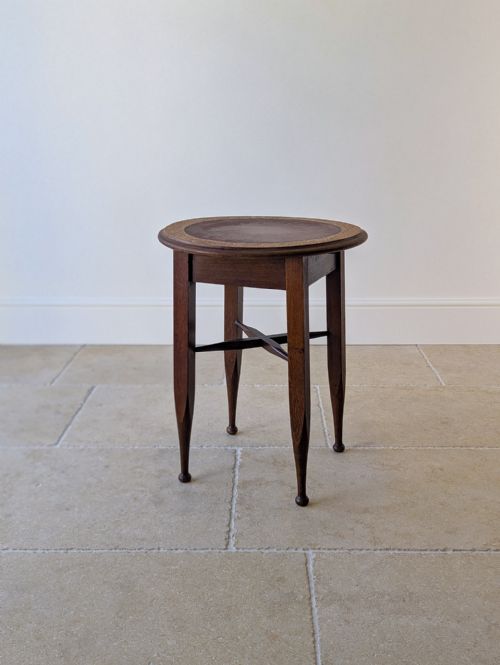
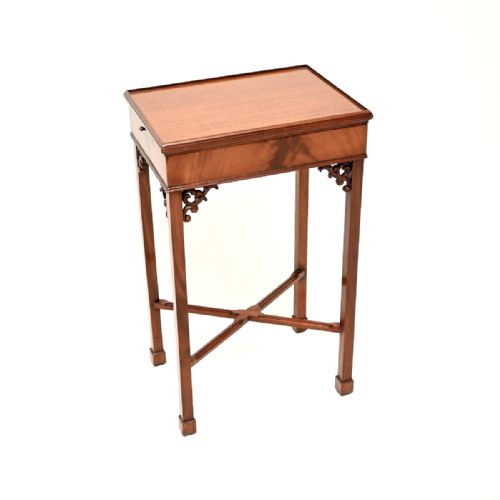
The selection ranges widely across stylistic eras, spanning Georgian mahogany designs with brass galleries, Victorian walnut interpretations, and Edwardian oak examples. These items appear in various forms, from triangular lift-top tables to drop-leaf tea tables engineered for specific domestic corners.
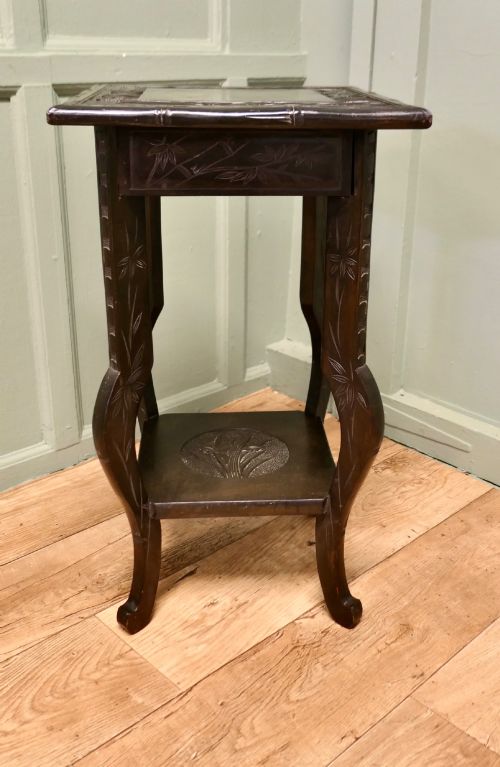
Origins stretch from regional English workshops to broader international influences, including Anglo-Japanese and Moorish styles. The surviving examples demonstrate how past makers adapted standard side table concepts to fit the architectural constraints of period rooms.
Materials and construction
Construction relies heavily on timbers such as mahogany, oak and walnut, chosen for structural stability and rich grain patterns. Cabinetmakers utilised boxwood and satinwood for intricate marquetry inlay, adding decorative contrast to darker primary woods like ebonised wood.
Joinery techniques involve precise corner fitting, drop-leaf hinges, and turned spindle supports or barley twist legs. Details such as brass galleries, carved edgings and removable sewing baskets reflect the specific domestic functions assigned to each piece during its period of origin.
Antique Corner Side Table Retail Price Guide 2026
Typical asking prices for corner side table among the pieces listed under this phrase on Sellingantiques today, from the lower quarter to the upper quarter. They describe what is for sale here now, not the wider market.
Several tables include removable sewing baskets, proving that past generations also needed a designated spot to lose their knitting mid-row.
Distinguishing quality levels
Quality rests in the precision of the timber selection, such as figured mahogany or burr yew, and the crispness of hand-carved details. Superior examples exhibit tightly fitted joints, balanced proportions, and high-grade secondary woods that maintain stability across centuries.
Decorative elements set finer pieces apart from utilitarian versions, seen in deliberate parquetry work, delicate brass galleries, and well-executed marquetry inlay. The integration of functional elements like folding tops or drop leaves shows the maker's technical capability.
Liberty & Co.·Liberty of London
The Antique Corner Side Table Glossary
- Marquetry
- Inlaid patterns of wood veneer forming pictorial or geometric designs on a surface. It adds visual complexity to table tops.
- Gallery
- A raised decorative rail running along the edge of a table top to prevent items from sliding off. These are frequently cast in brass.
- Drop leaf
- A hinged flap at the side of a table top that can be raised and supported by a swinging leg or bracket. This mechanism allows the table footprint to expand when needed.
- Tripod base
- A pedestal support resting on three splayed feet, commonly found on smaller occasional and tea tables. This configuration provides stability on uneven floors.
- Parquetry
- Geometric wood mosaic work used for decorative flooring or table tops. The technique creates repeating patterns using contrasting timbers like ebonised wood and boxwood.
Antique Corner Side Table: Frequently Asked Questions
Where should I place an antique corner side table?
These tables fit naturally into empty room junctions, unused hallway spaces, or beside seating arrangements where standard rectangular tables block pathways.
Their specialised geometry allows them to anchor lamps or decorative objects without dominating floor area.
How do I identify a Georgian corner table?
Georgian examples typically feature dense mahogany timbers, restrained carving, and structural elements like drop leaves or brass galleries designed for tea service.
Proportions remain classic, often reflecting the dominant furniture styles associated with George II or George III periods.
What is the difference between a side table and an occasional table?
Side tables generally served specific utilitarian functions near walls or corners, while occasional tables were lighter items moved about rooms as needed for tea or reading.
Both forms overlap significantly in historical listings and share similar construction materials.
Can I use an antique corner table for daily use?
Solid construction in hardwoods like oak, walnut and mahogany makes these pieces suitable for holding lamps and small items in modern rooms.
Careful placement away from direct heat sources helps preserve the antique timber and historical finish.