


Yew Wood Pedestal Table
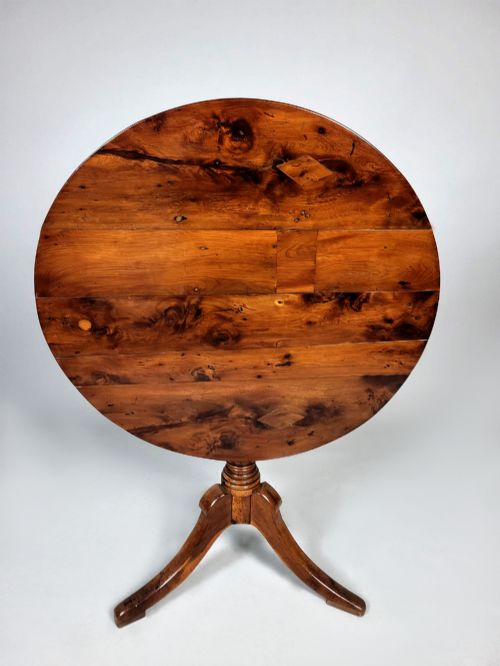
A yew wood pedestal table brings distinctive timber grain and classical proportion to a room, ranging from Georgian wine tables to Regency tripod stands.
Yew Wood Pedestal Table
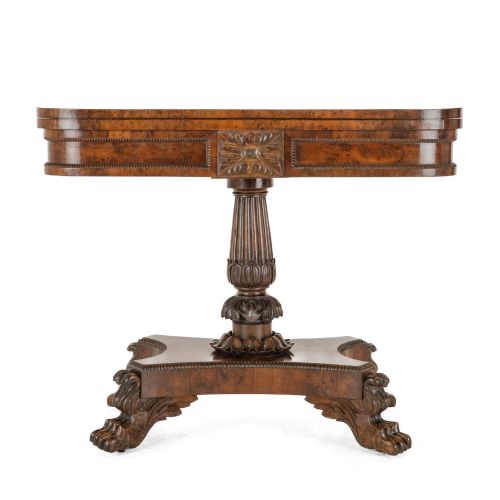
A yew wood pedestal table serves various domestic functions, appearing on this page as wine tables, occasional tables, centre tables, card tables, and torchere stands. These pieces span the eighteenth and nineteenth centuries, including Georgian, Regency, and Victorian periods.
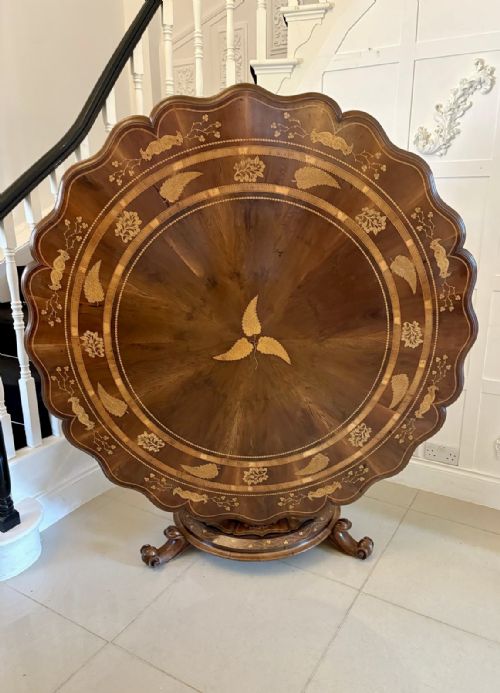
Buyers encounter smaller tripod designs alongside larger centre tables, drop-leaf work tables, and kneehole desks. The selection includes works drawing on specific regional traditions, such as Irish Killarney ware alongside English cabinet-making styles.
Markers of quality
The choice of timber grain dictates much of the visual impact, with figured burr yew commanding attention for its rich patterning. Superior pieces display careful matching of veneers and meticulous attention to inlay work.
Structural integrity of the central column and the stability of the tripod base determine the execution standard. Maker attribution and exhibition quality status further distinguish exceptional items.
Yew Wood Pedestal Table Retail Price Guide 2026
Typical asking prices for yew wood pedestal table among the pieces listed under this phrase on Sellingantiques today, from the lower quarter to the upper quarter. They describe what is for sale here now, not the wider market.
Listings span from the mid-eighteenth century through the Regency era to the Victorian period, featuring brass details and marquetry inlay.
Egan Workshop·Gillows·George Bullock
The Yew Wood Pedestal Table Glossary
- Burr yew
- A growth deformity in the tree that produces highly figured, swirling wood grain patterns. Cabinet-makers slice this timber into veneers for decorative table tops.
- Pedestal table
- A table supported by a single central column resting on a footed base. This format includes tripod wine tables and larger centre tables.
- Tripod table
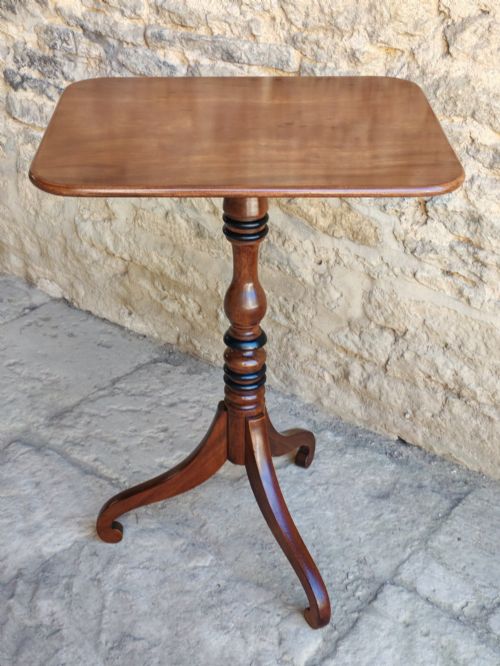
- A small freestanding table supported by three legs radiating from a central pillar. These pieces often feature tilt-top mechanisms or fixed tops.
- Marquetry
- The art of applying pieces of veneer to a structure to form decorative patterns and pictures. Irish Killarney ware frequently employs this technique.
- Featherbanding
- An inlay technique using narrow bands of veneer arranged in a herringbone pattern to outline table tops and drawer fronts.
Yew Wood Pedestal Table: Frequently Asked Questions
What is a yew wood pedestal table used for?
These tables function as wine tables, lamp tables, and occasional surfaces in reception rooms and halls. Larger versions serve as centre tables or card tables.
Smaller tripod variants suit placement beside seating or in corners to hold lighting and decorative objects.
How do I identify a Regency yew wood table?
Regency pieces often display classical proportions, robust central pillars, and splayed legs resting on brass paw feet or castors. The timber selection frequently includes figured burr yew.
Details such as ebonised accents and precise turnings help distinguish the Regency period from earlier Georgian designs.
What is burr yew?
Burr yew comes from growths on the yew tree containing numerous dormant buds, creating an intricate, swirling grain pattern. Cabinet-makers prize this wood for decorative veneering.
Tables utilising burr yew exhibit deep golden-brown tones and complex visual movement across the surface.
Where were Killarney yew tables made?
Irish Killarney ware originates from Killarney in County Kerry, associated with specialised local workshops such as the Egan workshop. These pieces utilise native woods and intricate marquetry.
They represent a distinct regional tradition separate from standard English cabinet-making of the same era.