





Victorian Rosewood Wine Table
These Victorian rosewood wine tables offer compact surfaces for drinks and lamps, built in rich dark timbers by nineteenth-century cabinet makers.
Victorian Rosewood Wine Table
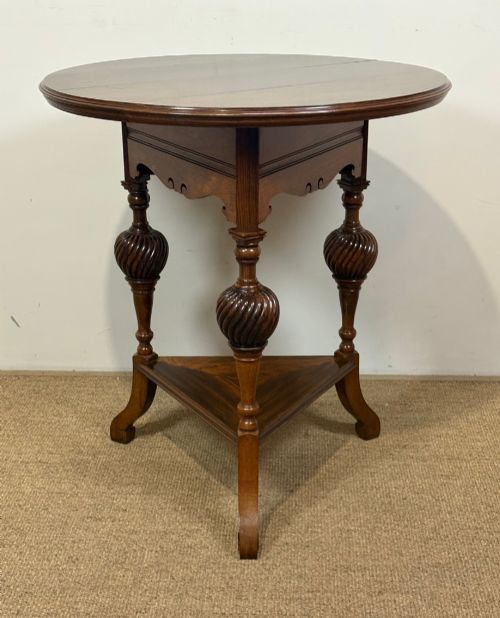
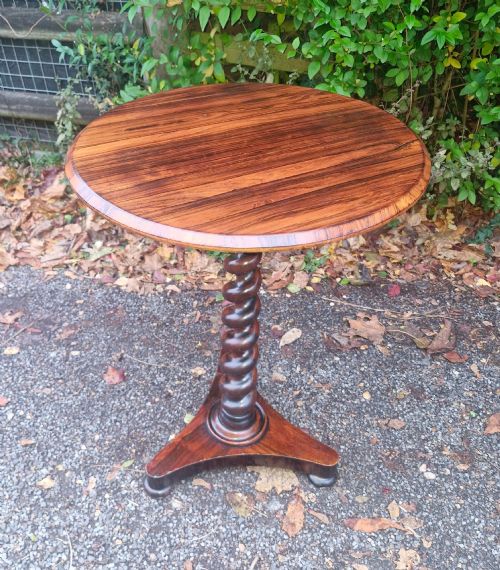
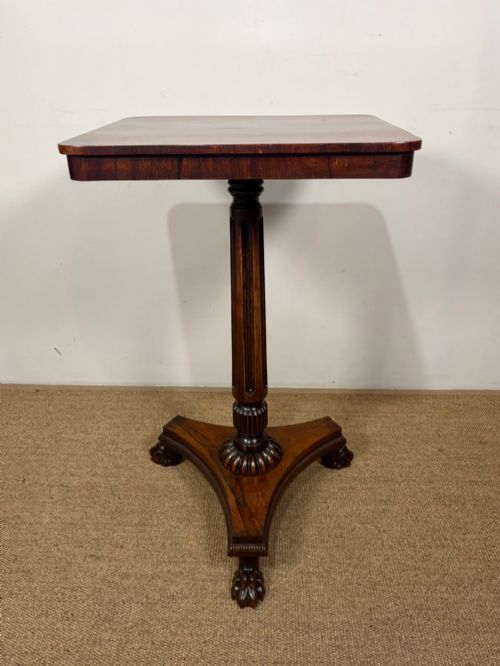
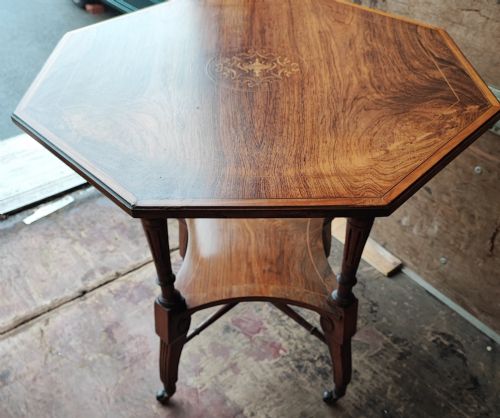
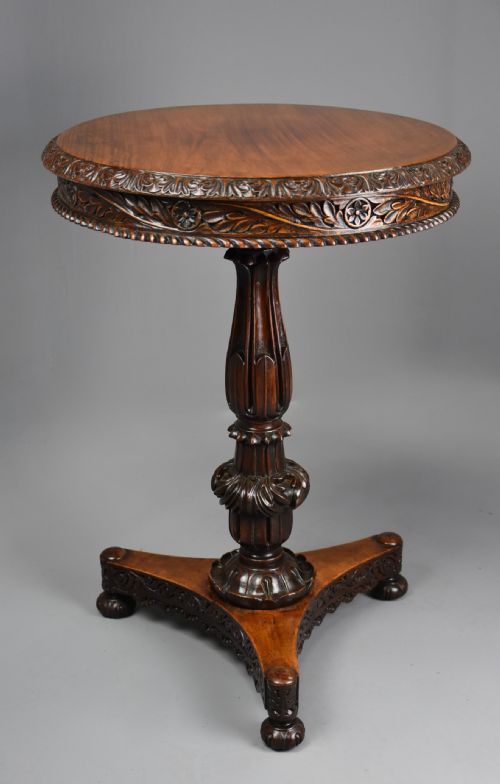
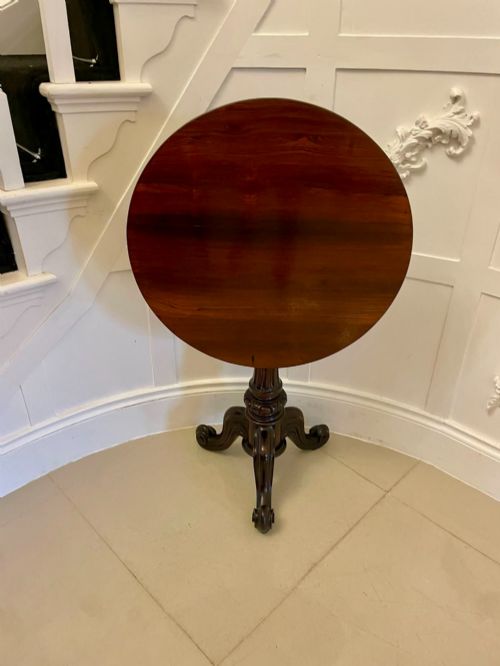
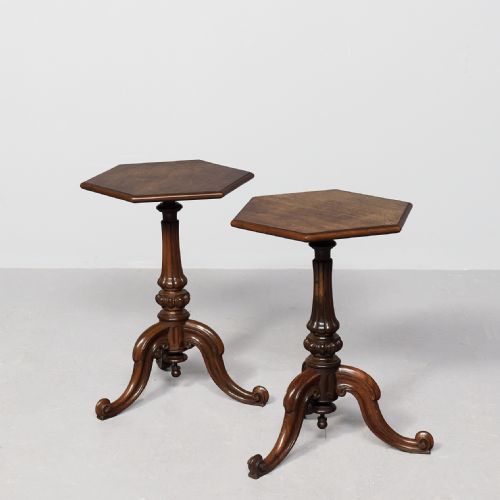
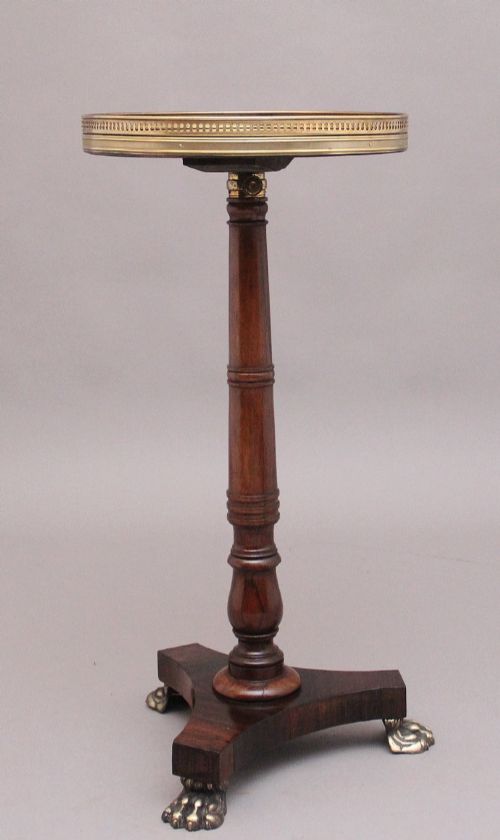
A Victorian rosewood wine table serves as a small portable stand designed for holding glasses or lamps beside seating. When you search for this phrase, you encounter circular or octagonal tops supported by a central pillar and tripod base.
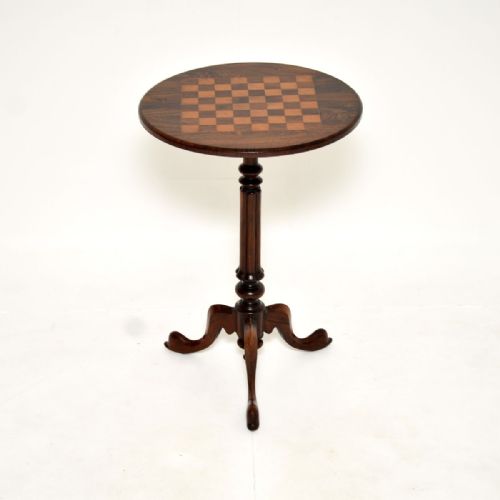
The pieces appearing here span the nineteenth century, including specific dates from eighteen-fifty to eighteen-ninety alongside William IV and Regency examples. Forms range from simple tilt-top tables to specimens featuring inlaid chess boards, galleried edges, and lower tiers.
Origin variations include English workshops alongside Anglo-Indian and Far Eastern creations in hardwoods. Most items function as occasional or side tables, while related forms encompass jardiniere stands and wine coolers.
Materials and Construction
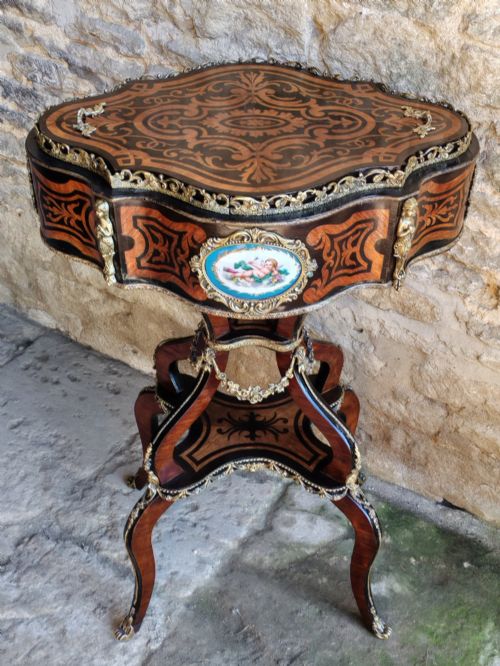
Makers utilised solid rosewood and applied figured rosewood veneers to timber carcases, often highlighting grain patterns with contrasting burr-elm, walnut, or kingwood. Oyster veneering and brass details appear on select pieces.
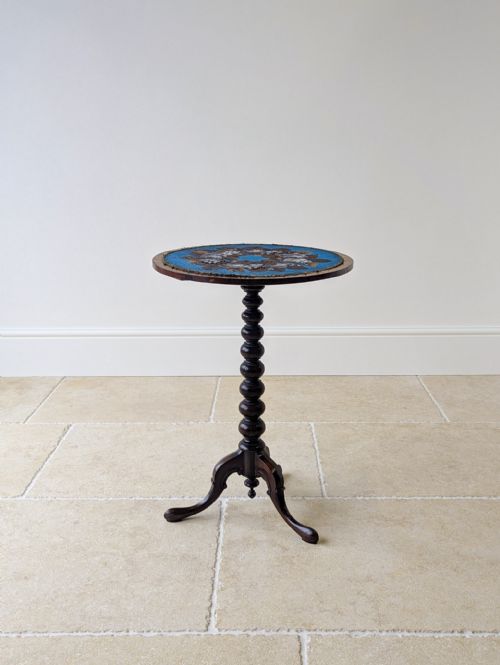
The structural supports rely on turned wooden pillars connected to tripartite or tripod legs, sometimes incorporating barley twist turnings or carved elements. Advanced construction techniques include tilt-top mechanisms and telescopic adjustments.
Victorian Rosewood Wine Table Retail Price Guide 2026
Typical asking prices for victorian rosewood wine table among the pieces listed under this phrase on Sellingantiques today, from the lower quarter to the upper quarter. They describe what is for sale here now, not the wider market.
Current listings demonstrate materials spanning rosewood, brass, walnut, ormolu, porcelain, and glass beads across nineteenth-century periods.
Markers of Quality
The distinction between standard items and superior examples lies in the selection of figured timber veneers and the crispness of carved details on the base. Well-executed marquetry inlay and fine brass or ormolu mounts elevate the piece.
Structural integrity and the smooth operation of moving parts, such as tilt-top catches and telescopic mechanisms, demonstrate the skill of the original workshop.
Collinson & Lock
The Victorian Rosewood Wine Table Glossary
- Tilt-top
- A tabletop hinged to the pillar so it can pivot vertically when not in use. This clever mechanism allowed tables to be stored flat against walls to save floor space in nineteenth-century parlours.
- Tripod base
- A support structure featuring three legs radiating from a central column. It provides stable footing on uneven older floors.
- Galleried edge
- A raised ornamental border running around the perimeter of the tabletop. It prevents glasses or small objects from sliding off the surface.
- Oyster veneer
- Circular slices cut transversely from smaller branches or roots to create an oyster-shell pattern across the surface. Cabinet makers arranged these pieces in geometric designs.
- Barley twist
- A type of turning that resembles a spiral rope. This decorative column style gained popularity during the nineteenth century.
Victorian Rosewood Wine Table: Frequently Asked Questions
What is a wine table?
A wine table is a small nineteenth-century stand designed to hold a glass and bottle beside a chair. These compact surfaces served domestic spaces where flexibility mattered.
Today, buyers use them as lamp tables or bedside stands. Their diminutive footprint suits modern rooms.
How do I identify a Victorian table?
Victorian tables display characteristic nineteenth-century timber choices like rosewood and walnut, combined with architectural turnings. Makers often utilised pedestal bases and tripod supports.
Dates cluster around the mid to late nineteenth century, though Regency and William IV transitional pieces also appear.
Are these tables solid rosewood?
Most pieces combine solid framing with fine rosewood veneers applied to secondary timbers. Cabinet makers selected figured grain patterns to enhance the visual appeal of the top.
Materials recorded in the listings also include mahogany, walnut, and exotic hardwoods such as padauk.