


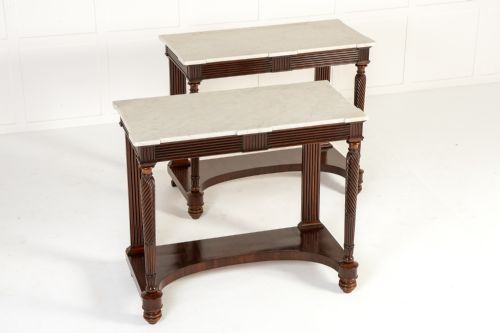


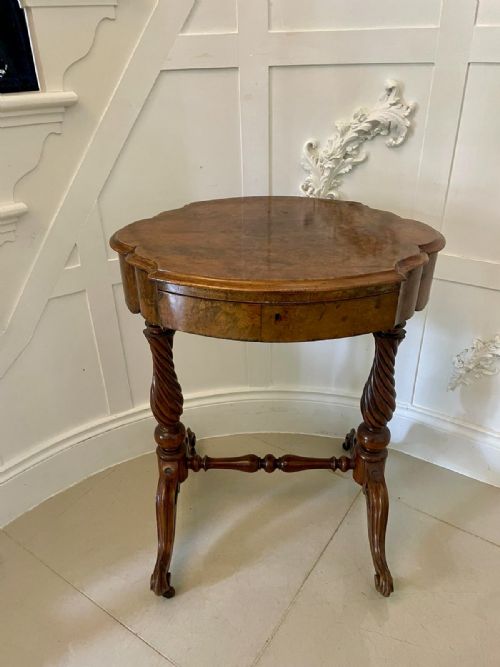


Carved Spiral Leg Table
These carved spiral leg table examples bring centuries of joinery straight to your room.
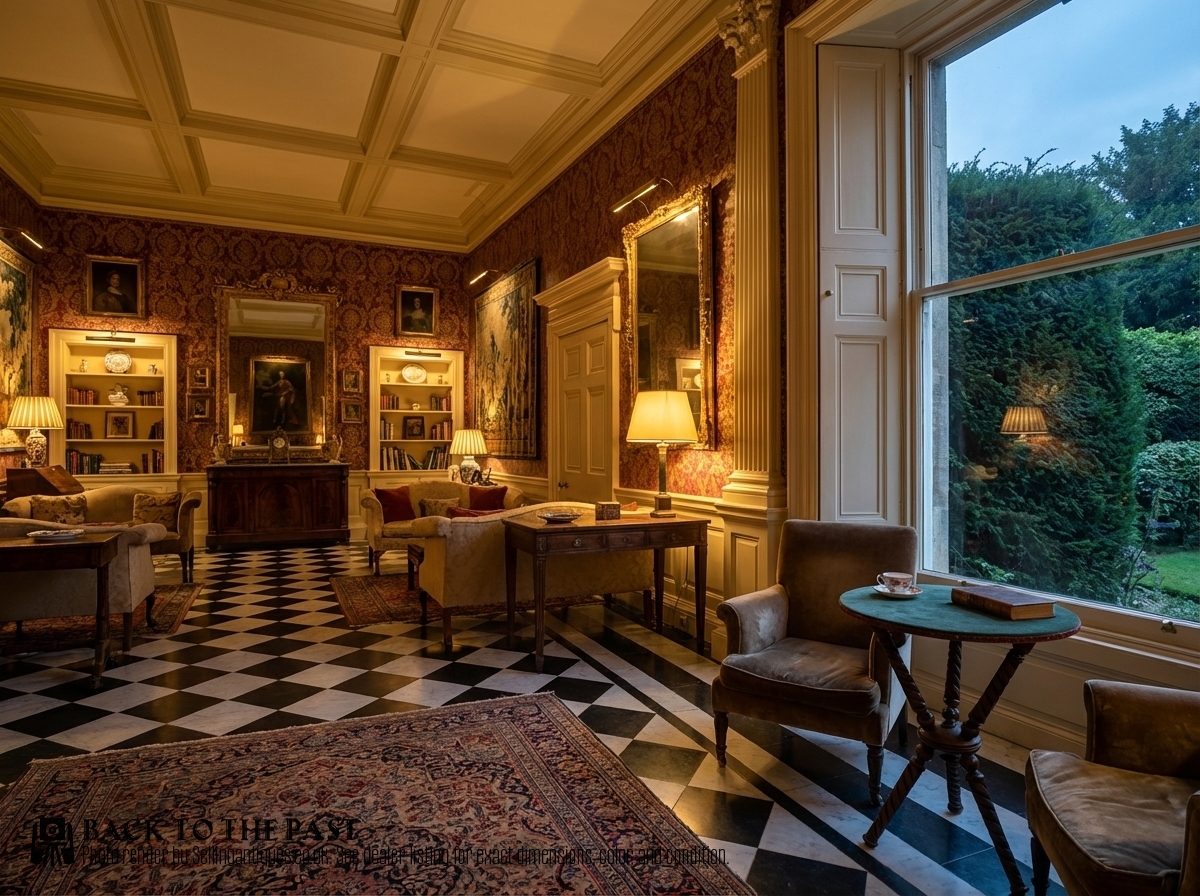
Carved Spiral Leg Table
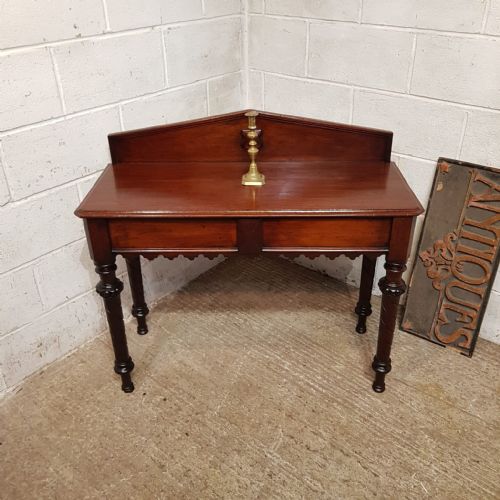
When you search for a carved spiral leg table, you encounter diverse forms spanning several centuries of cabinet making. The pieces range from compact occasional tables to substantial desks, side tables and console tables.
The selection on this page shows British, European and colonial influences across 17th-century, Georgian, Victorian and later periods. Mahogany, oak, walnut and rosewood dominate the materials, accompanied by distinct regional styles.
How they were made
Cabinet makers shaped timber using traditional hand tools, turning solid woods on lathes to create intricate twist and spiral patterns. Joinery relied on mortise and tenon construction, dovetails for drawers and pegged joints on earlier examples.
Makers finished surfaces with French polish, wax or oil to reveal the natural grain of mahogany, oak and walnut. Secondary woods like pine or oak frequently appear in drawer linings and internal framing.
What varies in quality
The precision and depth of the timber carving separate standard production from superior work. Crisp undercutting on spiral legs indicates a skilled hand rather than mechanical shaping.
Selection of timber figure, such as burr walnut or figured mahogany veneers, dictates the visual richness of the surface. Original brass hardware, stable joints and intact secondary timbers contribute to overall integrity.
The Carved Spiral Leg Table Glossary
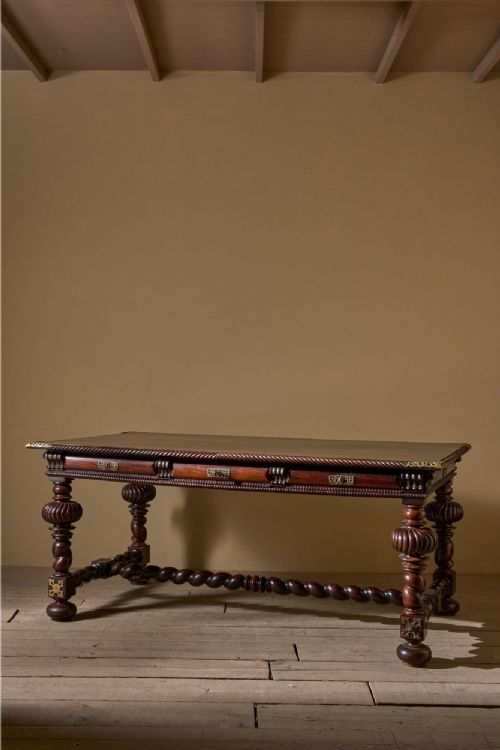
- Spiral leg
- A column turned on a lathe to form a continuous helical twist, typical of 17th-century and revival furniture. This form requires precise hand manipulation of cutting tools.
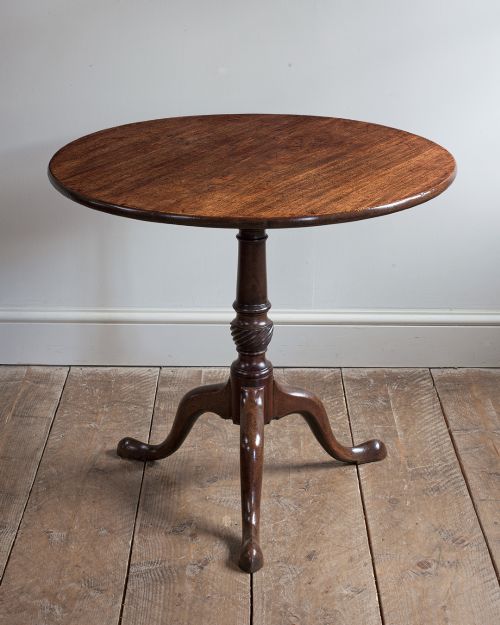
- Tripod table
- A small freestanding table supported by a central pillar above three splayed legs. These versatile pieces often feature tilt-top mechanisms for storage.
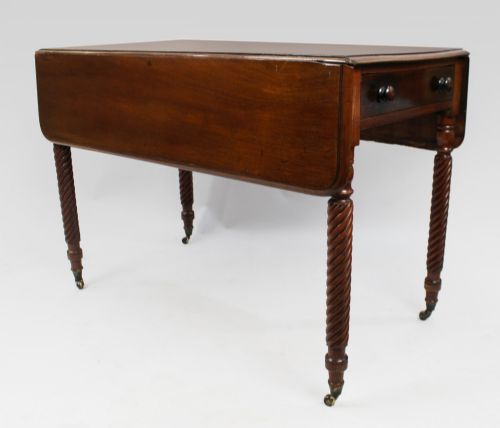
- Pembroke table
- A drop-leaf table with hinged flaps on opposing sides, introduced during the 18th century. They serve well as compact breakfast or writing surfaces.
- Parquetry
- Geometric wood inlay forming a mosaic pattern on furniture surfaces. Artisans assemble small, precision-cut veneer tiles to create decorative tops.
- Console table
- A table designed to stand against a wall, frequently supported by wall brackets or front legs. These items often feature marble tops or elaborate carved friezes.
Carved Spiral Leg Table: Frequently Asked Questions
How do I date a wooden table?
Dating relies on examining construction methods, tool marks, timber species and hardware. Hand-cut dovetails and pegged joints usually indicate earlier periods.
Later Victorian pieces often show mechanized saw marks and different secondary woods inside drawer construction.
Where should I place an occasional table?
Occasional tables fit beside seating arrangements, in hallways or against unused wall spaces. Their compact dimensions make them easy to move as room layouts change.
Avoid placing them in direct sunlight or beside heat sources to protect the polished wood surfaces.
Are these tables sturdy enough for daily use?
Solid mahogany, oak and walnut construction provides robust structural integrity for everyday tasks. Regular maintenance keeps joints secure and finishes protected.
Using coasters and avoiding excessive weight preserves the antique polish and timber stability.