
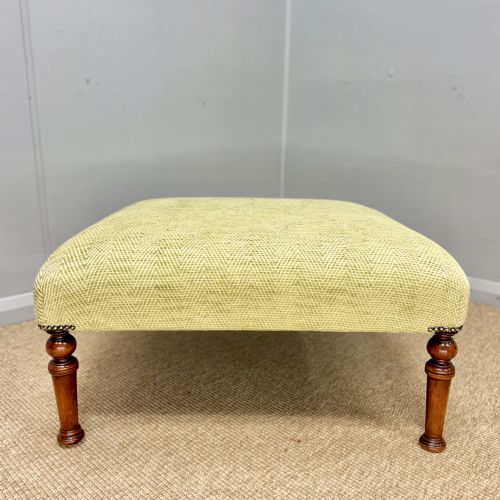


Brass Studded Table
These brass studded table pieces and related trunks, chests, and stools bring tactile warmth and rich historical texture to a room.
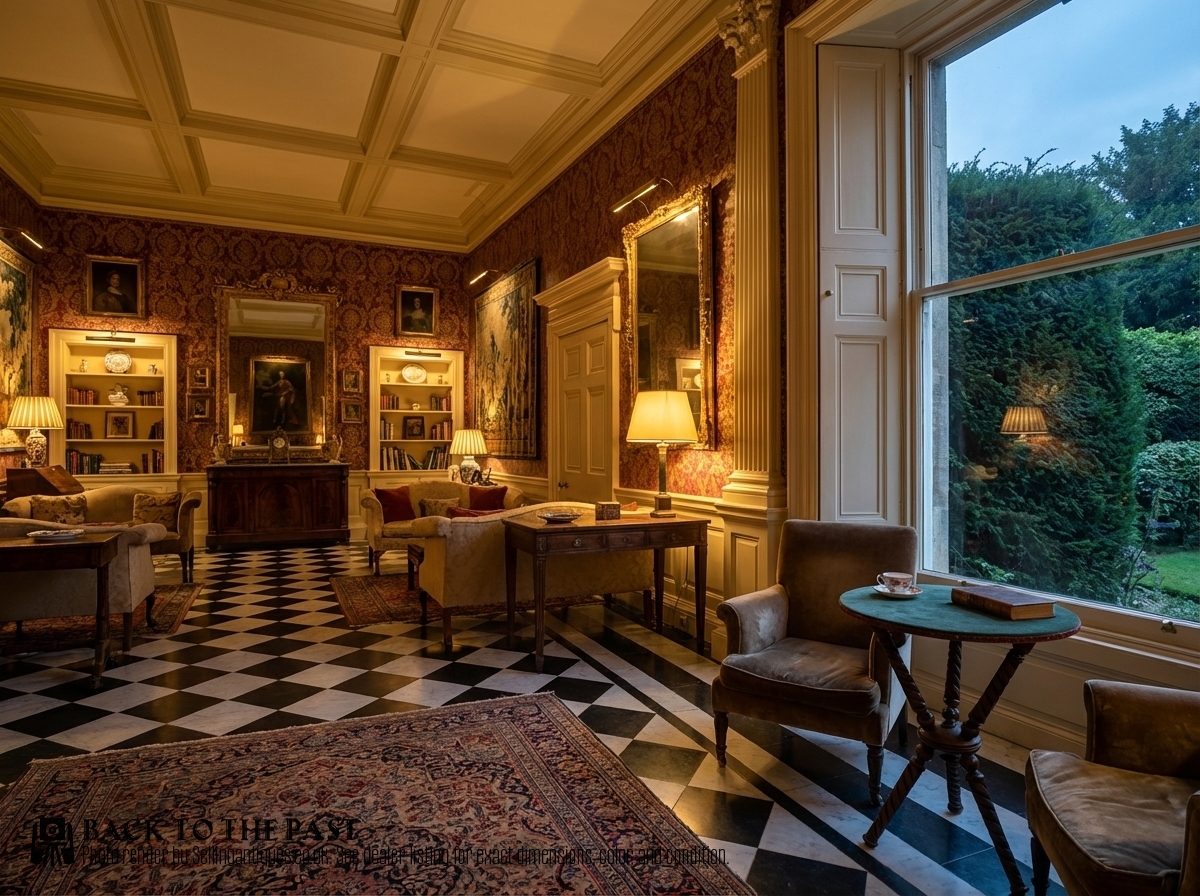
Brass Studded Table
When searching for a brass studded table, buyers typically encounter low ottomans, leather footstools, and sturdy travel trunks adapted from various periods. The selection on this page most frequently spans the nineteenth century and the Victorian era, alongside regency and early twentieth-century examples.
Forms range from mahogany dressing table stools and oak centre stools to Indian colonial chests, Zanzibar chests, and camphor trunks. Many pieces incorporate buttoned leather, upholstery, or fabric, bridging the gap between functional seating and decorative storage.
Origins vary across English traditional workshops and distant trade routes, reflecting diverse domestic and colonial uses. Whether serving as a coffee table from a bullock cart or an X-framed rosewood stool, each item retains a distinct utilitarian heritage.
How they were made
Construction relies heavily on dense hardwoods such as mahogany, oak, and rosewood, paired with structural iron and brass fittings. Metal studs secure leather upholstery and reinforce the edges of travel chests against heavy transit.
Hand-dyed leather, fabric, and canvas cover frames and trunks, often finished with deep buttoning and fine stitching. Wood surfaces display traditional joinery, cabriole legs, or simpler turned supports suited to the demands of domestic and colonial life.
Several travel trunks retain their original owner's initials and travel dust from nineteenth-century carriages.
What varies in quality
Quality rests in the integrity of the timber frame and the original application of the metalwork. Hand-forged or closely spaced brass studding indicates careful craftsmanship, whereas uneven fastening or replacement hardware alters the visual balance.
The choice of materials, from fine mahogany and rosewood to sturdy oak and camphor, dictates the enduring stability of the piece. Well-preserved leather upholstery with authentic patination commands greater appreciation than poorly executed later re-coverings.
Howard And Sons
The Brass Studded Table Glossary
- Cabriole leg
- A furniture leg that curves outward and then tapers inward, terminating in a controlled foot. This classical shape appears frequently on Victorian stools and dressing tables.
- Zanzibar chest
- A heavy wooden storage trunk ornamented with brass studs and strapwork, originating from East Africa and the Indian Ocean trade. These chests served merchants and travellers.
- Campaign trunk
- A portable chest built in sections with recessed brass handles and corner brackets for military travel. They are designed for durability on long journeys.
- Ottoman
- A low, upholstered seat or footstool without a back or arms, often featuring internal storage or deep buttoned leather. Regency and Victorian examples frequently use brass studding along the trim.
Brass Studded Table: Frequently Asked Questions
How were brass studded trunks used?
These trunks served travellers on ships, trains, and carriages, protecting personal belongings against moisture and rough handling during long journeys.
Over time, many of these utilitarian travel pieces transitioned into domestic settings to function as stationary coffee tables and storage chests.
What periods do these tables and stools represent?
The listings on this page span the seventeenth through the early twentieth centuries, with a strong concentration of nineteenth-century and Victorian examples.
Earlier pieces often display regional English craftsmanship, while nineteenth-century items frequently reflect broader colonial trade and Regency design influences.
How do I care for leather and brass?
Leather surfaces benefit from occasional conditioning to maintain suppleness and prevent the natural material from drying out over time.
Brass studs and mounts require gentle cleaning with a soft cloth to preserve their surface without disturbing the surrounding wood or leather.
Are these stools and trunks sturdy enough for daily use?
Constructed from dense hardwoods like mahogany and oak, these items were built to withstand demanding travel and robust daily household activity.
Modern placement as footstools, low tables, or seating takes advantage of their original structural resilience.