
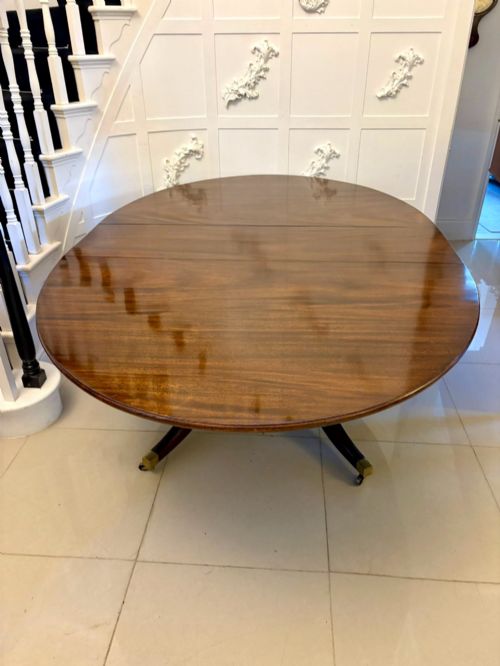
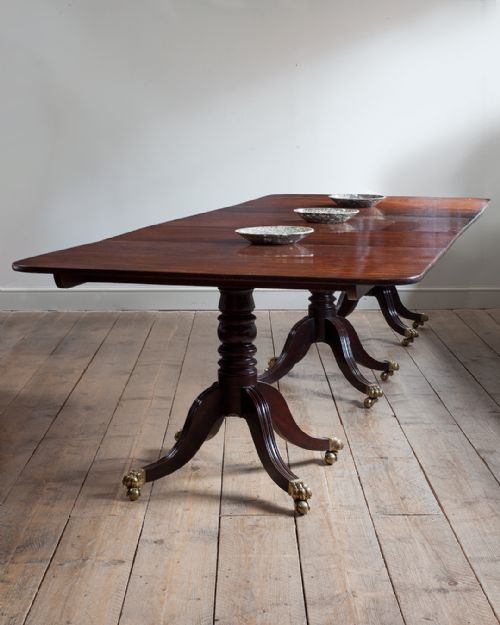
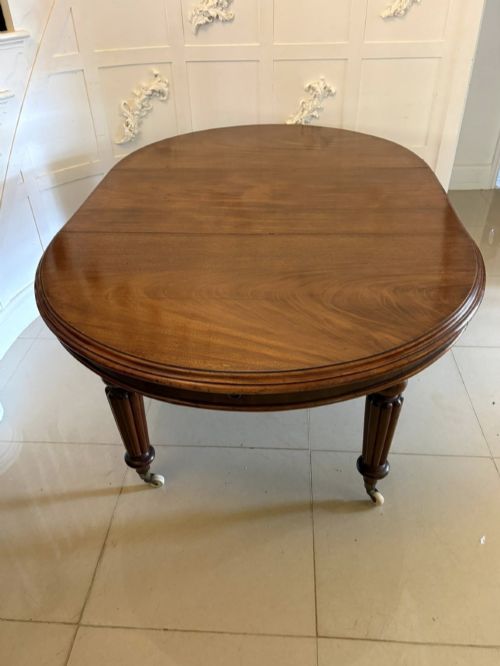
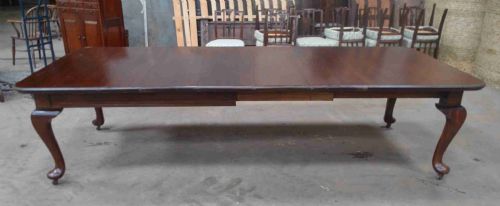
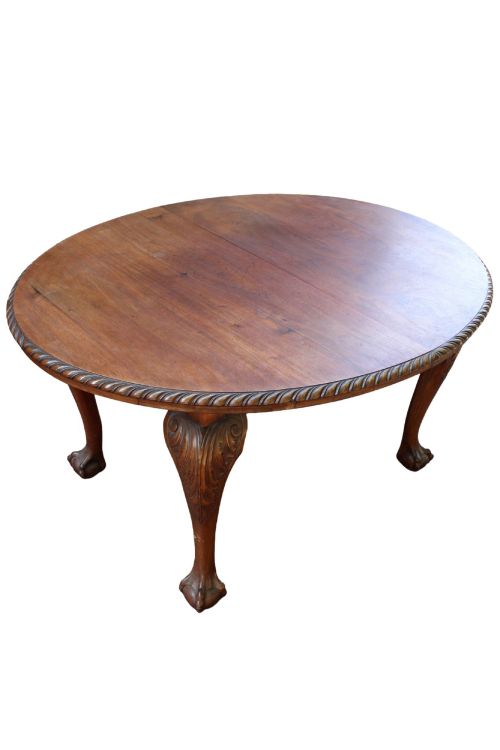
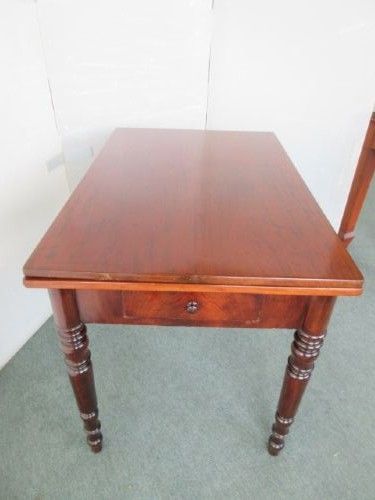
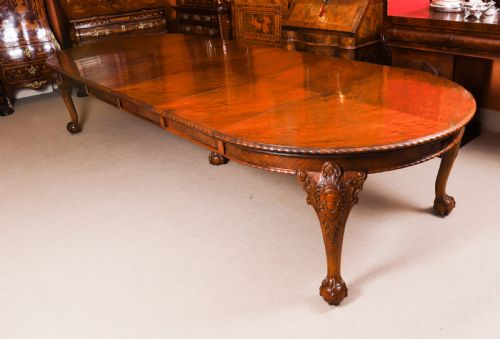
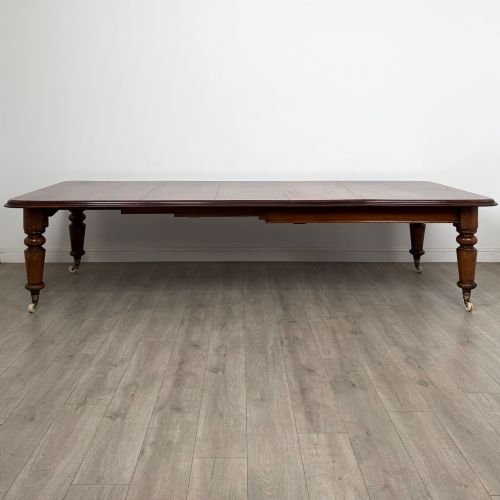


Vintage Extending Wood Table
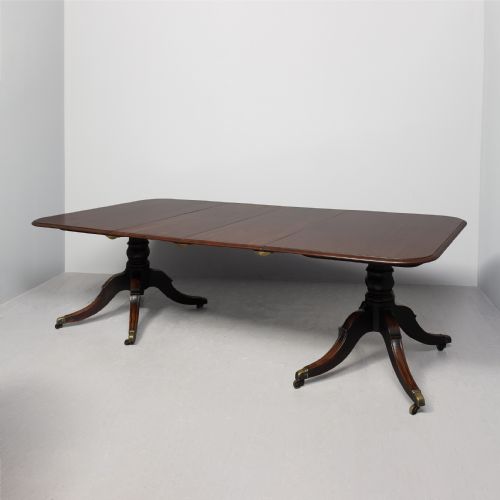
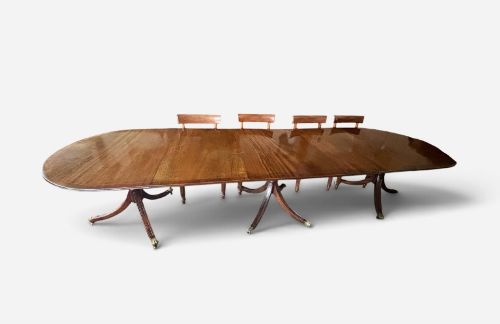
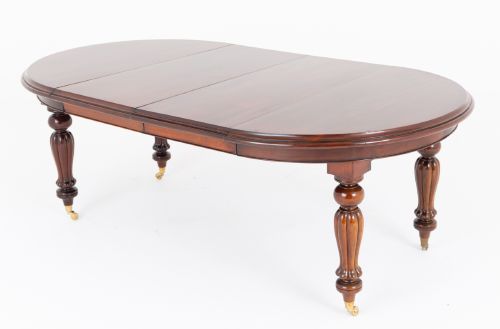
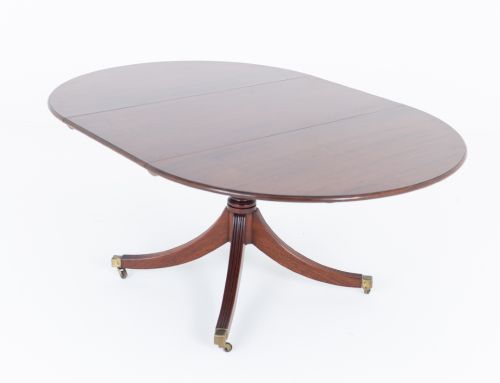
A vintage extending wood table provides generous dining space using hidden leaves or pull-out mechanisms.
Vintage Extending Wood Table
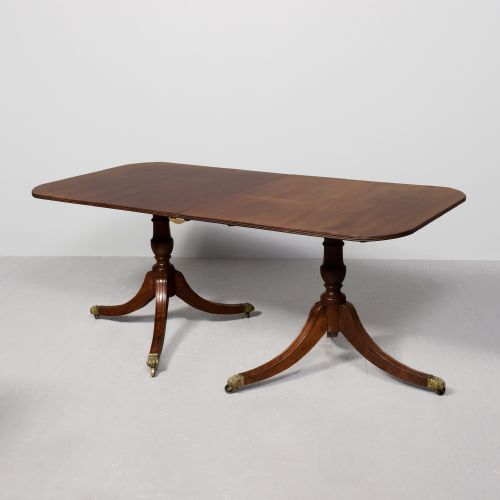
A vintage extending wood table adapts to changing company through mechanisms such as removable leaves, wind-out actions, and draw-leaf designs. Buyers seeking a vintage extending wood table encounter sturdy dining surfaces originating from periods including the Victorian era, the Edwardian period, and the Regency style.
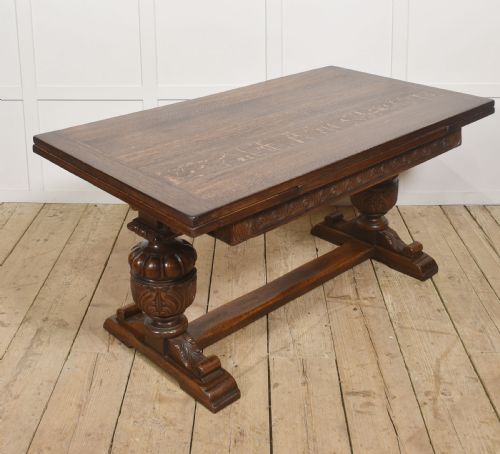
Most examples found on this page consist of mahogany, oak, or walnut timber, often built as pedestal tables or refectory styles. These furnishings serve everyday family meals as well as formal gatherings by expanding from compact footprints into long boards.
The selection ranges from heavy nineteenth-century pillar designs to early twentieth-century revival pieces and Art Deco suites. Each specimen reflects the domestic needs of its era, combining practical expansion systems with polished timber surfaces.
What varies in quality
The calibre of a table depends heavily on the execution of its expansion mechanism and the selection of timber veneers. Superior examples feature seamless winding gears, solid brass castors, and matched grain across every added leaf.
Construction details such as stable pedestal mountings, precise joinery in the aprons, and thick solid timber tops distinguish master workshop pieces from standard commercial production.
Several tables include clever wind-out cranks that operate like tiny pipe organs to gently part heavy mahogany leaves.
Maple & Co·Whytock & Reid of Edinburgh·Gillows
The Vintage Extending Wood Table Glossary
- Wind-out table
- A dining table that expands using an internal screw mechanism operated by a removable crank handle. This system separates the top to allow extra leaves to drop into place.
- Draw-leaf table
- A table equipped with underleaves that pull out from each end while the main surface drops slightly to lock them level. This design keeps the extension leaves stored neatly beneath the primary top.
- Pedestal table
- A table supported by one or more central pillars rather than four corner legs. These pillars often branch into carved legs fitted with brass castors.
- Flame mahogany
- A wood veneer cut to display a distinctive flame-like pattern caused by the diverging grain of the tree. Cabinet makers reserved this decorative timber for prominent table surfaces.
- Refectory table
- A long dining table featuring sturdy legs connected by low stretchers for stability. Traditional versions utilise pull-out extensions at the ends.
Vintage Extending Wood Table: Frequently Asked Questions
How do wind-out tables work?
A concealed metal screw mechanism links the two halves of the table top together. Inserting a crank handle into the rim and turning it draws the sections apart so additional leaves fit securely into the centre gap.
This gearing system allows a single person to expand a heavy timber top smoothly without straining the frame or damaging the adjoining edges.
Where are extra leaves stored?
Separate timber leaves are usually stored flat in a dry cupboard or sideboard when not in use to prevent warping. Draw-leaf versions keep their extension panels hidden beneath the main surface.
Keeping spare leaves in a stable environment ensures the wood grain and finish match the main table top when assembled for dinner parties.
How do I care for a wood table?
Polished wood surfaces require regular dusting with a soft cloth and occasional treatment with suitable beeswax or furniture polish. Protecting the finish from direct heat and moisture prevents ring marks and cracking in the timber.
Maintaining a stable room temperature helps prevent the solid wood and veneers from expanding or contracting excessively over the seasons.
How do I identify the period?
Period styles are identified through leg shapes, timber choices, and construction methods such as hand-cut dovetails or brass castors. Victorian and Regency pieces often showcase turned pillars and rich mahogany, while later revival pieces adopt specific historical ornamentation.
Comparing the hardware, secondary woods, and overall proportions helps place a table within the nineteenth or early twentieth century.