
Antique Cobalt Vase
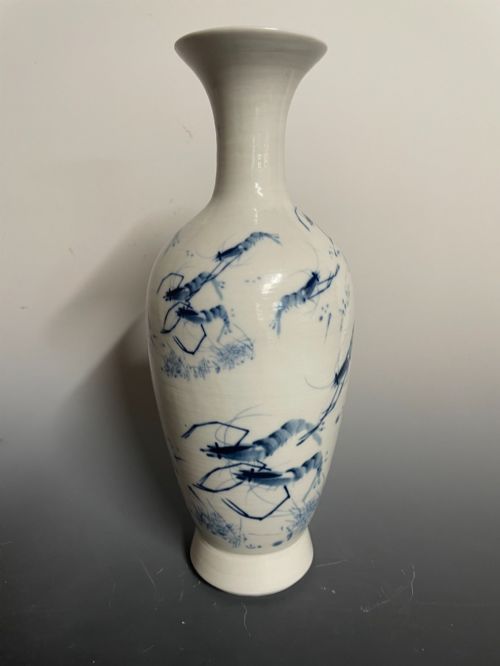
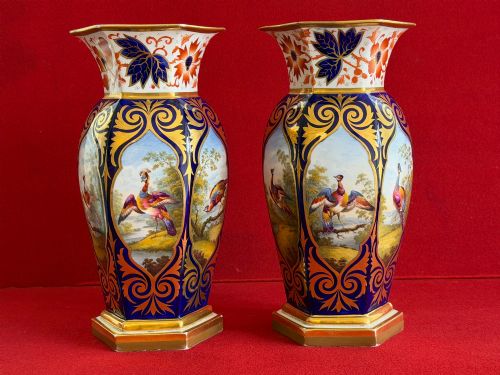
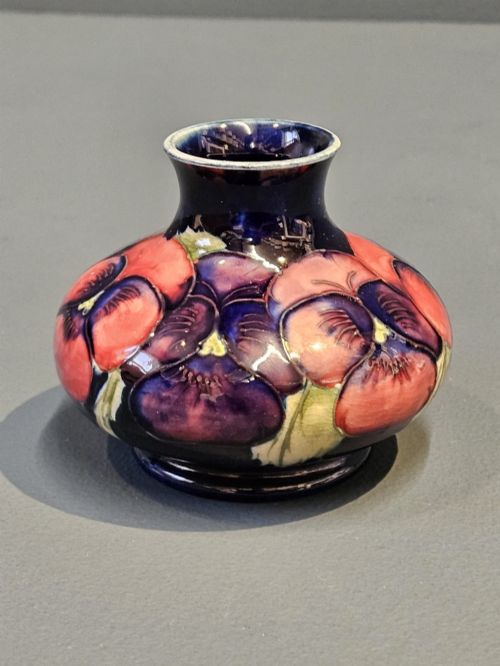
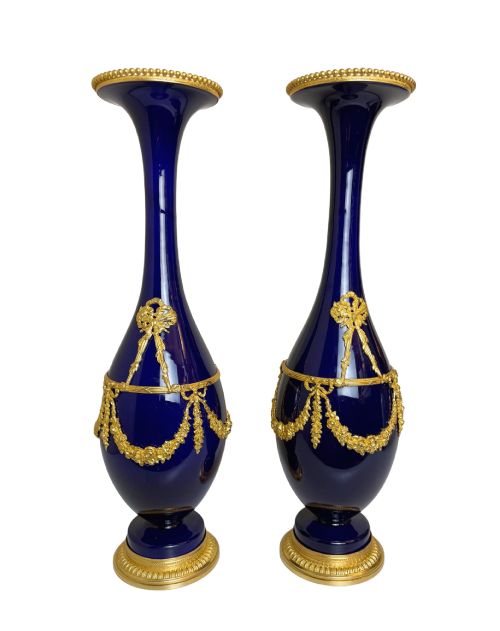
An antique cobalt vase brings intense cobalt colour and rich gilding to a room, spanning delicate porcelain and sturdy earthenware vessels from past centuries.
Antique Cobalt Vase
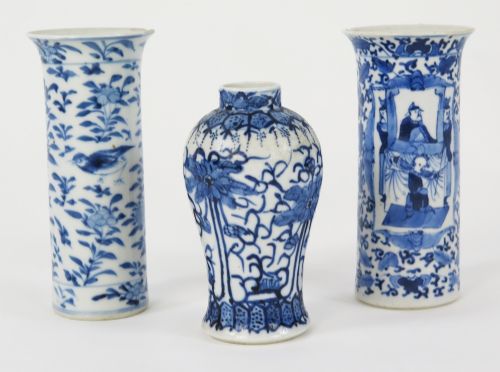
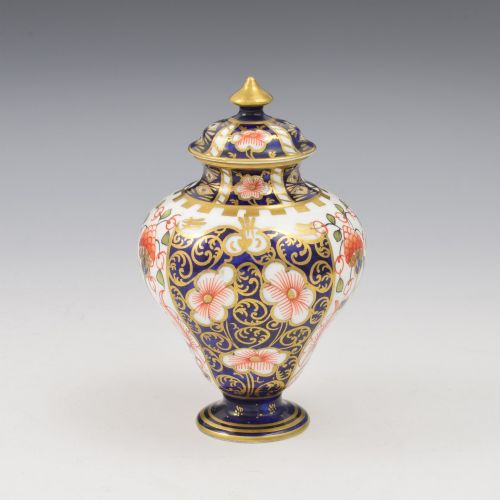
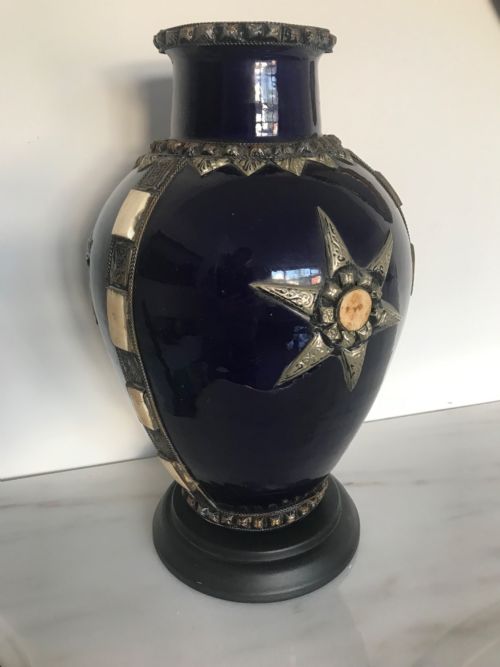
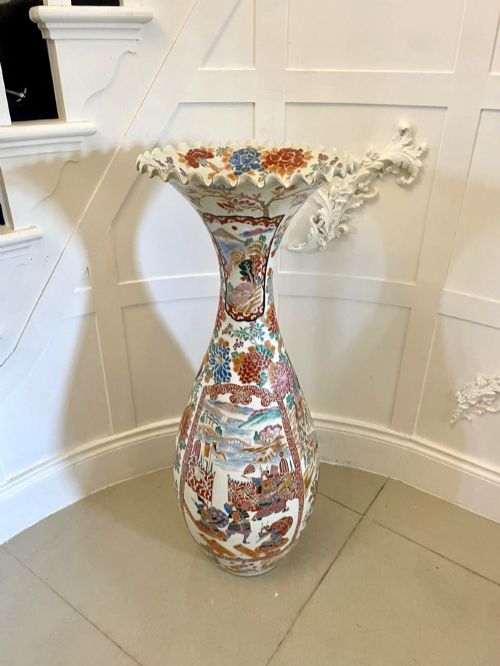
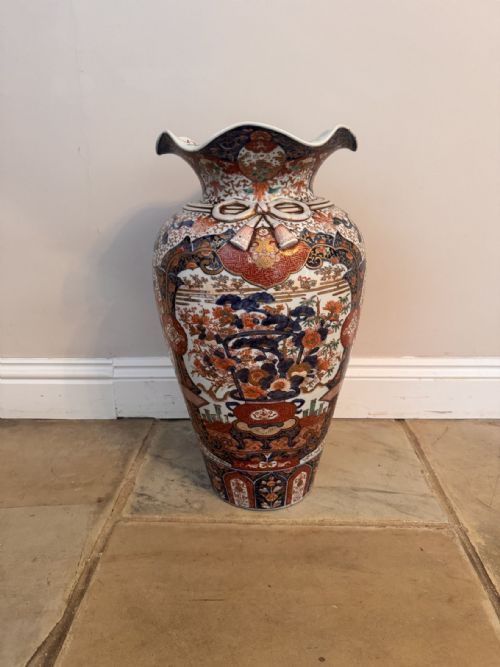
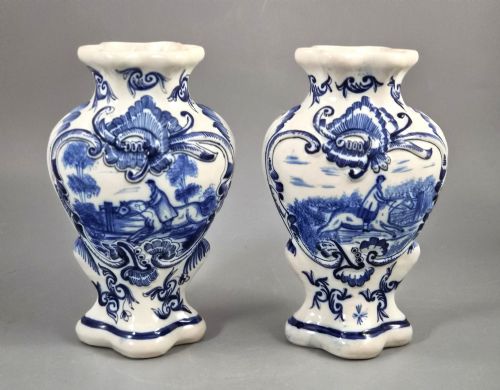
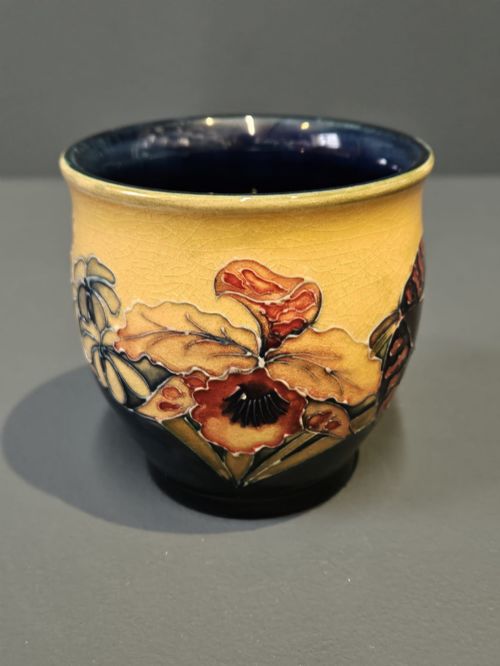
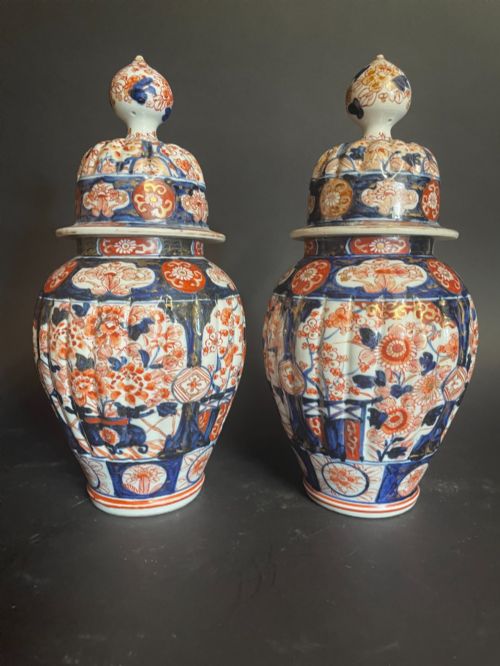
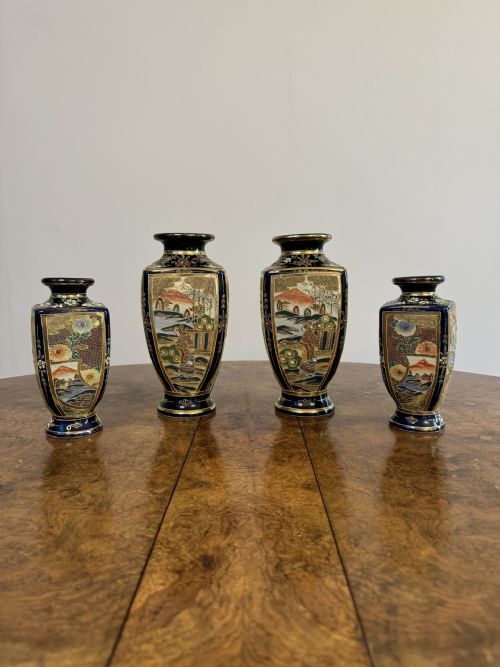
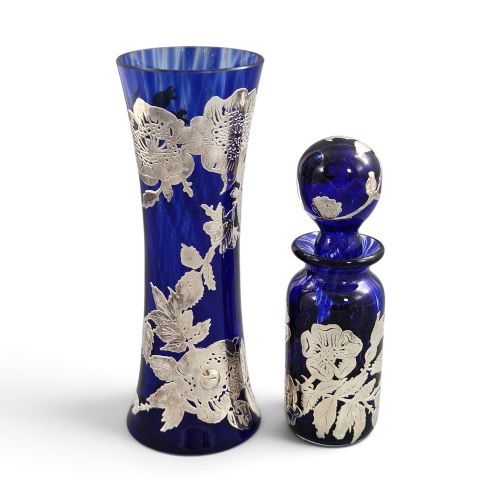
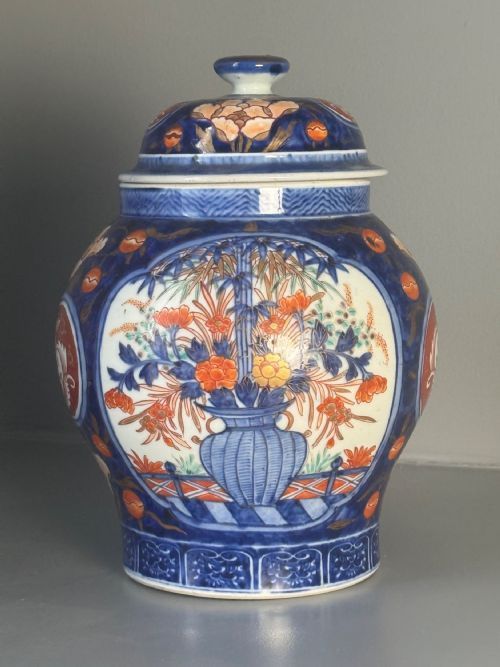
When searching for an antique cobalt vase, buyers encounter a wide assortment of ceramic vessels, ranging from small English porcelain cabinet pieces to large Japanese Imari floor standing jars. The pieces span multiple centuries, with nineteenth-century examples appearing most frequently alongside earlier eighteenth-century items and later twentieth-century productions.
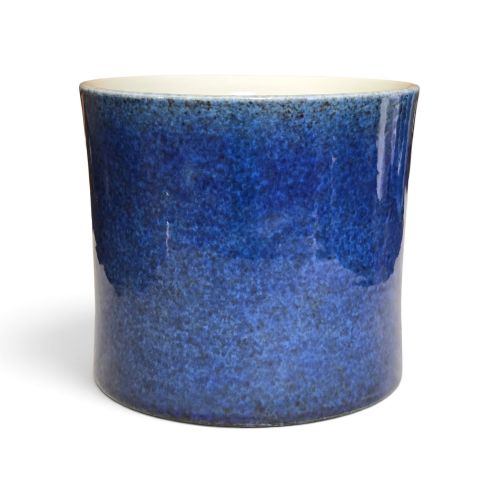
The physical forms vary considerably across the selection, including lidded jars, ewers, urns, brush pots, and converted table lamps. European factories such as Royal Crown Derby, Worcester, and Coalport sit alongside Asian porcelains and earthenwares, demonstrating the widespread appeal of deep blue ceramic glazes.
Materials and construction
Makers utilised porcelain, earthenware, ceramic, and glass as the foundational bodies for these vessels, often applying rich cobalt glazes or enamel before firing. Many pieces incorporate gold leaf, gilding, and ormolu or gilt-bronze mounts to accent the deep blue ground.
Techniques varied from hand-painted enamel scenes and transfer printing to moulded stoneware bodies like Doulton Lambeth ware. Artisans combined metallic oxides with high-temperature firing to achieve the characteristic rich blue hues found across the items.
The selection includes items from the eighteenth, nineteenth, and early twentieth centuries.
Assessing craftsmanship
The depth and consistency of the cobalt glaze distinguish finer examples from standard productions, alongside the precision of hand-painted details and gilding. Superior pieces display crisp enamel work, well-preserved metal mounts, and balanced proportions.
The reputation of the pottery or porcelain manufactory heavily influences the standing of a vessel, with signed works and recognised factory marks indicating higher standards of artistic execution.
Royal Crown Derby·Flight Barr And Barr·Moorcroft·Fourmaintraux Courquin·Doulton Lambeth·Chamberlain Worcester·Mason·Sevres·Vienna Porcelain·Spode·William Adams And Sons·Chelsea Porcelain·Coalport·Royal Doulton·Dresden·A Perry
The Antique Cobalt Vase Glossary
- Imari
- A style of Japanese porcelain decorated in underglaze blue, iron red, gold, and supplementary colours. It heavily influenced European ceramic design during the eighteenth and nineteenth centuries.
- Ormolu
- Gilt-bronze mounts applied to decorative objects and furniture during the eighteenth and nineteenth centuries. The technique involves coating bronze in a finely ground mercury and gold amalgam.
- Gilding
- The application of gold leaf or gold powder to a surface. On ceramics, it provides decorative contrast against cobalt blue grounds.
- Earthenware
- Porous pottery fired at lower temperatures than porcelain. It requires glazing to become impervious to liquids.
- Jardiniere
- An ornamental pot or stand for holding plants or flowers. These vessels often match the ceramic styles of contemporary vases.
Antique Cobalt Vase: Frequently Asked Questions
How do I date an antique cobalt vase?
Dating relies on identifying factory marks, stylistic periods, and manufacturing techniques recorded in the piece's construction. Comparing the ceramic body and glaze characteristics against known historical outputs helps narrow the timeframe.
Examining any hand-written pattern numbers or signatures underneath the base provides further clues to the exact decade of manufacture.
Are these vases waterproof?
Many antique porcelain and glazed earthenware vessels can hold water safely, but porous bodies or pieces with delicate enamel and gold leaf require caution. Thermal shock or prolonged moisture exposure can damage older glazes and structural adhesives.
Using a discreet inner liner preserves the interior while allowing the vessel to function safely as a flower holder.
What is cobalt blue?
Cobalt blue is an intense blue pigment derived from cobalt salts added to ceramic glazes or glass before firing. It remains stable at very high temperatures, making it ideal for underglaze decoration on porcelain.
This chemical stability allowed potters to achieve deep, permanent coloration that resists fading over centuries.
How should I display my vase?
Placing the vessel away from direct sunlight protects sensitive enamels and painted surfaces from fading over time. A stable surface with adequate clearance prevents accidental knocks, particularly for tall floor standing examples.
Lighting that catches the metallic gilding or highlights the depth of the glaze enhances the visual impact of the cobalt surface.