



Georgian Ceramic Vases
These georgian ceramic vases bring tangible heft and hand-painted detail from eighteenth and nineteenth century kilns straight to a modern mantelpiece.
Georgian Ceramic Vases
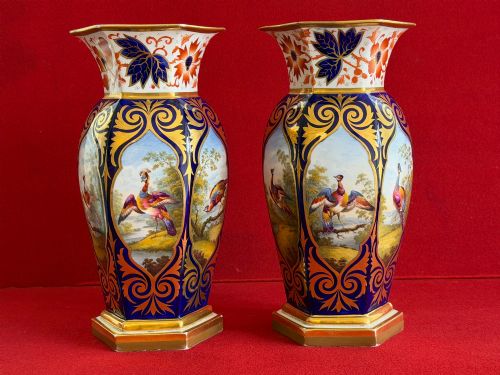
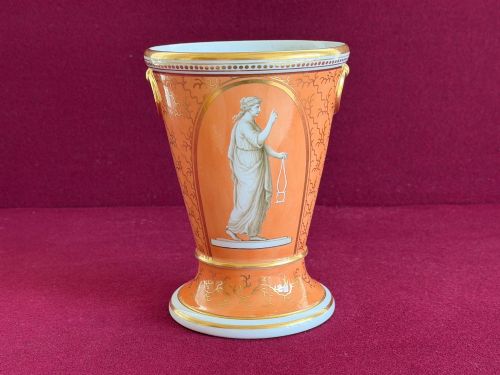
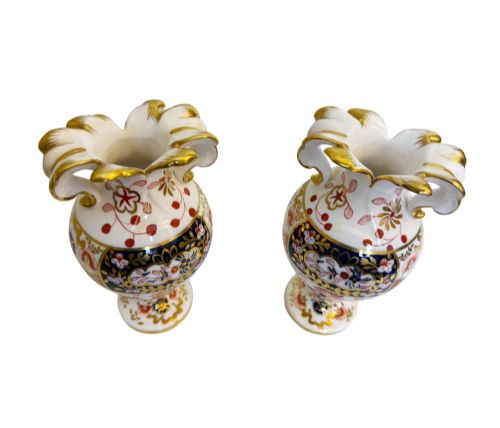
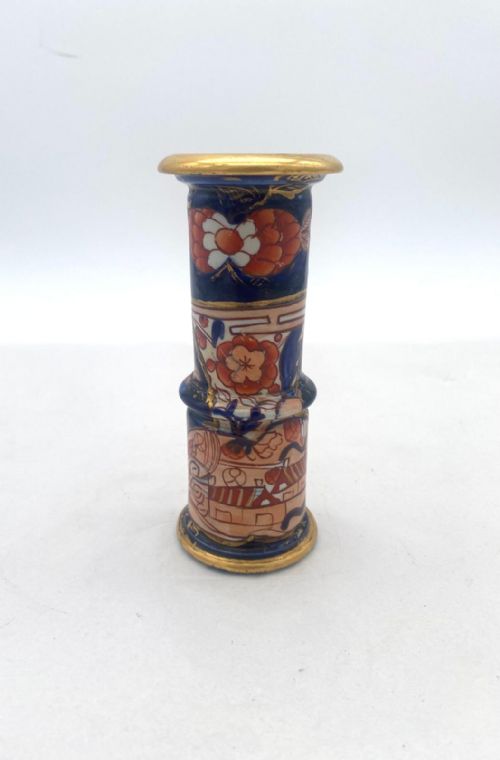
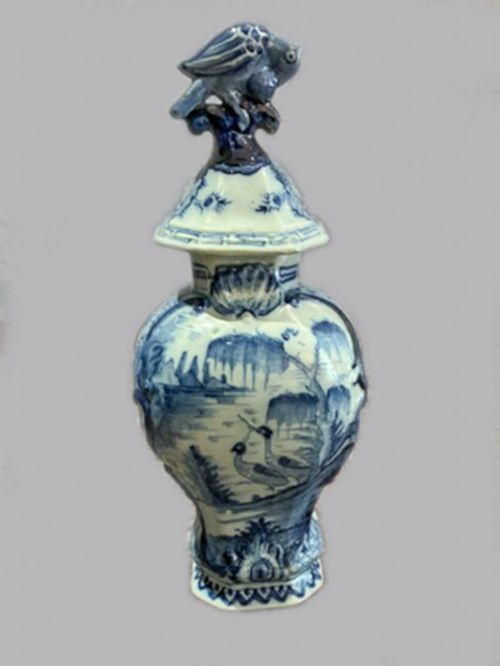
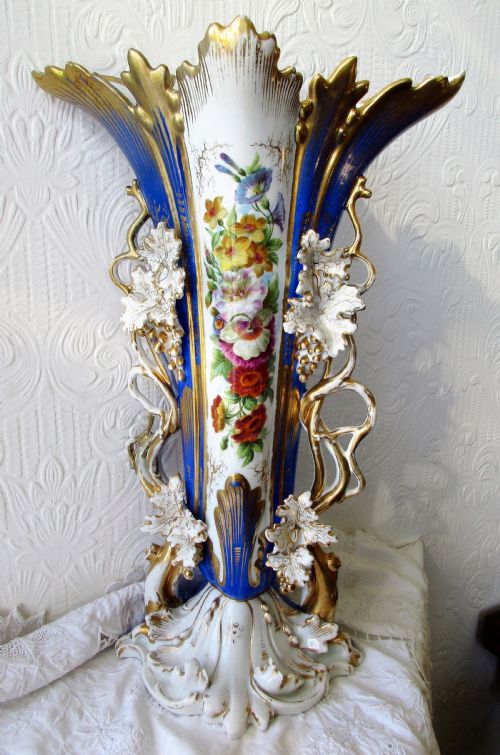
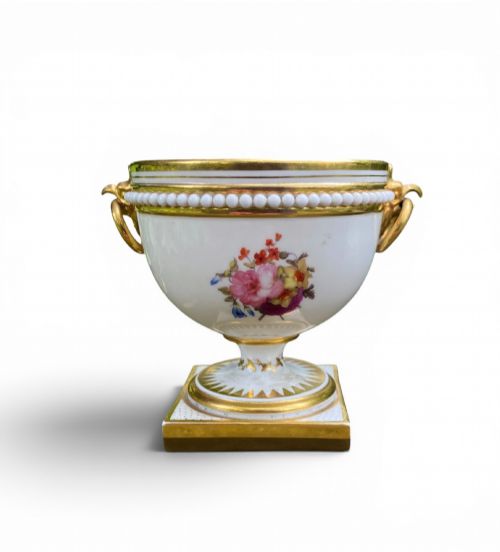
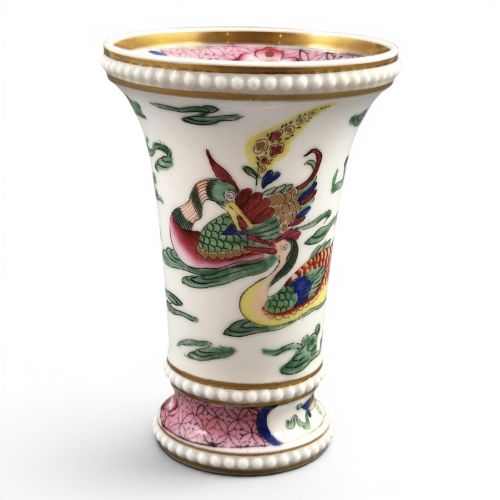
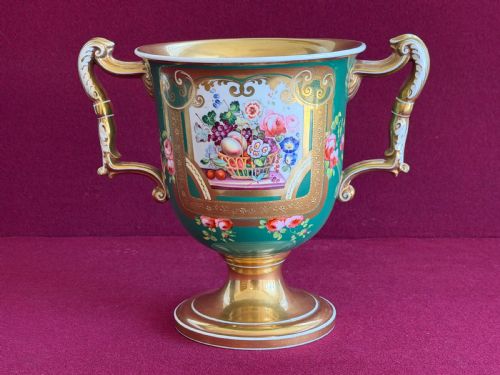
When you search for georgian ceramic vases, you encounter a selection spanning domestic earthenware, tin-glazed pieces, and fine porcelain vessels. The examples on this page range from small spill vases and lidded jars to substantial jardinieres and twin-handled urns made across the Georgian and Regency periods.
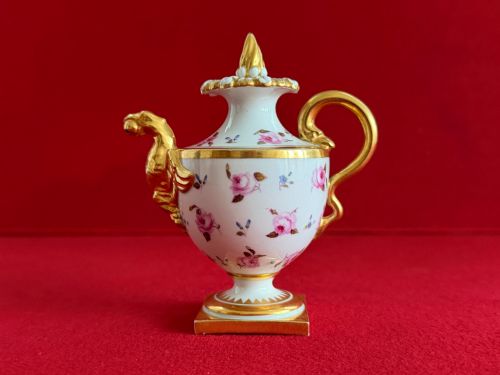
Most pieces date from the late eighteenth century through to the early decades of the nineteenth century, reflecting the output of major English factories and delftware potteries. Forms vary from traditional Delft bottles and chamberlain pommanders to decorative garnitures and Cornucopia designs.
How they were made
Makers utilised porcelain, ironstone, pearlware, and tin-glazed earthenware shaped on the wheel or pressed into moulds. Many vessels received hand-painted decoration enhanced with gilding or gold leaf before final firing.
Transfer printing also appears on ironstone bodies, while tin-glazed pieces rely on opaque white glazes painted with pigments that absorbed colour during the kiln process.
Listings feature works in porcelain, pearlware, and ironstone from the Georgian, Regency, and Victorian periods.
What varies in quality
The distinction between standard domestic wares and top-tier cabinet pieces lies in the crispness of the moulding and the ambition of the hand-painting. Factory-painted porcelain by named artists demonstrates superior brushwork and more complex polychrome palettes compared to simpler factory output.
Surface preservation also separates examples, as bright glazes and intact gold leaf retain their visual impact while worn surfaces reveal the history of active use.
Flight Barr And Barr·Spode·H And R Daniel·Miles Mason·Minton·Mason·Derby
The Georgian Ceramic Vases Glossary
- Tin-glazed earthenware
- Pottery coated with a glaze containing tin oxide to create an opaque white surface suitable for painting. This technique underpins traditional delftware production.
- Ironstone
- A dense, durable type of earthenware patented in the early nineteenth century. It offered a robust alternative to porcelain for heavy domestic service.
- Garniture
- A set of three or more matching vases designed to be displayed together on a mantelpiece or sideboard. They typically comprise a central vase flanked by matching companions.
- Spill vase
- A small, straight-sided vessel used to hold wooden spills for lighting candles and fires. These functional items often received decorative painting.
- Pearlware
- A refined form of earthenware developed in the late eighteenth century featuring a subtle bluish glaze that pooled in recesses to mimic Chinese export porcelain.
Georgian Ceramic Vases: Frequently Asked Questions
How do I clean an antique ceramic vase?
Dust surfaces gently with a soft dry brush to protect fragile enamel and gilding from abrasion.
Avoid immersing old earthenware or porous porcelain in water, particularly pieces with historical hairline cracks or repaired sections.
Can I use these vases for fresh flowers?
Many historical vessels were designed for dry display or specific botanical uses like bulb forcing rather than holding water.
Old earthenware and tin-glazed bodies can be porous or prone to moisture damage, so modern waterproof liners are advisable if you use water.
How do I distinguish porcelain from ironstone?
Porcelain is vitrified, highly translucent when held to a strong light, and rings clearly when tapped gently.
Ironstone is opaque, heavier, and significantly thicker, engineered for durability rather than delicate translucency.
What defines the Regency style in these vases?
Regency vessels often draw inspiration from classical antiquity, featuring urn shapes, gilt accents, and architectural motifs.
Palettes shifted toward bolder polychrome designs alongside crisp neo-classical forms produced by prominent Worcester and Staffordshire factories.