

Antique Claw Foot Stand
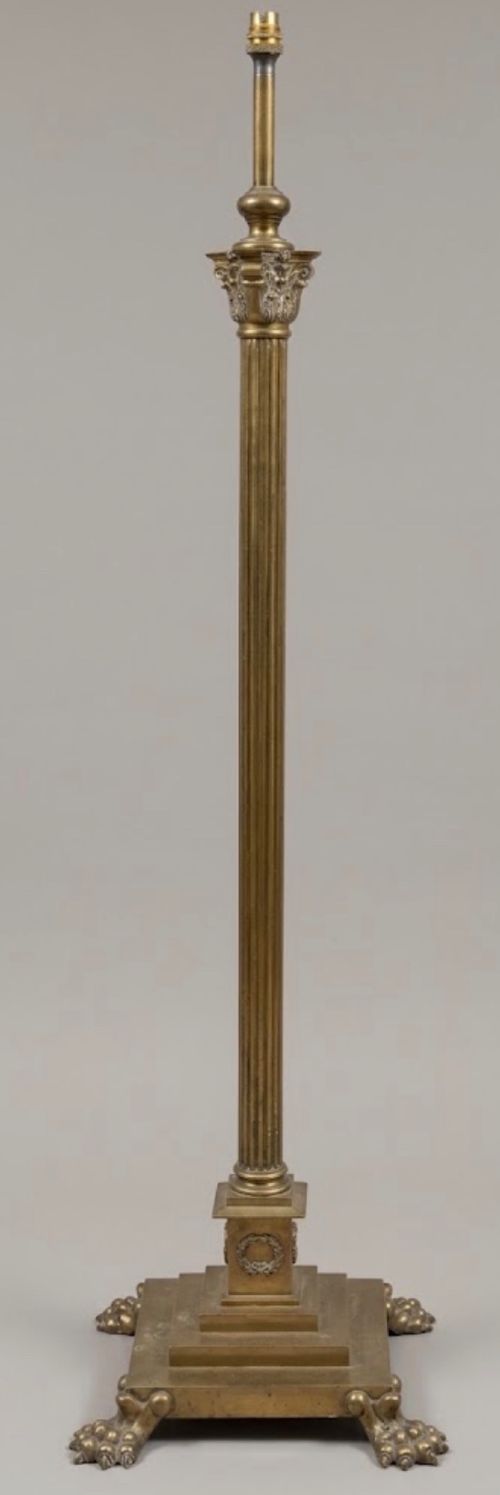
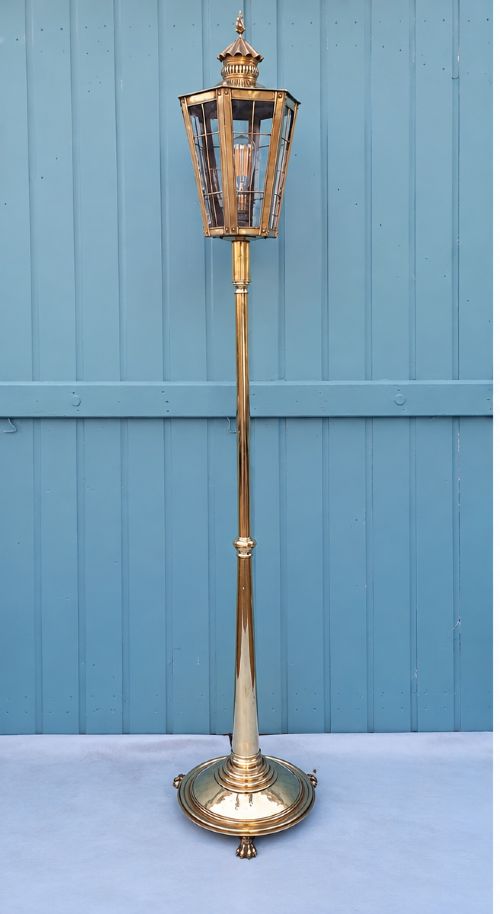
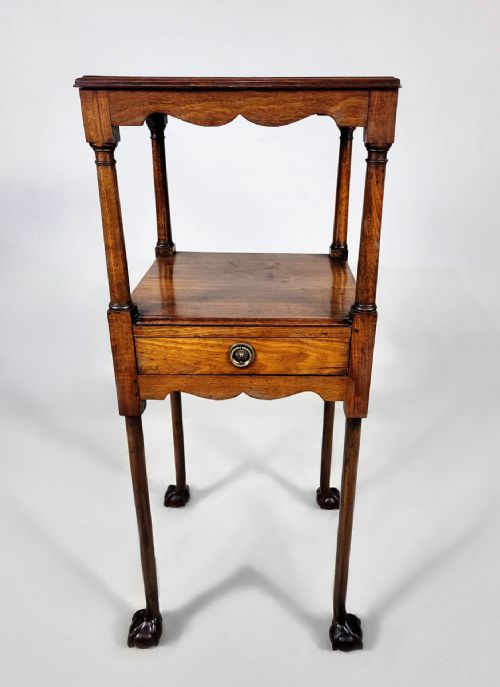
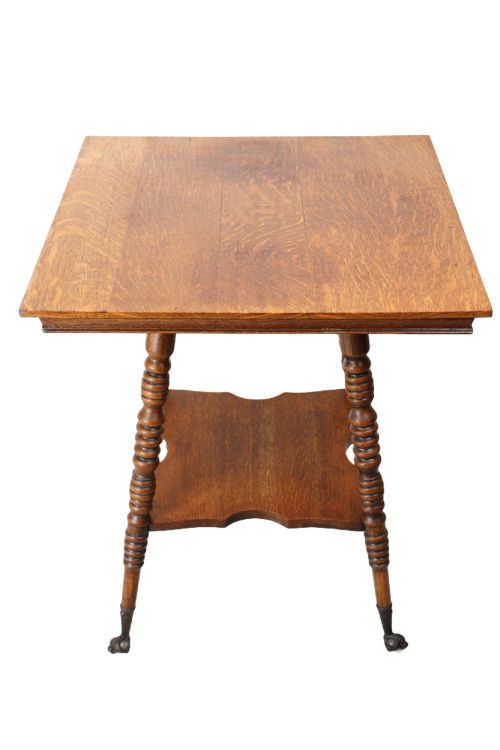
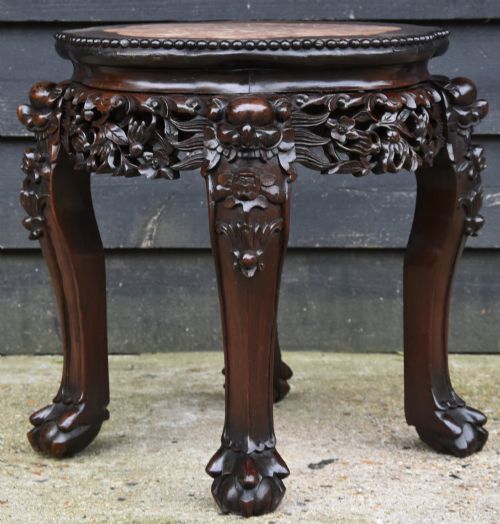
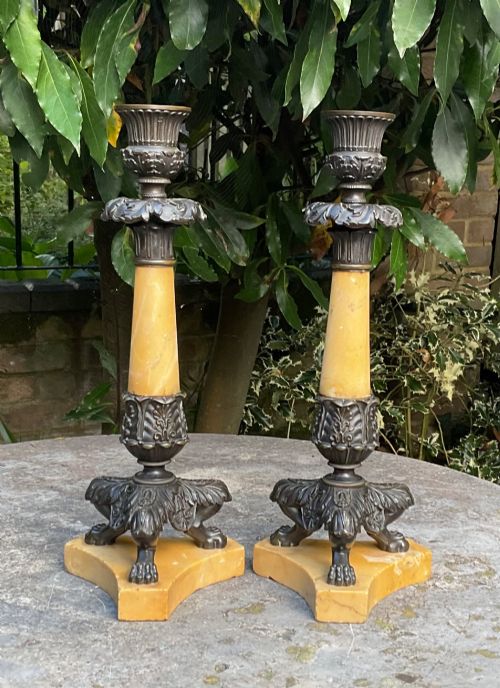
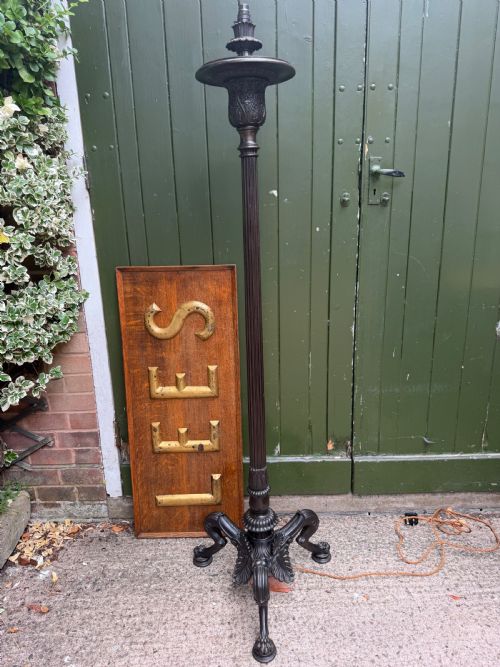
An antique claw foot stand brings architectural solidity to a room, uniting functional support with the sculptural detail of cast brass or carved wood feet.
Antique Claw Foot Stand
When you search for an antique claw foot stand, you encounter a varied selection of supporting furniture and lighting columns, most frequently originating from the nineteenth century, the Victorian era, and the Edwardian period.
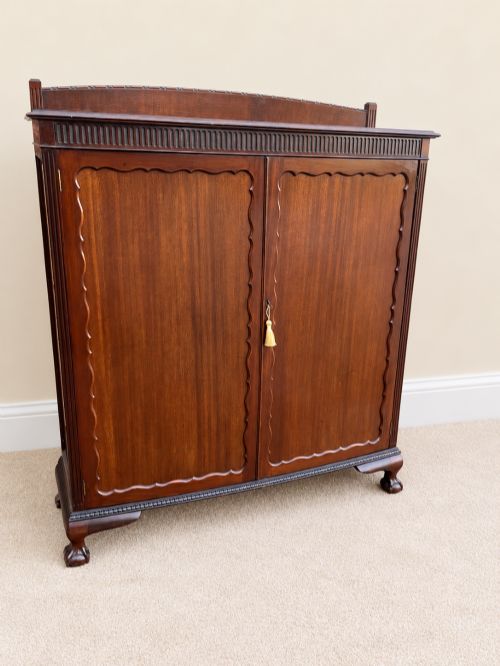
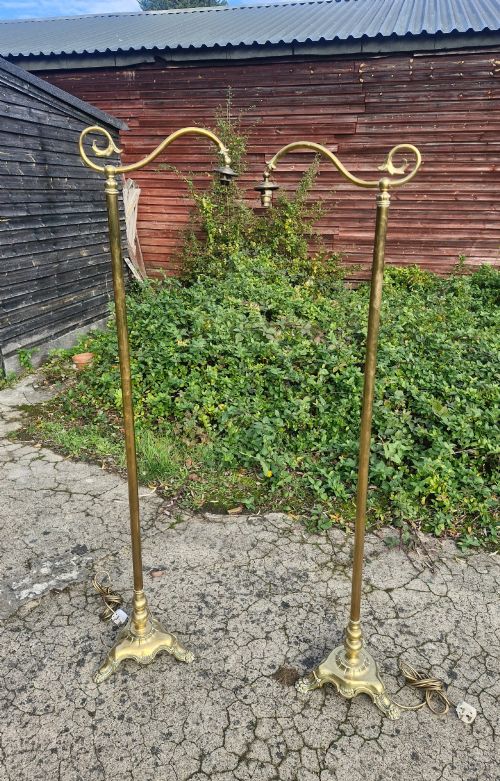
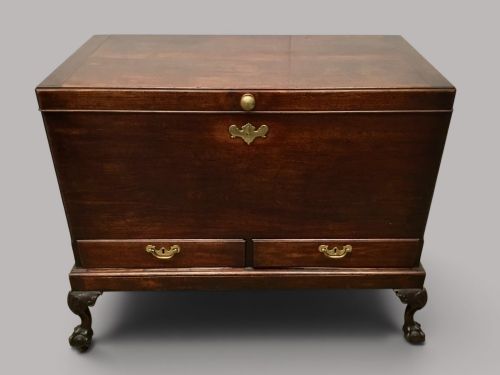
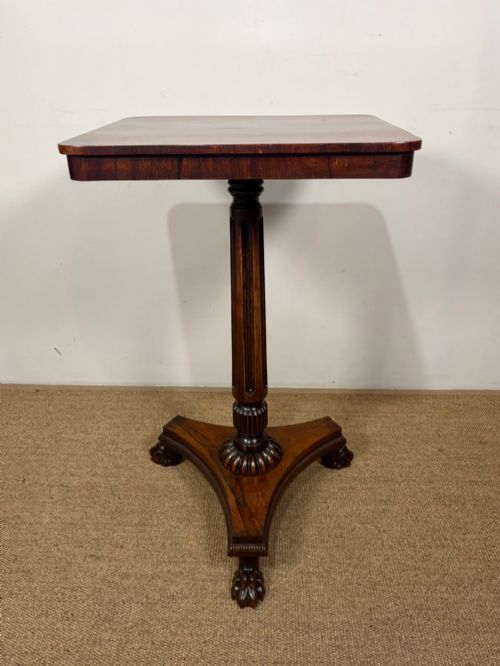
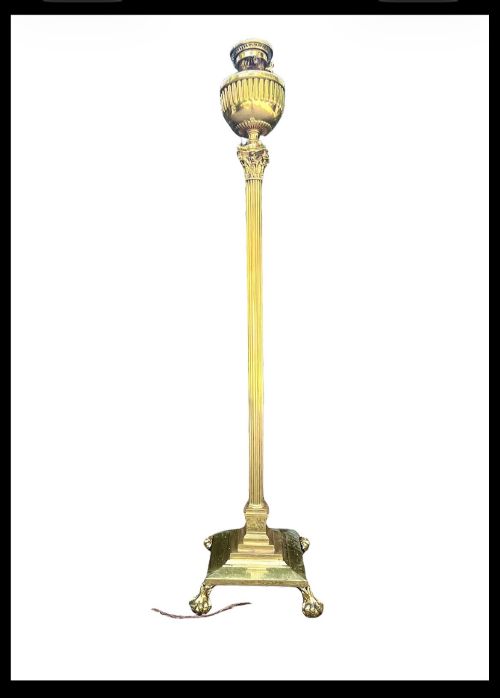
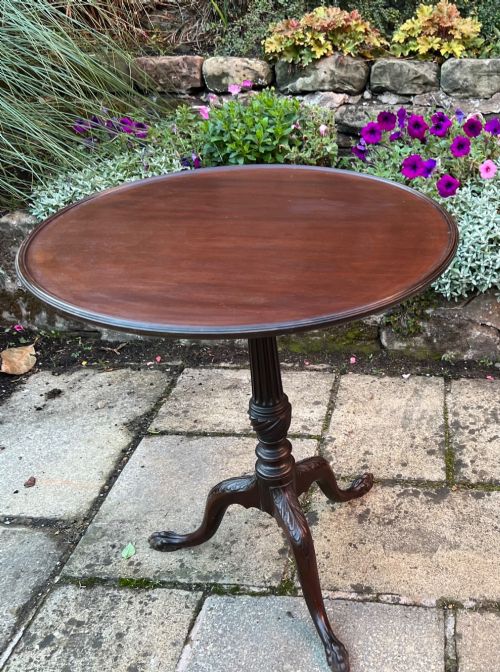
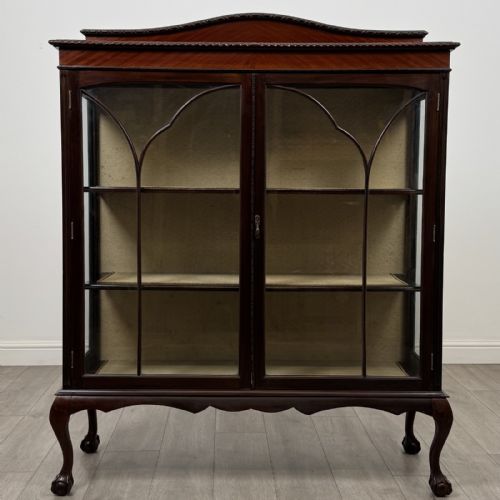
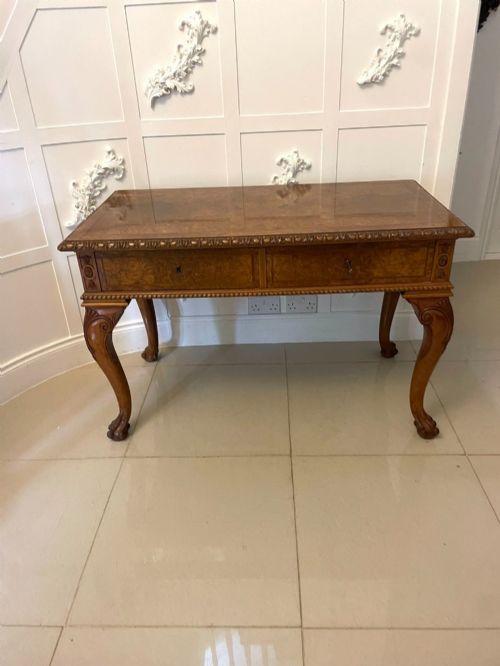
The inventory spans diverse forms including torcheres, pedestals, plant stands, floor lamps, and occasional tables, alongside occasional console tables and display cabinets.
Stylistic influences range across Victorian, Georgian, Edwardian, Neoclassical, Regency, and French Empire, reflecting differing interpretations of classical support.
Materials and construction
Construction relies heavily on dense timbers such as mahogany, walnut, rosewood, and oak, often shaped into tripods or fluted columns.
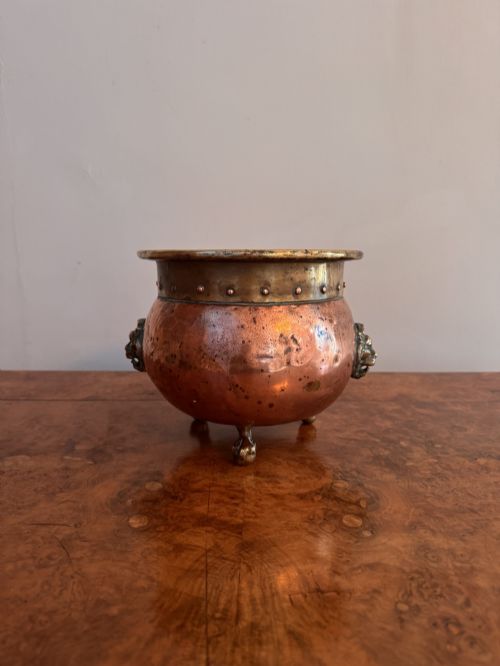
Metals including brass, bronze, cast iron, and silver plating provide structural integrity and decorative detail, frequently paired with marble inserts or fabric elements.
Antique Claw Foot Stand Retail Price Guide 2026
Typical asking prices for claw foot stand among the pieces listed under this phrase on Sellingantiques today, from the lower quarter to the upper quarter. They describe what is for sale here now, not the wider market.
Several stands double as lighting apparatuses, proving that Victorians thoroughly appreciated a multi-tasking piece of furniture.
Craftsmanship and distinction
Quality rests upon the crispness of the carving in wood or the precision of casting in bronze and brass, where sharper definition distinguishes superior items.
The choice of materials, such as figured burr walnut or substantial marble tops, elevates a piece above standard utility.
The Antique Claw Foot Stand Glossary
- Torchere
- A tall stand designed to support a lamp, candle, or decorative object. These slender pedestals often feature carved wooden columns.
- Tripod base
- A three-legged support system providing stability for small tables and plant stands. This configuration appears frequently on nineteenth-century occasional pieces.
- Gueridon
- A small French table supported by a central column or legs. These often feature inset marble tops and classical detailing.
- Triform pedestal
- A three-sided architectural column used for elevation. These sturdy supports display substantial carving.
Antique Claw Foot Stand: Frequently Asked Questions
What is an antique claw foot stand used for?
These items serve primarily to elevate lighting, plants, or decorative objects within a room.
They function as torcheres, standard lamps, or occasional tables that lift items to eye level.
How do I date an antique stand?
Dating relies on identifying the prevailing style, such as Regency or Edwardian, alongside the timber or metal used.
Construction methods and secondary woods also offer clear indicators of age.
Are these stands stable enough for daily use?
Most designs utilise weighted bases or tripod configurations intended to maintain balance under normal household conditions.
Heavier marble-topped variants and metal standards offer additional stability.
What woods are common in these stands?
Makers frequently utilised mahogany, walnut, rosewood, and oak for wooden supports and tables.
Finer examples often display burr walnut veneers or detailed carving.