
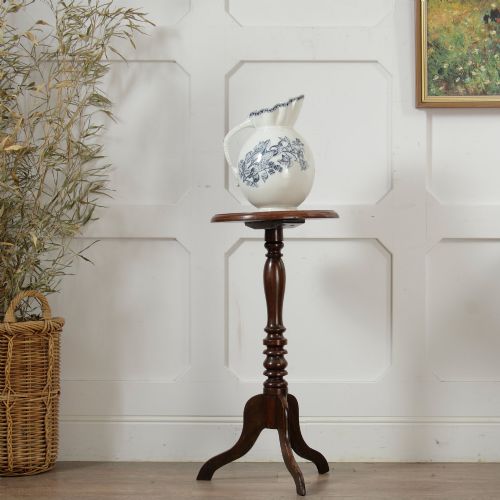
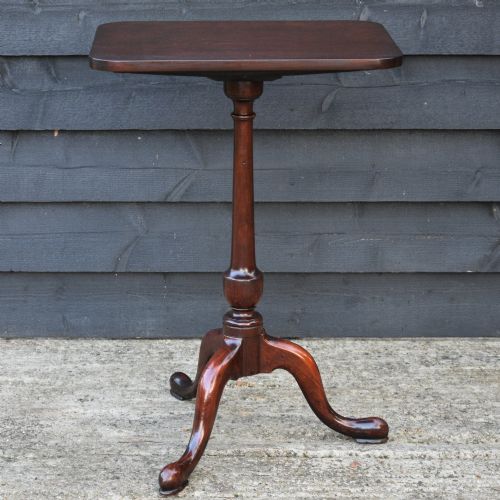
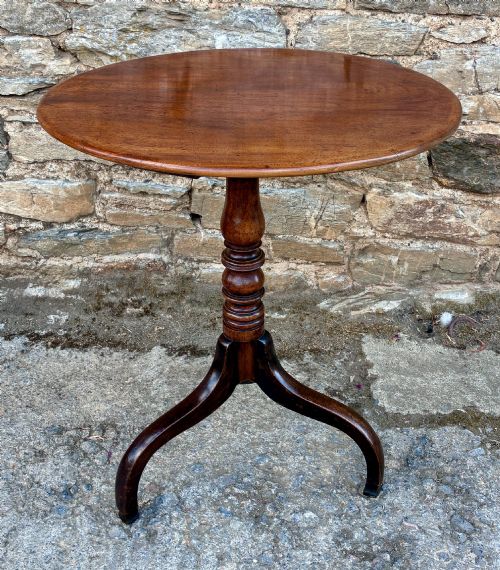
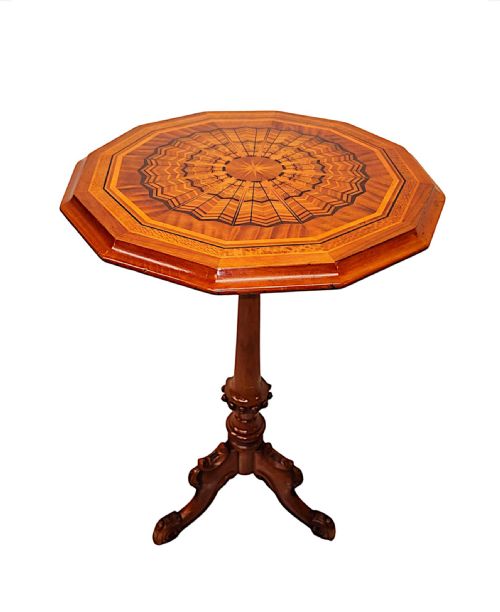
19th Century Wine Stand
These pieces give the 19th century wine stand a lasting place in any room, offering practical surfaces designed for hospitality and display.
19th Century Wine Stand
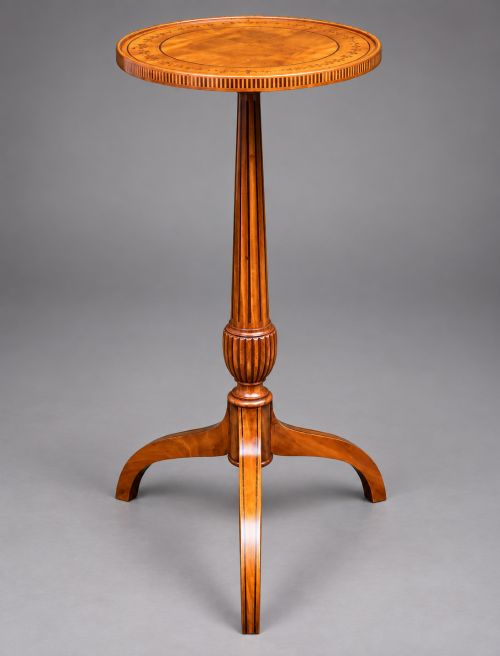
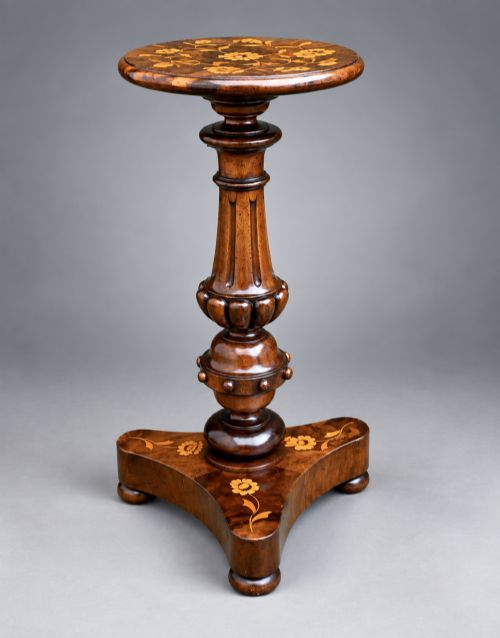
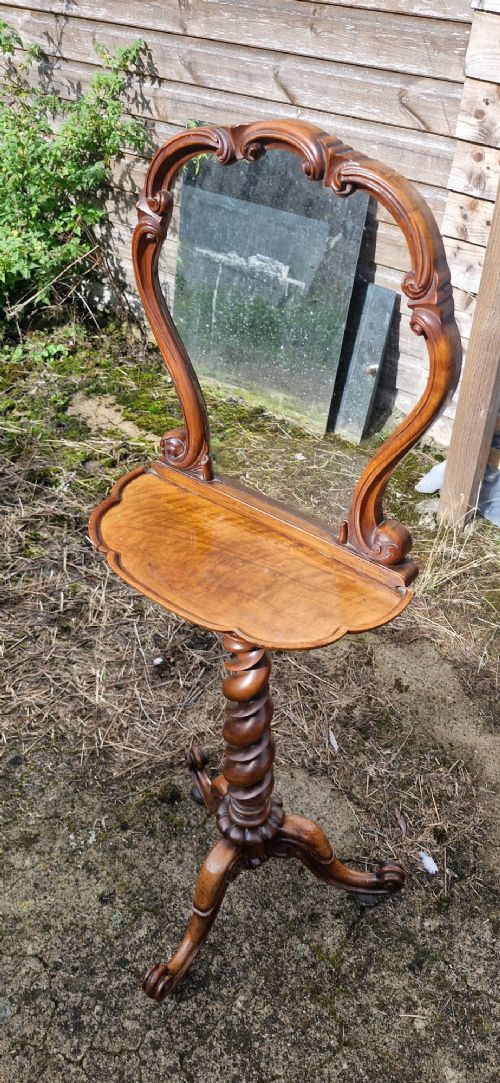
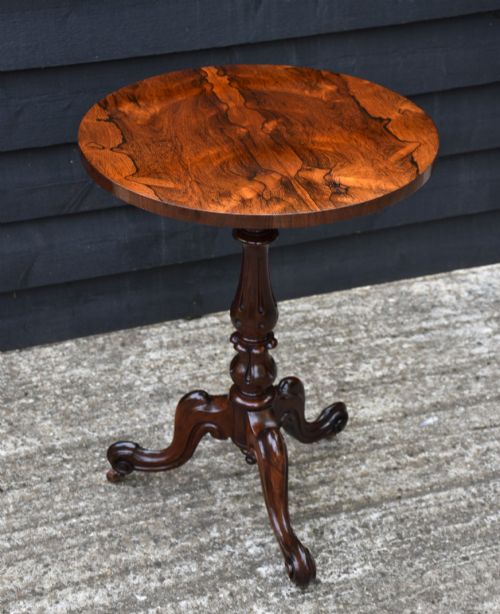
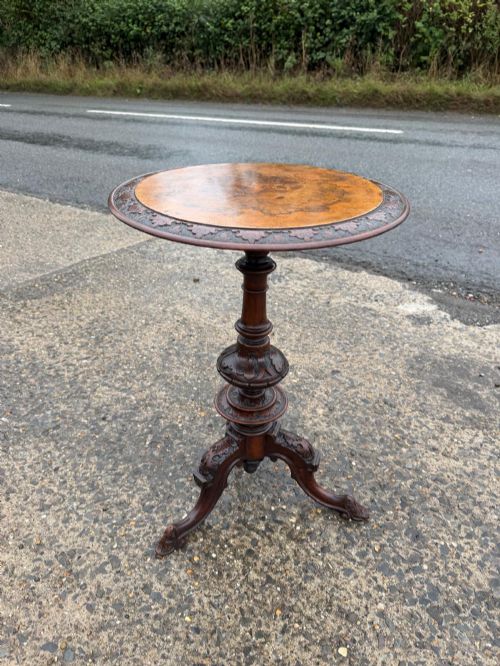
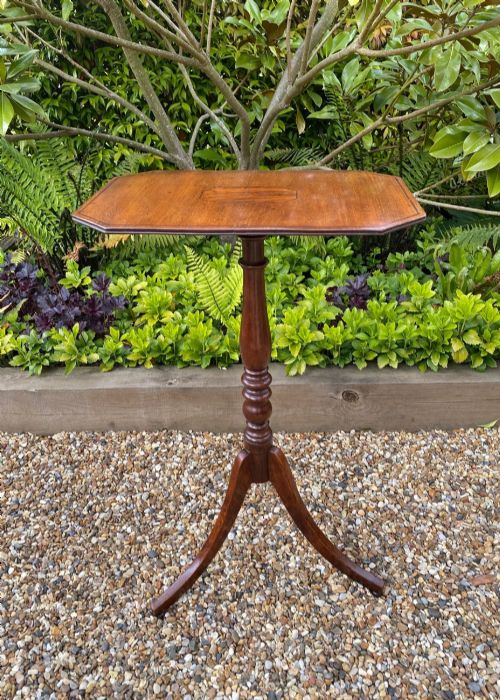
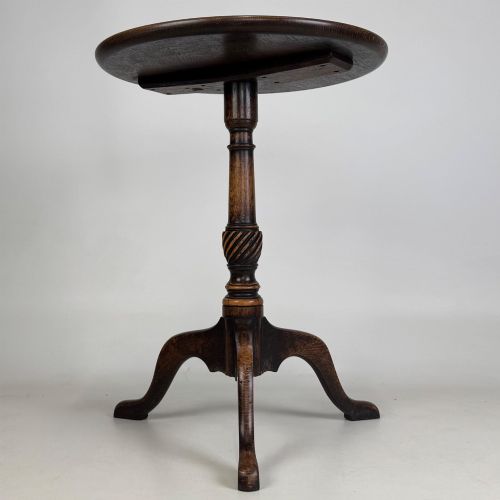
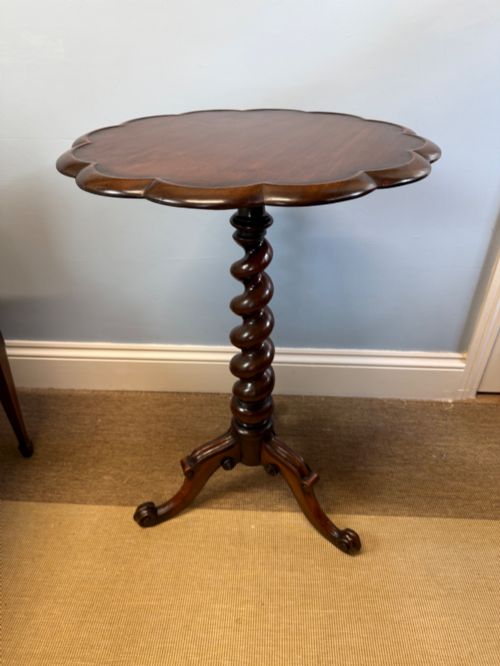
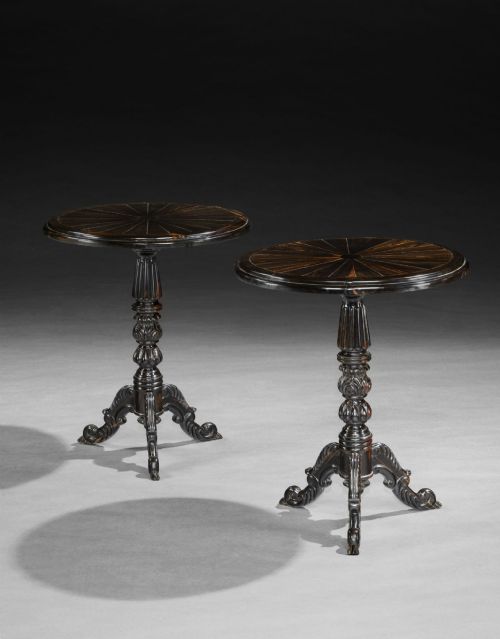
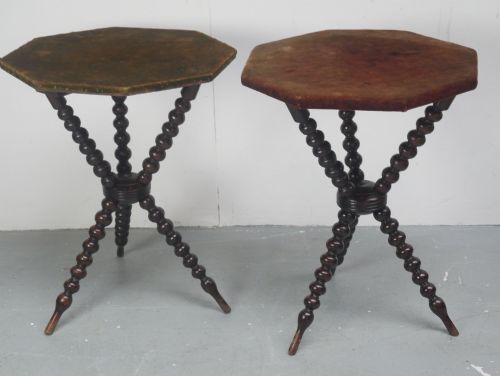
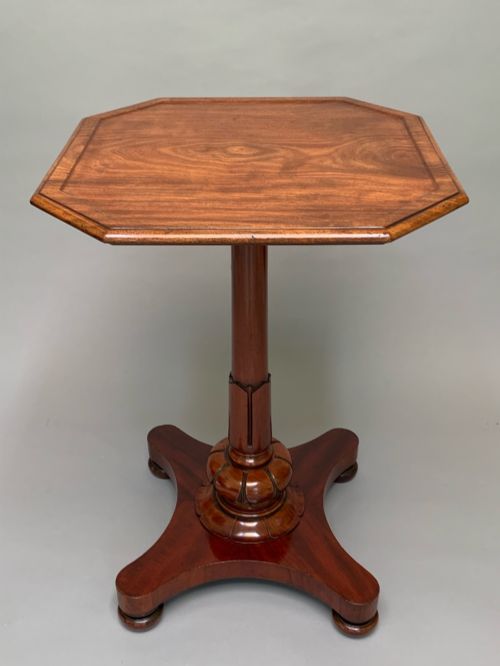
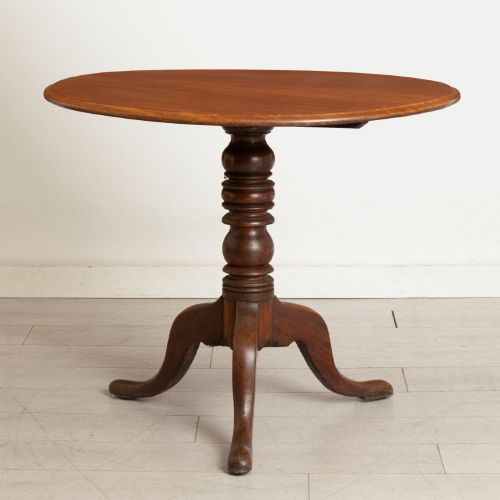
A 19th century wine stand encompasses small tables, tilt-top designs, and specialised serving vessels meant for holding bottles and glasses within easy reach. Buyers encounter many tripod tables, occasional tables, and cellarettes originating from the Regency, Victorian, and William IV periods.
The form adapts to domestic life through clever engineering like tilting tops and pivoting actions. While some examples function as lamp tables or candle stands, others serve as dedicated wine coolers and coasters.
Originating from British workshops, Swedish country makers, and French ateliers, these items range from simple ash and fruitwood pieces to highly inlaid satinwood and rosewood specimens.
Materials and construction
Cabinetmakers utilised dense timbers including mahogany, rosewood, walnut, and fruitwood to build stable frames and durable surfaces. Burr wood veneers, wood inlay, and satinwood add decorative contrast to the primary grains.
Tripod bases provide stability on uneven floors, often paired with tilt-top mechanisms secured by brass catches. Metal elements such as brass castors, handles, and decorative mounts appear across coolers and cellarettes.
Listings feature mahogany, rosewood, walnut, ash, and fruitwood alongside brass and papier-mâché components.
Evaluating craftsmanship and detail
The refinement of the timber selection and the precision of the inlay set superior examples apart from standard utility items. Fine pieces demonstrate crisp carving on pedestal bases and tight joints on tripod legs.
Hardware quality dictates the standard of execution, where original brass castors and turned supports indicate higher workshop output. The sophistication of mechanisms, such as smooth tipping actions and telescopic stems, reflects the original maker's skill.
Gillows·George Bullock
The 19th Century Wine Stand Glossary
- Tilt-top table
- A table with a hinged top that pivots vertically to save space when not in use. This mechanism relies on a birdcage or catch assembly beneath the surface.
- Tripod base
- A pedestal support resting on three legs, commonly found on small occasional and wine tables. It ensures firm contact on older uneven floorboards.
- Cellarette
- A cabinet or box designed to hold wine bottles securely, frequently raised on a stand with legs. Interiors often feature partitioned sections for bottle storage.
- Wine coaster
- A small shallow tray, often fitted with wheels, used to slide bottles along a dining surface. Materials range from turned wood to papier-mâché.
- Stringing
- Thin lines of contrasting wood inlay used to outline panels and tabletops. This technique defines geometric patterns on Regency and Victorian surfaces.
19th Century Wine Stand: Frequently Asked Questions
What is a 19th century wine stand?
A 19th century wine stand is a portable piece of furniture designed to hold drinks, glasses, or bottles during social gatherings. These items include small pedestal tables, tilt-top designs, and low cellarettes.
Craftsmen built them to be moved easily around a drawing room or dining space as needed. Their compact footprints make them useful beside seating areas today.
How do I use a tilt-top table?
The top of the table releases from its horizontal position via a catch beneath, allowing the surface to fold flat against the central pedestal. This saves floor space when the stand is pushed against a wall.
In daily use, ensure the catch engages securely before placing any objects on the surface. The mechanism requires gentle handling to preserve the original pivot block.
Where were these pieces placed?
Original placement typically occurred in dining rooms, libraries, and drawing rooms where guests gathered for refreshment. Wine stands sat near chairs to hold glasses, while larger cellarettes stayed close to the dining table.
Today, they function effectively as lamp tables, plant stands, or occasional surfaces in living spaces. Their modest scale allows them to fit into corners where standard tables will not go.
How do I distinguish Regency from Victorian examples?
Regency pieces often display classical restraint, clean lines, and architectural mahogany or rosewood veneers influenced by ancient Greek and Roman forms. Details frequently include brass inlay and saber legs.
Victorian pieces tend to feature heavier proportions, darker walnut or burr woods, and more exuberant carved decoration. Turned pedestals and platform bases become common as the century progresses.