

Victorian Rosewood Stand
When you search for a victorian rosewood stand, you enter a diverse realm of nineteenth-century occasional furniture, reading tables, and display pieces defined by rich, dark timber.
Victorian Rosewood Stand
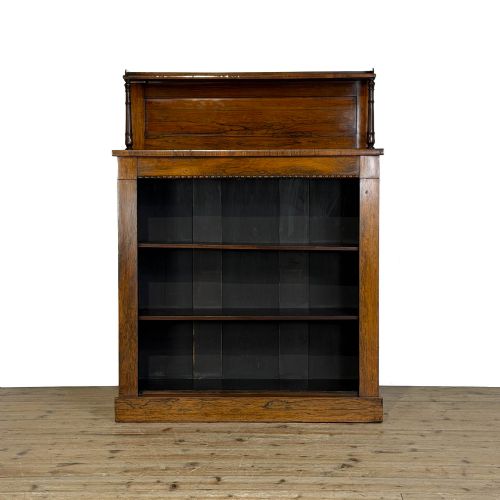
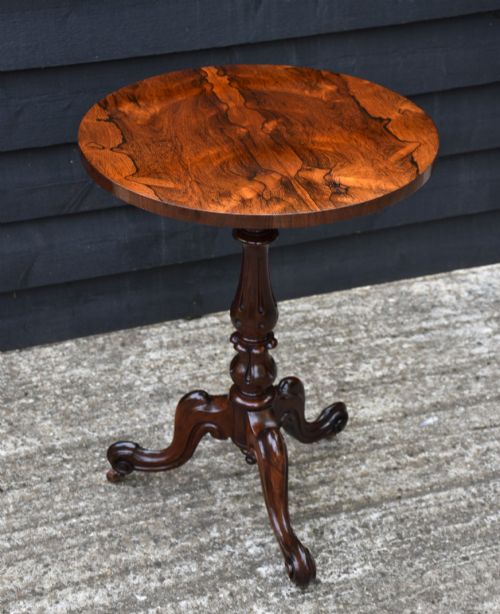
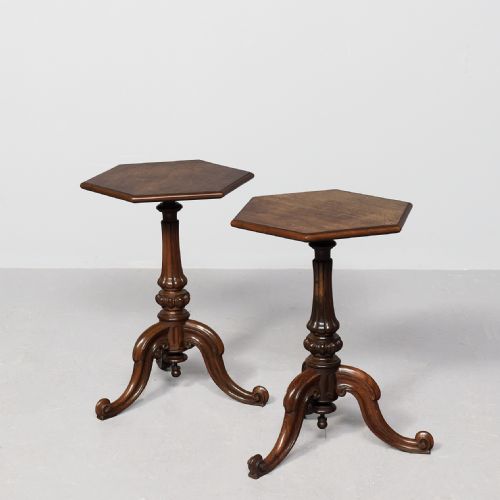
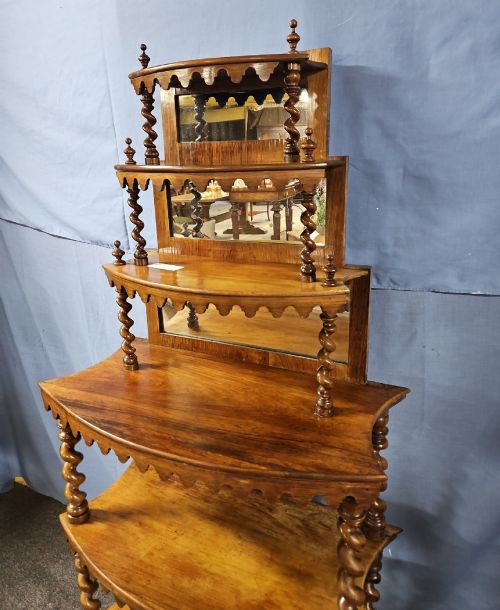
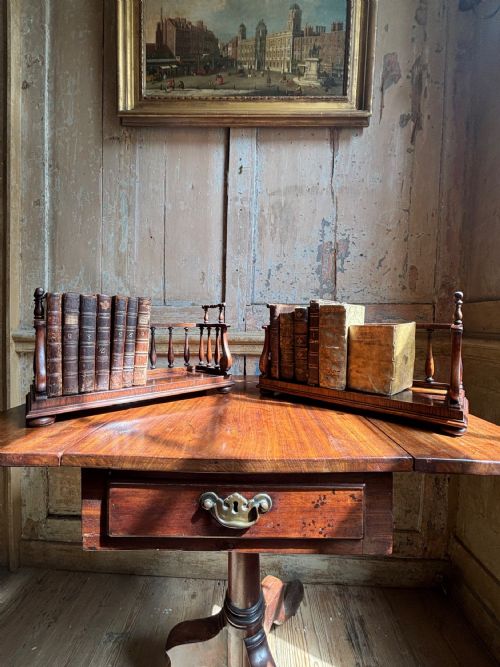
A victorian rosewood stand encompasses a wide assortment of nineteenth-century furnishings designed for utility and display in the home. Buyers encounter diverse forms in the evidence, ranging from wine tables and occasional side tables to music stands, reading stands, and multi-tiered whatnots.
The aesthetic vocabulary stretches from strict Victorian and William IV periods through to Anglo-Indian carving, French styles, and Edwardian interpretations. Most pieces on this page lean towards nineteenth-century craftsmanship, utilising dense tropical hardwoods alongside brass, ormolu, and glass components.
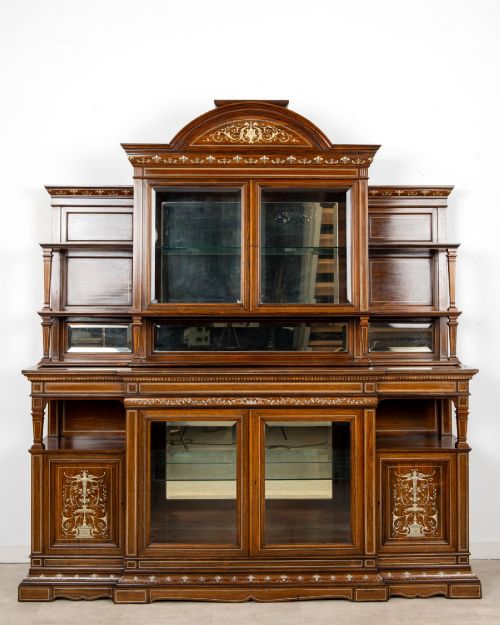
Makers and workshops of the era adapted these stands for specialised domestic tasks, producing sewing tables, cake stands, and display cabinets alongside simple tripod wine tables. The unifying element remains the dense, figured rosewood timber that provides both structural integrity and deep visual warmth.
Materials and Techniques
Cabinet makers relied heavily on solid rosewood and exotic veneers applied over secondary timbers, often accentuating the rich grain with french polishing. Structural joints utilised traditional mortise and tenon construction, while turned elements like barley twist stems provided rigid support for heavier tabletops.
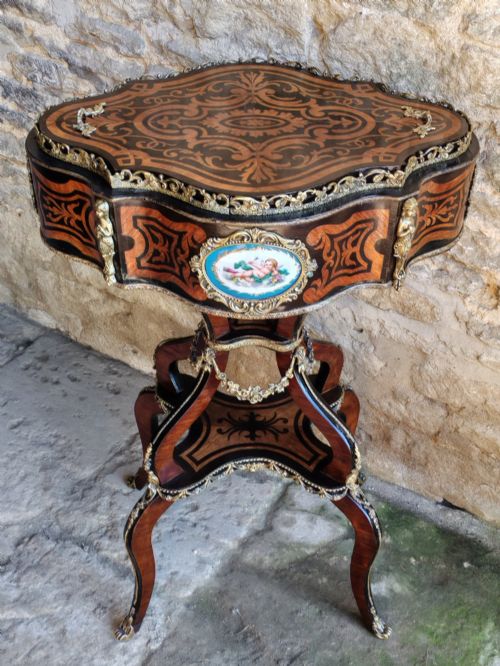
Decorative embellishments in the evidence include bone inlay, intricate marquetry, and needlework panels set into cheval fire screens and reading tables. Brass fittings, castors, and ormolu mounts were frequently incorporated into nineteenth-century designs to enhance mobility and visual contrast.
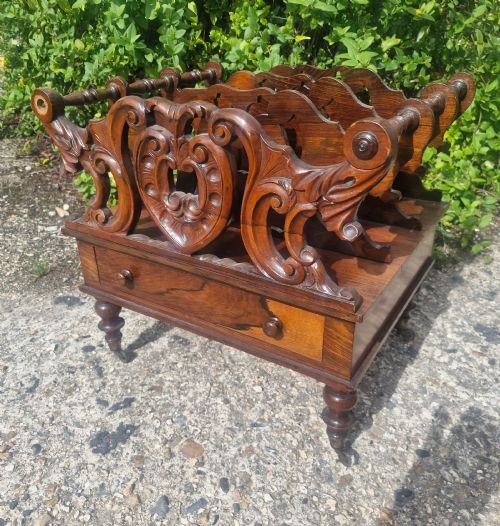
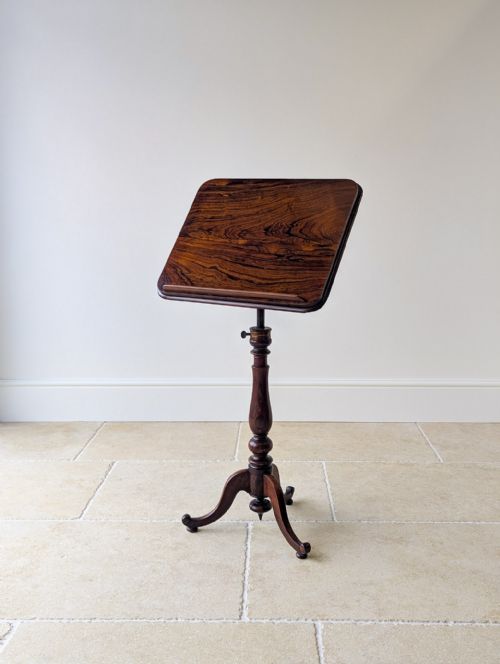
Carved details appear extensively across Anglo-Indian and Chinese export pieces, utilising padouk and hardwood substrates shaped by hand chiselling. Telescopic mechanisms and adjustable book stands demonstrated advanced mechanical joinery during the mid-nineteenth century.
Some nineteenth-century tables arrived with built-in compartments for sheet music, proving that Victorians took their parlour sing-alongs very seriously.
Distinctions in Quality
The hierarchy of quality rests primarily on the selection and matching of rosewood veneers, alongside the crispness of hand-carved ornamentation. Finer examples display continuous grain patterns and meticulous marquetry inlaid decoration without clumsy repairs or mismatched timber sections.
Structural stability separates standard production items from workshop-attributed pieces, particularly in items with moving parts like telescopic tables or music stands. Well-executed joints, original brass hardware, and precise bone or ivory inlay indicate superior workshop provenance.
The depth and clarity of the original french polish finish dictate how well the piece has retained its lustre over time. Subtle proportions and balanced turnings distinguish workshop items by notable makers from more utilitarian regional furniture.
Collinson & Lock·Liberty & Co·Gillows·Edwards & Roberts·Samson & Son London·Maple & Co
The Victorian Rosewood Stand Glossary
- Rosewood
- A dense, heavily grained tropical timber prized for its deep reddish-brown colour and dark figuring. It takes an exceptionally high polish.
- Whatnot
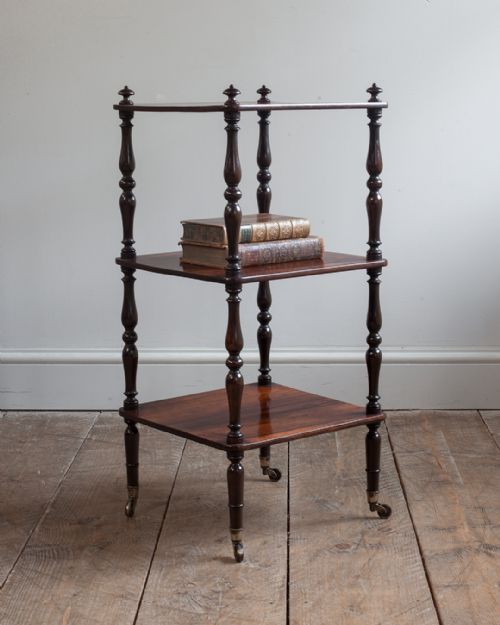
- A set of open shelves used for displaying ornaments and books, typically constructed with multiple tiers supported by slender uprights.
- Canterbury
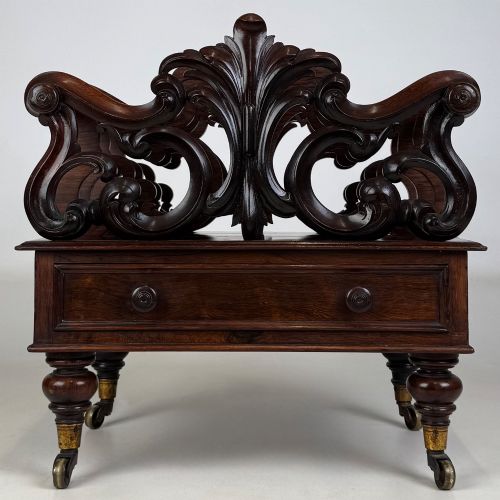
- A low piece of furniture featuring partitions for holding sheet music, folios, or books, often fitted with carrying handles and small castors.
- Marquetry
- The art of applying decorative veneer pieces in wood, bone, or shell to form intricate geometric or floral patterns on a furniture surface.
- Ormolu
- Gilded bronze or brass mounts applied to furniture edges and feet during the nineteenth century to add ornamental contrast.
Victorian Rosewood Stand: Frequently Asked Questions
What is a rosewood whatnot used for?
A whatnot is a multi-tiered shelving unit designed for displaying decorative objects, books, and household collections in nineteenth-century drawing rooms. The open design allowed items to be viewed from multiple angles.
In modern interiors, these stands serve a similar purpose for holding small collections, plants, or bedside reading materials while maintaining a compact footprint.
How do I identify a Victorian reading stand?
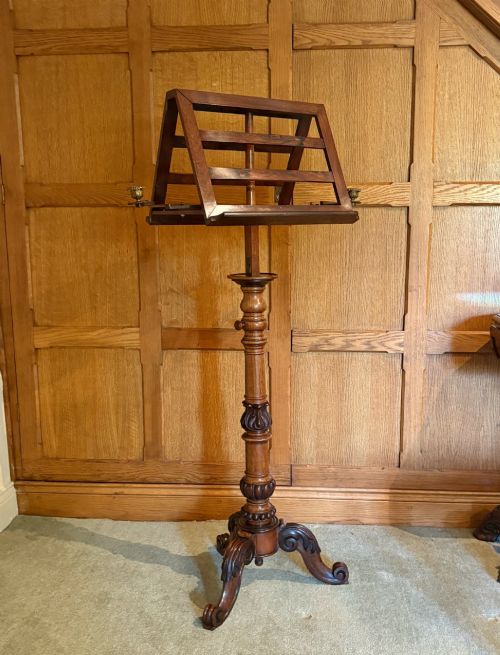
Victorian reading stands typically feature adjustable desk surfaces mounted on central columns or tripod bases, designed to hold books or folios at a comfortable angle. Many incorporate telescopic mechanisms for height adjustment.
They were placed beside armchairs or used in libraries for studying large volumes, often constructed from heavy rosewood to ensure stability.
Are Anglo-Indian tables made of rosewood?
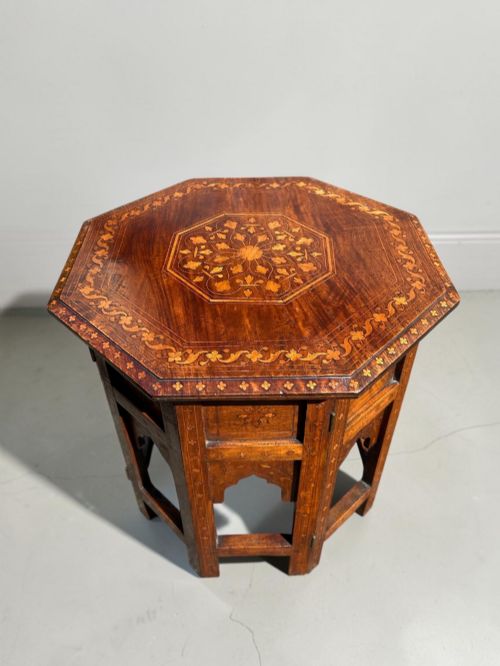
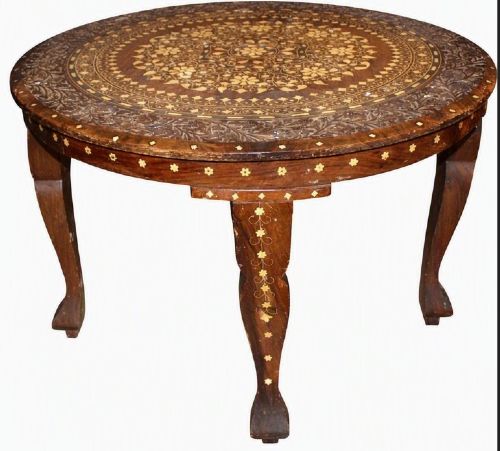
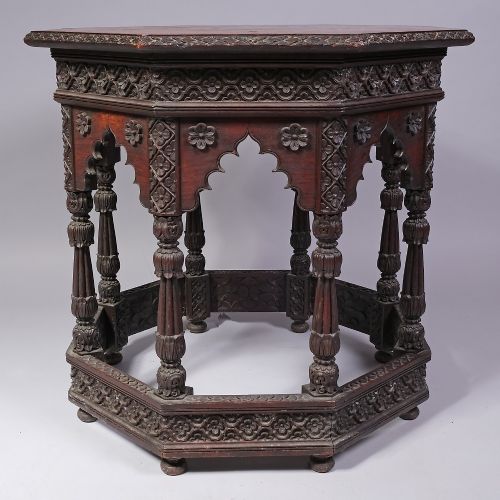
Anglo-Indian tables from the nineteenth century frequently utilise dense exotic hardwoods, padouk, or native timbers enriched with bone or ivory inlay and deep relief carving. They reflect colonial trade and cross-cultural design exchanges.
These pieces are identified by their intricate floral motifs, folding octagonal bases, and heavy craftsmanship distinct from standard domestic British cabinet making.
How should I care for antique rosewood furniture?
Antique rosewood benefits from stable indoor humidity and protection from direct sunlight, which can fade the rich reddish-brown tones of the timber. Gentle dusting with a soft cloth maintains the surface without abrasive polishes.
Applying microcrystalline wax periodically helps nourish the old polish and protects the wood from drying out over time.