

Antique Circular Clock
An antique circular clock brings dependable timekeeping and architectural presence to a wall through solid brass, mahogany and oak.
Antique Circular Clock
An antique circular clock serves as a practical timepiece designed for public spaces, offices and domestic rooms. When exploring an antique circular clock, buyers encounter wall clocks and mantel clocks originating from Georgian, Victorian, Edwardian and mid-twentieth century periods.
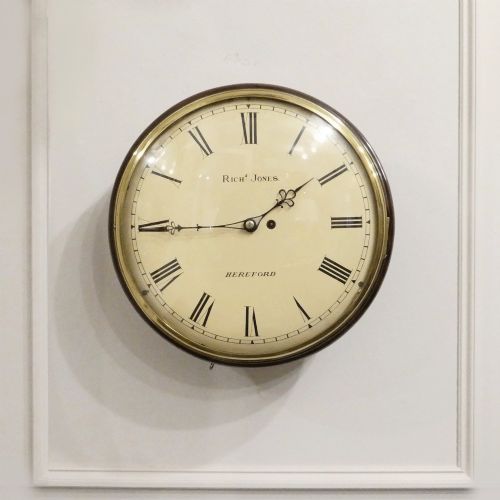
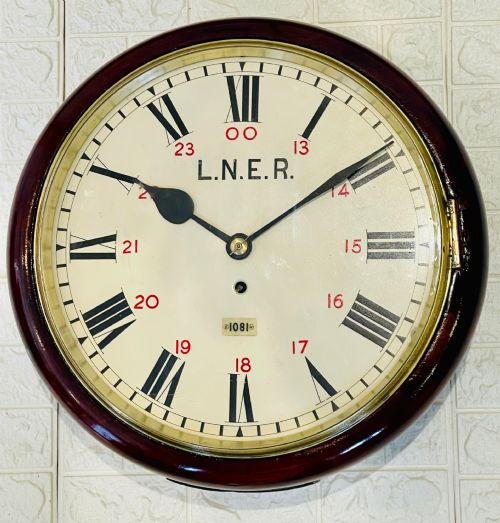
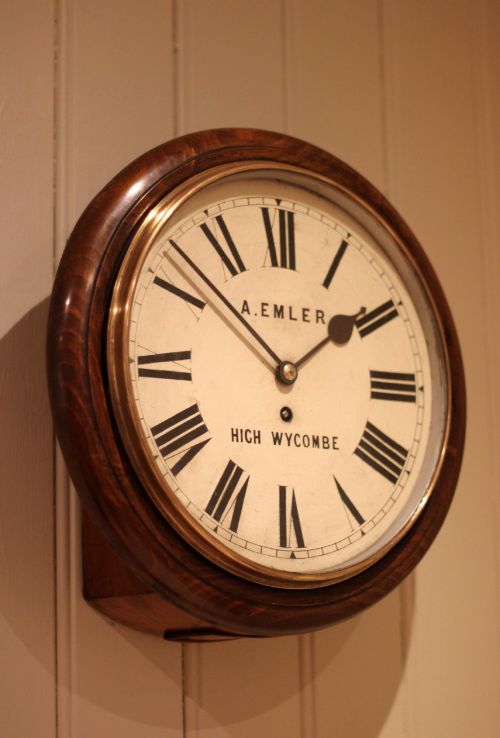
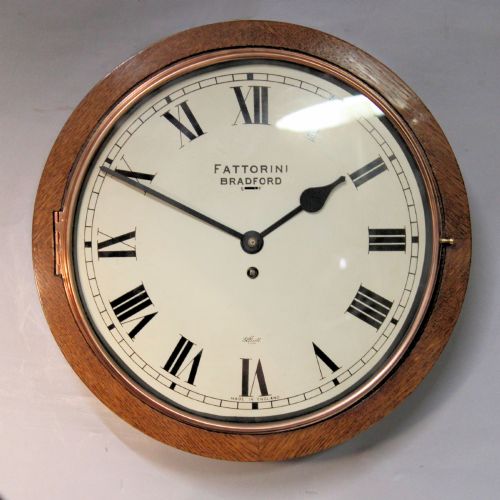
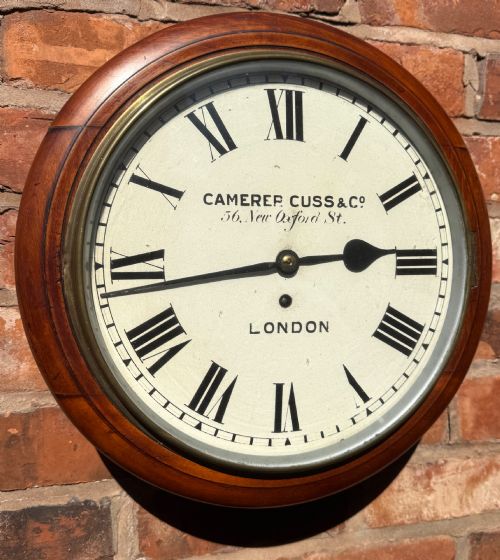
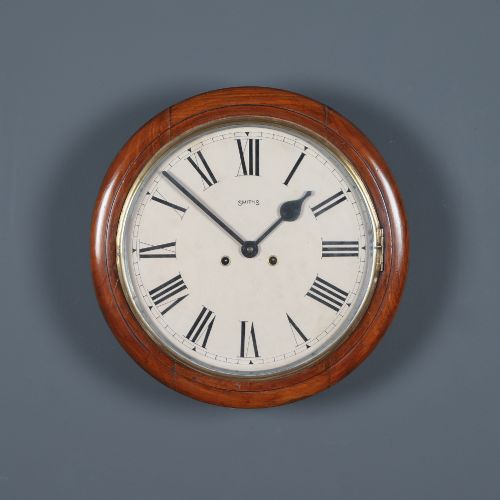
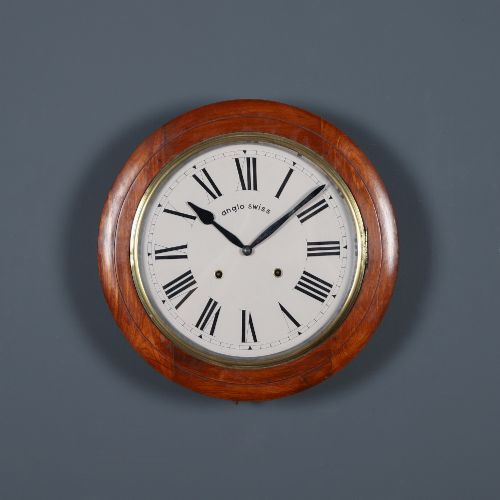
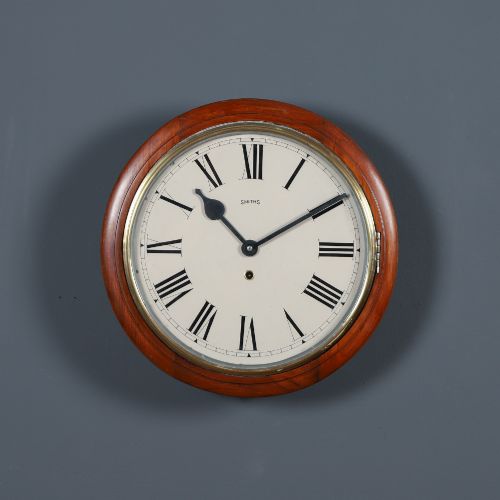
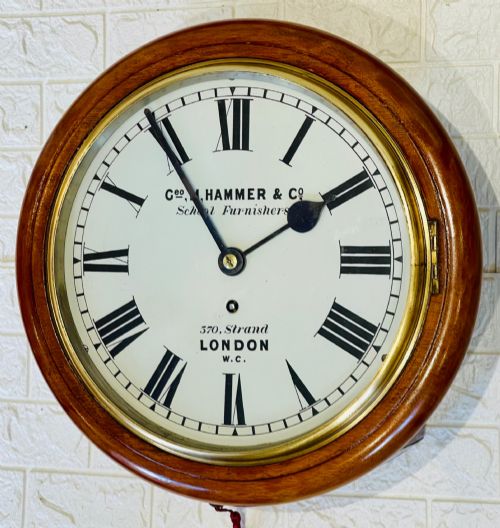
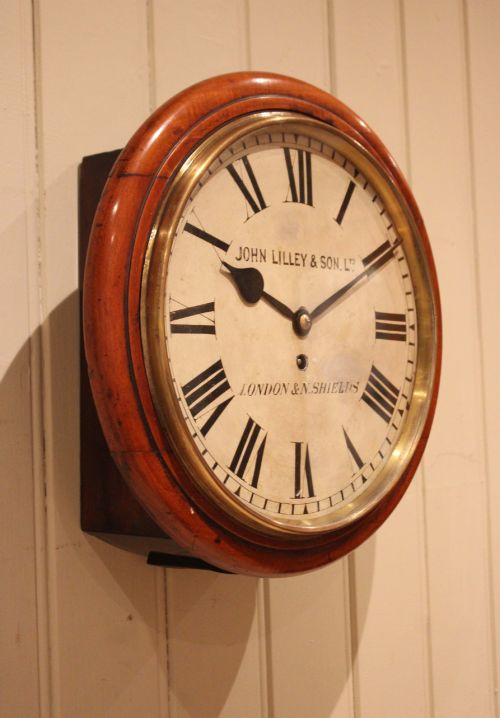
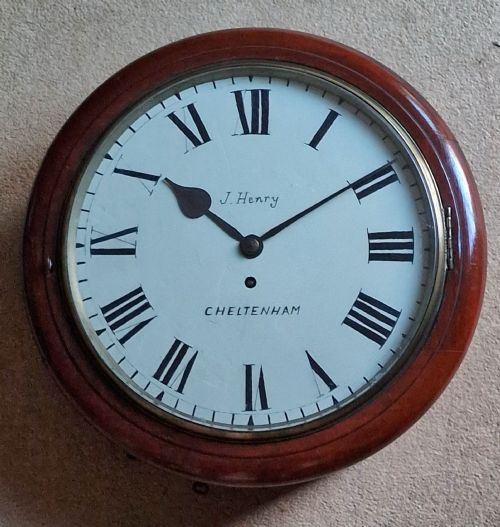
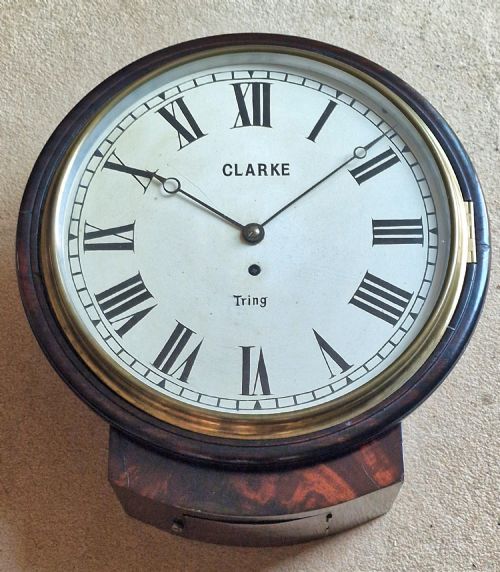
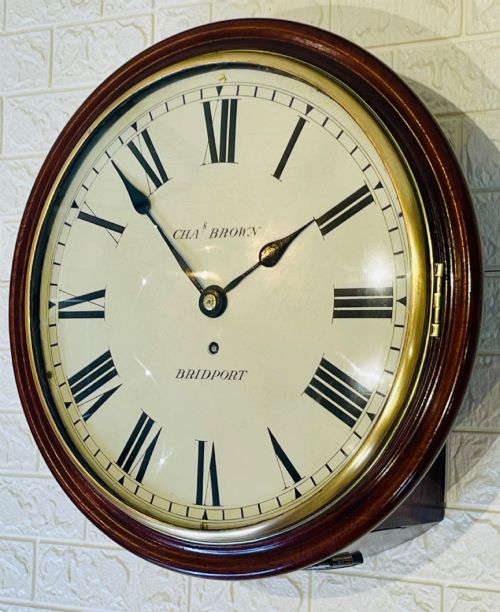
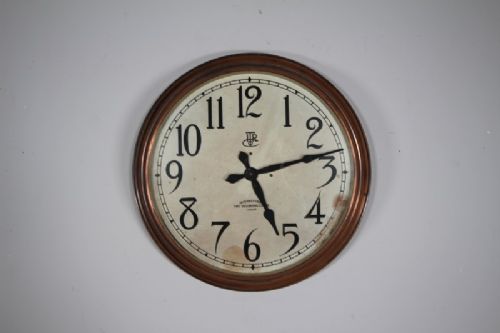
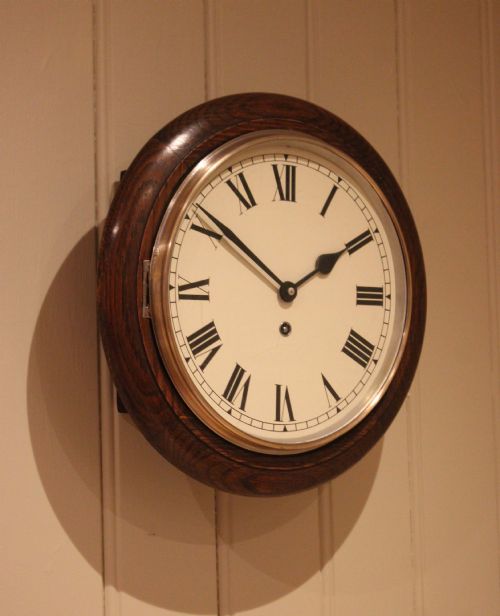
The most common versions on this page are railway station, school and factory wall clocks featuring large round dials. These pieces frequently span from smaller six-inch dials up to substantial twenty-inch examples housed in timber surrounds.
Originating from makers across London and regional towns, these timepieces reflect specific transport and municipal uses. Examples often bear railway company ciphers or regional town associations on their painted metal dials.
How they were made
Makers housed movements within cases turned or joined from dense timbers including mahogany, oak, beech and walnut. Glass protected the dial face while brass components governed the intricate gear trains.
Fusee movements and chain fusee mechanisms provided regulated power for accurate eight-day timekeeping. Dials were constructed from painted metal or enamel, featuring clear numerals designed for readability from a distance.
Antique Circular Clock Retail Price Guide 2026
Typical asking prices for circular clock among the pieces listed under this phrase on Sellingantiques today, from the lower quarter to the upper quarter. They describe what is for sale here now, not the wider market.
Listings feature oak, mahogany, brass and painted metal materials across Victorian, Georgian and twentieth-century periods.
What varies in quality
Quality depends on the crispness of the dial lettering and the precision of the movement, such as whether a fusee or lever escapement is employed. Superior examples retain original painted metal faces without excessive repainting.
Cabinetwork separates standard production from finer pieces, evident in the grain selection of the mahogany or oak housing and the neatness of the side access doors. Provenance and signed movements by known makers elevate the standing of a piece.
Richard Jones of Hereford·Elliott·Camerer Cuss and Co London·Smiths·J Henry Cheltenham·George Clarke Tring·Henry Harris Monythuslwyn·Thomas Hedge Colchester·John Walker·Dent of London·Engström by Zenith
The Antique Circular Clock Glossary
- Fusee
- A conical pulley used with a chain or cord to maintain even power as the mainspring unwinds. This mechanism improves timekeeping accuracy across the duration of the wind.
- Dial
- The face of the clock where the numbers and hands are displayed. On these pieces, dials are typically painted metal or enamel set behind glass.
- Escapement
- The mechanical linkage that controls the release of gear train power to the pendulum or balance wheel. Common types include lever and verge escapements.
- Timepiece
- A clock that indicates the time but does not strike the hours or chime. Many railway and office wall clocks were built as simple timepieces.
- Aneroid barometer
- An instrument that measures atmospheric pressure without using liquid. Certain Victorian wall pieces combine barometer dials with clock movements.
Antique Circular Clock: Frequently Asked Questions
How do I wind a fusee wall clock?
Open the side or bottom door of the wooden case to access the winding square on the dial. Insert the appropriate key and turn it gently until the chain or cord is fully wound.
Avoid over-winding the mechanism, as this can strain the mainspring or fusee chain. Ensure the pendulum hangs freely and ticks in an even beat before leaving the clock to run.
Where should I hang a large dial clock?
Select a sturdy interior wall capable of supporting the weight of a dense mahogany or oak case. Kitchens, hallways and living rooms provide stable environments away from direct dampness.
Mount the clock securely using appropriate wall fixings attached to the mounting ears or backboard. Keep the piece clear of direct heat sources to protect the wood and dial finish.
How can I tell a railway clock from a domestic one?
Railway and station clocks feature company initials such as GWR, LMS or L.N.E.R painted directly onto the dial or stamped on the case. They were built for legibility in public transport hubs.
Domestic wall clocks usually lack transport ciphers and often feature softer timber cases or decorative carving suited for home interiors.
What is the difference between a timepiece and a striking clock?
A timepiece simply measures and displays the hours and minutes without making any sound. These models contain simpler gear trains focused solely on tracking time accurately.
Striking clocks include an additional gear train and hammer mechanism that hits a bell or gong on the hour. Some variations also feature chiming capabilities for quarters.
How do I care for an antique clock movement?
Keep the clock stationary and level once mounted to ensure the pendulum swings without catching. Dust the glass and timber surfaces regularly with a dry cloth.
Arrange for a professional horologist to service the movement every few years to clean old oil and prevent wear. Avoid applying household lubricants to the gear train.