




Antique Chuval Face
An antique chuval face brings tribal wool craftsmanship into the home, offering striking medallion patterns from late nineteenth century weavers.
Antique Chuval Face
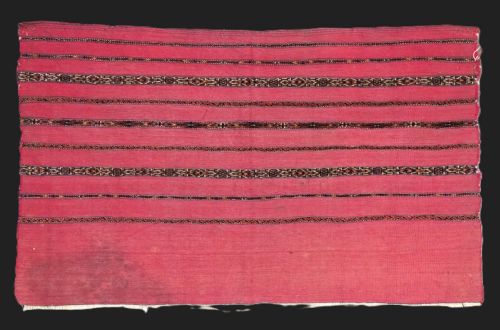
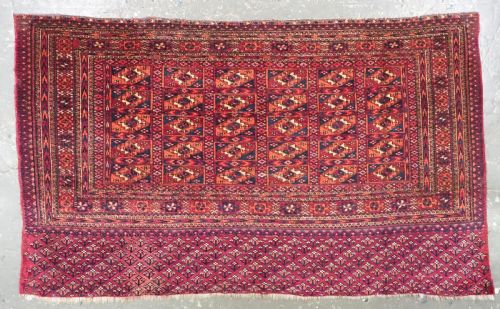
An antique chuval face represents the decorative front panel of a traditional Turkmen storage bag, originally used for bedding and household goods in nomadic tents. Buyers seeking these pieces encounter flatwoven textiles or pile rugs that formed the main face of the bag before being separated for display.
The selection ranges from pieces originating in the late nineteenth century to the early twentieth century, spanning decades of tribal weaving traditions. Most examples seen here belong to tribal groups such as the Tekke, Ersari, Beshir, Saryk, and Yomut Turkmen.
Makers utilised distinct formats, from smaller square panels to large formats incorporating repeating medallions. Each piece displays the characteristic design vocabulary of its specific tribal group.
How they were made
Weavers constructed these panels primarily in wool, sometimes introducing cotton and silk highlights to emphasise specific motifs. Certain examples also integrate cochineal highlights within the field colour to create distinct visual depth.
The production involved knotted pile construction or flatweaving techniques, executed with very fine weaves that allowed precise rendering of geometric motifs. Artisans arranged these textiles around structured layouts of primary and secondary elements.
Antique Chuval Face Retail Price Guide 2026
Typical asking prices for chuval face among the pieces listed under this phrase on Sellingantiques today, from the lower quarter to the upper quarter. They describe what is for sale here now, not the wider market.
Listings feature wool construction exclusively, spanning production dates from 1880 through to the early twentieth century.
What varies in quality
The density and fineness of the weave separate finer examples from standard production, reflecting the skill of the individual weaver. A tighter construction allows complex gul designs and minor ornaments to maintain sharp definition across the surface.
Unusual formats, scarce gul variations such as the aina or salor designs, and uncommon field colours elevate certain pieces above typical examples. The presence of silk highlights or alternative structural materials adds further distinction.
The Antique Chuval Face Glossary
- Chuval face
- The decorative front panel of a traditional Turkmen bedding bag. These textile fragments are collected and displayed as independent rugs.
- Gul
- A primary medallion motif repeated across Turkmen rugs and chuval faces. Different tribal groups developed their own distinctive forms of this motif.
- Aina gul
- A specific medallion design found on Turkmen weavings, often described as a mirror pattern. It appears on scarce formats from the nineteenth century.
- Salor gul
- A major octagonal medallion motif associated with Salor tribal weaving traditions. It is frequently adopted or referenced by other Turkmen groups.
- Ersari
- A major Turkmen tribal group known for producing varied chuval face designs. Their work often incorporates large guls or tree elements.
Antique Chuval Face: Frequently Asked Questions
What is an antique chuval face used for?
These pieces served as the decorative fronts of large storage sacks used by nomadic families for bedding and possessions inside a yurt.
Today, collectors mount them on walls or display them as small floor rugs to showcase their geometric tribal patterns.
How do you identify a Tekke chuval face?
Tekke examples typically display precise repeating octagonal guls arranged in strict rows across the wool field. They often feature fine knotting and characteristic minor ornament designs.
Examining the specific gul shape and secondary motifs helps distinguish Tekke pieces from Ersari or Yomut work.
What materials are used in these textiles?
Traditional pieces are made primarily from wool, utilising hand-spun yarns for both the foundation and the pile. Some examples incorporate silk or cotton highlights and cochineal dyes.
These natural materials contribute to the durability and texture seen in nineteenth century tribal weaving.
How old are these pieces typically?
Most examples date from the second half of the nineteenth century through to the early twentieth century. Weavers produced them during the traditional period of nomadic tribal life in Central Asia.
Dates are estimated based on structural characteristics, dye types, and design style.
Can these textile panels be placed on the floor?
While originally part of functional storage bags, surviving faces are frequently used as small decorative rugs or wall hangings. Their durable wool construction suits areas with light foot traffic.
Many collectors prefer wall mounting to preserve the fine pile and historical integrity of the piece.