



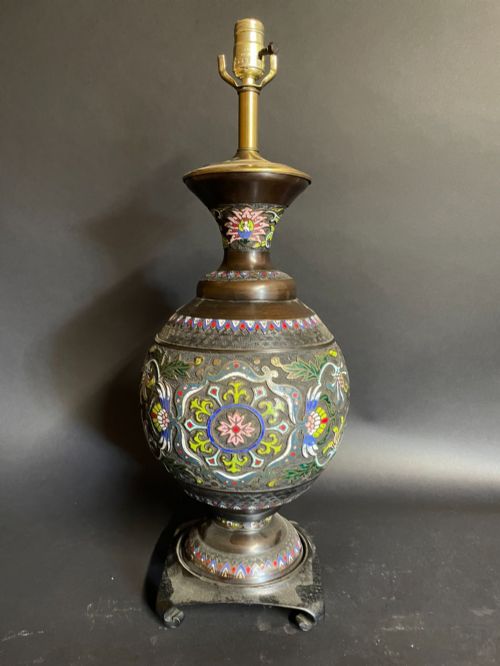

Antique Chinese Enamel Urns
These antique chinese enamel urns bring vibrant metalwork and hand-painted porcelain into a room through centuries of skilled craftsmanship.
Antique Chinese Enamel Urns
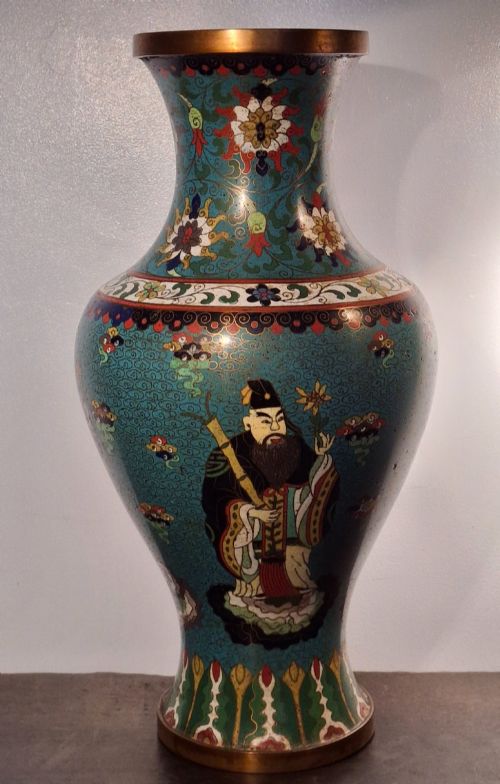
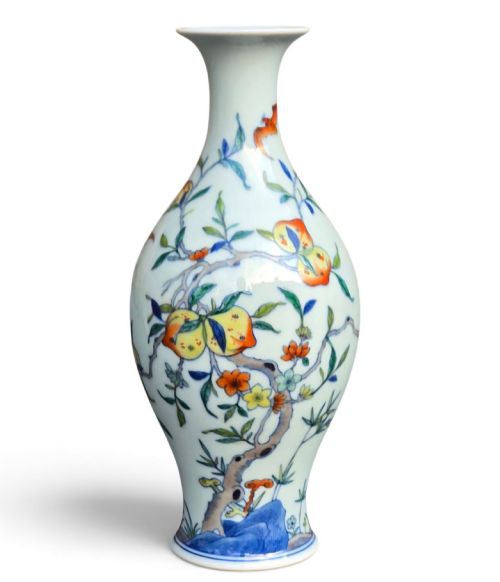
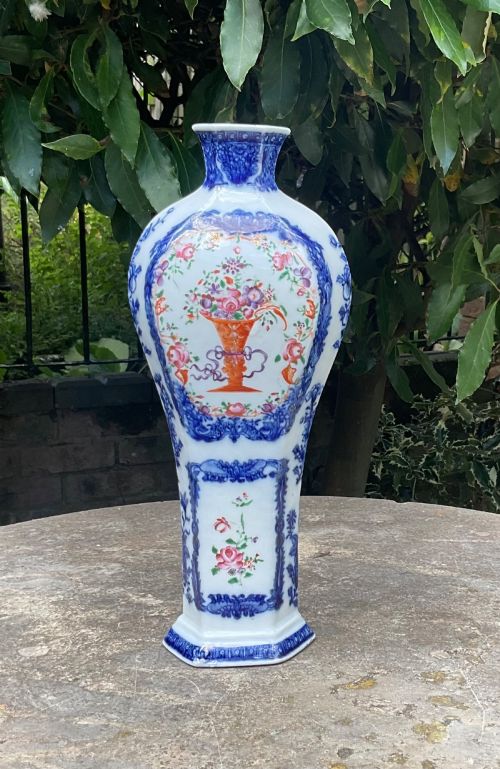
When searching for antique chinese enamel urns, collectors encounter a diverse selection of vessels spanning the nineteenth century through the early twentieth century. The forms range from ginger jars and cachepots to censers, temple vases, and lidded vessels produced during the Qing Dynasty and the Chinese Republic Period.
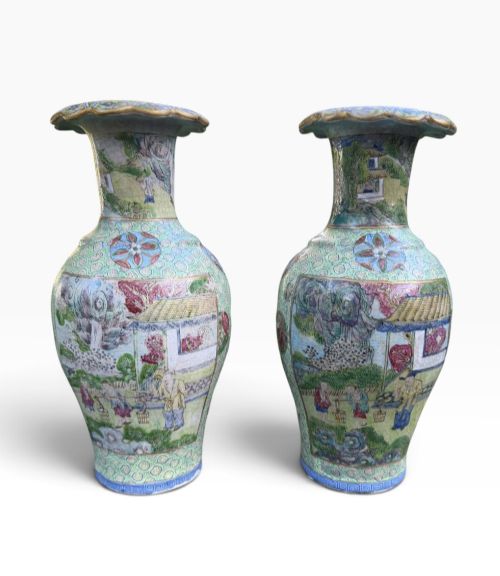
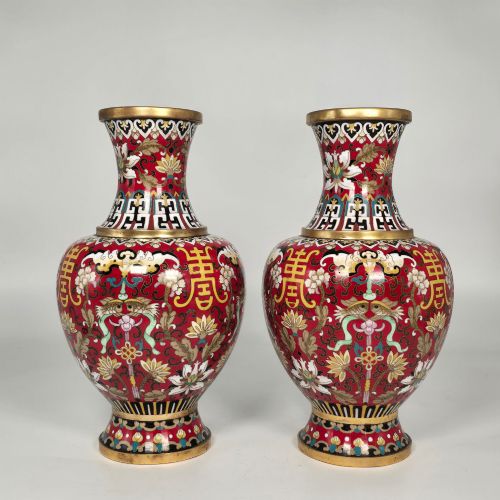
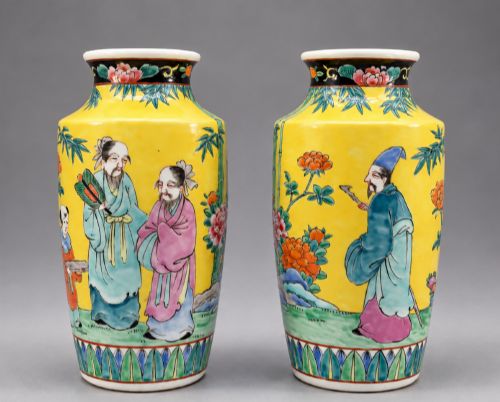
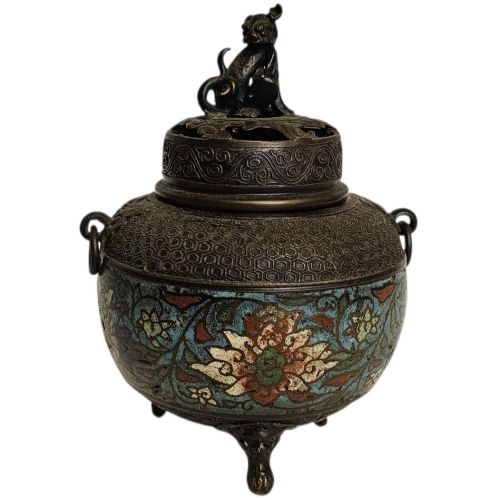
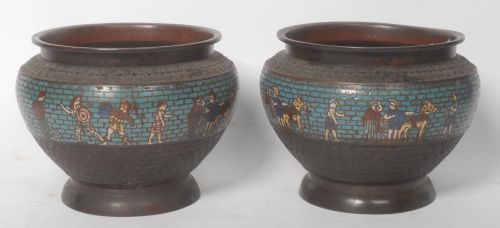
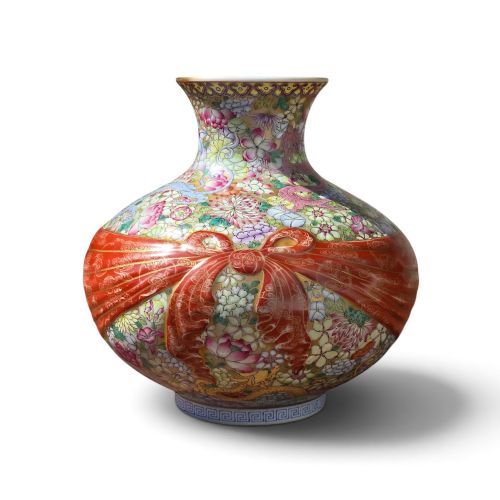
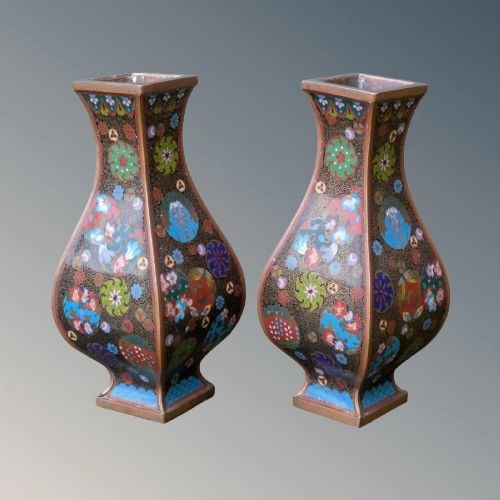
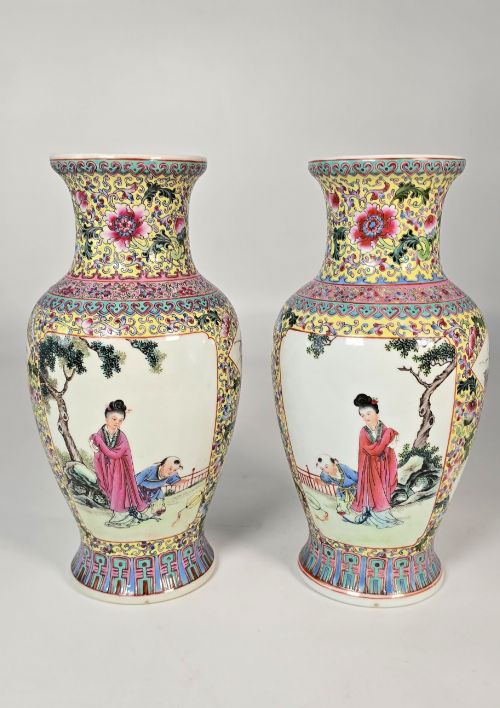
The objects most frequently met on this page include bronze and brass vessels decorated with intricate cloisonne or champleve enamel work, alongside porcelain ginger jars and vases featuring hand-painted famille rose motifs. Many of these pieces originate from traditional export centres and imperial workshops, reflecting distinct periods such as the Guangxu reign and later transitional phases.
Buyers also find pairs of floor vases, moon flasks, and table lamps converted from earlier receptacles, demonstrating how these ornamental objects adapted to Western interiors over time. Each piece carries the stylistic markers of its specific decade, from Victorian and Edwardian imports to genuine late Qing items.
Materials and construction
The manufacturing process relies heavily on metal bases formed from bronze, brass, or copper, which provide the structural weight and rigidity for decorative surface treatments. Artisans soldered thin metal wires to these metallic bodies to create partitioned cells, a technique fundamental to cloisonne work.
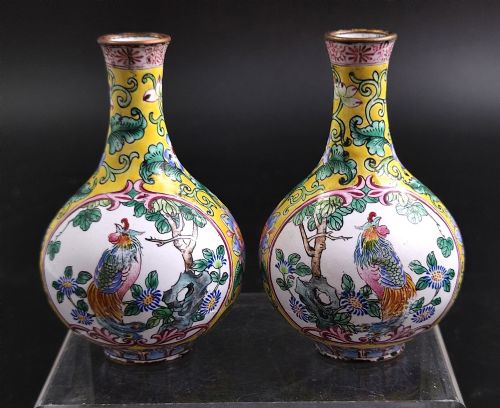
Coloured glass pastes filled these defined compartments before the vessels underwent high-temperature firing and extensive polishing to achieve a smooth finish. Alternatively, ceramic pieces utilised porcelain clay bodies painted with mineral pigments, including iron-red and famille rose enamels, often enhanced with gold leaf accents.
Antique Chinese Enamel Urns Retail Price Guide 2026
Typical asking prices for chinese enamel urns among the pieces listed under this phrase on Sellingantiques today, from the lower quarter to the upper quarter. They describe what is for sale here now, not the wider market.
The listings on this page span the 19th Century, Edwardian era, and the 1920s, combining bronze, copper, porcelain, and cloisonne enamel.
Distinctions in execution
Quality in these vessels rests on the precision of the wirework and the density of the enamel fill within each partitioned cell. Finer examples display immaculate soldering without surface pitting, whereas simpler productions show minor irregularities in the vitreous paste.
On the ceramic side, the refinement of the hand-painted detailing dictates the tier of the piece, with delicate brushwork on bird, flower, and figural scenes distinguishing masterwork items from commercial export wares.
Jingdezhen
The Antique Chinese Enamel Urns Glossary
- Cloisonne enamel
- A metalworking technique where thin flat wires are soldered to a base to form compartments filled with coloured paste and fired. This method creates a patterned mosaic of vitreous colour across bronze or brass surfaces.
- Champleve enamel
- A process where troughs or cavities are cast or gouged directly into a metal surface to hold enamel paste before firing. The surrounding metal remains visible as thick raised outlines separating the coloured areas.
- Famille rose
- A palette of opaque enamel colours dominated by pink or rose hues, introduced to Chinese ceramics during the Qing Dynasty. This style allowed for subtle tonal gradations in painted floral and figural compositions.
- Censer
- A vessel designed for burning incense during ritual or domestic activities, frequently supported on tripod feet with a fitted cover. These ritual objects often feature twin handles and animal-form finials like Qilin lions.
- Cachepot
- An ornamental flowerpot cover designed to hold a plant container without a drainage hole in the base. These ceramic or metal vessels protect furniture surfaces from moisture.
Antique Chinese Enamel Urns: Frequently Asked Questions
How were antique chinese enamel urns used?
These vessels served primarily as decorative display items within imperial palaces, scholars' studios, and wealthy merchant households. Many functioned as containers for ginger, incense burners for rituals, or ornamental cachepots for indoor plants.
Over subsequent decades, Western buyers repurposed several of these receptacles into table lamps by drilling the bases for electrical wiring. Their striking visual presence made them focal points in Victorian and Edwardian reception rooms.
How do I tell Qing Dynasty pieces apart?
Distinguishing Qing period items involves examining the weight of the bronze body, the depth of the enamel colours, and the presence of reign marks. Earlier nineteenth-century examples tend to feature heavier cast-bronze foundations and denser cloisonne wirework.
Later pieces from the transition to the Republic Period often adopt lighter metals and brighter, more varied enamel palettes. Comparing the fineness of hand-painted details provides further clarity on the production date.
What is the difference between cloisonne and champleve?
Cloisonne construction uses thin metal wires soldered onto the exterior of a bronze or brass vessel to form raised walls that retain the coloured glass paste. Each tiny cell is individually filled and polished flush with the wire borders.
Champleve involves carving or casting the troughs directly into the thick metal body itself rather than attaching separate wires. This technique leaves broader metal boundaries visible between the sunken fields of enamel.
How do I care for antique enamel urns?
Maintaining these objects requires gentle dusting with a soft, dry cloth to prevent abrasive particles from scratching the delicate glass surfaces. Avoid using chemical cleaners, water baths, or polishing compounds that could damage exposed bronze or fragile wire partitions.
Position the vessels away from direct sunlight and extreme temperature fluctuations to protect the vitreous enamel and any applied gold leaf details over time.