


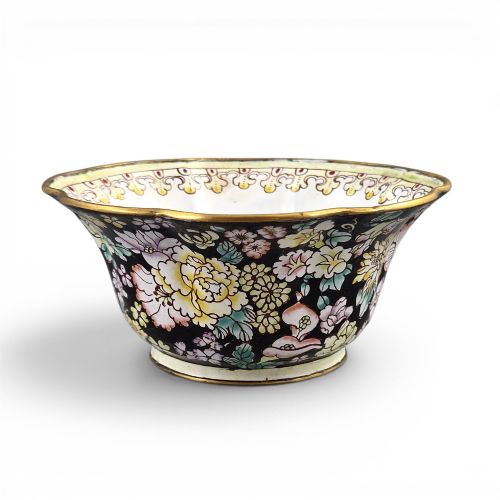


Chinese Enamelware Vessels
Chinese enamelware vessels bring vibrant colour and intricate metalwork to a room, offering centuries of artistry in a single decorative form.
Chinese Enamelware Vessels
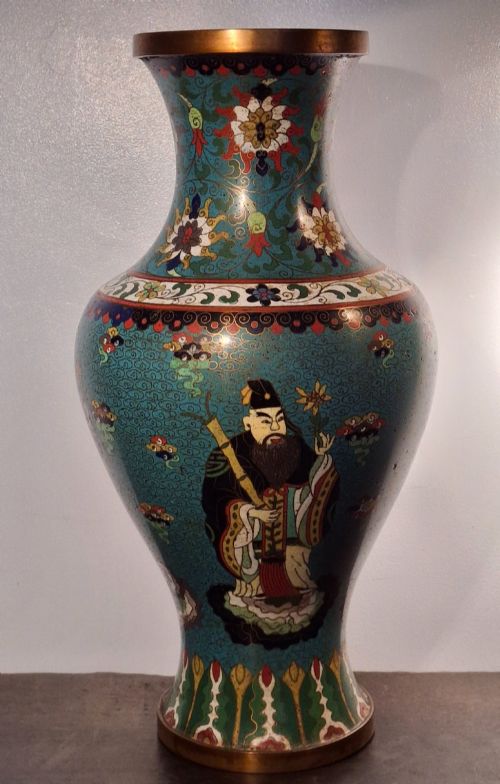
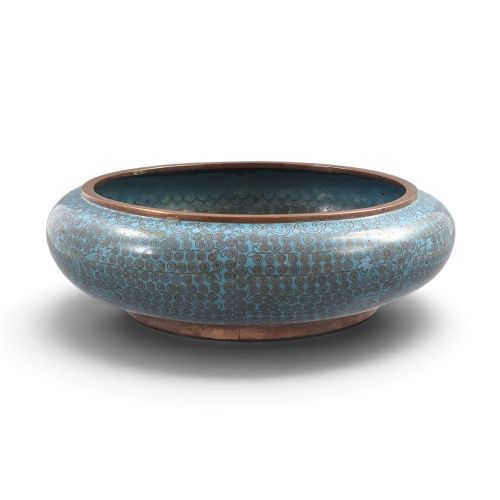
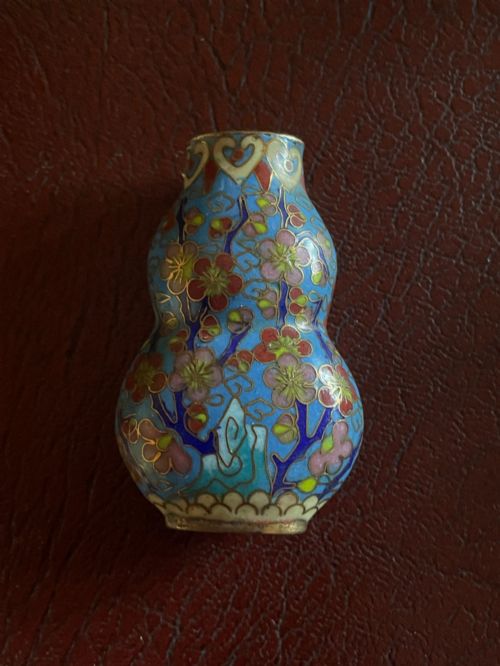
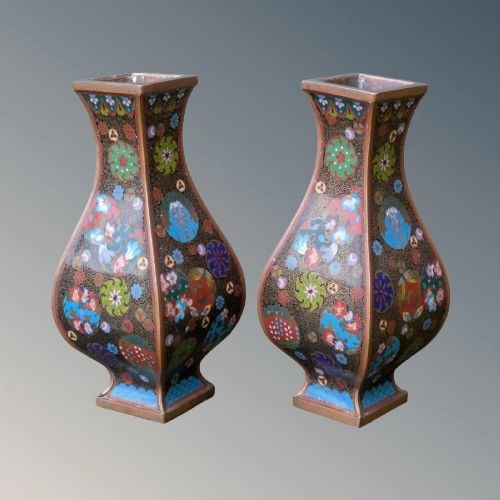
Chinese enamelware vessels comprise vases, bowls, teapots, and brush washers created across the nineteenth and twentieth centuries. These pieces display distinct influences from the Qing Dynasty and Chinese Export Decorative Art traditions, alongside traditional Asian antique forms. Buyers encounter various decorative vessels shaped by historical manufacturing methods and enduring aesthetic styles.
The selection on this page centres on items originating from periods such as the nineteenth century, the Edwardian era, and the early decades of the twentieth century. Vases dominate the available forms, accompanied by decorative bowls, stem cups, ewes, and tea pots. Many items reflect Beijing craftsmanship or the detailed output of the Guangxu period.
Choosing a piece involves looking at how these objects fit into a modern interior as decorative accents. The vibrant surfaces bring historical depth and rich palettes to a tabletop or mantelpiece. Each vessel carries the distinct visual language of its period of origin, from Qing Dynasty expressions to later export pieces.
Materials and Techniques
Makers formed the foundational structure of these vessels using copper, brass, bronze, or gilt metal. Artisans shaped these metal alloys into intricate forms before applying the decorative surface layers. The underlying metal provides both structural weight and a durable base for the subsequent enamelling process.
Cloisonné enamel stands out as the primary technique, where thin wire strips create cells to hold coloured enamel pastes. Artisans also utilised painted enamel on copper and champlevé methods to achieve varied surface textures and pictorial details. Gold leaf and gilt bronze accents frequently highlight specific design elements across the vessels.
Chinese Enamelware Vessels Retail Price Guide 2026
Typical asking prices for chinese enamelware vessels among the pieces listed under this phrase on Sellingantiques today, from the lower quarter to the upper quarter. They describe what is for sale here now, not the wider market.
Certain vessels feature tiny metal wire outlines that map out entire menageries of enamel ewes before breakfast.
Evaluating Quality
Quality rests in the precision of the metalwork and the control of the enamel during firing. Finer pieces demonstrate exact wire placement in cloisonné work and smooth, even surfaces without excessive pitting or cloudiness. The clarity of the colour palette and the crispness of the gilt details distinguish superior examples from standard production.
The weight and balance of the vessel also indicate the care taken during construction. Stronger foundational metal and meticulous finishing separate exceptional scholar's objects and vases from simpler decorative wares.
The Chinese Enamelware Vessels Glossary
- Cloisonné
- A decorative technique where metal wires are soldered to a metal base to create compartments filled with enamel paste. This method produces intricate patterns defined by thin metal outlines.
- Champlevé
- An enamelling method where troughs or cells are carved directly into the metal surface to receive the enamel. The remaining metal forms the raised lines of the design.
- Guangxu Period
- A reign within the Qing Dynasty lasting from 1875 to 1908. Pieces from this time often exhibit refined painted enamel and cloisonné work.
- Brush Washer
- A scholar's vessel designed for cleaning calligraphy brushes in traditional studies. These items frequently feature specialised basin forms.
Chinese Enamelware Vessels: Frequently Asked Questions
What is cloisonne enamel?
Cloisonne enamel is a decorative metalwork technique involving wire cells soldered onto a bronze or copper base. Artisans fill these compartments with coloured glass paste before firing the piece.
After firing, the surface is ground and polished to create a smooth finish where the metal wires outline every colour section.
How do I clean an antique enamel vase?
Clean these vessels using a soft, dry microfiber cloth to remove dust from the surface. Avoid liquid cleaners, chemical polishes, or abrasive materials that might damage the delicate metal wires or enamel.
Keep the pieces out of direct sunlight to protect the colours from fading over time.
Where were these vessels made?
These pieces originated in China, with notable production centred in Beijing during the Qing Dynasty and later export periods. Workshops produced various forms ranging from scholar's items to large decorative vases.
Export wares were tailored for international markets while retaining traditional Chinese manufacturing techniques.
How do I date a Chinese enamel vessel?
Dating relies on examining the specific metal alloys, the style of the enamel work, and any period characteristics. Nineteenth-century pieces often display heavier bronze or brass bases with traditional wiring.
Twentieth-century examples may show different manufacturing precision and brighter synthetic colour palettes.