






Oriental Cloisonne Vase Pair
Oriental cloisonne vase pair selections combine metal wires and coloured enamel to create symmetrical decorative companions for your interior.
Oriental Cloisonne Vase Pair
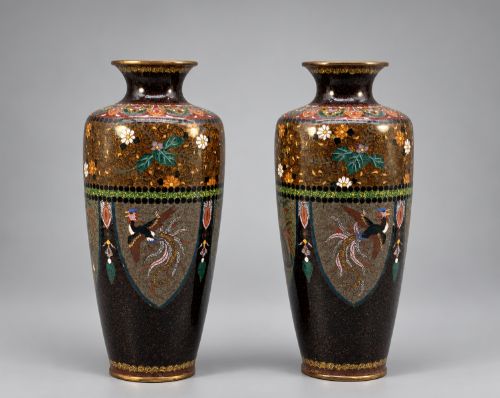
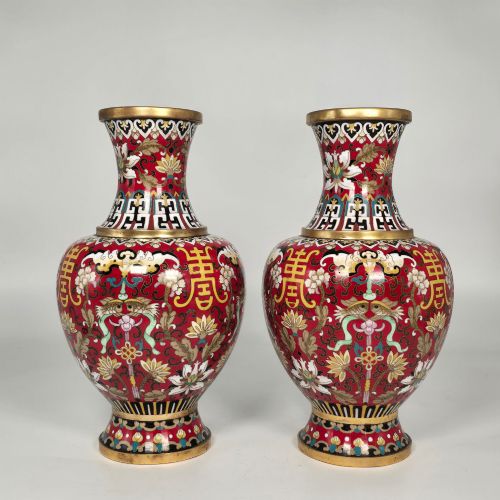
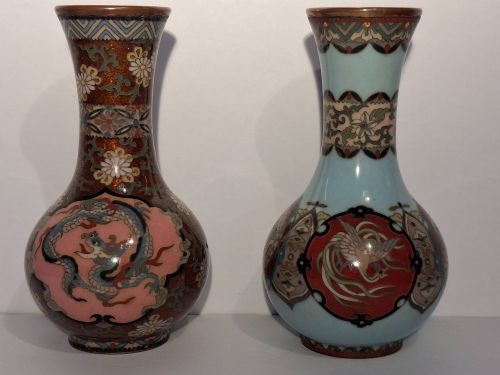
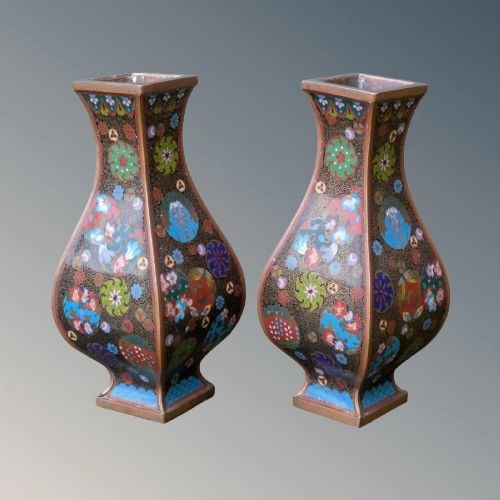
An oriental cloisonne vase pair consists of two matching vessels decorated using soldered metal wires to create cells that hold coloured enamel pastes. Buyers seeking this phrase encounter matched counterparts originating from Chinese and Japanese workshops across the nineteenth and early twentieth centuries.
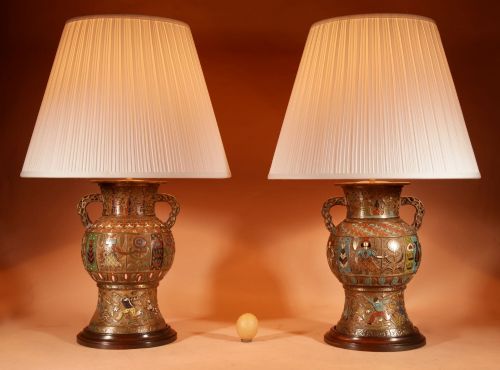
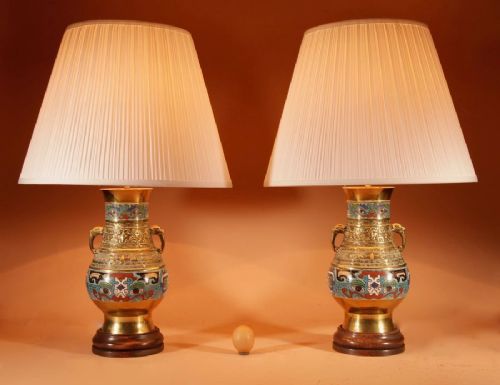
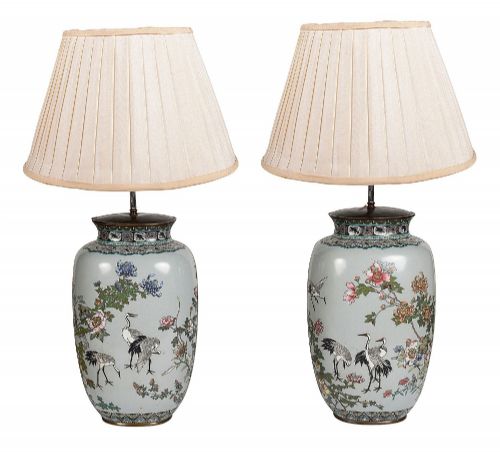
The selections span standard display vessels, lidded ginger jars, and large palace forms, alongside pieces later adapted into table lamps with ormolu or wooden mounts. Most examples date from the nineteenth century and the Meiji or Qing periods, showing diverse floral, bird, and geometric motifs.
Vessels range from miniature cabinet items to massive floor-standing pieces. The matching aspect remains central to the appeal, as balanced pairs were designed symmetrically for mantelpieces, sideboards, or large furniture arrangements.
Materials and construction methods
Artisans formed the body of each vessel using copper, brass, or bronze as a durable base metal foundation. Thin flat wires of copper or bronze were then bent and soldered onto the exterior surface to outline intricate decorative compartments.
These individual cells were filled with vitreous enamel pastes made from ground coloured glass and mineral pigments. The pieces underwent successive firings in a kiln, followed by extensive polishing until the metal wire rims and hardened enamel surfaces became completely flush.
Oriental Cloisonne Vase Pair Retail Price Guide 2026
Typical asking prices for oriental cloisonne vase pair among the pieces listed under this phrase on Sellingantiques today, from the lower quarter to the upper quarter. They describe what is for sale here now, not the wider market.
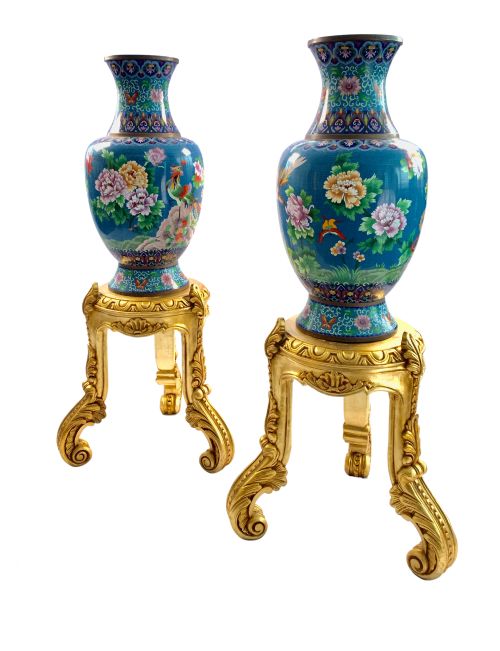
Some massive palace jars stand tall enough to double as floor ornaments while quietly housing modern electrical lamp fittings.
Factors influencing execution and grade
Quality depends upon the precision and thinness of the wirework, where finer, tighter soldering creates sharper and more complex pictorial details. The neatness of the enamel fill also matters, distinguishing smooth polished finishes from pitted or uneven surfaces.
The weight and stability of the underlying bronze, brass, or copper body contribute to overall substance. Additionally, the complexity of the colour palette and the symmetry between the two paired vessels determine the relative execution standard.
The Oriental Cloisonne Vase Pair Glossary
- Cloisonne Enamel
- A decorative metalwork technique where thin wires form raised cells filled with coloured glass paste and fired. This method creates the signature tiled pattern found across the surface of the vessels.
- Champleve
- An enamel technique where troughs or cavities are gouged directly into the thick metal plate rather than building soldered wire cells. It appears on several associated brass and bronze lamp bases.
- Meiji Period
- The era of Japanese history spanning from 1868 to 1912, noted for significant export craft production. Many fine symmetrical vessels originate from this precise span.
- Qing Dynasty
- The final imperial dynasty of China, lasting from 1644 until 1912. Pieces attributed to this imperial and export era display traditional Chinese decorative motifs.
- Ormolu
- Gilded bronze mounts applied to furniture and decorative objects. Several vessels feature these decorative metal mounts adapted for lighting.
Oriental Cloisonne Vase Pair: Frequently Asked Questions
How are these matched vessels displayed?
Matched vessels sit symmetrically on either side of a fireplace, sideboard, or central table to create visual balance in a room. Many owners place them on wooden stands to elevate the display.
Some examples arrive fitted as table lamps with electrical wiring and fabric shades, serving a practical lighting function while retaining their original decorative metal bodies.
What materials make up these objects?
The structural body typically consists of copper, brass, or bronze, providing a sturdy foundation for the exterior decoration. Fine metal wires are soldered to this base to form compartments for the coloured enamel.
Additional materials include wooden bases, fabric lamp components, and gilt bronze or ormolu mounts added during later adaptations.
How do Chinese and Japanese styles differ?
Chinese pieces often feature heavy bronze or brass foundations with dense floral and traditional symbolic motifs executed in rich, deep enamel tones. Qing period examples frequently emphasise formal symmetry and classical palettes.
Japanese Meiji period items often display exceptionally fine, delicate wirework and naturalistic subjects such as birds and flowers. The overall aesthetic tends toward meticulous detail and refined surface polishing.
Are these items waterproof for fresh flowers?
These decorative vessels are primarily constructed for display rather than holding water for cut plants. The internal metal seams and enamel linings can be sensitive to prolonged moisture exposure.
Using them dry protects the interior metal and prevents any potential damage to the historical enamel work and soldered wire joints.