








Chinese Cloisonne Enamel Vases
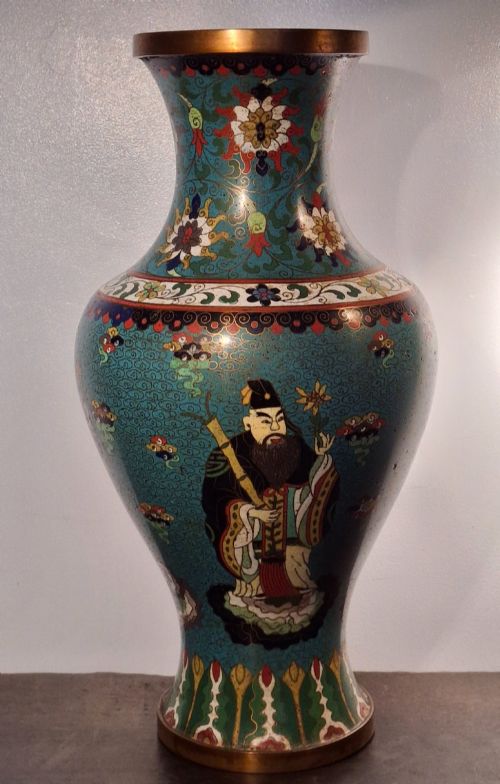
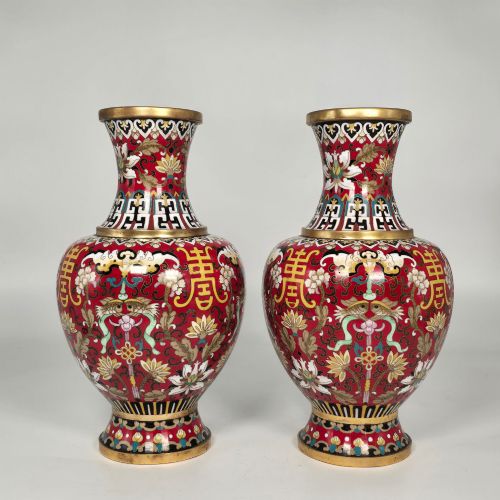
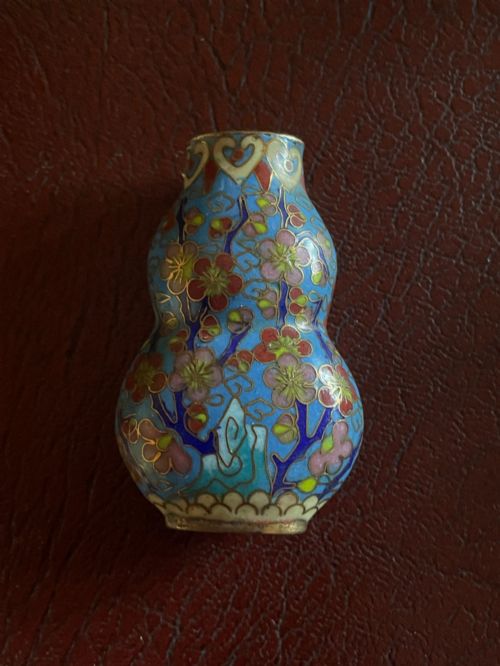
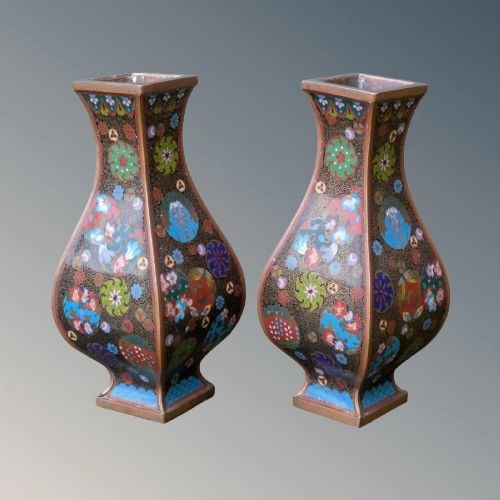
These chinese cloisonne enamel vases are striking decorative vessels that bring rich colour and intricate wirework to any interior.
Chinese Cloisonne Enamel Vases
When you search for chinese cloisonne enamel vases, you encounter decorative vessels fashioned from metal and vibrant coloured glass pastes. The selections on this page span the nineteenth century through the early twentieth century, including Edwardian examples and pieces from the nineteen twenties and thirties.
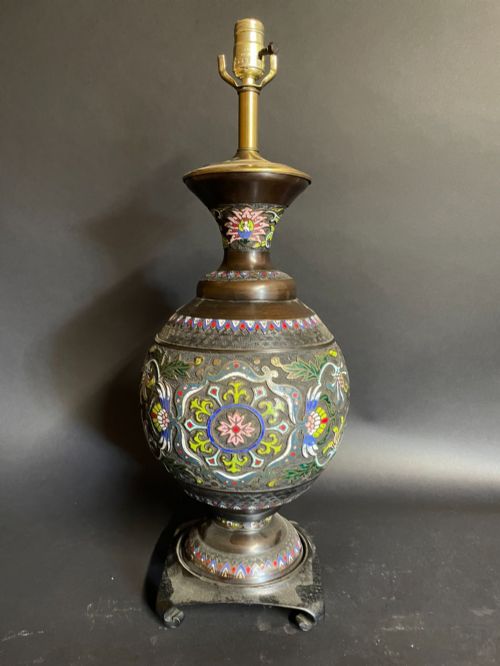
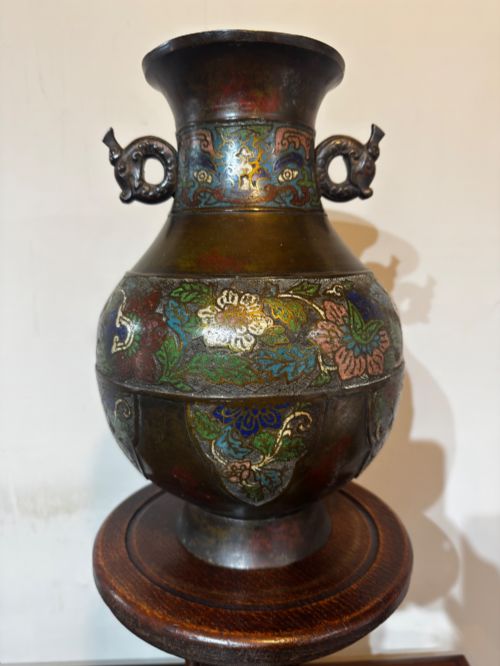
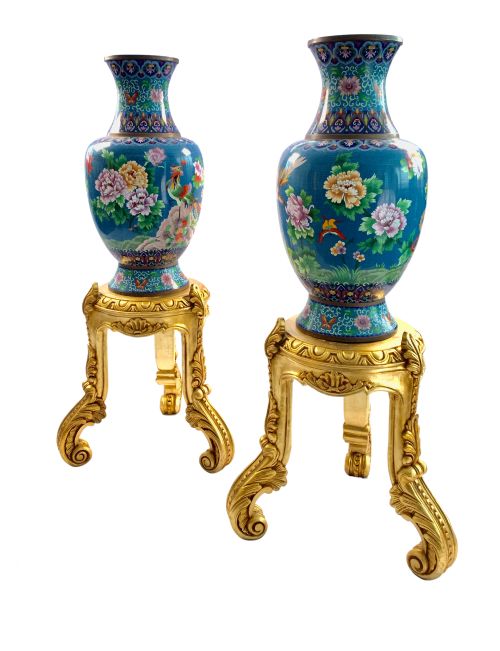
You meet a variety of forms within these listings, ranging from miniature vessels and lidded jars to large display pieces and pairs adapted as table lamps. The designs often reflect Qing dynasty aesthetics and Chinese export styles, alongside champleve bronze variants.
How they were made
These pieces are constructed using metal bases such as copper, brass, bronze, and gilt metal, which form the structural body of the vessel. Artisans solder delicate flat metal wires onto the surface to create cellular compartments, known as cloisons, that outline the decorative motifs.
The created cells are subsequently filled with coloured enamel pastes and fired at high temperatures to fuse the glass to the metal foundation. Final grinding and polishing steps smooth the surface so the metallic wirework remains flush with the hardened enamel fields.
Chinese Cloisonne Enamel Vases Retail Price Guide 2026
Typical asking prices for chinese cloisonne enamel vases among the pieces listed under this phrase on Sellingantiques today, from the lower quarter to the upper quarter. They describe what is for sale here now, not the wider market.
Several of these decorative vessels spent their second act quietly holding up lampshades in Victorian parlours before finding their way here.
What varies in quality
The refinement of the wirework defines the visual clarity of the pattern, with finer, more regular soldered lines separating superior examples from simpler work. The complexity of the palette and the evenness of the fired enamel fill also indicate the level of craftsmanship involved.
Mountings and secondary materials elevate certain pieces, particularly those finished with gilt bronze or ormolu mounts, or those paired as matching sets. The structural integrity of the metal body and the preservation of the polished enamel surface further distinguish better specimens.
The Chinese Cloisonne Enamel Vases Glossary
- Cloisonne
- An enamelling technique where metal wire is soldered to a metal base to form cells that hold coloured glass paste. This method produces intricate patterned surfaces defined by thin metallic outlines.
- Champleve
- An enamelling technique where troughs or cavities are gouged into a metal surface to hold the enamel paste before firing. Unlike cloisonne, the design is carved directly into the substrate rather than built up with soldered wire.
- Gilt bronze
- Bronze metal that has been coated with a thin layer of gold to give a rich, metallic sheen. This material appears frequently in finer mounts and vessel bases.
- Ormolu
- Finely ground high-carat gold mercury-gilded to a bronze object. It provides a bright golden finish often utilised for decorative mounts on nineteenth-century pieces.
- Qing Dynasty
- The final imperial dynasty of China, lasting from sixteen forty-four to nineteen twelve. Its artistic output heavily influences the styles and motifs seen in later export wares.
Chinese Cloisonne Enamel Vases: Frequently Asked Questions
How do I care for these vases?
Dust the surface gently with a soft, dry cloth to prevent any buildup within the wire channels. Avoid using harsh chemical cleaners or abrasive materials that might scratch the polished enamel.
Keep the vessels away from direct sunlight and areas of high moisture to protect both the metal foundation and the fired glass paste over time.
Were these vases originally made as lamps?
Many examples from the late nineteenth and early twentieth centuries were later converted into table lamps to suit modern domestic lighting needs. Some retain their original vessel form while others feature drilled bases or fitted hardware.
Examining the underside and the mountings helps determine whether the conversion was done recently or incorporated during the period of use.
What is the difference between cloisonne and champleve?
Cloisonne relies on thin metal wires soldered onto the surface of a vessel to create raised walls that separate the coloured enamels. This creates a detailed, graphic outline across the entire design.
Champleve involves carving or sinking the design directly into a bronze base to form recessed troughs that are then filled with enamel. The resulting texture shows thicker metal boundaries surrounding the coloured fields.
How can I date these pieces?
Dating relies on examining the metal composition, the palette of the enamel, and the manufacturing characteristics visible on the base and interior. Nineteenth-century examples often display heavier bronze or brass bodies with distinct patination.
Twentieth-century pieces, including Edwardian and nineteen-twenties productions, sometimes incorporate brighter, more uniform colour runs and lighter mountings consistent with export manufacturing.