

Antique Chinese Dish
An antique chinese dish brings centuries of painted cobalt, enamelled palettes and metalwork into domestic spaces, prized for both craft and history.
Antique Chinese Dish
An antique chinese dish encompasses utilitarian vessels, deep chargers, shallow plates and small brush washers created across dynasties ranging from the Ming period through the Qing dynasty and into the early twentieth century.
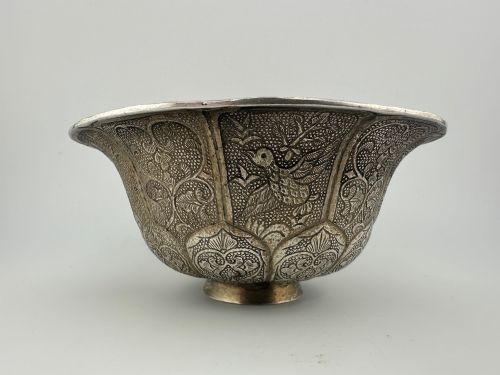
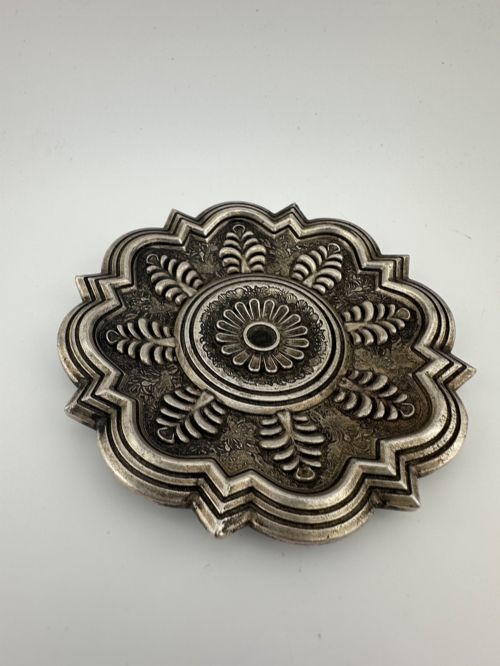
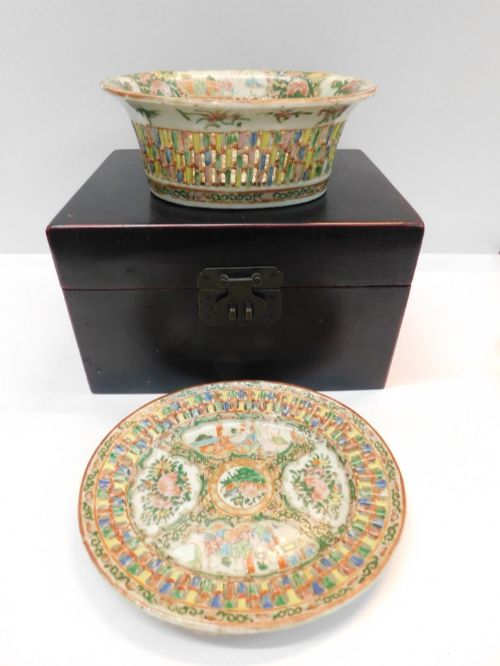
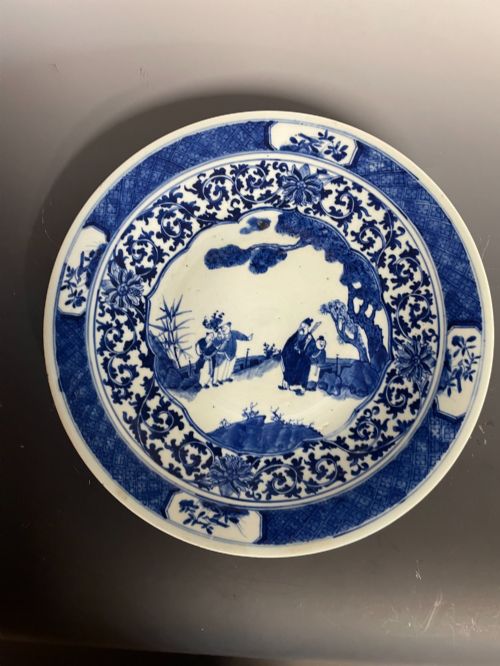
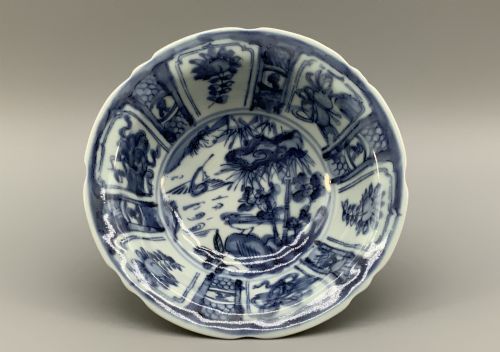
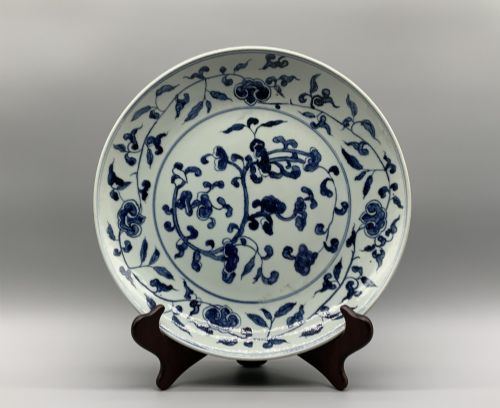
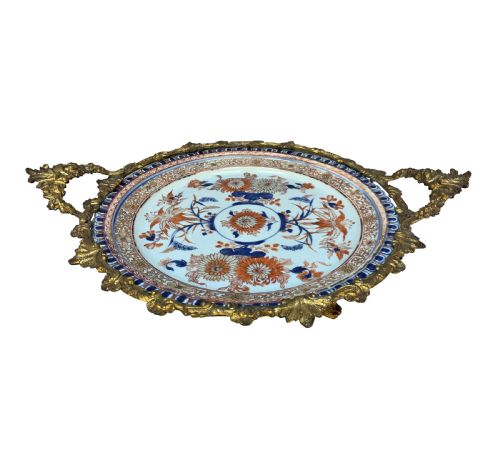
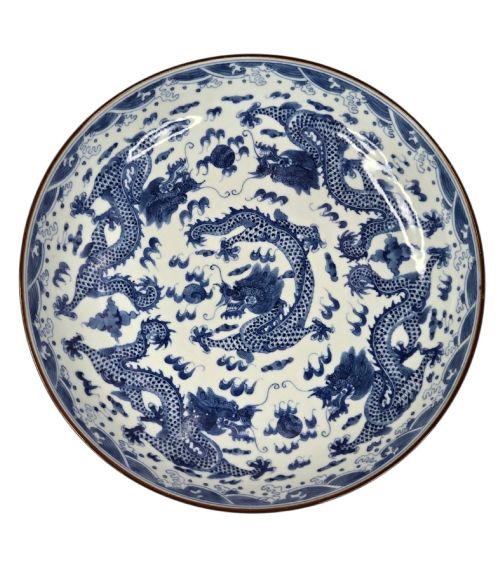
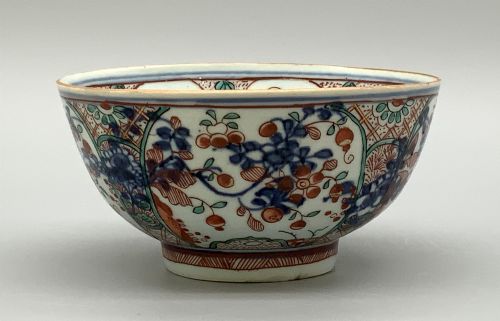
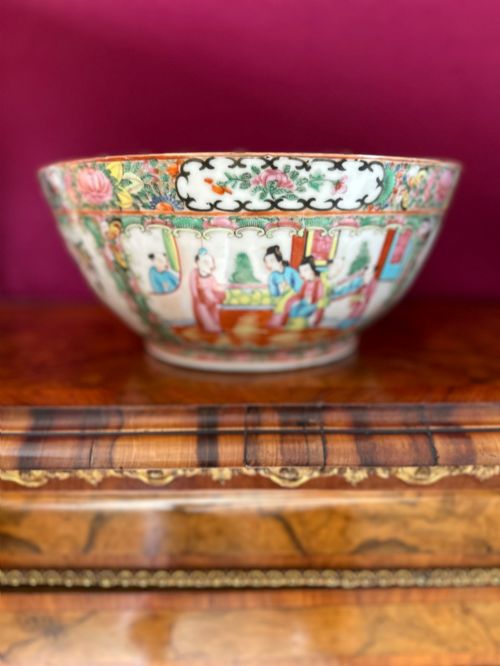
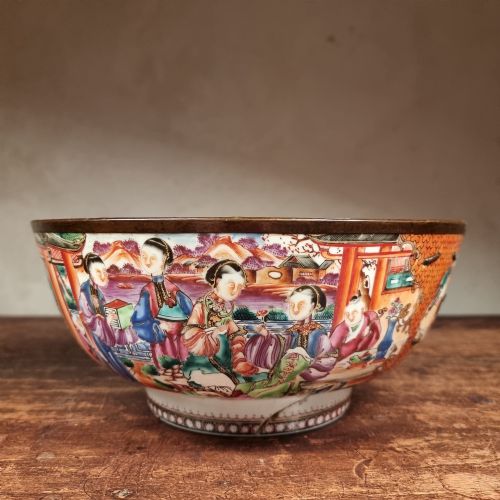
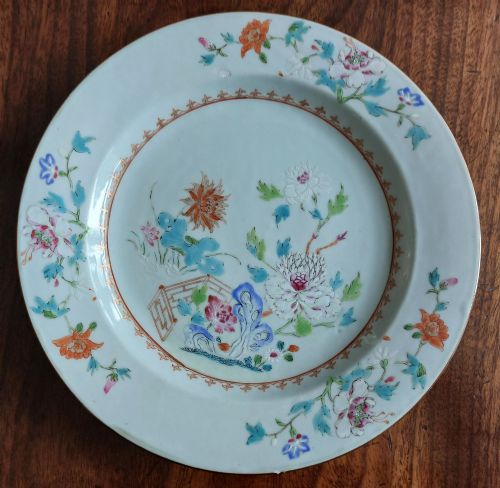
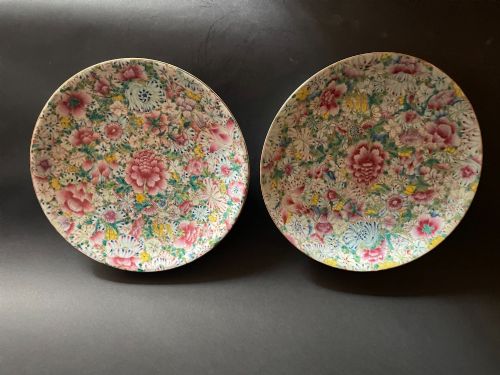
The objects on this page include porcelain specimens decorated with cobalt blue, famille rose and imari palettes, alongside metalwork items shaped from white metal, sterling silver and brass.
Buyers encounter forms spanning lobed bowls, platters and coin dishes, reflecting both domestic Chinese consumption and pieces made specifically for export to Western markets.
How they were made
Potters shaped ceramic pieces from fine clay bodies, applying underglaze cobalt or painted enamels before high-temperature firing to achieve durable vitrified surfaces.
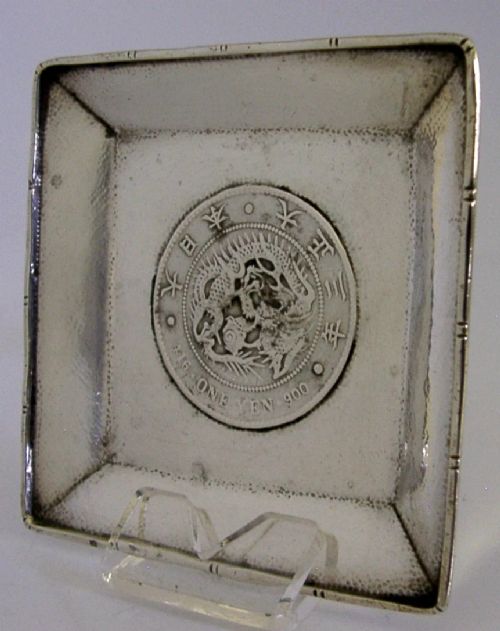
Metal vessels utilised hand-beating and casting techniques in brass and sterling silver, sometimes incorporating inset coins or delicate pierced wirework.
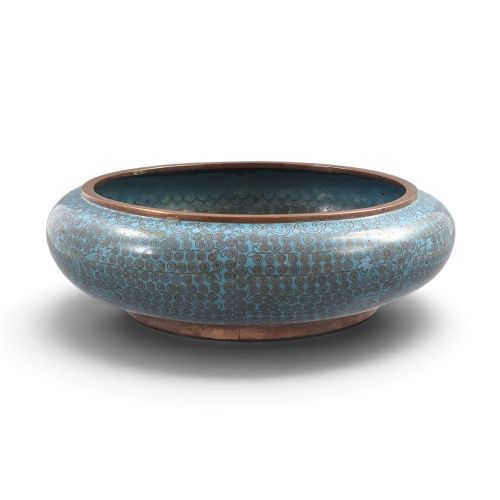
Gilding and gold leaf additions provided surface highlights, while cloisonné examples relied on soldered metal wires to compartmentalise coloured enamel pastes.
Several silver dishes cleverly incorporate nineteenth-century trade coins into their centres, serving as pocket-sized international monetary history.
What varies in quality
The precision and control of the brushwork separate baseline production from superior examples, where finely articulated facial expressions, flora and fauna demonstrate high artistic training.
The clarity of the porcelain body and the purity of the cobalt underglaze or enamel colours determine visual impact, alongside the crispness of moulded or incised details.
The weight, structural integrity and mounting of metal elements, such as ormolu frames or integrated silver coinage, indicate the original workshop's standing.
Edmé Samson & Cie·Lee Yee Hing·Daisy Makeig-Jones Wedgwood
The Antique Chinese Dish Glossary
- Famille Rose
- A palette of opaque enamels introduced during the Qing dynasty, dominated by pink or rose colours mixed from gold chloride.
- Imari
- A style originating in Japan and adopted by Chinese kilns, combining underglaze blue with iron red, gilt and contrasting overglaze enamels.
- Kangxi Period
- A reign within the Qing dynasty spanning 1662 to 1722, known for vibrant cobalt blue porcelain and refined technical standards.
- Canton
- A trading hub in southern China where porcelain blanks from northern kilns were painted with dense, colourful enamel designs for export.
- Swatow Ware
- A type of coarse, thickly potted regional ceramic produced in southern China during the late Ming dynasty, often featuring brush-drawn designs.
Antique Chinese Dish: Frequently Asked Questions
How do I date an antique chinese dish?
Dating relies on stylistic markers, glaze characteristics, and reign marks found on the base of ceramic pieces. Comparing the brushwork and potting techniques against known period examples helps narrow the decade of manufacture.
Export records and Western metal mounts also provide clues, especially for pieces adapted in Europe during the nineteenth century.
Were these dishes used for food?
Many ceramic plates and platters served functional dining roles in Chinese households and European courts. Export wares often catered to Western dining habits and display practices.
Sturdier chargers and large bowls handled heavy communal meals, while delicate brush washers and small dishes served scholarly or decorative purposes.
What is the difference between export and domestic wares?
Export pieces were specifically manufactured to suit Western aesthetic preferences, frequently incorporating armorial designs or shapes tailored to European markets.
Domestic wares adhered strictly to traditional Chinese tastes, philosophies, and court standards for daily use or ritual presentation.
How should I display a metal coin dish?
Metal coin dishes featuring inset trade dollars or silver pieces require stable surfaces away from direct sunlight and excessive humidity. Using cushioned display stands protects the edges from friction.
Gentle dusting with a soft cloth maintains the metal surface without abrasive cleaning agents.
What does a six-character mark mean?
A six-character imperial mark on the base names the ruling emperor and dynastic period during which the piece was produced. These marks can also be apocryphal, added by later kilns in respectful imitation of earlier eras.
Evaluating the surrounding glaze and potting style alongside the mark confirms whether the piece is of the period or a later revival.