

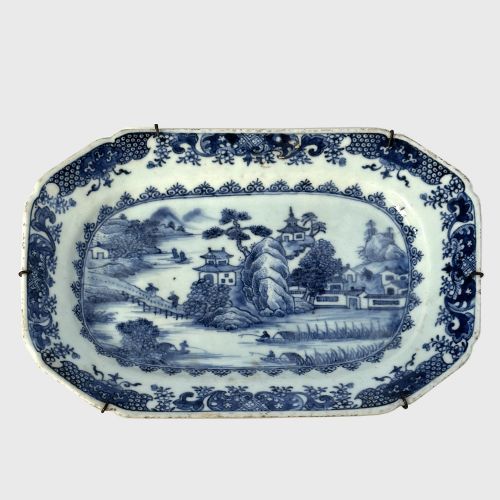


Qing Dynasty Platters
These qing dynasty platters span centuries of ceramic artistry, bringing intricate blue and white designs and vibrant enamel palettes directly to modern dining rooms and display spaces.
Qing Dynasty Platters
When searching for qing dynasty platters, collectors encounter a diverse array of large serving vessels, chargers, and decorative dishes originating from China across the seventeenth, eighteenth, and nineteenth centuries. These pieces encompass substantial serving platters, meat drainers, and wide chargers designed for presentation or practical use.
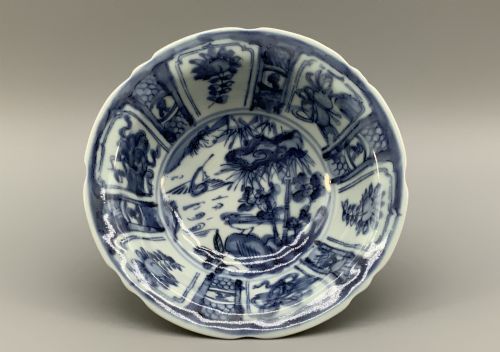
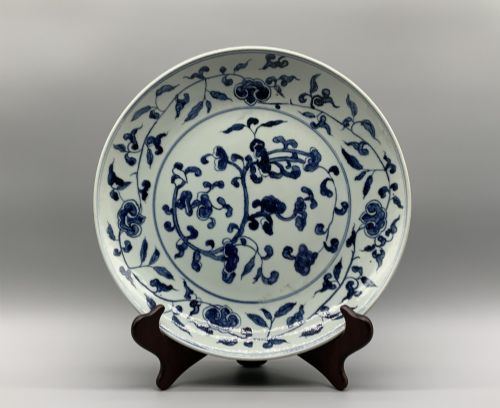
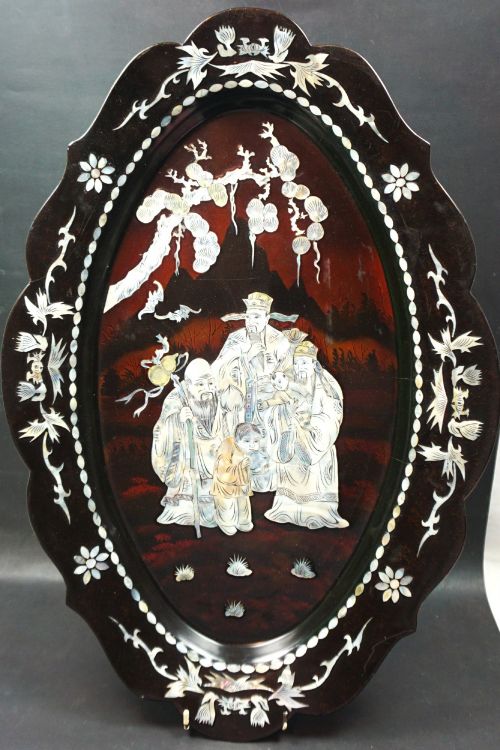
The selections available range from early blue and white porcelain pieces bearing Kangxi period characteristics to later Canton famille verte and famille rose wares. Alongside traditional porcelain, the inventory includes variations such as lacquered wood platters with mother of pearl inlay and silver dishes from the turn of the twentieth century.
Most items on this page adhere to Chinese export traditions or specific imperial styles, featuring moulded floral rims, barbed edges, and intricate hand-painted motifs. Buyers frequently find large serving dishes alongside smaller trefoil trays and deep bowls suited for display.
Materials and production techniques
Potters utilised hard-paste porcelain and ceramic as the primary foundation for these vessels, shaping them into chargers, platters, and dishes. Cobalt pigment and cobalt glaze provided the intense blue underglaze decoration seen on seventeenth and eighteenth-century items.
Enamel and famille rose or famille verte palettes were applied over or under the glaze to introduce multi-coloured scenes depicting court life and floral patterns. Artisans also employed specialised techniques such as moulding floral shapes and creating barbed rims on porcelain bodies.
Beyond ceramics, select pieces integrate organic and metallic materials, demonstrated by lacquered wood combined with mother of pearl inlay and wrought silver dishes. These varied mediums reflect the breadth of workshop capabilities during the Qing era and subsequent periods.
Listings feature hard-paste porcelain, ceramic, and cobalt glaze alongside alternative materials like lacquered wood and silver.
Evaluating craftsmanship and detail
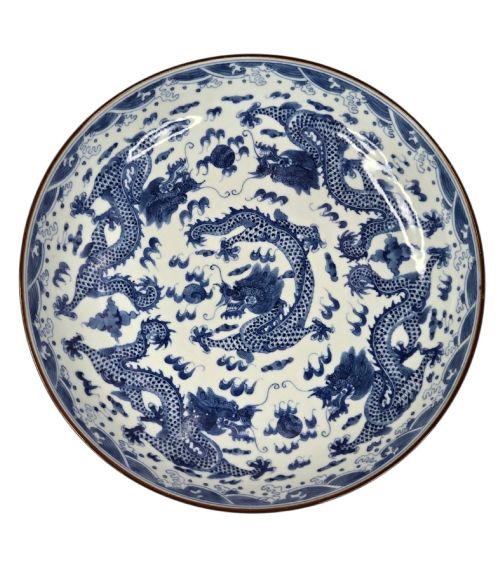
Quality in these vessels rests upon the precision of the hand-painted brushwork and the clarity of the cobalt underglaze or enamel pigments. Finer examples display crisp botanical motifs, detailed dragon iconography, and carefully controlled firing temperatures that prevent glaze distortion.
The sophistication of the form and structural integrity also separate standard items from exceptional ones. Pieces featuring moulded floral bodies, barbed rims, and balanced proportions require superior throwing and shaping skills from the potter.
Provenance and specific period markers add another dimension to a piece's standing. Platters bearing genuine period marks or demonstrating distinct Kangxi characteristics command greater attention from serious collectors.
The Qing Dynasty Platters Glossary
- Charger
- A large decorative plate or platter typically utilised for ceremonial serving or display rather than everyday dining.
- Famille Rose
- A prominent palette of opaque enamel colours introduced in the eighteenth century, dominated by pink or rose hues.
- Famille Verte
- A ceramic palette characterised by vibrant green enamels complemented by blue, yellow, and iron-red pigments.
- Kangxi Period
- The era spanning from sixteen sixty-one to seventeen twenty-two, renowned for exceptional blue and white porcelain production.
- Meat Drainer
- A specialised ceramic insert placed inside a serving platter to separate juices from roasted meats.
Qing Dynasty Platters: Frequently Asked Questions
How do I display a large charger safely?
Large chargers require sturdy plate hangers or dedicated display stands designed to support significant porcelain weight without stressing the rim. Ensure the mounting hardware securely grips the foot ring or base.
Position the charger away from high-traffic areas and direct sunlight to protect the enamel and glaze over time.
Can I use these antique platters for serving food?
While these vessels served practical dining functions historically, modern use requires caution due to age, potential glaze wear, and historical repairs. Many collectors prefer to reserve them strictly for visual display.
If serving dry foods, wash the piece gently by hand using mild soap and warm water, avoiding dishwashers entirely.
How do I distinguish Kangxi period porcelain?
Kangxi period pieces often feature brilliant cobalt blue underglaze with layered shading that creates remarkable depth. Look for characteristic foot rings, fine-grained hard-paste porcelain, and authentic period marks on the reverse.
Stylistic elements like five-clawed dragons and intricate floral motifs also help identify this specific seventeenth-century timeframe.
What is Chinese export porcelain?
Chinese export porcelain refers to ceramics manufactured in China specifically for overseas markets in Europe and the West. These items frequently blend traditional Chinese manufacturing techniques with decorative motifs requested by foreign buyers.
Platters from this category often show fascinating cross-cultural influences in their shapes and border designs.
What is the difference between famille rose and famille verte?
Famille verte relies predominantly on shades of green alongside iron-red, yellow, and underglaze blue, dominating the late seventeenth and early eighteenth centuries. Famille rose emerged later, introducing an opaque pink or purple enamel derived from colloidal gold.
This technical shift allowed artists to render softer floral gradients and detailed court garments.