
Antique Chinese Bronze
Antique chinese bronze vessels, figures and scholars' objects bring centuries of sophisticated metallurgy and ritual heritage into modern interiors.
Antique Chinese Bronze
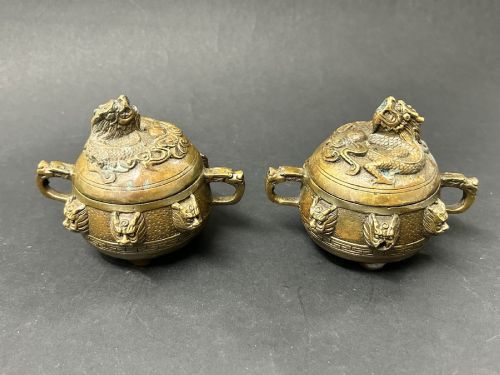
When searching for antique chinese bronze, buyers encounter a diverse range of objects created for ritual use, scholarly study and decorative display. The material record spans from solid-cast vessels and intricate censers to figural sculptures and desk ornaments created across multiple dynasties.
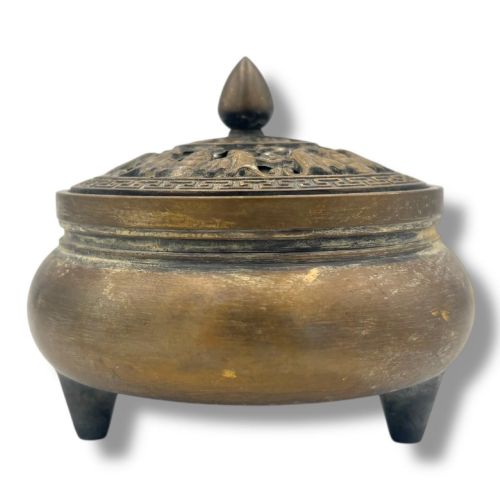
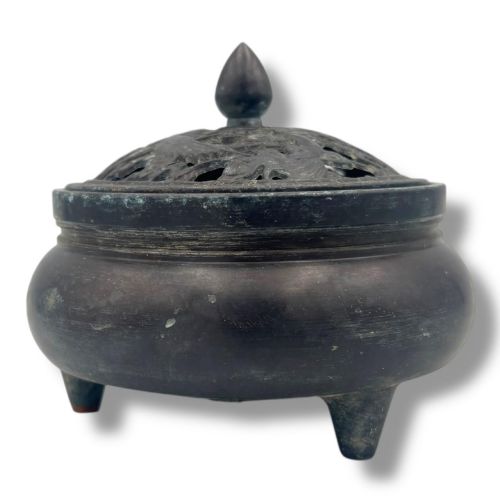
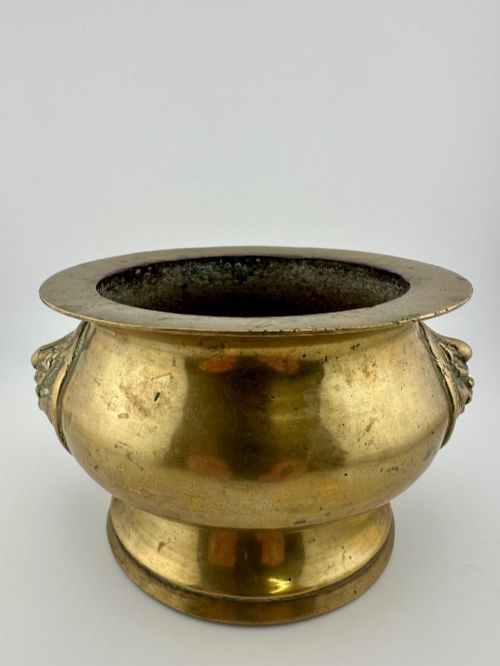
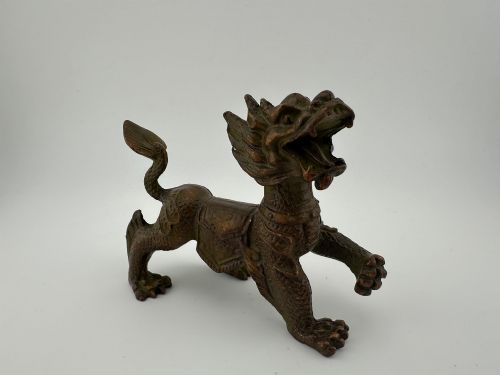
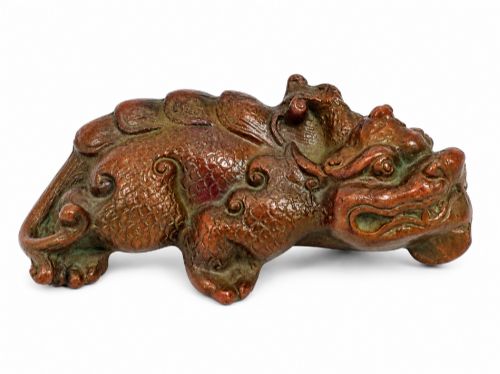
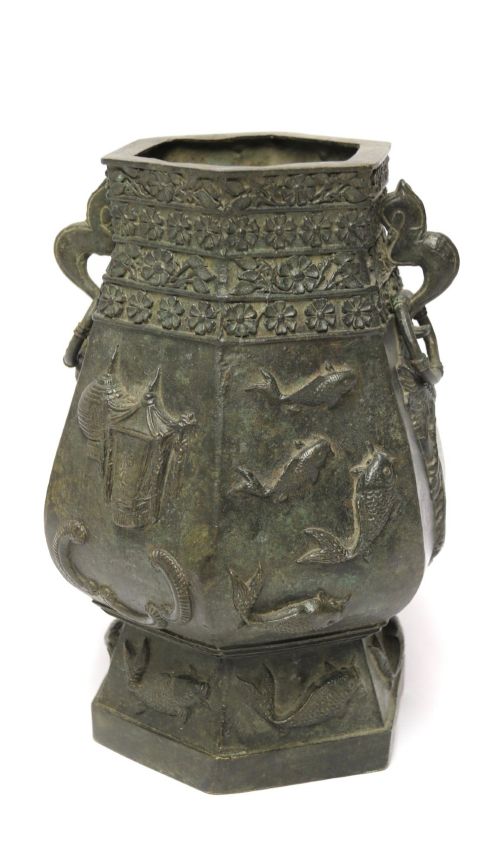
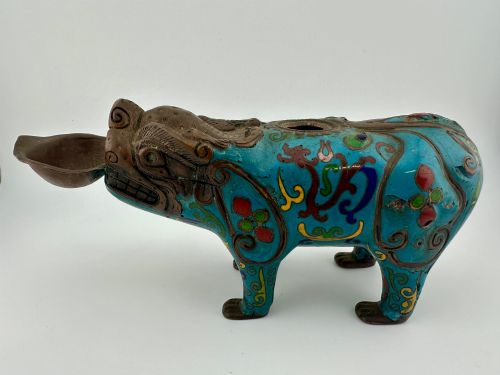
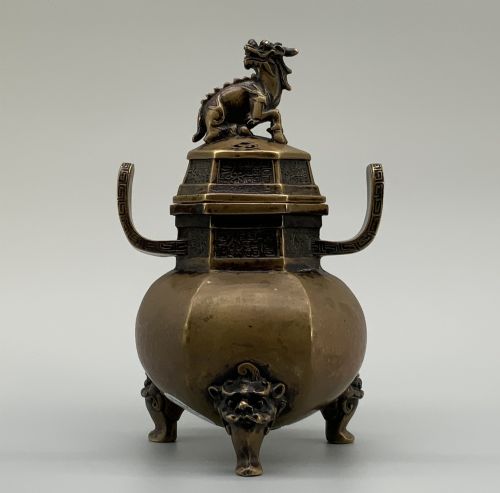
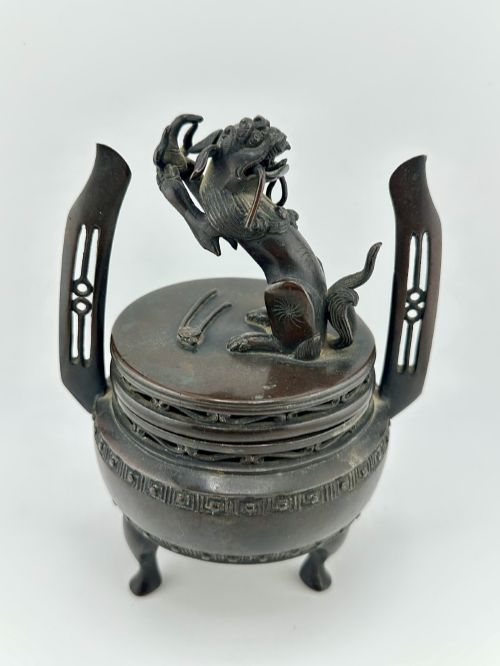
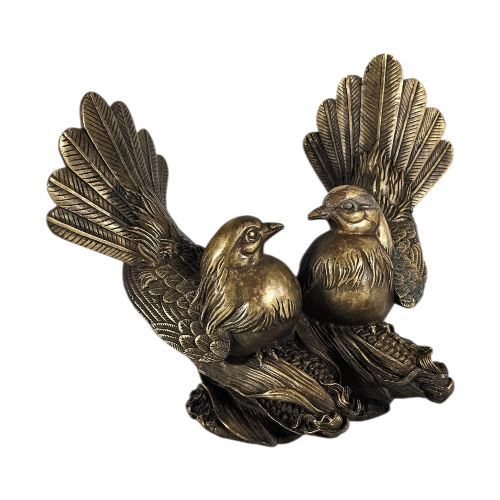
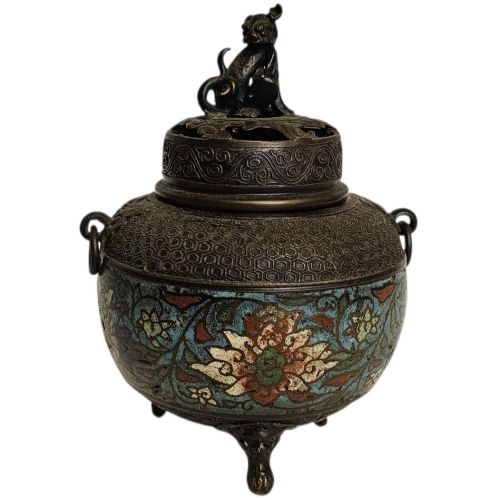
The most common examples met on this page date from the late Qing period and the nineteenth century, often taking the form of tripod incense burners, animal figures and baluster vases. These pieces demonstrate a continuity of traditional forms adapted for both domestic appreciation and export.
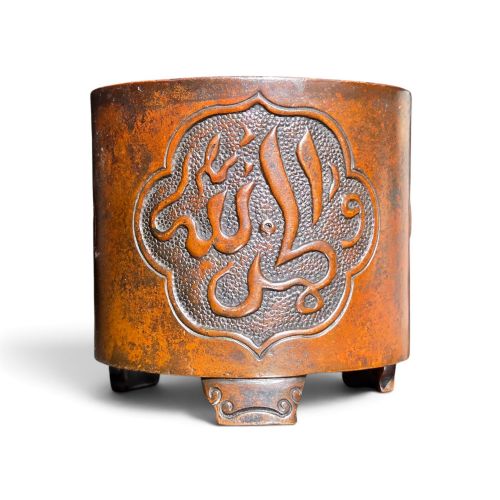
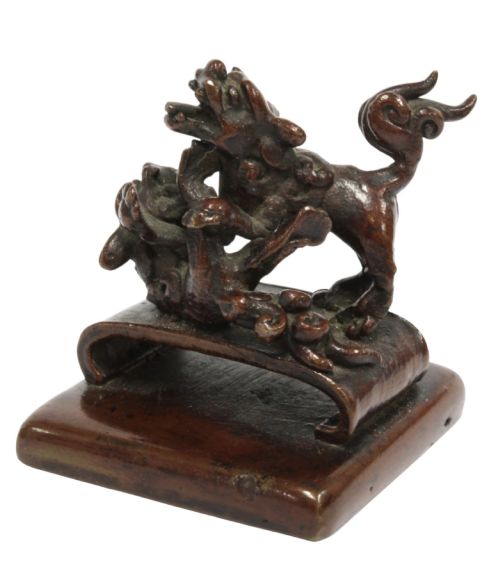
Scholar's studio pieces, such as brush washers, seals and paperweights, also feature prominently among surviving examples. These smaller objects reveal the intimate scale of traditional Chinese craftsmanship alongside monumental ritual vessels.
Materials and Technique
Makers utilised lost-wax casting and solid-casting methods to shape copper alloys, brass and bronze into complex vessels and figures. Molten metal was poured into detailed moulds, allowing artisans to achieve high relief decoration and precise architectural forms.
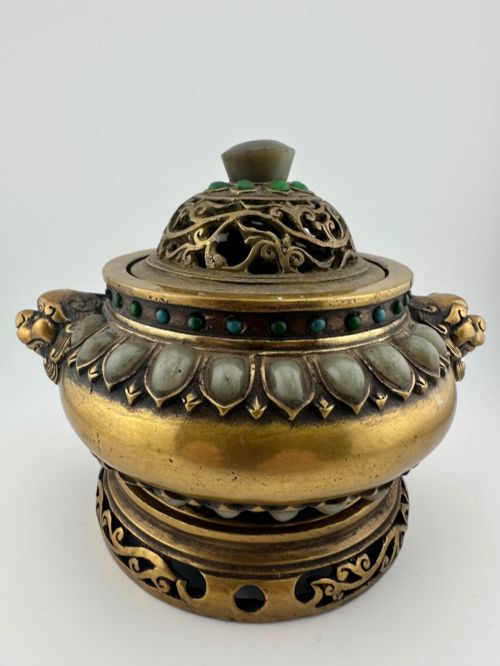
Surface treatments define many pieces, incorporating cloisonne enamel, champleve, selective fire-gilding and gold-splashing to add colour and texture. Artisans also applied patination techniques to simulate ancient surfaces and highlight intricate cast motifs.
Antique Chinese Bronze Retail Price Guide 2026
Typical asking prices for chinese bronze among the pieces listed under this phrase on Sellingantiques today, from the lower quarter to the upper quarter. They describe what is for sale here now, not the wider market.
Listings feature pieces spanning from the Ming dynasty to the Edwardian era, incorporating materials such as jade, enamel and gilt bronze alongside raw copper alloy.
Factors of Quality
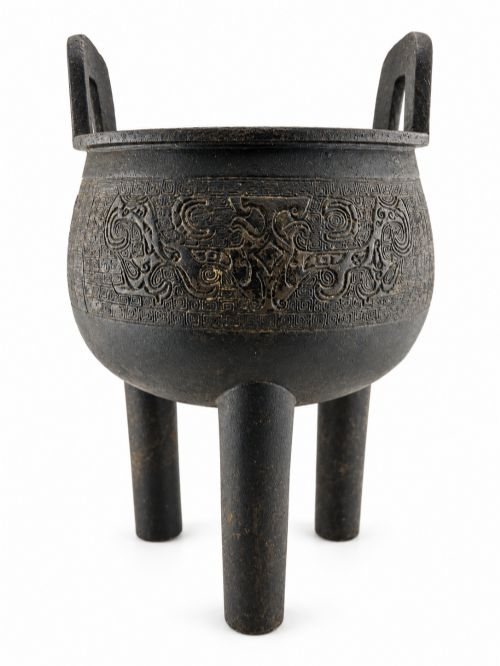
The distinction between ordinary and exceptional pieces lies in the crispness of the casting and the depth of the relief work. Superior examples display sharply defined taotie masks, clean inscriptions and balanced proportions without smoothing or loss of detail.
Weight and structural integrity also separate fine examples from mass-produced items, with heavier, solid-cast vessels indicating superior metal density. Additionally, the integration of custom hardwood stands, jade finials or hardstone inlays elevates the overall execution of the piece.
The Antique Chinese Bronze Glossary
- Censer
- A vessel designed for burning incense during ritual or domestic activities. These often feature tripod legs and pierced covers.
- Archaistic
- A decorative style that deliberately emulates the shapes, motifs and patination of ancient bronze ritual vessels from earlier dynasties.
- Cloisonne
- An enamelling technique where metal strips are soldered to a bronze body to create cells filled with coloured paste before firing.
- Taotie
- A stylised, symmetrical zoomorphic mask motif commonly found cast in relief on ancient and archaistic ritual bronzes.
- Shishi
- A traditional mythical guardian lion or Foo dog often depicted in pairs as sculptural figures or finials on censers.
Antique Chinese Bronze: Frequently Asked Questions
What is an antique chinese bronze censer?
A censer is a vessel intended for burning incense, historically utilised in temples, scholar's studios and domestic spaces.
Many surviving examples feature three legs, handles shaped like animals or dragons, and ventilated lids designed to release fragrant smoke.
How do I identify the period of a bronze piece?
Dating relies on examining casting techniques, decorative styles, patination and any reign marks stamped or engraved into the metal.
While some pieces bear explicit dynastic marks, stylistic elements such as archaistic motifs or high-relief Daoist figures help narrow the era of production.
Where were scholar's bronzes used?
Scholar's objects were created for the private desks of literate elites, scholar-officials and artists for use in writing, contemplation and study.
Items such as brush rests, seals, water droppers and small desk censers formed an essential part of the traditional scholarly environment.
How should I clean antique bronze?
Antique bronzes generally require minimal intervention to preserve their historic patination and surface integrity.
Dusting gently with a soft, dry cloth is sufficient, avoiding abrasive cleaners, polishes or liquids that might strip the natural finish.