
Antique China Serving Dish
These antique china serving dish examples bring hand-painted birds, botanical patterns and blue and white transfer prints directly to the table.
Antique China Serving Dish
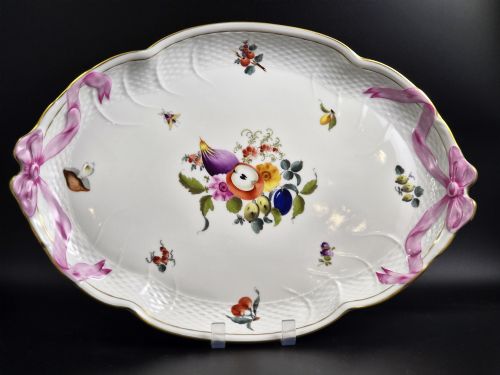
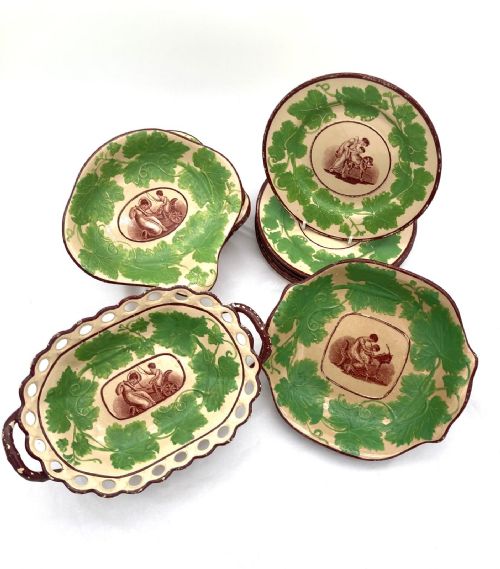
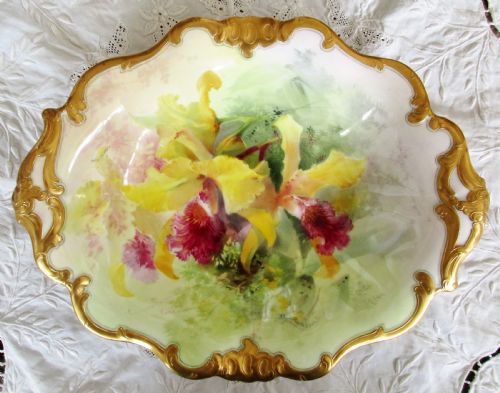
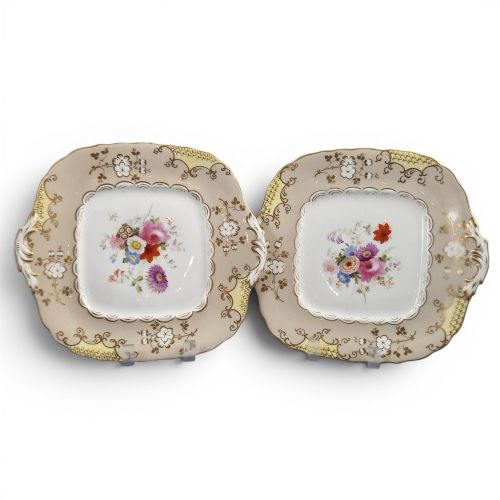
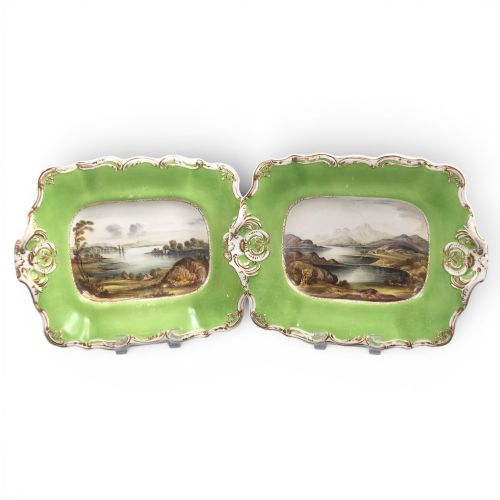
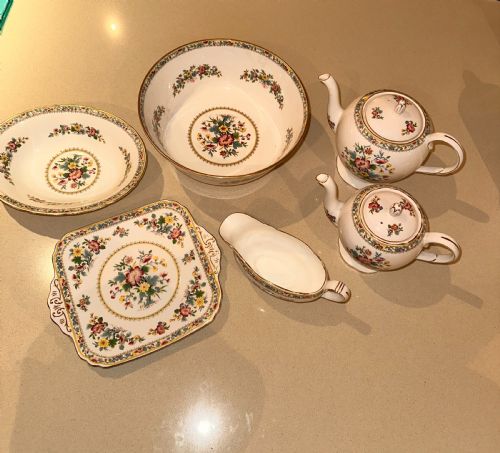
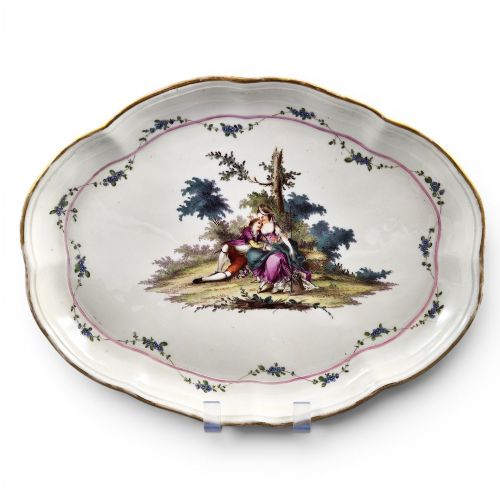
An antique china serving dish encompasses platters, tureens, low comports and graduated trays intended for formal dining and display. The selection here leans heavily towards 18th-century and 19th-century British factories alongside Chinese Export and European porcelain.
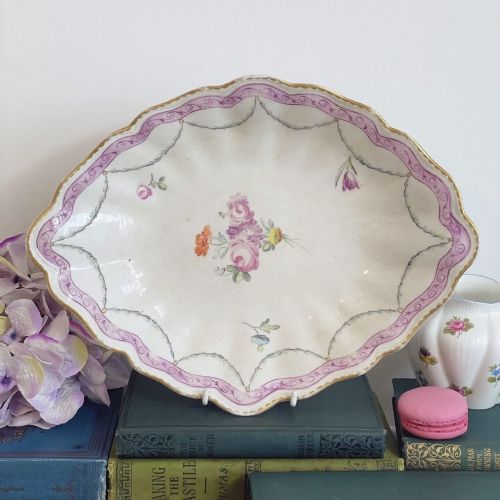
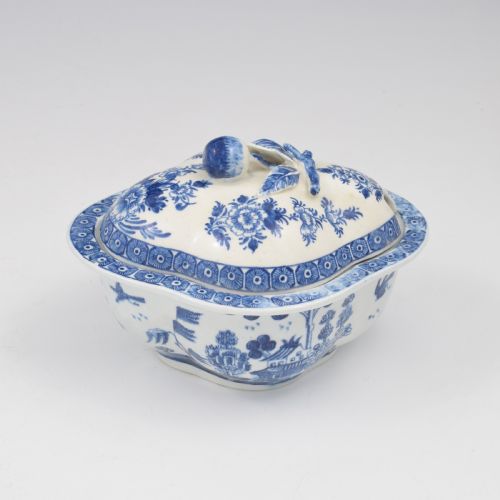
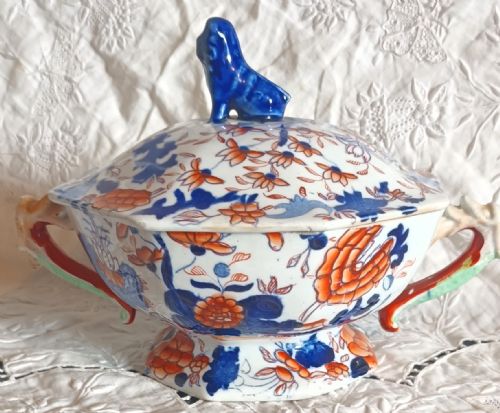
Buyers encounter oval meat platters, quatrefoil sauce tureens with matching covers, and pierced dessert trays originating from periods such as the Georgian, Regency and Victorian eras. These items served functional roles in large domestic services before transitioning into decorative cabinet pieces.
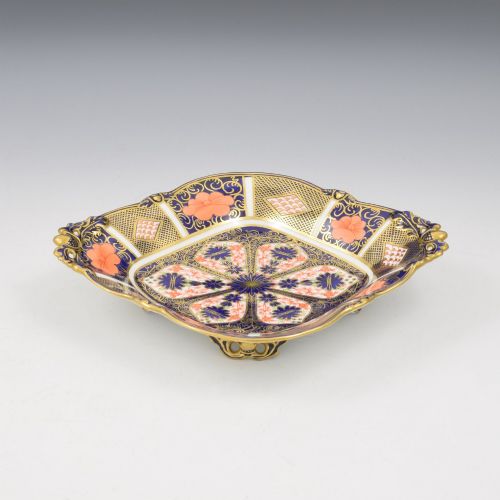
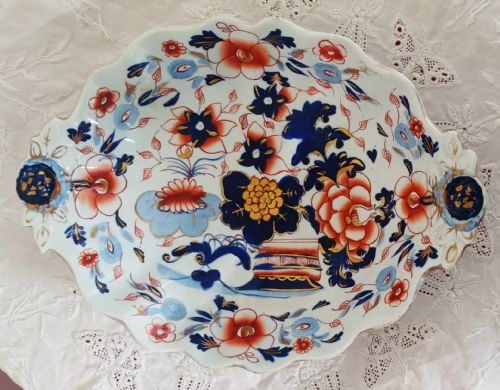
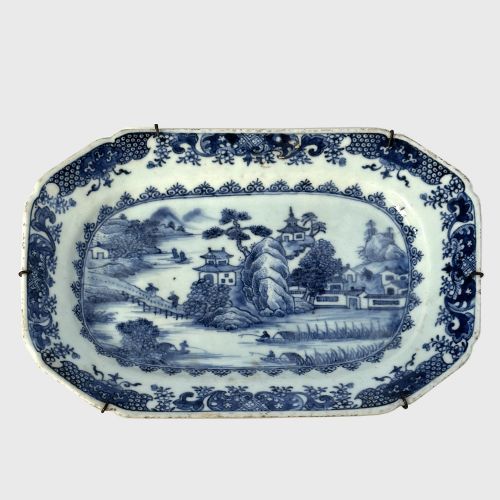
Traditional English potteries and porcelain works produced these forms in sets or individually, utilising earthenware, bone china, ironstone and porcelain. The designs range from cobalt blue and white transfer prints to polychrome flowers and Imari patterns.
How they were made
Maker operations combined moulded ceramic bases with high-fired porcelain, earthenware or ironstone bodies, often finished with a clear glaze to seal the surface. Decoration involved hand-painted polychrome pigments, underglaze blue, transfer printing and applied gold leaf or gilt details.
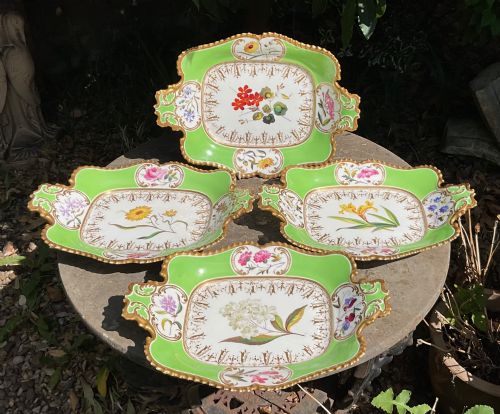
Specialised potteries shaped complex forms like twin-handled serving dishes and pierced trays using plaster moulds before hand-finishing edges and adding botanical or avian motifs.
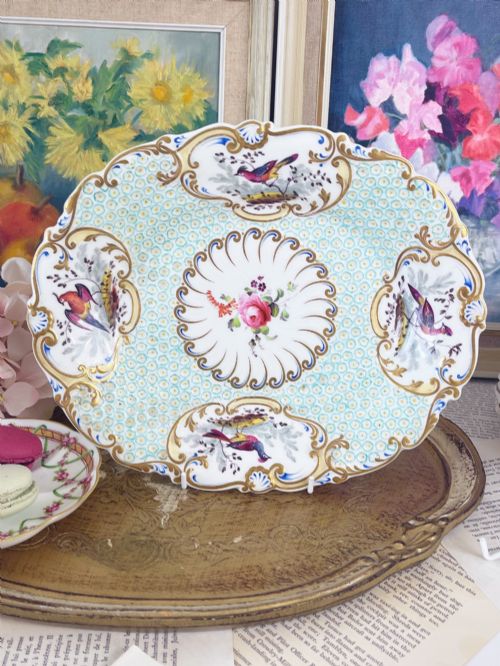
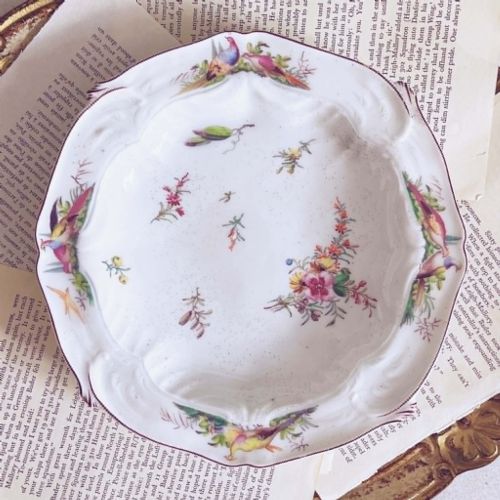
Several Victorian plates capture ornithological enthusiasm by featuring remarkably detailed hand-painted fancy birds perched among botanical branches.
What varies in quality
Quality rests upon the crispness of the moulded form, the precision of hand-painted brushwork, and the preservation of gilt or enamel accents across the surface. Pieces featuring named artists or attributed botanical studies command greater interest.
Subtleties in paste composition, such as felspar porcelain or refined bone china, distinguish standard utilitarian wares from the finer cabinet pieces produced by leading factories.
Royal Crown Derby·H and R Daniel·Derby Porcelain·Chamberlains Worcester·Royal Doulton·Coalport·Mason·Copeland and Garrett·Joseph Gaspard Robert·Meissen·Rockingham Pottery·Spode·Minton·Flight Barr and Barr·Paul Muller Selb·Doulton Burslem
The Antique China Serving Dish Glossary
- Comport
- A shallow footed dish or bowl raised above the table surface, commonly used for serving fruit or desserts in nineteenth-century dining.
- Tureen
- A deep covered vessel designed for serving soups, sauces or gravies, frequently supplied with an integral or matching stand.
- Transfer Print
- A decoration technique where a design is engraved on a copper plate, transferred to tissue paper, and applied to the ceramic body before glazing.
- Imari Pattern
- A decorative scheme employing underglaze blue, iron red and gold, inspired by Japanese export porcelain and adopted by English factories.
- Ironstone
- A heavy, durable type of earthenware patented in the nineteenth century to provide a tough alternative to porcelain.
Antique China Serving Dish: Frequently Asked Questions
How do I date an old porcelain platter?
Dating relies on identifying factory backstamps, paste characteristics, and the style of hand-painted or transfer-printed decoration. Comparing the form to documented factory periods provides a reliable manufacturing window.
Changes in ceramic bodies, such as the introduction of ironstone or felspar porcelain during the nineteenth century, help narrow down the decade of production.
Were these dishes meant for everyday dining?
Many of these pieces formed part of large dinner or dessert services intended for formal entertaining by wealthy households. Their survival in good condition suggests they saw careful use or spent time displayed in cabinets.
Robust ironstone items handled heavier daily service, while delicate porcelain and enamelled trays were reserved for special courses.
How should I clean antique ceramic tableware?
Wash antique pieces by hand in warm water using a mild, non-abrasive detergent. Avoid dishwashers entirely, as heat and harsh detergents damage old glazes and wear away gilt highlights.
Dry the pieces gently with a soft cotton towel and avoid soaking items that have repaired sections or exposed earthenware bodies.
What is the difference between porcelain and ironstone?
Porcelain is a vitrified ceramic fired at high temperatures until non-porous and translucent, often sounding resonant when tapped. Ironstone is a dense, opaque earthenware developed for strength and durability.
While porcelain offers delicate refinement and fine painting surfaces, ironstone provides weight and resilience for heavy serving platters and tureens.