


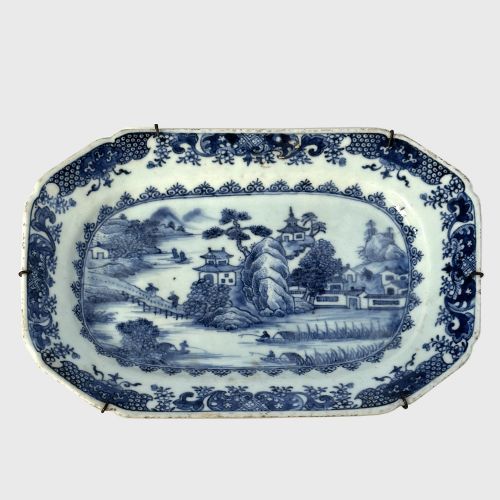
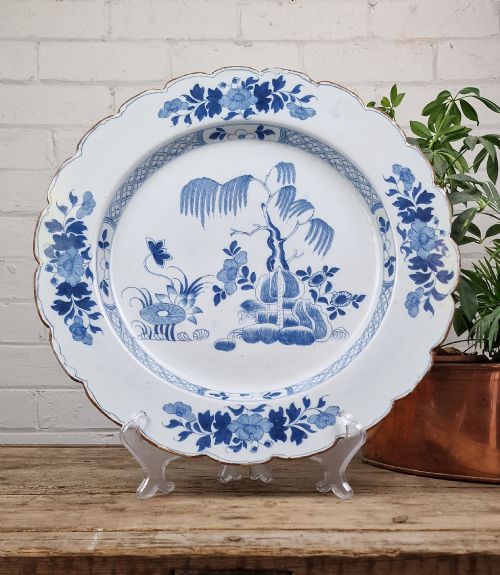


Chinoiserie Ceramic Platter
These chinoiserie ceramic platters bring centuries of painted landscapes and exotic motifs to the table, prized for their bold scale and decorative narrative.
Chinoiserie Ceramic Platter
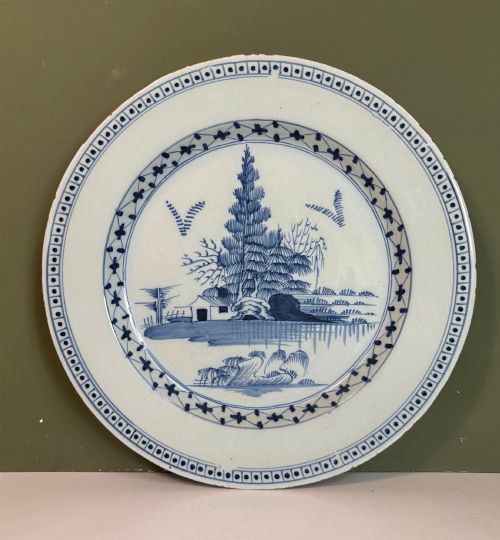
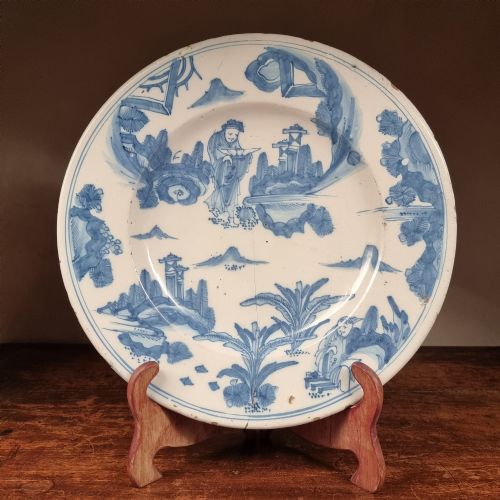
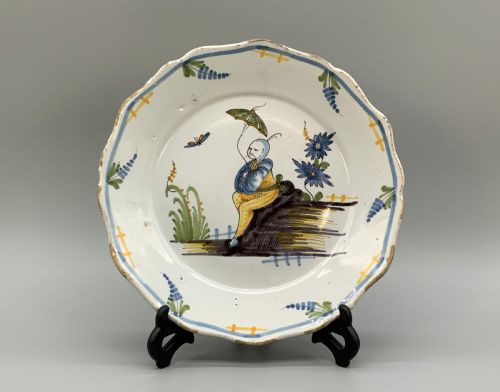
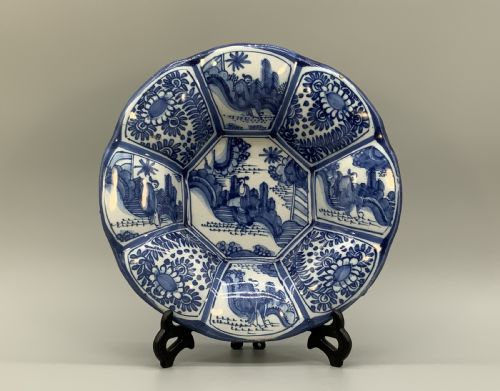
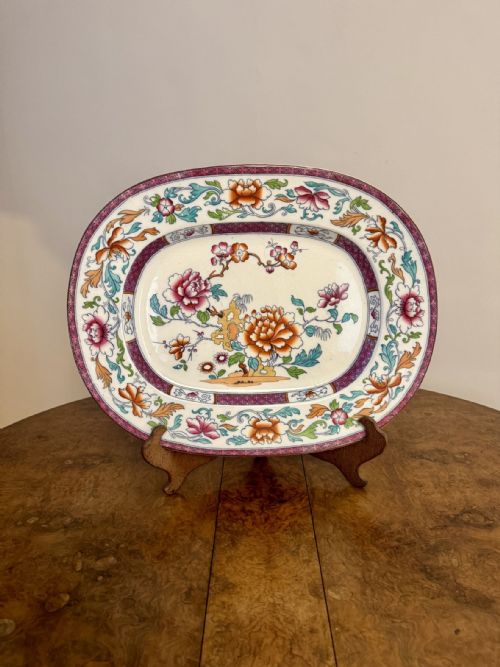
When searching for a chinoiserie ceramic platter, you encounter large serving dishes and chargers decorated with Asian-inspired motifs. The selections span eras from the 17th century through the Victorian period, originating from English potteries, French faience workshops and Chinese export kilns.
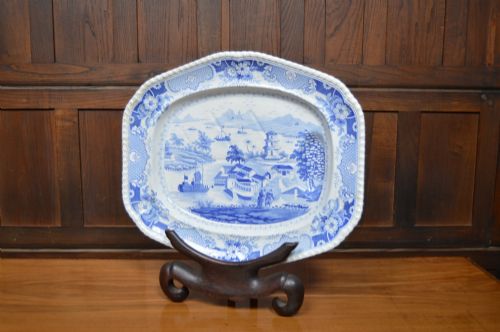
You meet earthenware, pearlware, ironstone and tin-glazed delftware taking the form of octagonal dishes, deep chargers and well-and-tree meat platters. Many examples display transfer-printed scenes of temples, bamboo and figures, reflecting European interpretations of Eastern aesthetics.
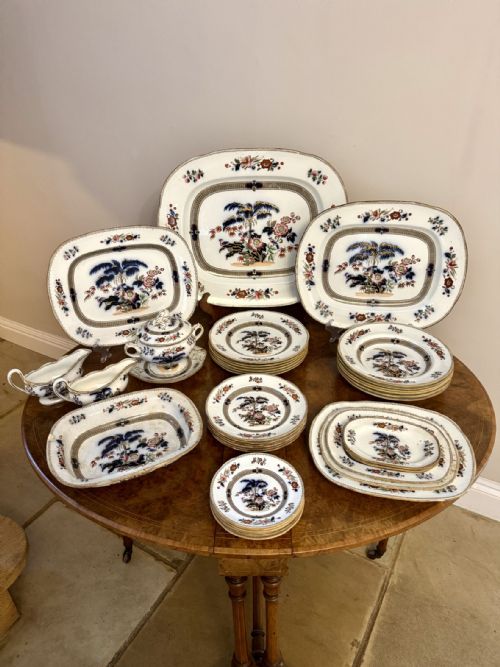
The assortment includes Georgian transfer-printed earthenware and massive Victorian ironstone serving pieces alongside earlier delft chargers. Each piece demonstrates how potters adapted Chinese export designs for European dining tables over successive centuries.
Materials and methods
Makers utilised earthenware, stoneware and ironstone bodies formed into heavy platters and chargers designed to hold substantial joints of meat. Tin glaze provided an opaque white surface for hand-painted delft designs, while later potteries relied on cobalt pigment applied beneath a clear glaze.
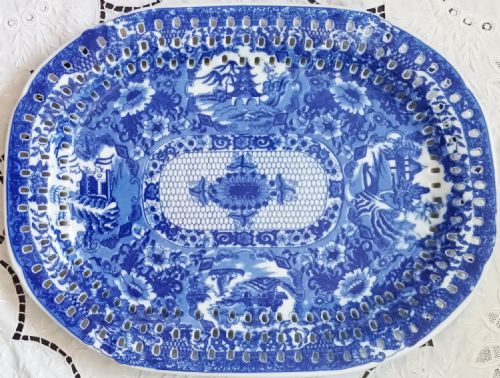
Transfer printing allowed workshops to apply intricate patterns like the Willow or India Temple design onto ceramic surfaces before firing. Enamel colours such as manganese and yellow were sometimes added over the glaze to highlight specific details on French and English faience.
Makers represented include Caughley, Mason, Minton and Davenport, alongside unmarked English delftware chargers.
Judging the work
Quality rests in the crispness of the transfer print or the brushwork control within hand-painted scenes. Early tin-glazed pieces show variation in the pooling of the glaze and the depth of the cobalt pigment.
Heavier ironstone and stoneware bodies display durability and precise moulding, particularly in pierced drainers and relief-moulded borders. The complexity of the pattern and the clarity of the firing distinguish standard utility wares from exhibition-grade chargers.
John Ridgway·Mason·Caughley·Copeland and Garrett·Minton·Davenport·Bow
The Chinoiserie Ceramic Platter Glossary
- Charger
- A large decorative plate or platter used for serving or display rather than individual dining. These wide vessels often feature elaborate painted or printed scenes.
- Transferware
- Pottery decorated by applying a printed paper design from an engraved copper plate onto the ceramic body. This technique allowed intricate repeating patterns to be produced efficiently.
- Delftware
- Tin-glazed earthenware produced in England, the Netherlands and France, typically featuring a white opaque background painted in blue or polychrome. The tin oxide glaze creates a characteristic milky surface.
- Ironstone
- A heavy, durable type of feldspathic stoneware patented in the 19th century to imitate porcelain. It resists chipping and provided a sturdy surface for large meat platters.
- Meat drainer
- A pierced ceramic insert fitted into the base of a platter to separate juices from the joint of meat. These are frequently found in large 19th-century serving dishes.
Chinoiserie Ceramic Platter: Frequently Asked Questions
What were these large platters used for?
These large ceramic platters served substantial joints of roasted meat and poultry at grand dining tables. Their generous proportions and sturdy bodies accommodated heavy food during formal meals.
Many incorporate integrated wells and pierced drainers to collect cooking juices. Beyond dining, large chargers were displayed upright on sideboards to showcase decorative ownership.
How do I date a blue and white platter?
Dating relies on examining the ceramic body, the manufacturing marks on the reverse and the application method of the blue pigment. Early pieces utilise soft earthenware or tin glaze, while the 19th century introduced dense ironstone and precise transfer printing.
Maker stamps and registry marks found underneath provide specific years of production. Stylistic clues within the border patterns also help narrow down the decade.
Can I use these antique platters for serving food?
Many sturdy ironstone and stoneware platters remain structurally sound for serving dry foods at the table. Historic earthenware and delftware require careful handling due to their porous nature and susceptibility to staining.
Hand washing preserves the glaze and prevents moisture from entering older ceramic bodies through microscopic crazing lines. Modern dishwashers and microwaves should be avoided entirely.