


Antique China Figures
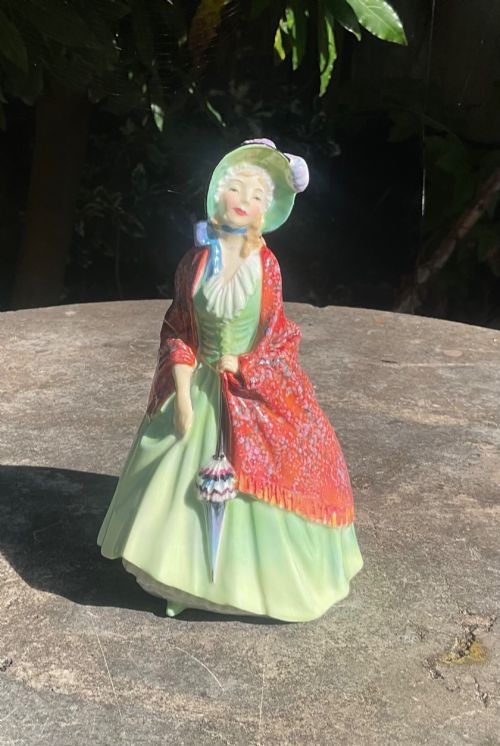
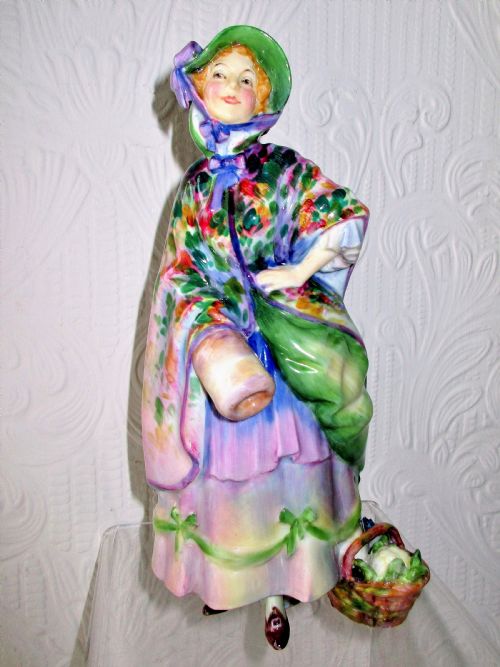
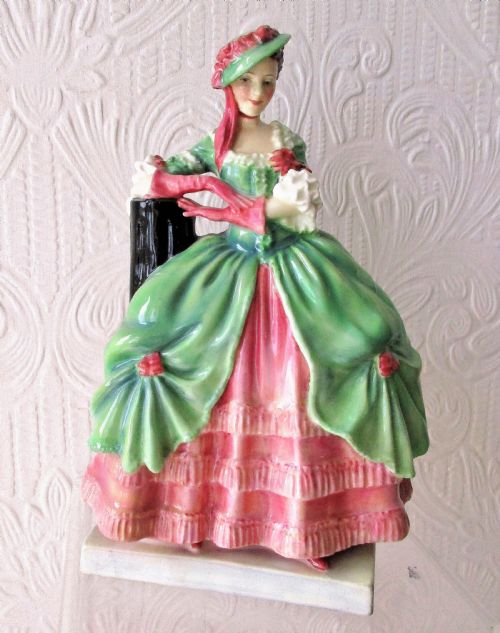
These antique china figures bring character and historic craft to a room, capturing human and animal forms in glazed ceramic.
Antique China Figures
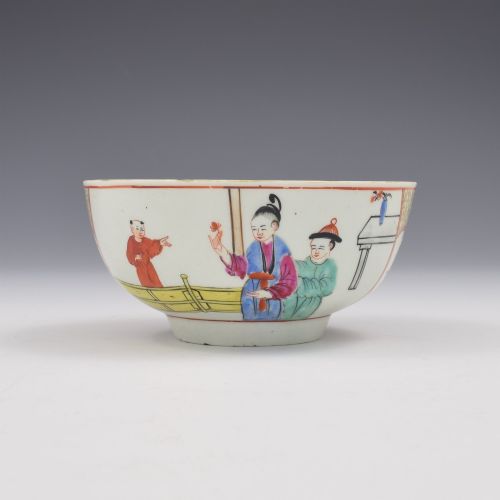
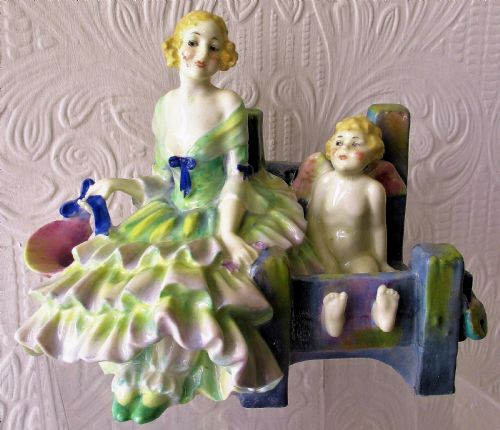
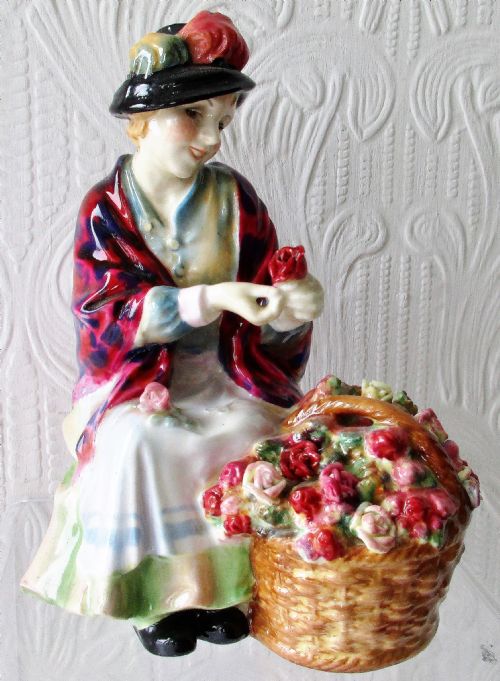
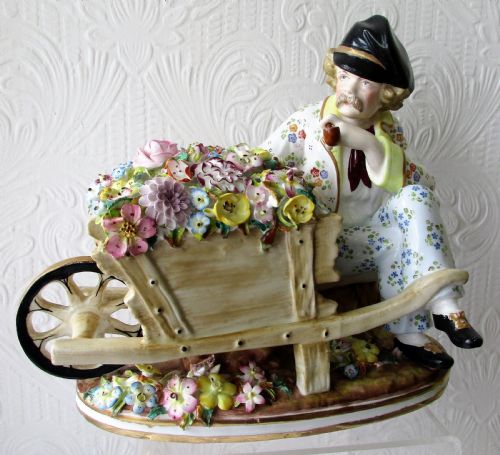
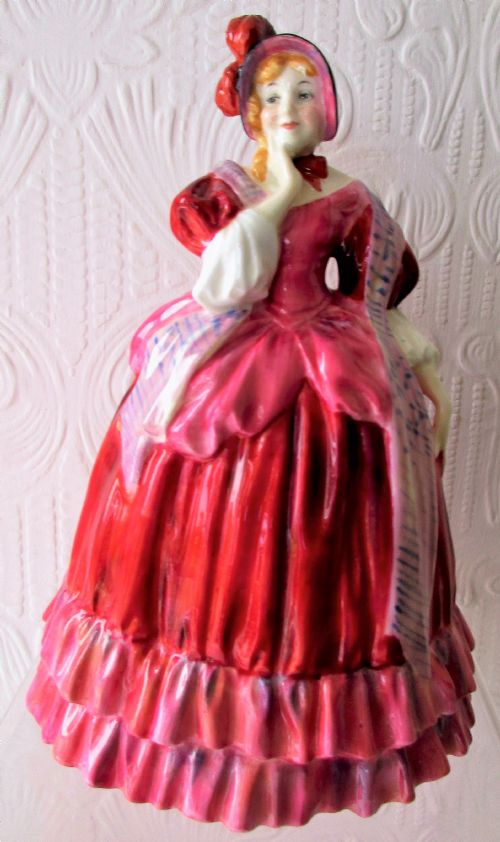
When you search for antique china figures, you encounter glazed ceramic representations spanning eighteenth-century allegorical groupings to twentieth-century English porcelain figurines. These objects take the form of human characters, seasonal putti, street vendors, and animals modelled in various historical styles.
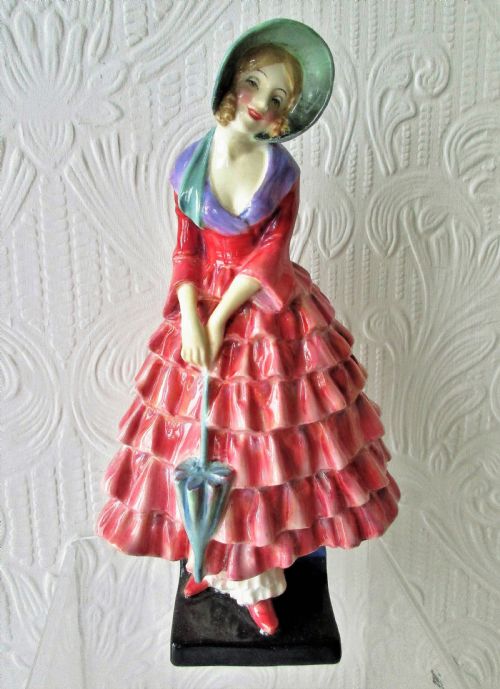
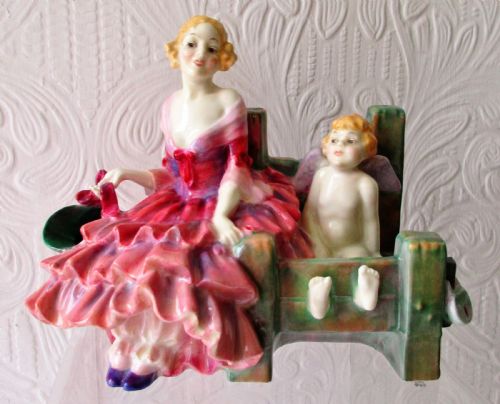
The selections available here range from early Bow and Derby porcelain pieces to Victorian pastoral subjects and later Royal Doulton editions. Buyers often choose between classical mythological subjects, literary figures, and decorative decorative figurines produced by major European factories.
How they were made
Factories employed specialised artists to apply polychrome enamel colours and glazes, which were then fixed in a kiln at high temperatures. Certain eighteenth-century and nineteenth-century pieces also incorporated specialised techniques like applied porcelain lace and biscuit porcelain finishes.
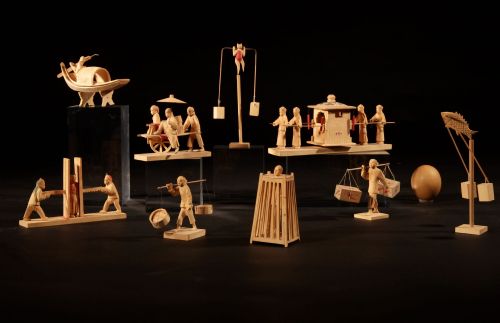
Seventeenth-century wood figures share shelf space with porcelain pugs and eighteenth-century musicians.
What varies in quality
The standard of modelling and painting separates standard factory output from exceptional sculptural work. Superior pieces display crisp facial expressions, delicate hand-painted details on garments, and finely rendered anatomical proportions rather than generic moulding.
Royal Doulton·Bow Porcelain·Derby Porcelain·Royal Worcester·Minton·John Bevington
The Antique China Figures Glossary
- Bone china
- A type of porcelain composed of bone ash, feldspar, and kaolin, providing high strength and a bright white body.
- Soft-paste porcelain
- An artificial porcelain body fired at lower temperatures than hard-paste, common in early English factories like Bow and Derby.
- Enamel
- Vitreous coloured glass fused to the ceramic surface during firing to create detailed painted decoration on figures.
- Biscuit porcelain
- Unglazed porcelain fired once to produce a matte, white surface resembling marble, often utilised for French figures.
- Putto
- A plump, naked male child figure frequently depicted in mythological or seasonal allegorical groups from the eighteenth century.
Antique China Figures: Frequently Asked Questions
How do I identify early porcelain figures?
Early figures often feature soft-paste bodies, underglaze blue or painted anchor marks, and hand-modelled details characteristic of eighteenth-century factories like Bow and Chelsea.
Examining the base for kiln scars, unglazed rims, and hand-mixed enamel palettes helps distinguish eighteenth-century productions from later nineteenth-century revival styles.
What subjects are common in antique figures?
Popular subjects include classical deities, theatrical characters, seasonal allegories, and everyday street vendors engaged in trades.
Victorian and Edwardian pieces frequently depict literary heroines, pastoral couples, and romanticized figures dressed in period attire.
How should I clean delicate china figures?
Dust figures gently with a soft, dry brush to remove surface debris without putting pressure on fragile elements like porcelain lace or fingers.
Avoid submerging pieces in water, particularly older items with painted enamel or gilt details that can degrade with moisture.
What is the difference between porcelain and pottery figures?
Porcelain is fired at much higher temperatures until the body becomes vitrified and partially translucent, whereas pottery uses coarser clay bodies.
Figures made from pottery, such as earthenware or stoneware, are opaque and typically feature heavier glazes compared to fine bone china.