

Antique Ceramic Tureen
These antique ceramic tureen pieces bring the generous scale of formal dining rooms straight to the modern sideboard.
What an antique ceramic tureen is
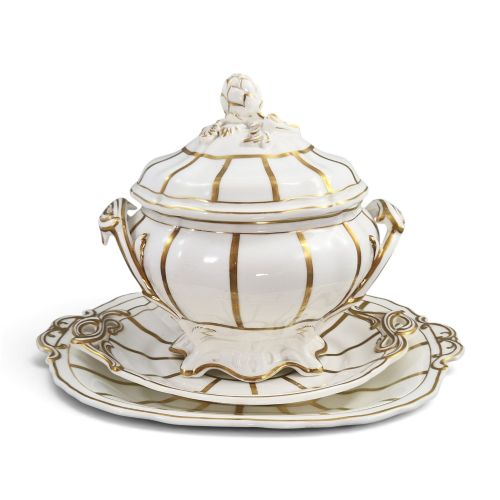
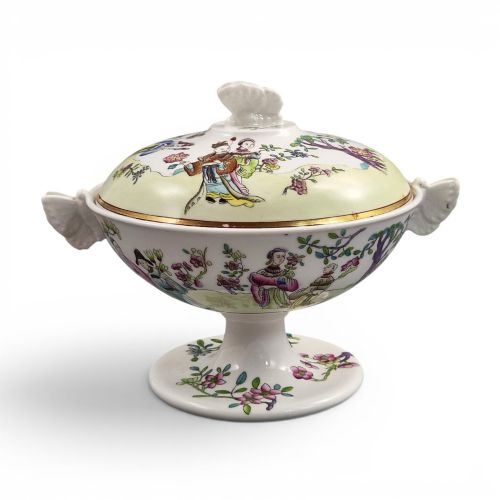
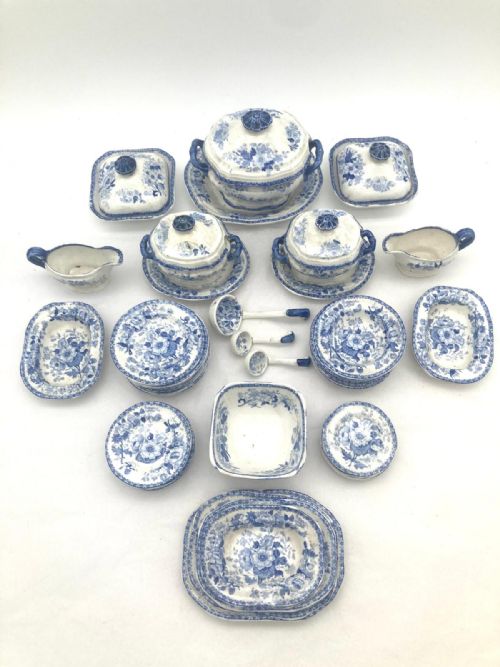
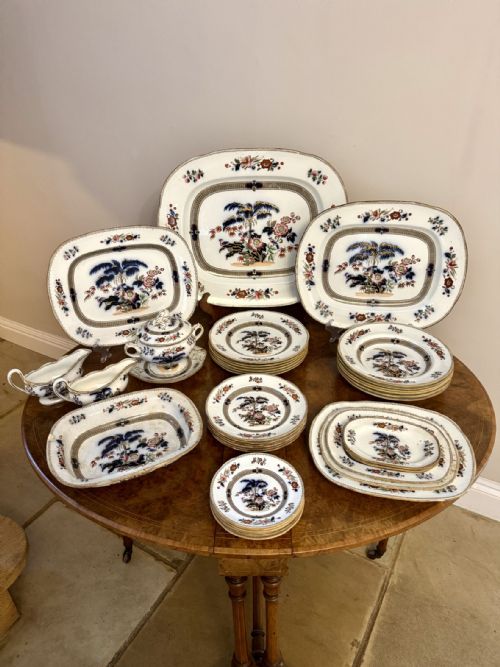
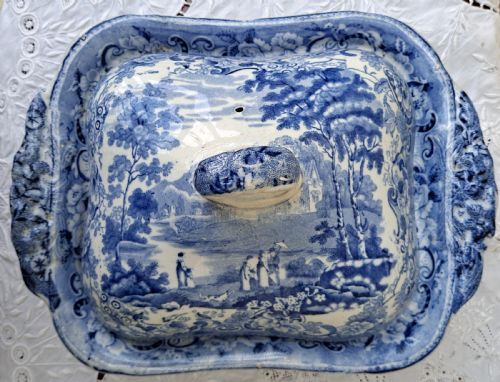
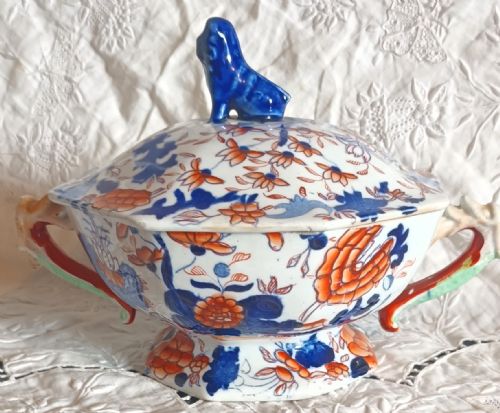
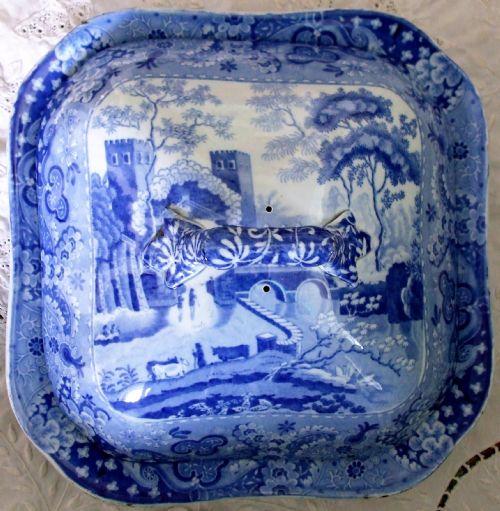
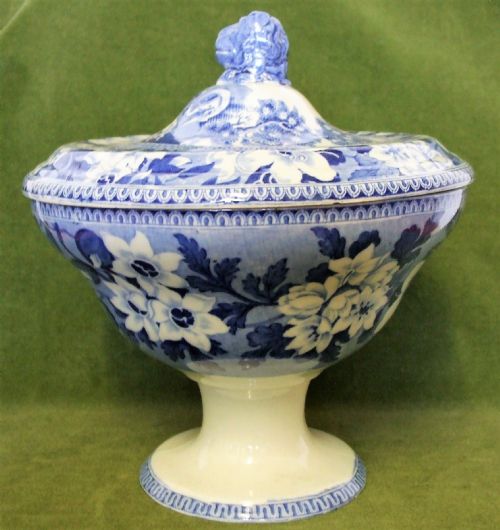
An antique ceramic tureen serves as a deep vessel designed for holding soup, sauce, or vegetables at the table, often accompanied by a matching lid and undertray. These pieces range from substantial soup tureens down to smaller vegetable serving dishes and sauce tureens.
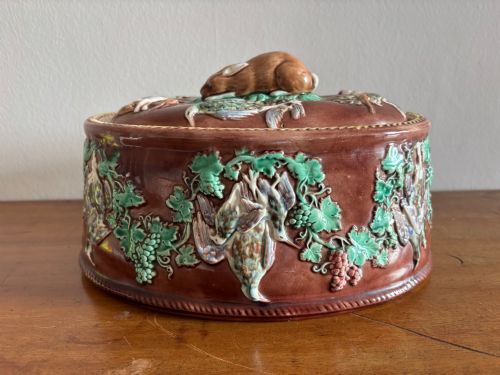
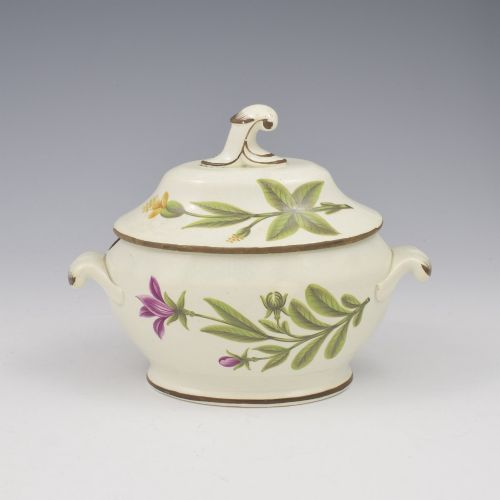
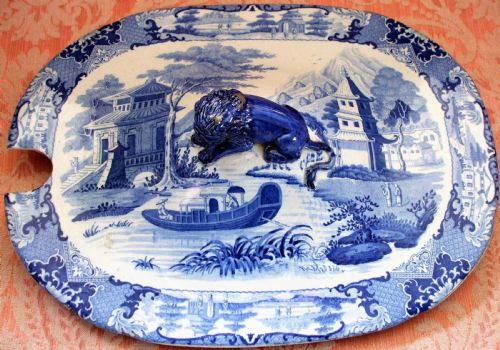
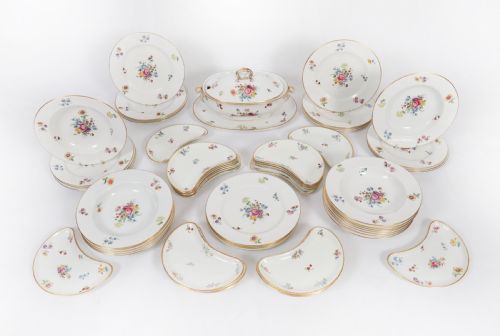
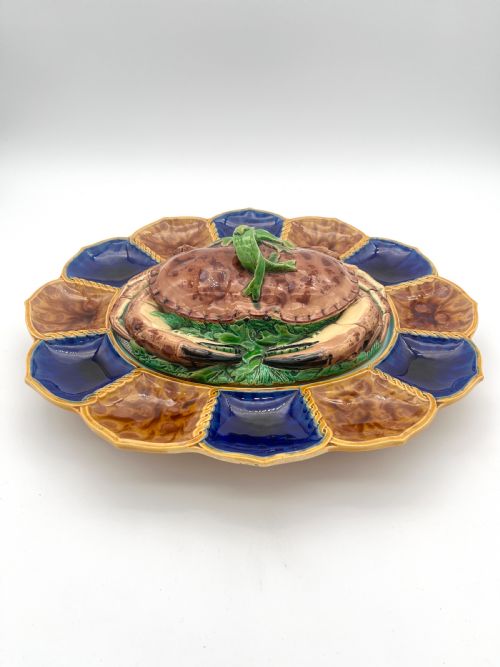
The selections available here span several distinct periods, drawing heavily from Victorian and Regency production alongside Georgian examples and early twentieth-century wares. Form takes many routes, from standard lidded serving dishes to novelty shapes shaped like chickens, crabs, and cabbages.
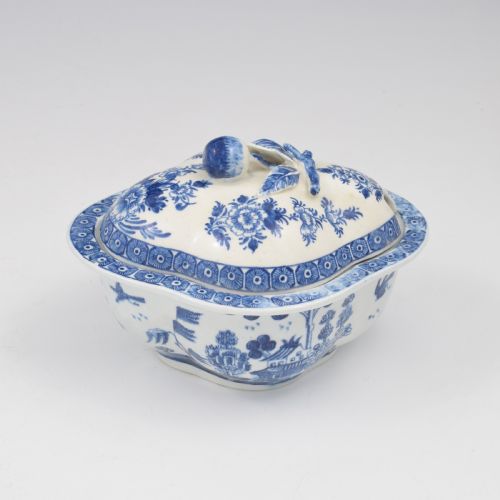
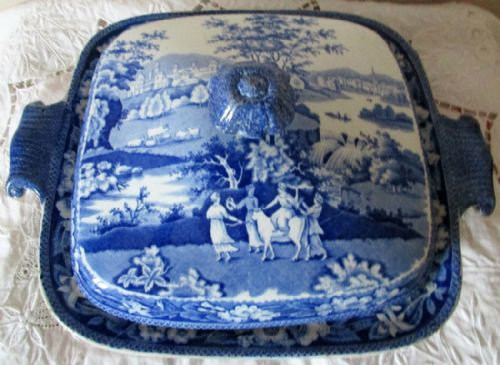
Makers utilised earthenware, ironstone, porcelain, and heavy lead glaze to construct these domestic centerpieces. Victorian majolica and blue and white transfer patterns frequently appear across the available inventory.
How they were made
Potters shaped these vessels using traditional clay bodies such as durable ironstone, fine porcelain, and absorbent earthenware. Moulding techniques allowed workshops to produce complex novelty forms like poultry and crustacean bodies with fitted lids.
Surface decoration involved hand-painting, transfer printing in blue and white, and the application of rich lead glazes or flashes of gilt. Kiln firing fixed the body and glaze, creating the hardwearing finishes seen on surviving pieces from the nineteenth century onwards.
Retail Price Guide 2026
Typical UK retail prices for ceramic tureen, calculated from the Sellingantiques database of over a million retail prices indexed since 2003. This retail price guide relies exclusively on Sellingantiques data; no external sources or auction records are used, so the figures do not describe the wider market.
Materials represented across the inventory include porcelain, ironstone, lead glaze, and earthenware.
What varies in quality
Quality rests upon the crispness of the moulded detail and the precision of the hand-painted or transfer-printed decoration. Finer pieces display careful alignment of lids, well-defined handles, and rich, even glaze application without pooling or dull spots.
Novelty and sculptural forms reveal quality through anatomical accuracy and spirited modelling rather than stiff or generic shaping. Maker attribution also separates standard commercial output from the exceptional work of renowned factories.
Woods Ivory Ware·Minton·Mason's Ironstone·Chamberlain Worcester·John Rogers and Son·Turner
The Antique Ceramic Tureen Glossary
- Ironstone
- A heavy, durable type of earthenware patented in the nineteenth century. It resists chipping far better than standard earthenware.
- Transfer printing
- A decoration technique where an engraved metal plate transfers a design onto paper and then onto the ceramic surface before glazing. Blue and white transfer designs are common in Georgian and Victorian wares.
- Lead glaze
- A glossy coating containing lead oxide applied to pottery before firing. It provides a waterproof and shiny finish to earthenware bodies.
Frequently Asked Questions
How were antique tureens used?
These vessels sat at the centre of the dining table during formal meals to hold and keep warm soups, stews, or boiled vegetables.
Servants would lift the heavy lids at the table to ladle portions directly onto individual plates for diners.
Are these tureens safe for food?
While many historic pieces contain lead in their glazes, casual use for dry foods or modern display is common.
Avoid serving acidic foods or liquids in older earthenware and lead-glazed vessels to prevent leaching.
How do I date an antique tureen?
Examine the base for maker marks, registration diamonds, or impressed factory stamps that point to specific decades of production.
Style, weight of the ceramic body, and glazing characteristics also help narrow down whether a piece belongs to the Regency or Victorian era.