



Antique Ceramic Tea Bowl
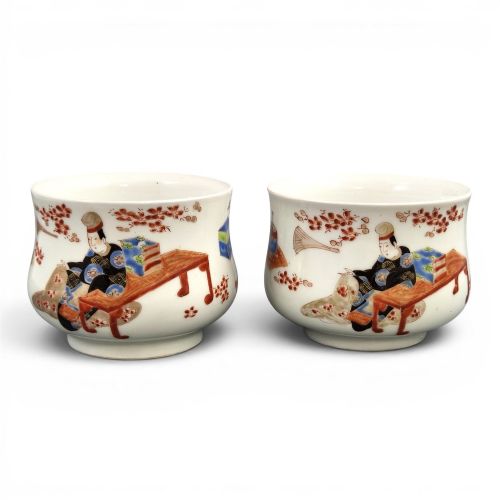
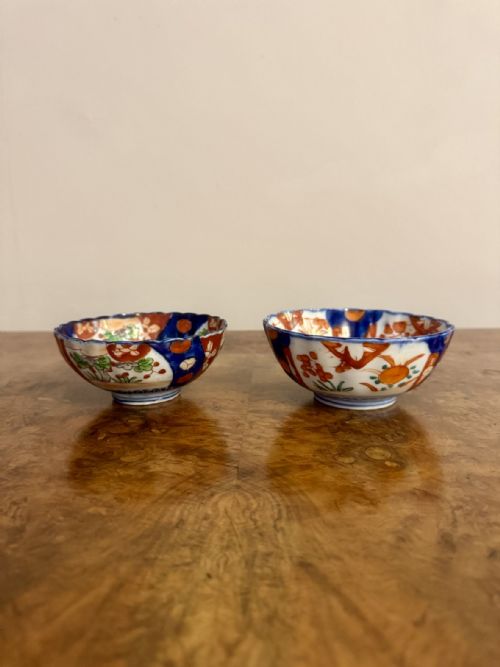
These antique ceramic tea bowl examples bridge centuries of East Asian and European potting traditions, prized for their intimate scale and delicate painted surfaces.
Antique Ceramic Tea Bowl
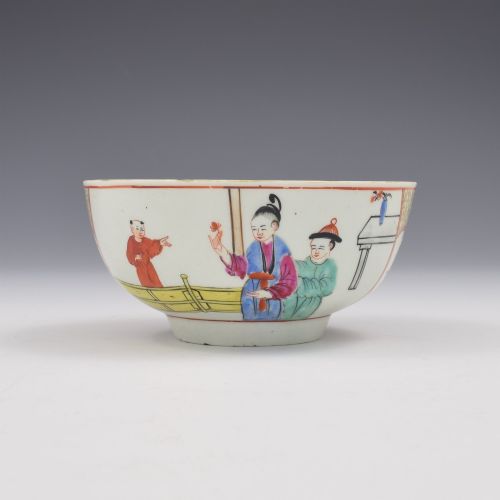
An antique ceramic tea bowl represents a compact drinking vessel designed without a handle, originating from Chinese and Japanese traditions and later adopted by European manufactories.
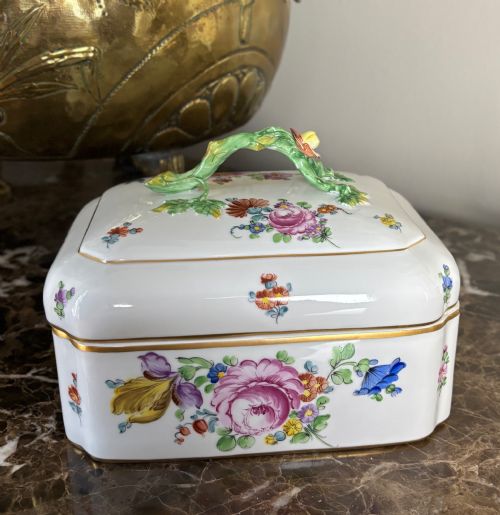
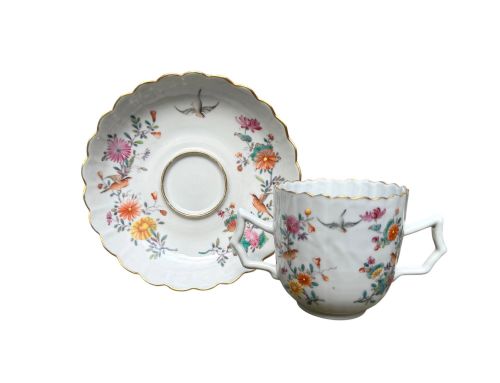
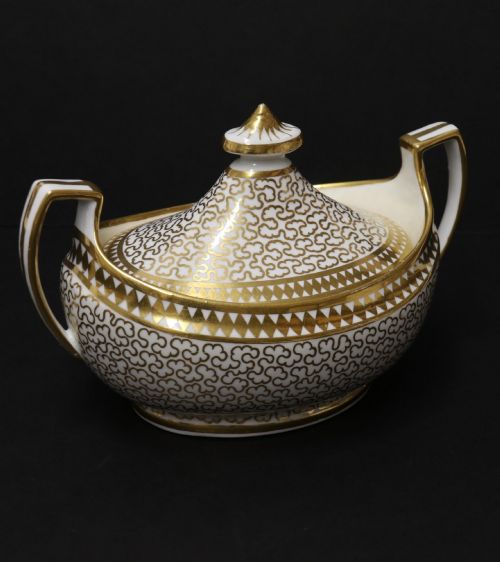
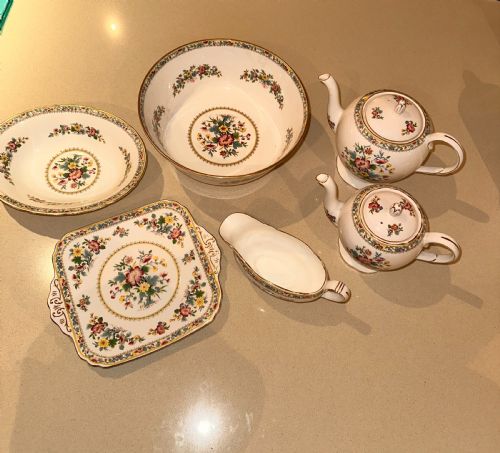
The versions most frequently met on this page span the eighteenth century to the early twentieth century, taking the form of standalone cups, matched saucers, and sugar boxes or slop bowls.
Makers across Georgian England, Qing dynasty China, and Meiji period Japan utilised porcelain, soft-paste porcelain, and creamware pottery to shape these diminutive vessels.
Materials and techniques
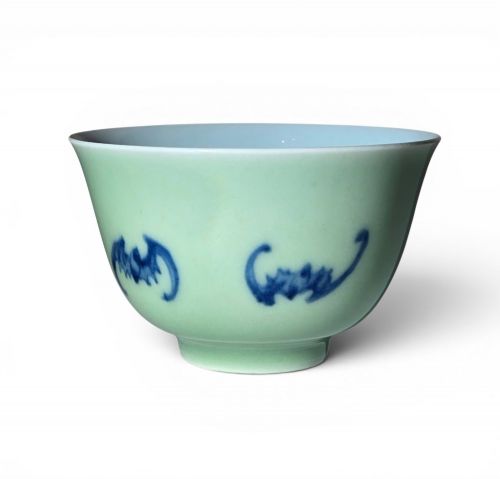
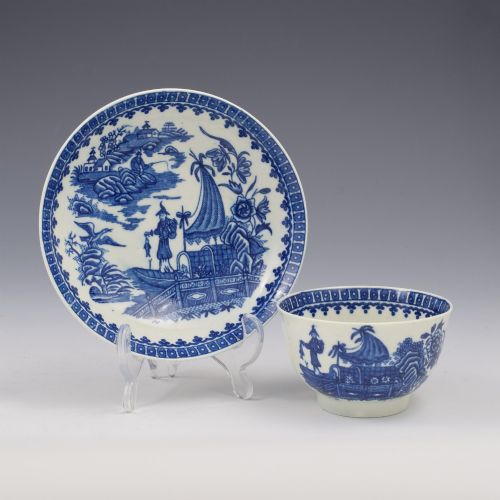
Potters shaped hard-paste porcelain, soft-paste porcelain, and creamware pottery on the wheel or in moulds before applying underglaze blue, cobalt glaze, or celadon ground.
Decoration relied on meticulous hand-painting, integrating enamel, gold leaf, and gilt details over the fired ceramic body.
The listings span the 18th century to the early 20th century, featuring porcelain, soft-paste porcelain, creamware, and enamel.
Assessing quality
Excellence resides in the crispness of the hand-painted motifs and the purity of the porcelain body, distinguishing masterworks from simpler domestic wares.
The precision of cobalt application, the stability of the glaze, and the delicate integration of gilt highlights separate standard production pieces from finer cabinet examples.
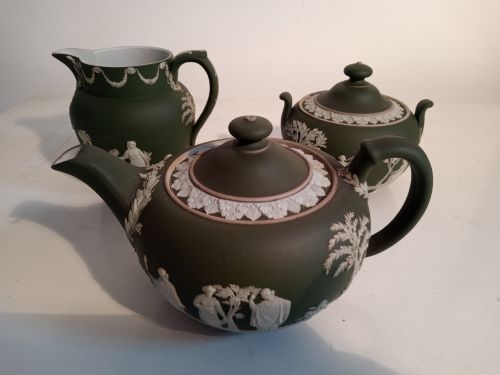
Dr Wall Worcester·Chamberlains Worcester·Spode·Royal Crown Derby·Wedgwood
The Antique Ceramic Tea Bowl Glossary
- Tea bowl
- A small drinking vessel made without a handle, used traditionally for infused leaves.
- Soft-paste porcelain
- A ceramic composition containing glass frit and clay, fired at lower temperatures than true hard-paste porcelain.
- Celadon
- A transparent green glaze over a pale body, producing subtle jade-like tones.
- Sucrier
- A covered sugar bowl or box designed to match a tea service.
- Slop bowl
- A larger bowl used during tea service for discarding leftover tea leaves.
Antique Ceramic Tea Bowl: Frequently Asked Questions
How do I identify an eighteenth century tea bowl?
Look closely at the body paste, footrim finish, and painting style. Eighteenth century examples typically display soft-paste or hard-paste porcelain characteristics distinct from later industrial ceramics.
Hand-potted bodies often feature slight asymmetries and unglazed foot rims where the piece rested in the kiln during its initial firing.
What is the difference between a tea bowl and a teacup?
Traditional tea bowls lack handles, requiring the drinker to hold the warm ceramic body directly in the hands. European factories eventually added handles, transitioning the form toward standard teacups.
Earlier forms follow East Asian customs where the vessel sits comfortably in the palms during quiet consumption.
How were antique tea bowls used?
These vessels held hot tea brewed from loose leaves during formal gatherings or domestic routines. Servants or hosts poured the tea from larger pots into the small bowls for guests.
Unused leaves or unwanted liquid frequently went into a matching slop bowl placed centrally on the table.
Can I use an antique tea bowl for daily tea?
While structurally sound, antique ceramics warrant careful handling due to age and historic material fragility. Hand washing protects delicate enamels and gold leaf decorations from modern detergent wear.
Many collectors prefer display or occasional gentle use to preserve the integrity of eighteenth and nineteenth century surfaces.