


Fluted Tea Bowl
A fluted tea bowl brings eighteenth-century porcelain craftsmanship to the table, offering a tactile drinking vessel shaped with vertical channels.
Fluted Tea Bowl
When searching for a fluted tea bowl, collectors generally encounter eighteenth-century porcelain vessels originating from English factories such as Worcester, Caughley, Derby, and New Hall. These small handleless cups were designed for drinking tea during a period when porcelain was a costly import or an ambitious domestic achievement. The examples meeting buyers on this page span pearlware and soft-paste porcelain, frequently decorated with hand-painted floral motifs or gilding.
The form relies on moulded vertical ribs or spirals that catch the light and add rigidity to the thin ceramic body. Many survive alongside matching saucers, while others appear as individual pieces or part of trios including coffee cups. Eighteenth-century pieces dominate the selection, reflecting the historical peak of this specific drinking vessel before handleless forms largely yielded to teacups with loops.
How They Were Made
Potters shaped these vessels using soft-paste porcelain or pearlware, throwing or pressing the clay into moulds that created the characteristic vertical fluting. The distinctive texture required careful control during firing to prevent the thin walls from warping in the kiln. Once fired, the bowls received underglaze blue painting or overglaze enamel decoration, sometimes enhanced with gilt borders applied by hand.
Factories like Worcester and Caughley utilised specialised paste compositions that gave the porcelain a translucent quality when held to the light. Enamel colours were fixed in a second, lower-temperature muffling kiln, fusing the pigments to the glaze. This method resulted in durable painted surfaces that survived centuries of domestic use.
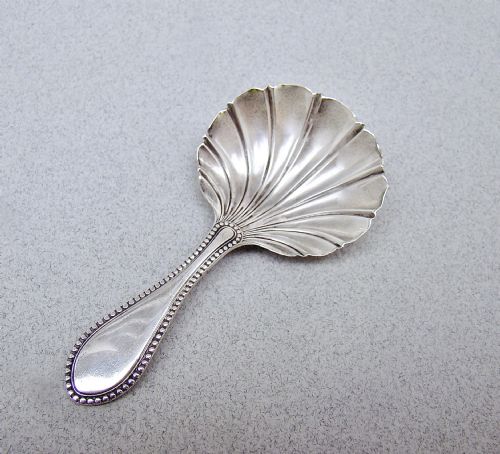
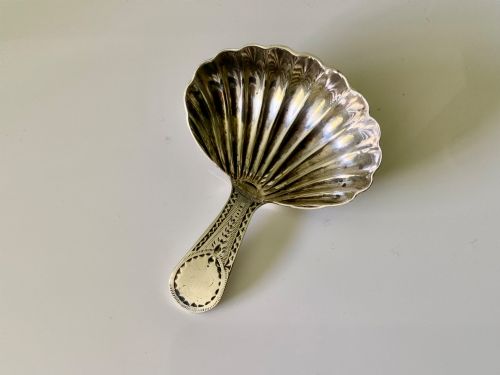
The listings on this site feature soft-paste porcelain, pearlware, and silver caddy spoons spanning the Georgian and Victorian eras.
What Varies in Quality
Quality in a fluted tea bowl rests primarily on the crispness of the moulding and the skill of the hand-painting. Sharply defined channels indicate a well-maintained mould, whereas softened ridges suggest worn production equipment. Painting proficiency separates standard factory output from superior examples decorated with detailed floral sprays or specialised patterns.
The survival of original gilding and the clarity of the glaze further distinguish individual specimens. Pieces showing minimal kiln specks or glaze pooling demonstrate superior factory oversight during production. The presence of matching saucers or documented factory periods enhances the historical integrity of the piece.
Martin Hall And Co·Harry Atkin·James Giles
The Fluted Tea Bowl Glossary
- Soft-Paste Porcelain
- A ceramic material composed of white clay, glass, and ground minerals fired at lower temperatures than hard-paste porcelain. This body type characterises much eighteenth-century English domestic output.
- Pearlware
- An earthenware body developed in the late eighteenth century featuring a bluish-tinted glaze over a fine white paste. It served as an affordable alternative to porcelain.
- Fluting
- Vertical grooves or channels moulded into the surface of a ceramic vessel. The technique adds structural strength and visual texture to thin-walled tea bowls.
- Flight Period
- A phase of Worcester porcelain manufacture dating from the late eighteenth century when Thomas Flight managed the factory. Pieces from this era often carry specific factory marks.
- Sucrier
- A covered pot designed to hold sugar for tea service. These vessels frequently matched the tea bowls and saucers in form and decoration.
Fluted Tea Bowl: Frequently Asked Questions
Why did tea bowls not have handles?
Eighteenth-century tea drinking customs derived from Chinese porcelain traditions where small bowls were held in the hands to gauge the temperature of the brewed liquid. The heat of the freshly poured tea informed the drinker when the beverage was ready to sip.
Without handles, these vessels required a specific grip using the fingertips along the base and rim. This design kept the hands warm while enjoying small portions of concentrated tea.
How do I date an eighteenth-century tea bowl?
Dating relies on examining the paste, glaze characteristics, and factory marks underneath the base. Early soft-paste porcelain often displays slight imperfections and translucency variations unique to specific decades.
Stylistic cues such as the type of floral painting or the presence of spiral fluting also help narrow the production window. Comparing the piece to documented examples from factories like Worcester provides a reliable timeframe.
Can I use antique tea bowls today?
While these bowls were originally functional dining wares, their age and fragile soft-paste ceramic bodies make daily use unwise today. Thermal shock from boiling water can crack historical glazes or weaken the antique material.
Most collectors prefer to display them in cabinets or use them strictly for decorative purposes. Gentle cleaning with lukewarm water without harsh detergents protects the delicate enamels and gilding.
What is the difference between a tea bowl and a teacup?
A tea bowl is a small, handleless drinking vessel designed for early tea service customs. Teacups incorporate a looped handle for lifting the cup away from the hot liquid.
As European tea habits evolved toward larger portions and added milk, factories gradually transitioned production from handleless bowls to handled cups during the late eighteenth and early nineteenth centuries.