


Hand Painted Worcester Bowl
A hand painted worcester bowl carries centuries of ceramic skill, offering delicate porcelain forms and painted decoration that anchor any table.
Hand Painted Worcester Bowl
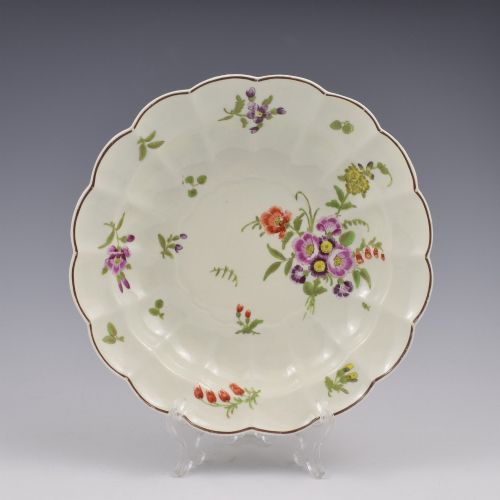
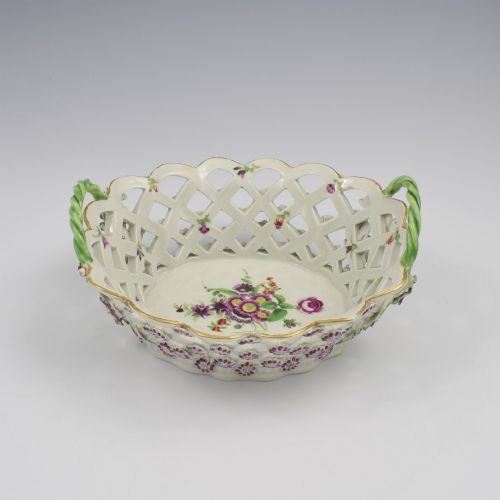
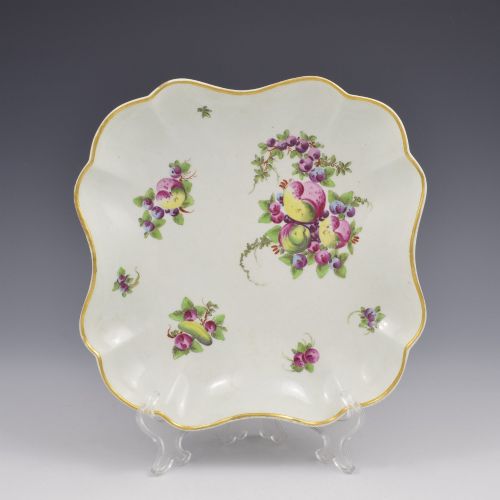
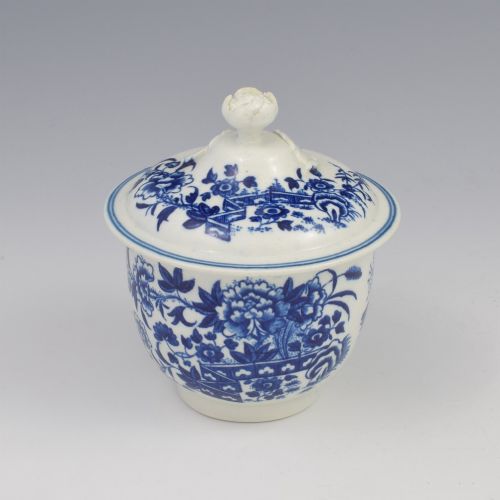
A hand painted worcester bowl covers utilitarian sugar bowls, decorative dessert dishes, and deep soup plates originating from various notable periods. Buyers seeking a hand painted worcester bowl will encounter diverse forms ranging from eighteenth-century soft-paste porcelain to later bone china pieces. The selection spans distinct eras including Georgian, Regency, Edwardian, and twentieth-century productions, each bringing specific aesthetic qualities to the table.
The earliest examples feature Dr Wall and First Period pieces with intricate polychrome painting, fence patterns, and turquoise guilloche borders. Alongside these, Flight Period items and Chamberlain Worcester wares provide classic eighteenth and early nineteenth-century designs like the dragon in compartments pattern. Later items transition into Royal Worcester blush ivory and painted fruit bowls decorated by recognised artists.
Materials and manufacture
Potters shaped these vessels using soft-paste porcelain during the eighteenth century before later factories adopted bone china and standard porcelain bodies. Artisans applied hand-painted pigments directly onto the ceramic surface, incorporating enamel colours alongside detailed gilding and gold leaf accents. Many pieces required multiple firings to set the intricate hand-painted motifs and rich gilt borders firmly onto the glaze.
Specialised decorators executed specific motifs by hand, ranging from botanical floral sprays and bird studies to complex oriental-inspired Chinoiserie scenes. Edges often received rope or shell moulding, while handles and feet were shaped to complement the primary bowl form. Gilding was applied meticulously around rims and borders to frame the central hand-painted imagery.
Listings feature porcelain forms spanning the eighteenth, nineteenth, and twentieth centuries, including soft-paste porcelain, bone china, and gilt-decorated earthenware.
Judging quality and execution
The distinction between standard items and superior examples rests upon the precision and complexity of the hand-painted decoration. Pieces bearing signatures from known artists or specific factory periods command greater attention due to their documented authorship and refined brushwork. The crispness of moulded details, such as fluted walls or rope edges, further demonstrates the maker's technical capability.
Preservation of the original gilding and enamel colours without excessive rubbing determines the visual integrity of a vessel. The clarity of the porcelain body, whether soft-paste or bone china, influences how light interacts with the glaze and the underlying pigment. Superior pieces maintain vibrant, stable colours that remain true to their original period aesthetic.
Royal Worcester·Grainger and Co·Chamberlain Worcester·Flight and Barr
The Hand Painted Worcester Bowl Glossary
- Soft-paste porcelain
- An artificial porcelain composition fired at lower temperatures than hard-paste, common in eighteenth-century English factories. It produces a warm, slightly creamy body ideal for delicate enamel painting.
- Sucrier
- A small covered vessel designed specifically to hold table sugar. These pieces often match tea bowls or cream jugs within a larger service.
- Chinoiserie
- A decorative style reflecting European interpretations of Chinese and East Asian artistic traditions. It frequently appears on Georgian pieces depicting imaginary landscapes and figures.
- Blush ivory
- A matte cream-coloured ceramic ground developed by Royal Worcester in the late nineteenth century. It provides a soft background for hand-painted floral sprays and gilded highlights.
- Flight period
- The era of Worcester porcelain production managed by Thomas Flight between the late eighteenth and early nineteenth centuries. Items from this time often bear specific factory marks indicating ownership changes.
Hand Painted Worcester Bowl: Frequently Asked Questions
How do I identify First Period Worcester?
First Period pieces date from the eighteenth century and typically employ soft-paste porcelain with distinctive underglaze blue painting, scale grounds, or early polychrome enamels. Examining the base often reveals crescent or square seal marks associated with the Dr Wall period.
Brushwork on these early items shows individual artist execution rather than transfer printing, featuring characteristic irregularities and depth in the pigment. The porcelain body itself tends to feel softer and displays a warm translucency when held to the light.
What is painted fruit Worcester?
Painted fruit pieces are highly decorative nineteenth and twentieth-century works featuring detailed studies of natural fruits against mossy backgrounds. These compositions are almost universally signed by specialist factory artists who dedicated their careers to botanical painting.
Such items often include extensive gilding around shaped edges and handles to frame the rich colour palette. They represent a pinnacle of late factory artistry rather than everyday utilitarian tableware.
Can I use these bowls for serving food?
While these vessels were originally created for functional use such as serving dessert, soup, or sugar, antique pieces require careful consideration. Eighteenth-century soft-paste porcelain and heavily gilded nineteenth-century items are generally best reserved for display rather than daily dining.
If utilised for serving dry foods occasionally, ensure no acidic substances remain in contact with the glaze for extended periods. Hand washing immediately after use prevents any potential staining of historical ceramic bodies.