



Gilded Porcelain Tea Bowl
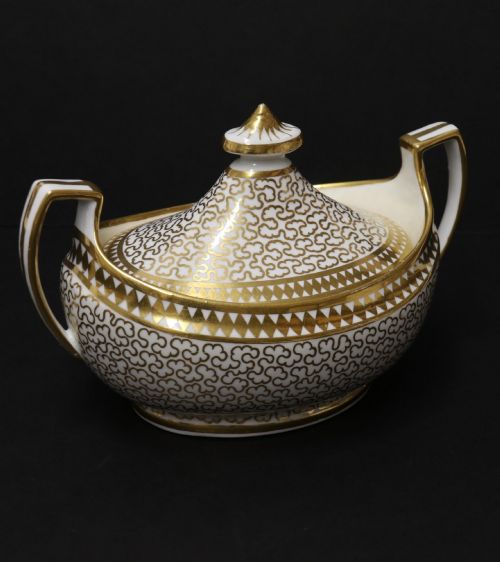
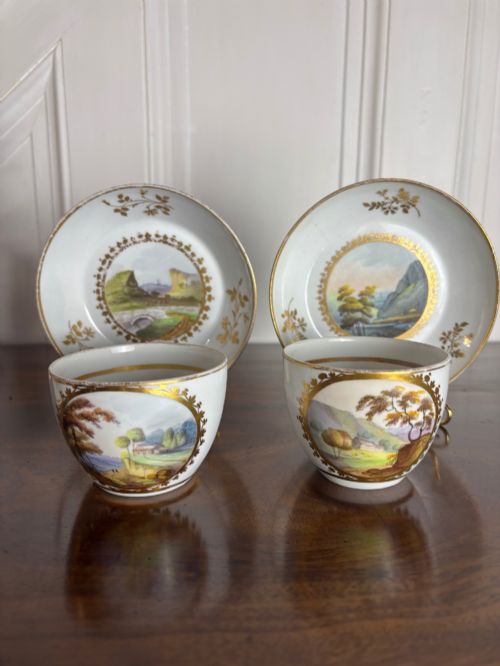
These gilded porcelain tea bowl examples bring tangible 18th century and 19th century craftsmanship to the table.
Gilded Porcelain Tea Bowl
A gilded porcelain tea bowl represents a focused category of historic ceramic drinking vessels designed without handles, often accompanied by matching saucers or forming part of broader tea services. When searching for a gilded porcelain tea bowl, buyers encounter pieces originating from English factories like Worcester and Derby, alongside continental and Japanese examples.
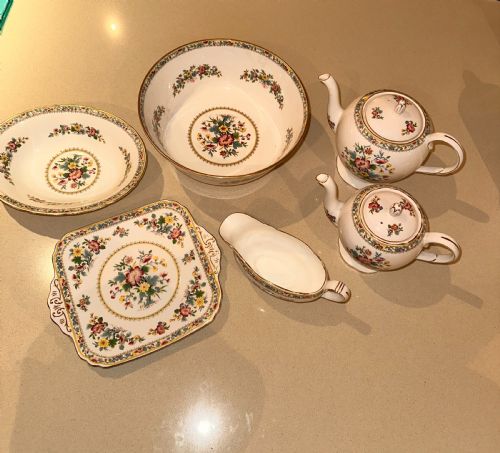
The selection on this page spans from the 18th century through the 19th century, capturing periods such as the Regency and Victorian eras, as well as later 20th century items. Forms range from standalone fluted bowls to intricate trios, sugar boxes, and full afternoon tea sets decorated with gold leaf or gilt details.
How they were made
Makers utilised hard-paste porcelain, soft-paste porcelain, and bone china as the primary ceramic bodies for these vessels, shaping them on wheels or via moulds. Artisans then applied hand-painted enamels and intricate patterns before adding gold leaf or liquid gilding to rims, borders, and motifs.
Kiln firing fixed the enamel colours and bonded the metallic gilding to the porcelain surface, a technique requiring precise temperature control to achieve a durable finish. Many pieces combined cobalt blues and polychrome landscapes with bright gilt highlights.
Listings feature porcelain from the 18th century, 19th century, and early 20th century, utilising hard-paste porcelain, soft-paste porcelain, bone china, and gold leaf.
What varies in quality
Quality in these ceramics rests upon the crispness of the porcelain moulding, the refinement of the ceramic body, and the precision of the hand-painting. Superior examples display finely executed landscapes or intricate borders without smudging in the enamel work.
The application of the gilding also dictates the standard of the piece, with heavier, burnished gold leaf indicating superior workshop standards compared to flat, thin gilt washes. Maker attribution, such as early Worcester or Spode periods, further distinguishes finer examples from standard commercial output.
Chamberlains Worcester·Minton·Spode·Royal Crown Derby·Ridgway·Coalport
The Gilded Porcelain Tea Bowl Glossary
- Sucrier
- A sugar bowl or sugar box, often supplied with a matching cover as part of a tea service. These vessels mirror the decorative motifs of the accompanying tea bowls.
- Trio
- A matching set comprising a teacup, a saucer, and a matching plate for small cakes or bread. They frequently appear in 18th century and 19th century English porcelain collections.
- Soft-Paste Porcelain
- An artificial ceramic paste fired at lower temperatures than hard-paste porcelain, common in early English factories like Worcester. It produces a warm, slightly translucent body.
- Imari
- A decorative style characterised by underglaze blue and iron-red enamel combined with abundant gilding, heavily influenced by Japanese export wares. Victorian potteries frequently adopted this palette.
- Guilloche
- An architectural pattern of intersecting curved bands, often used as a border decoration on porcelain rims and saucers. It adds geometric structure to hand-painted floral or landscape scenes.
Gilded Porcelain Tea Bowl: Frequently Asked Questions
How do I date a gilded porcelain tea bowl?
Dating relies on factory marks, paste composition, and stylistic clues such as Regency borders or Victorian Imari palettes. Comparing the ceramic body and gilding style to documented pieces from makers like Worcester or Spode helps narrow the decade of production.
Examining any labels, hand-written pattern numbers on the base, and the specific form of the bowl or saucer provides further chronological context. Pieces from the 18th century often feature soft-paste bodies and delicate hand-painted landscapes, while later 19th century items utilise bone china and more standardised transfer-printing.
Were these tea bowls used for drinking everyday tea?
Historic tea bowls served wealthy households during periods when tea was an expensive, prized commodity. Without handles, these handleless vessels were held in the palms to sip hot tea.
Over time, as afternoon tea culture evolved during the Victorian era, handleless bowls largely gave way to teacups with handles, relegating older bowls to display or specialist tea service duties.
How should I clean my antique porcelain?
Antique porcelain and delicate gilding require gentle hand washing in lukewarm water using mild, non-abrasive soap. Submerging pieces for long periods or placing them in modern dishwashers can strip away fragile enamel and gold leaf.
Drying them immediately with a soft, lint-free cloth protects the surface. Avoid using harsh chemical cleaners or abrasive sponges on the gilt highlights.
What is the difference between a tea bowl and a teacup?
A traditional tea bowl is handleless, requiring the drinker to cradle the vessel directly in their hands. Teacups feature an attached handle for gripping.
Tea bowls represent earlier 18th century drinking habits influenced by Chinese porcelain imports, whereas cups with handles became standard practice by the 19th century.