


White China Saucer
A white china saucer brings refinement to the table, pairing utility with delicate artistry across centuries of ceramic design.
White China Saucer
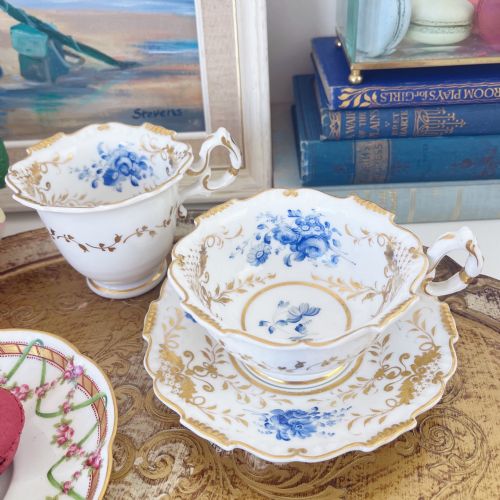
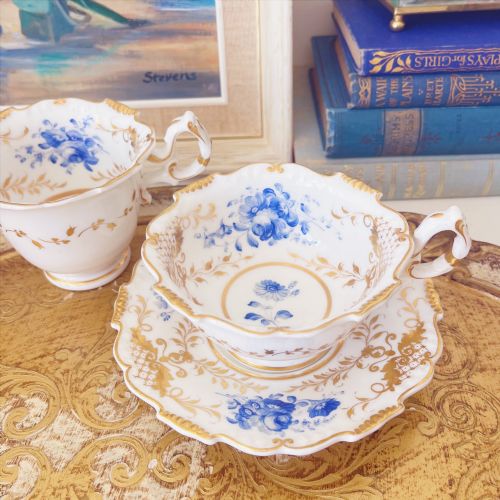
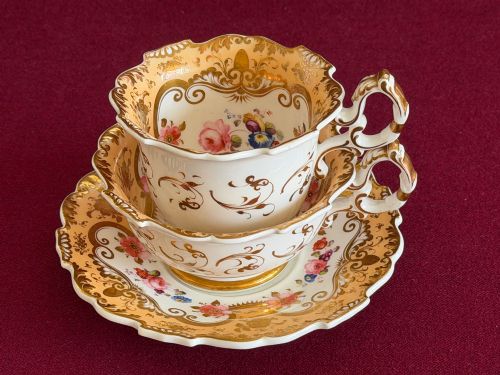
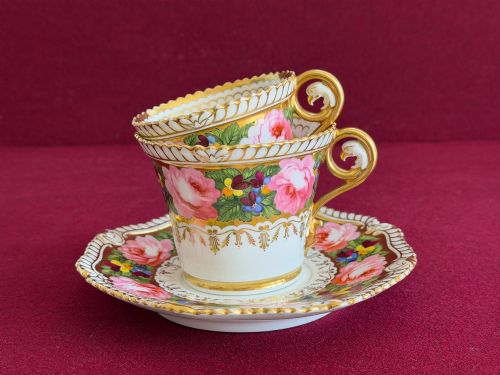
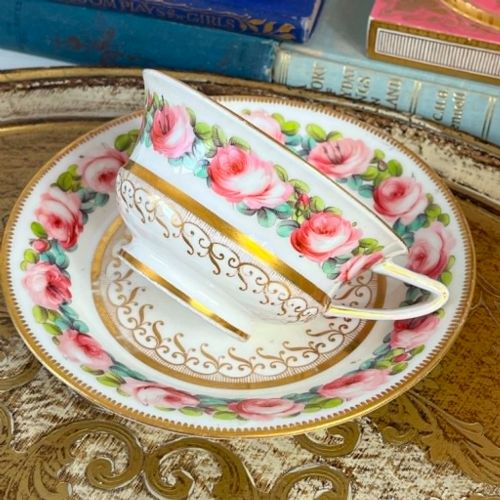
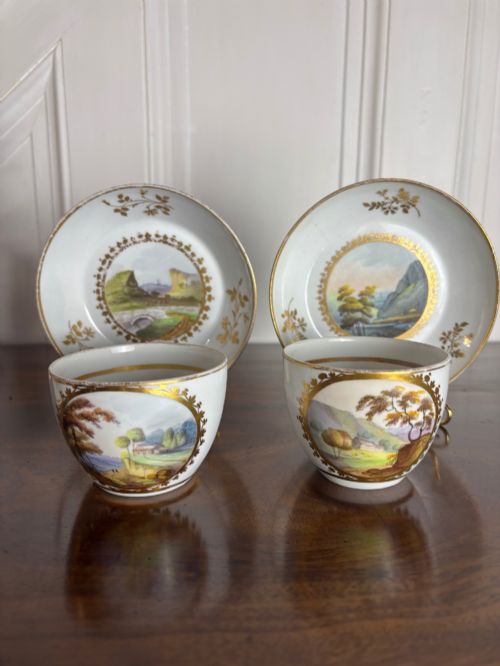
A white china saucer forms part of a traditional tea or coffee service, serving as a stable base for matching cups or standing alone as a decorative dish. When searching for a white china saucer, buyers encounter forms ranging from eighteenth-century soft-paste porcelain tea bowls to nineteenth-century bone china trios.
The pieces on this page span the eighteenth, nineteenth, and early twentieth centuries, encompassing Georgian and Regency styles alongside earlier imported wares. Domestic English potteries and continental European factories predominate, joined by traditional Chinese export ceramics.
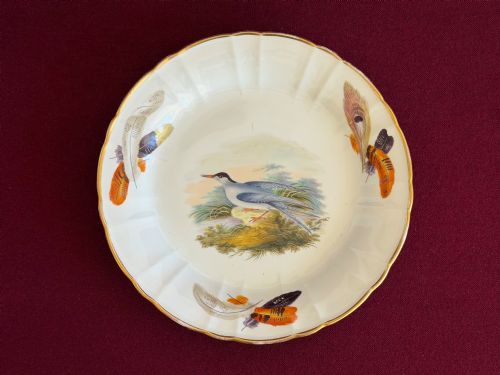
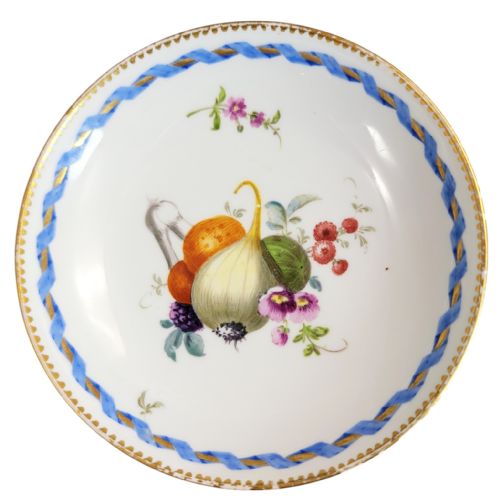
Many items appear alongside matching cups or within larger tea sets, while others survive as individual cabinet plates or deep saucer-dishes. The selection bridges utilitarian dining wares and collectable decorative objects intended for display.
Materials and manufacture
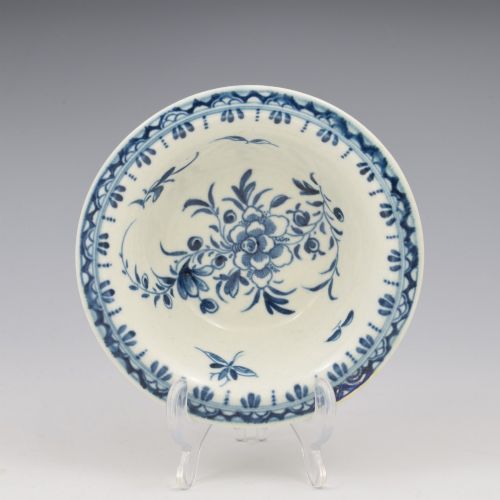
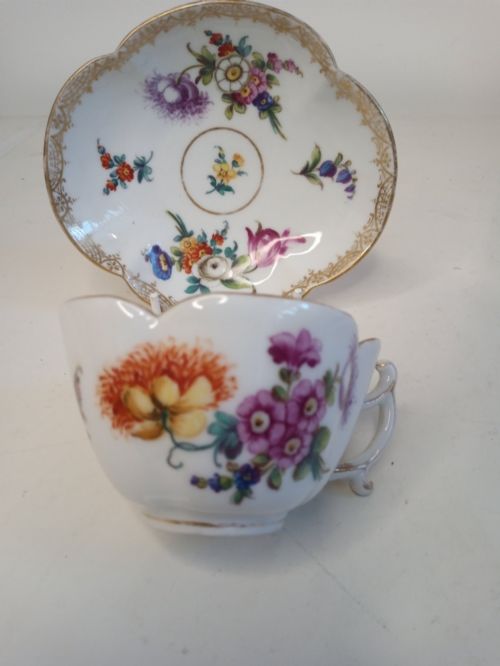
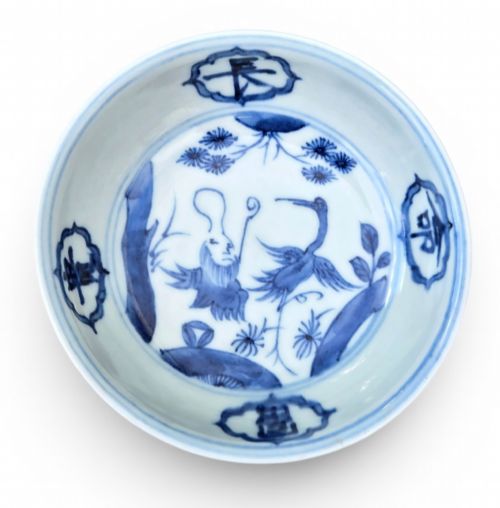
Potters shaped these objects from hard-paste and soft-paste porcelain or bone china, applying cobalt blue underglaze decoration or handpainted enamel overglazes. Gilding with gold leaf frequently highlights rims and borders, adding metallic contrast to the brilliant white ground.
Early works rely on meticulous hand-throwing and moulding techniques characteristic of eighteenth-century factories, while later Victorian and Edwardian production incorporates refined industrial methods. Cobalt glaze provides deep blue motifs under the transparent coat, and enamel pigments deliver multicoloured floral or landscape scenes.
Certain nineteenth-century patterns carry whimsical nineteenth-century service names like "Crazy Cow" and "Bengal Tiger".
Quality factors in porcelain
Superior examples display crisp potting with translucent body walls and precise handpainted details executed by skilled ceramic artists. The clarity of the white porcelain ground and the stability of the glaze define the baseline of manufacturing excellence.
Distinction also rests in the historical importance of the decorating workshop or porcelain factory, as well as the preservation of original gilding and enamel colours. Pieces carrying documented patterns or identifiable historical service connections command greater attention from collectors.
H & R Daniel·Wedgwood·Chamberlain Worcester·Davenport·Dr Wall Worcester·Minton·Meissen·Coalport·Flight Barr and Barr·Royal Albert Crown China·Arita·Lowestoft·Spode Copeland·Gladstone potteries
The White China Saucer Glossary
- Bone china
- A type of soft porcelain incorporating animal bone ash, producing a strong, highly translucent white body.
- Soft-paste porcelain
- An early European porcelain composition made from white-firing clay mixed with glass frits and ground minerals, fired at lower temperatures than hard-paste.
- Cobalt glaze
- A metallic oxide pigment applied under the glaze to produce deep blue decorative patterns that withstand high kiln temperatures.
- Enamel
- Opaque coloured glass fused to the surface of fired porcelain over the glaze, often applied by hand in detailed pictorial scenes.
- Tea bowl
- A handleless drinking vessel used before the widespread adoption of handled teacups, typically paired with a matching saucer.
White China Saucer: Frequently Asked Questions
What is a white china saucer?
A white china saucer is a small ceramic dish designed to hold a matching teacup or coffee cup, or to serve small portions of food.
Over the centuries, these pieces evolved from handleless tea bowl accompaniments into standardised plates featuring handpainted or transfer-printed decoration.
How do I date an antique saucer?
Dating relies on identifying factory marks stamped or painted on the underside, stylistic cues such as Regency or Rococo forms, and the composition of the ceramic body.
Soft-paste porcelain generally points to eighteenth-century manufacture, whereas bone china and industrial marks become common in the nineteenth century.
Were saucers always sold with cups?
Many saucers were produced as part of a matched trio or a larger tea service alongside cups and tea bowls.
Some survived independently as cabinet plates or decorative dishes, particularly when made as single display items or replacement pieces.
How should I care for antique porcelain?
Antique porcelain requires gentle hand washing in lukewarm water using mild detergent, avoiding abrasive sponges or modern dishwashers.
Displaying pieces away from direct sunlight protects delicate enamel colours and nineteenth-century gilding from fading over time.