


Antique Ceramic Table Centrepiece
An antique ceramic table centrepiece anchors a dining table or sideboard with sculptural porcelain, earthenware and glaze.
Antique Ceramic Table Centrepiece
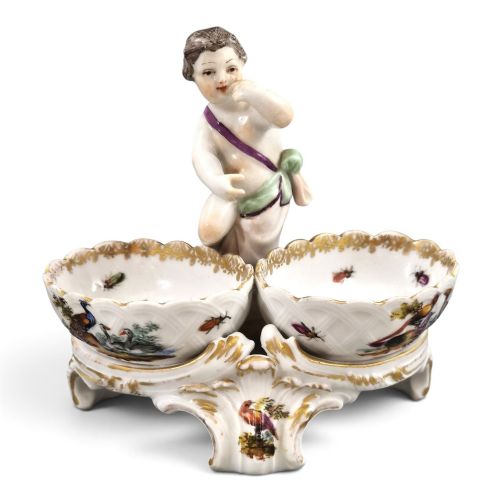
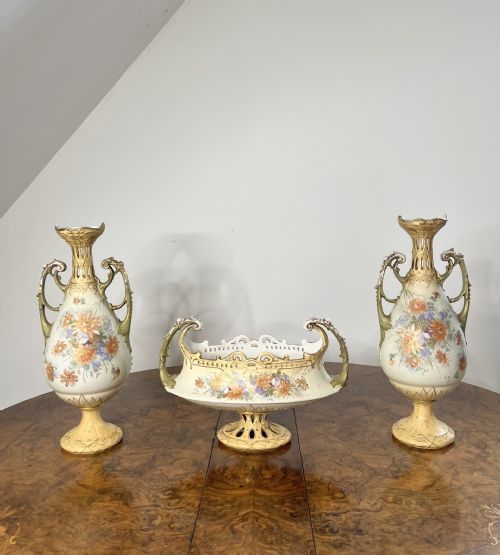
When you search for an antique ceramic table centrepiece, you encounter large ornamental vessels designed to dominate a dining table or sideboard. The selection spans grand figural groups, comports, sweetmeat stands and low bowls.
Most examples you meet on this page hail from the nineteenth century, taking forms shaped by Victorian, Rococo Revival and Art Nouveau tastes. Makers utilised porcelain and earthenware to construct elaborate sculptural statements involving cherubs, figures and floral motifs.
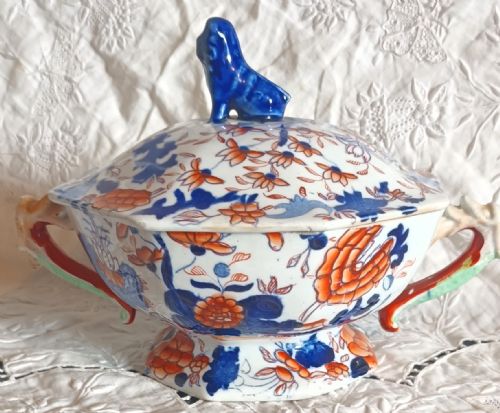
Continental European factories produced many of the figurative centrepieces, while English makers contributed robust ironstone tureens, dessert dishes and pedestal bowls. These objects served as the visual focal point of formal dining arrangements.
Materials and construction
Potters built these centrepieces using hard-paste and soft-paste porcelain, earthenware and ironstone, shaping them by hand or moulding sections before assembly. Artisans applied detailed hand-painting, transfer printing and coloured glazes across the surfaces.
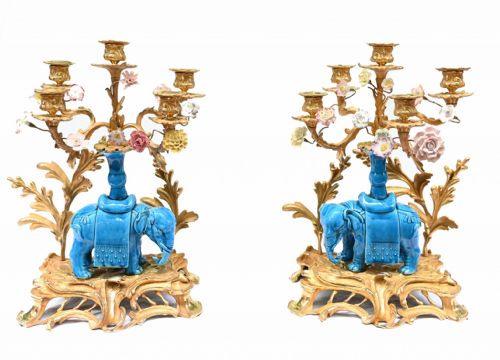
Gilding and gold leaf often highlight raised moulded details, handles and rims on nineteenth-century pieces. Many large figural centrepieces combine modelled porcelain figures with central bowls, baskets or candelabra arms.
Listings feature items spanning the eighteenth century through the twentieth century, encompassing periods from Georgian and Regency to Victorian, Edwardian and Art Nouveau.
Evaluating quality and execution
The distinction between ordinary production and superior work lies in the sharpness of the moulding and the delicacy of the hand-painting. Finest pieces display crisp facial expressions on figures and meticulous brushwork on floral or bird motifs.
Weight, stability and structural ambition separate grand sculptural candelabra and figural groups from simpler utilitarian bowls. Superior examples integrate functional vessel spaces seamlessly with complex figural or architectural bases.
KPM Berlin·Royal Vienna·Doulton Burslem·Meissen·Royal Dux·Royal Worcester
The Antique Ceramic Table Centrepiece Glossary
- Comport
- An ornamental dish raised on a high pedestal, used for serving fruit or sweets in the nineteenth century. These vessels often match dessert service sets.
- Sweetmeat stand
- A small tiered or divided dish designed to hold confectionery, nuts or preserved fruits. They frequently feature figural supports or shell-shaped compartments.
- Gilt bronze
- An alloy of copper and zinc treated with a gold coating, used alongside porcelain in mounts, bases and candelabra arms. This material adds structural support and metallic contrast.
- Ironstone
- A heavy, durable type of earthenware patented in the early nineteenth century to imitate Chinese porcelain. English makers utilised this dense body for robust tureens and serving dishes.
- Jardiniere
- A large ornamental pot or planter designed to hold growing plants or floral arrangements. They appear in ceramic and majolica across Victorian and later periods.
Antique Ceramic Table Centrepiece: Frequently Asked Questions
How were table centrepieces used?
These large vessels sat in the middle of dining tables during formal meals to display fruit, sweetmeats or floral arrangements. They functioned primarily as decorative centerpieces rather than everyday tableware.
Hosts used them to signal status and taste during multi-course nineteenth-century dinners. Many designs incorporated matching side vases, candelabra arms or sweetmeat bowls to complete the table setting.
Where were these ceramics made?
Production centred across major European porcelain capitals, including German towns like Meissen, Dresden, Thuringia and Berlin. Factories in Vienna, France and various English potteries also drove output.
Continental workshops specialised in elaborate figural groups with cherubs and mythological subjects. English potteries focused heavily on ironstone tureens, transfer-printed earthenware and porcelain dessert services.
How do I date a porcelain centrepiece?
Dating relies on factory marks stamped or painted under the glaze, combined with stylistic cues from periods like the Regency, Victorian or Art Nouveau eras. Hand-painted numbers and impressed ciphers help narrow the manufacturing window.
Form and palette provide further clues, as Rococo Revival curves contrast with the clean lines of later Arts and Crafts or Art Nouveau pieces. Comparing the paste and glaze texture against known factory production periods confirms the age.
How do I display an antique centrepiece?
Place these substantial pieces on sturdy sideboards, dining tables or large console tables where their height and weight find proper support. Ensure the surface is level and away from high-traffic household areas.
Keep them out of direct sunlight to protect hand-painted enamel colours and gilding from fading. Displaying them empty lets the moulded porcelain details and figural groups remain the visual focus.