

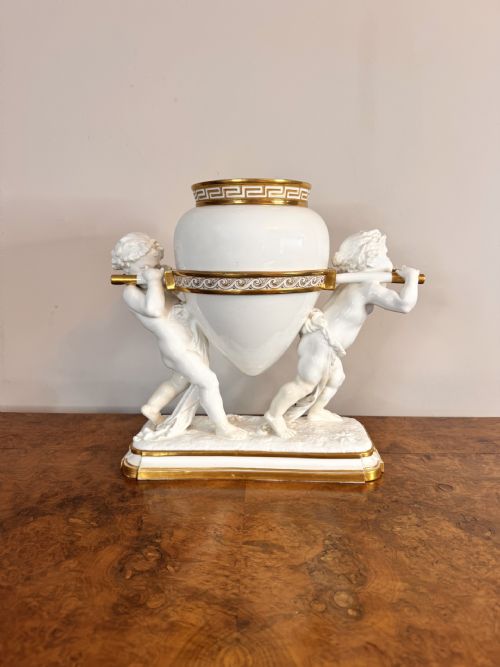



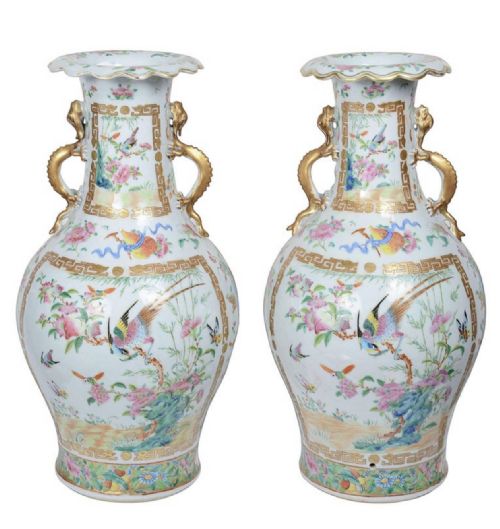


Antique Porcelain Table Display
These pieces for antique porcelain table display bring together decorative ceramics and fine furniture from the nineteenth and early twentieth centuries.
Antique Porcelain Table Display
An antique porcelain table display combines ceramic artistry with furniture or decorative stands designed to showcase porcelain in a domestic interior. These arrangements range from mounted cabinet furniture and vitrines to individual stands, vases, and matched jardinière sets.
The objects seen here date primarily from the nineteenth century into the early decades of the twentieth century, reflecting European revival styles alongside Japanese Meiji period wares and Chinese Qing dynasty pieces. Buyers encounter French Louis XV and Louis XVI revival cabinets alongside English and continental stands that elevate ceramics for display.
Vases, display tables, side cabinets, and occasional tables form the core of these selections. Each piece serves to highlight the porcelain elements, whether through inset plaques, mounted jardinières, or matched decorative groups presented on tiered surfaces.
How they were made
Makers combined traditional ceramic firing with cabinetmaking techniques, mounting fired porcelain plaques and vessels into frames of walnut, satinwood, and ebonised wood. Gilt bronze and ormolu mounts frequently secure the porcelain components within the wooden or glass structures.
Surface decoration relies on applied enamel and gold leaf, particularly on pieces originating from European factories and Asian kilns alike. Structural integrity depends on precise joinery in the associated stands and cabinets, which must support the considerable weight of porcelain and metal mounts.
Antique Porcelain Table Display Retail Price Guide 2026
Typical asking prices for porcelain table display among the pieces listed under this phrase on Sellingantiques today, from the lower quarter to the upper quarter. They describe what is for sale here now, not the wider market.
The selection includes Japanese Meiji period Satsuma wares alongside French revival display furniture and German salon porcelain groups.
What varies in quality
The integration of the ceramic elements into the supporting furniture defines the tier of craftsmanship. Superior examples display seamless framing where ormolu mounts and gilt bronze follow the exact contours of the porcelain plaques without awkward gaps or mismatched patination.
The execution of the porcelain painting itself, from hand-applied enamels to delicate gilding, separates standard production items from finer studio and factory pieces. Higher quality is evident in the crispness of the modelled forms, whether in figurative groups, Satsuma vases, or floral plaques.
Kinkozan Satsuma·Volkstedt Porcelain·Royal Worcester
The Antique Porcelain Table Display Glossary
- Ormolu
- Gilded bronze used for decorative mounts on furniture and porcelain frames. This technique involves applying a fine layer of gold to a bronze base.
- Sèvres
- A renowned French porcelain factory associated with high-status decorative plaques and vessels. Pieces from this tradition often feature rich enamel colours and gilt borders.
- Imari
- A style of Japanese export porcelain characterised by underglaze blue, iron red, and gilt detailing. These wares were widely collected and displayed in European interiors.
- Étagère
- A piece of furniture consisting of open shelves for displaying small objects and decorative items. These tiered stands allow multiple porcelain pieces to be viewed together.
Antique Porcelain Table Display: Frequently Asked Questions
Where were these displays used?
These arrangements traditionally occupied formal reception rooms, salons, and drawing rooms of nineteenth-century homes. They served to showcase imported ceramics and technical skill to visiting guests.
Cabinets and tiered stands placed porcelain at eye level, protecting delicate pieces while contributing to the decorative scheme of the room.
How do I identify a revival style?
Revival pieces borrow motifs from earlier periods, such as the asymmetrical curves of Rococo or the geometric symmetry of Louis XVI designs. Makers in the nineteenth century reinterpreted these historical vocabularies using contemporary manufacturing techniques. Nineteeth-century revival furniture often incorporates modern hinge mechanisms and standardised mount castings alongside hand-finished porcelain.
Are these pieces suitable for daily use?
Most of these items function primarily as decorative fixtures rather than heavy-use furniture. The delicate nature of mounted porcelain plaques and gilt bronze requires careful placement away from high-traffic areas.
Side cabinets and display tables hold lighter decorative objects safely when positioned on stable, level flooring.