


Antique Ceramic Statue
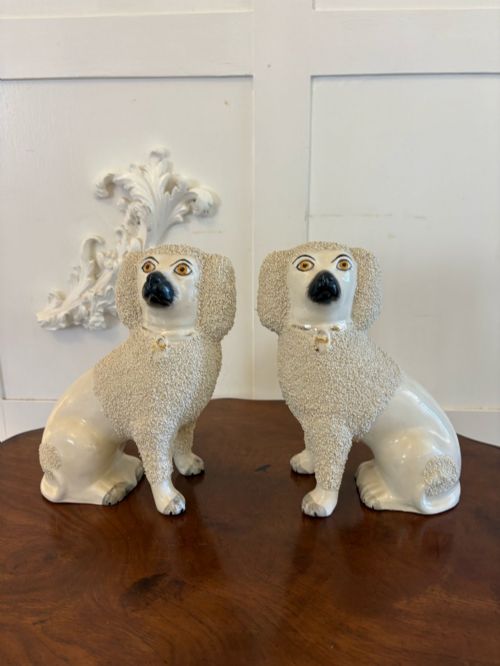
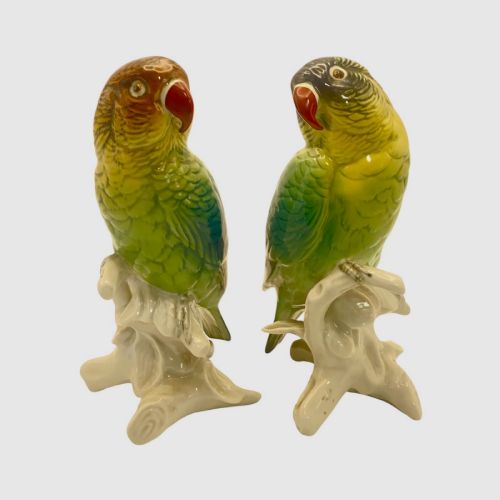
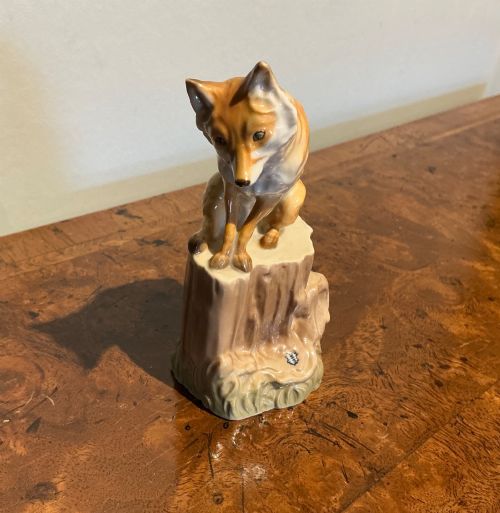
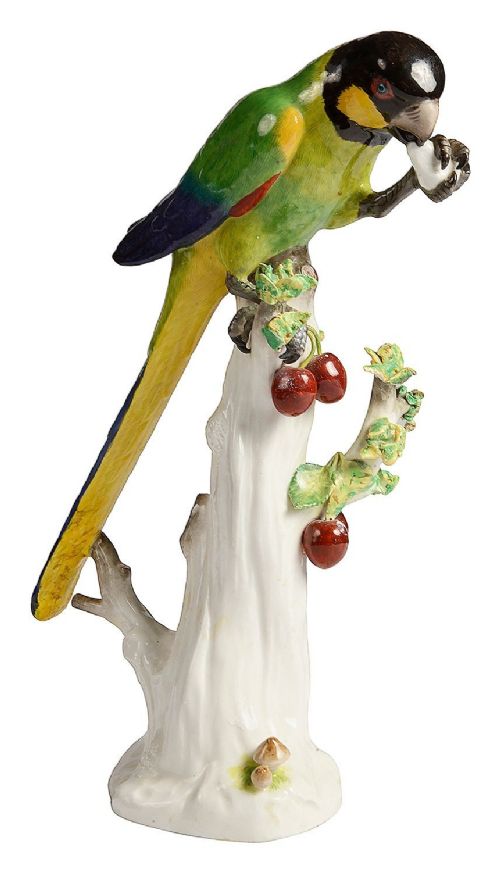
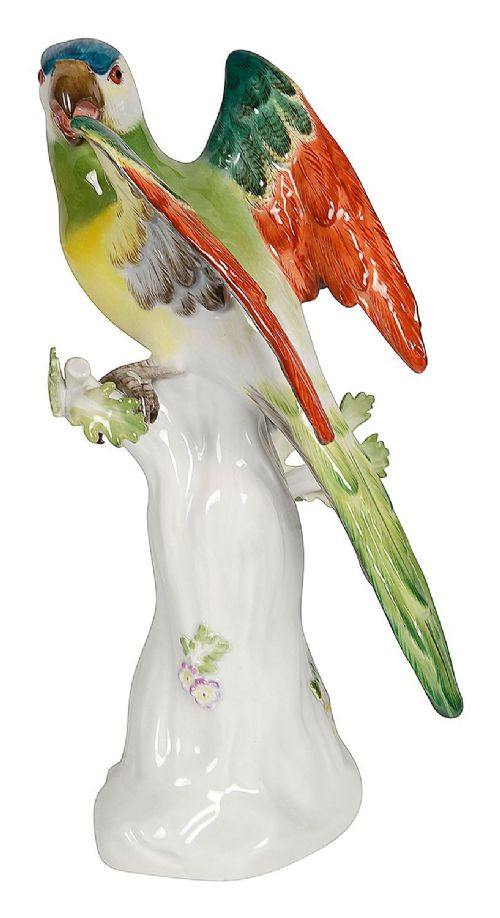
An antique ceramic statue brings sculptural presence to a room, ranging from Staffordshire poodles to Meissen parrots.
Antique Ceramic Statue
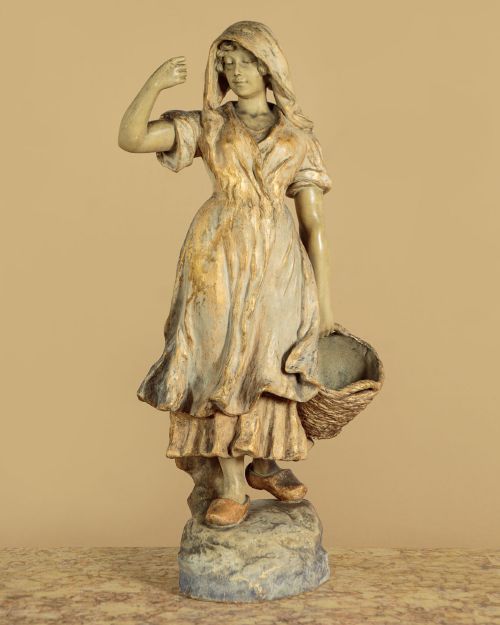
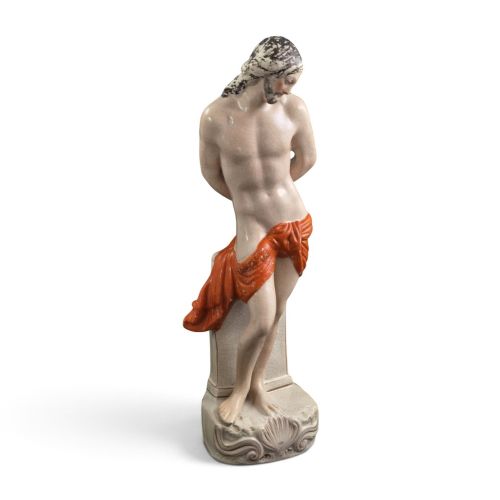
When buyers search for an antique ceramic statue, they encounter a diverse selection of figures, figurines, and sculptural groups spanning multiple centuries. These pieces encompass utilitarian earthenware, delicate bone china, and substantial terracotta works created across Europe and Asia.
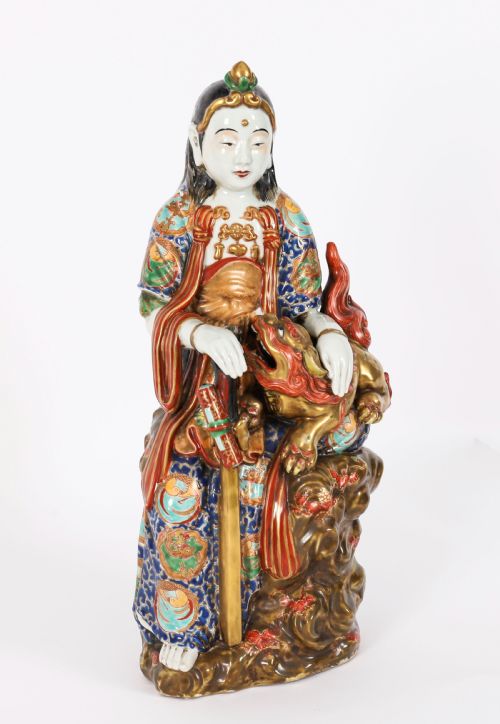
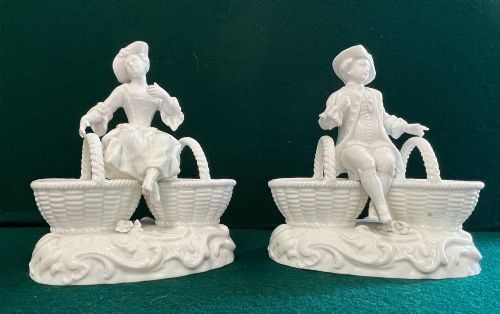
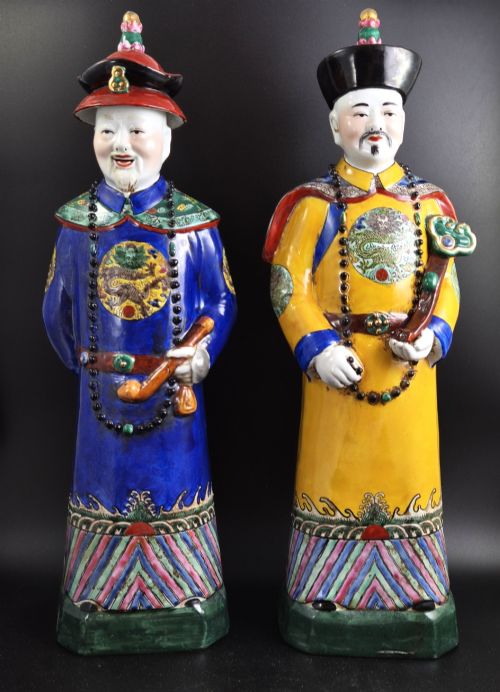
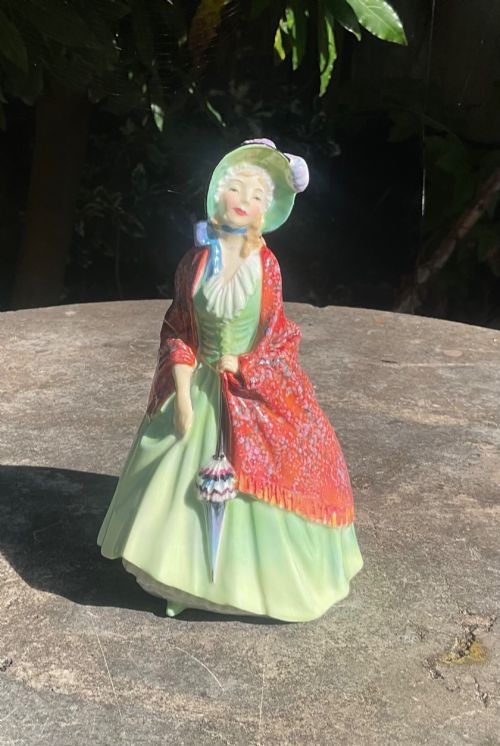
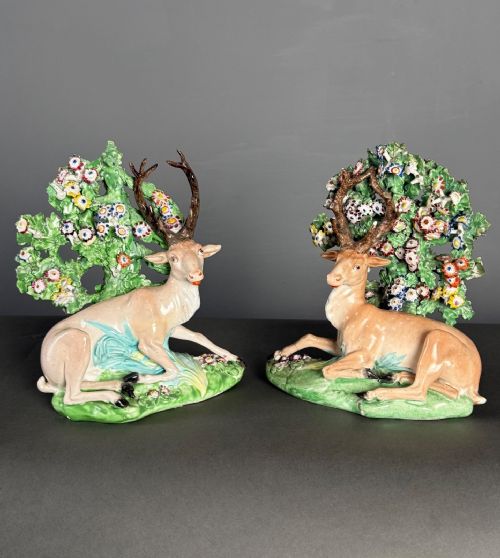
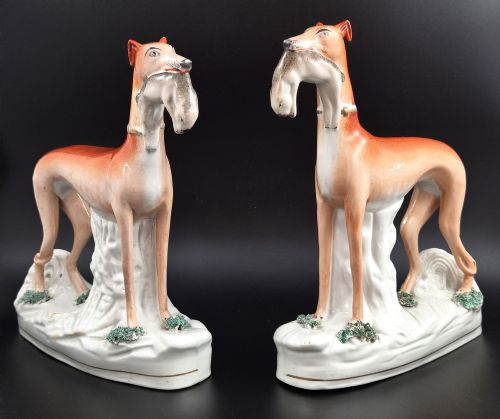
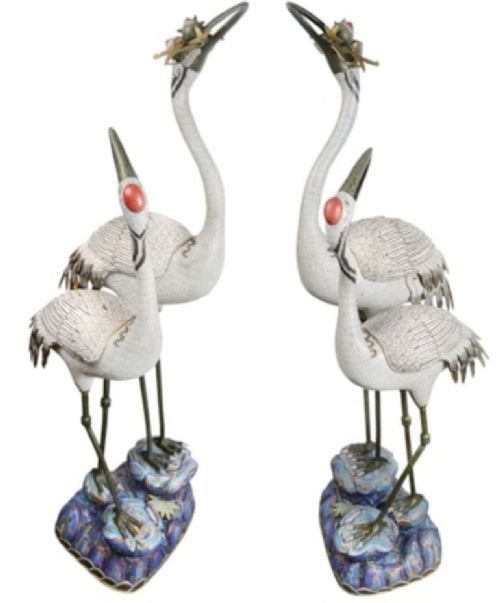
The objects on this page frequently manifest as Victorian Staffordshire animals, Meissen birds, and English porcelain character studies from the nineteenth and early twentieth centuries. Makers from diverse European factories and Japanese kilns contributed to this rich sculptural tradition.
Buyers will discover everything from pairs of earthenware greyhounds and poodles to intricate porcelain figures of deities, historical personages, and allegorical groups. Each form reflects the specific domestic tastes and technical capabilities of its period of origin.
How they were made
Potters and sculptors utilised traditional materials including earthenware, bone china, porcelain, terracotta, and stoneware to shape these figures. Many pieces received hand-painted enamel decoration beneath or above a clear glaze, while others relied on the natural warmth of unglazed terracotta or biscuit porcelain.
Manufacturing techniques involved slip casting in moulds or hand-modelling, followed by high-temperature firing in kilns to vitrify the clay bodies. Artisans then applied intricate details using fine brushes, metallic oxides, and specialised glazes before secondary firings to set the colours permanently.
Antique Ceramic Statue Retail Price Guide 2026
Typical asking prices for ceramic statue among the pieces listed under this phrase on Sellingantiques today, from the lower quarter to the upper quarter. They describe what is for sale here now, not the wider market.
The inventory includes animal figures, human busts, and narrative sculptural groups from European and Asian makers.
What varies in quality
Material composition also dictates standard, with high-fire porcelains and finely levigated earthenwares showing greater durability and refinement than coarse or heavily restored bodies. Original matched pairs and pieces retaining clear factory marks command particular attention for their authenticity.
Goldscheider·Royal Doulton·Meissen·Karl Ens·Nymphenburg·Minton·Royal Dux Bohemia·Royal Worcester·Volkstedt Rudolstadt Factory·Charles Vyse·HB Quimper
The Antique Ceramic Statue Glossary
- Biscuit porcelain
- Unglazed porcelain fired once to a porous state, valued for its matte, marble-like finish. This technique highlights fine sculptural details without the distraction of surface gloss.
- Terracotta
- A porous reddish-brown earthenware fired at lower temperatures, often used for expressive figural sculptures. Artists frequently left these pieces unglazed to display the natural texture of the baked clay.
- Parian ware
- A fine-grained white porcelain developed in nineteenth-century Britain to imitate carved marble. It is notably dense and possesses a smooth, slightly lustrous surface ideal for classical busts and figures.
- Staffordshire pottery
- Earthenware figures and animals produced by numerous potteries in the English Midlands during the nineteenth century. These cheerful, brightly decorated pieces were designed for cottage mantelpieces.
- Enamel
- Vitreous pigments applied over the glaze and fired at a lower temperature to add vibrant colours to porcelain and pottery. This technique permitted a wider palette than underglaze painting.
Antique Ceramic Statue: Frequently Asked Questions
How do I clean an antique ceramic figure?
Dust the surface gently with a soft, dry brush to prevent the accumulation of dirt in crevices.
Avoid using water or chemical cleaners, as moisture can damage fragile painted surfaces or old repairs.
Were these statues meant for display?
Most of these ceramic figures served as decorative ornaments for mantelpieces, sideboards, and drawing-room display cabinets.
Larger terracotta and porcelain sculptures were also placed on pedestals or tables to enhance interior decor.
How can I tell the period of a figure?
Examine the base for maker marks, factory stamps, or incised numbers that correspond to known production dates.
Style, glaze characteristics, and the wear patterns on the underside also provide reliable clues to age.
Are painted details original?
Original hand-painted enamels typically show age-appropriate wear and integrate smoothly with the underlying glaze.
Closer inspection under magnification can reveal whether colours were retouched or added at a later date.