

Antique Ceramic Serving Plates
Antique ceramic serving plates are traditional tableware pieces brought out for presentation and dining, offering both decorative charm and historical utility.
Antique Ceramic Serving Plates
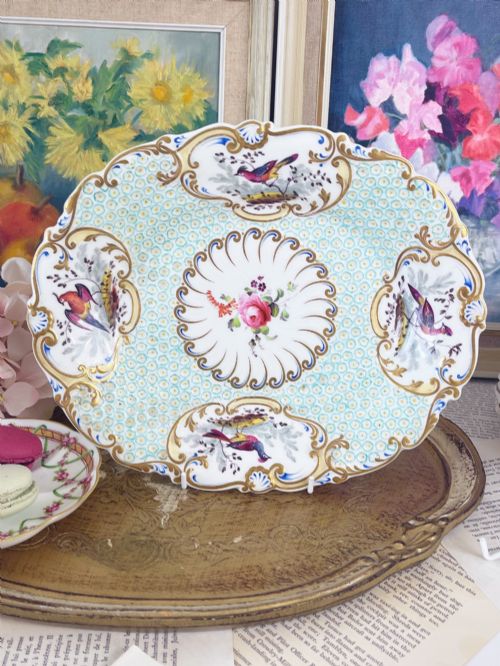
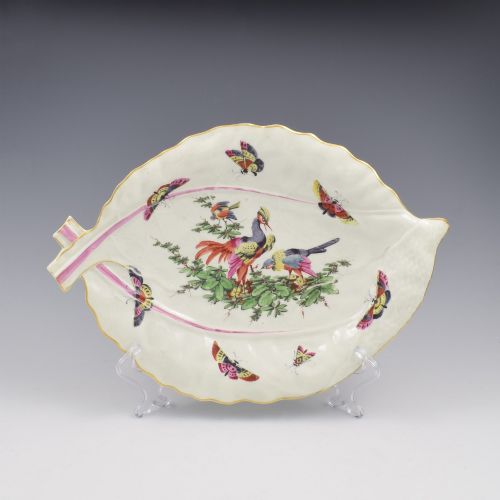
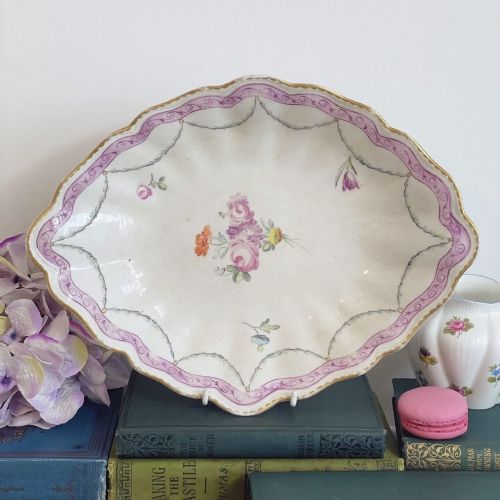
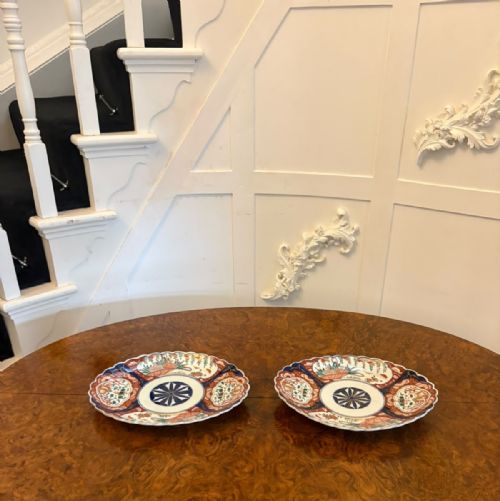
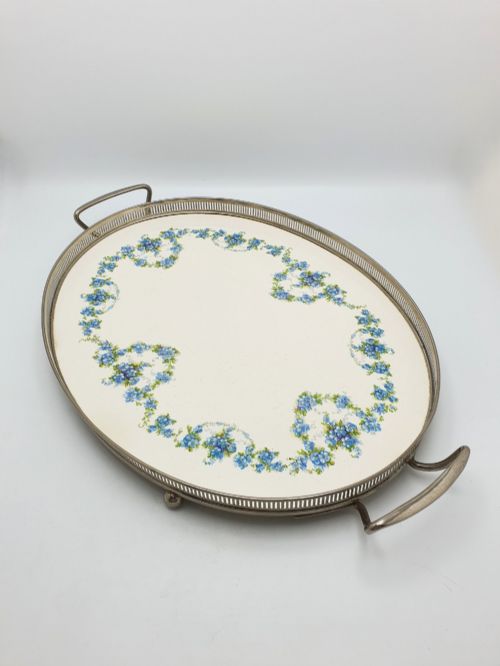
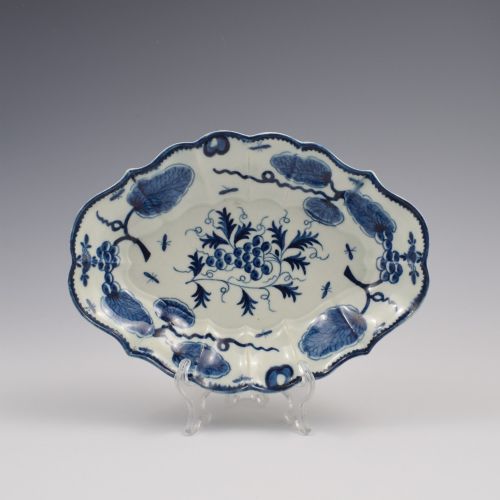
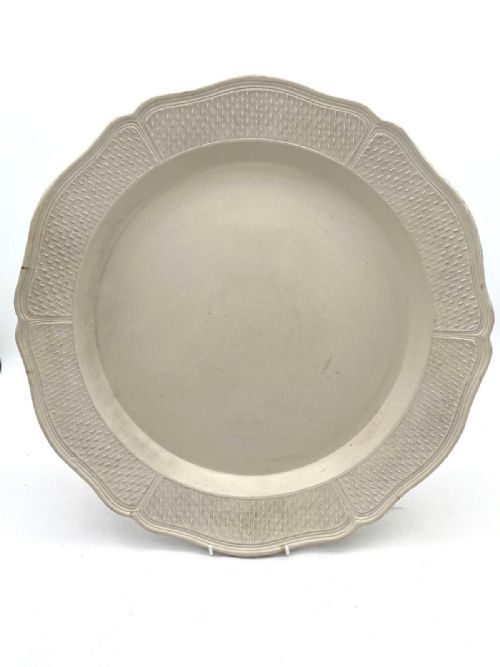
These antique ceramic serving plates span several centuries of production, originating from English factories, European potteries, and Asian export kilns. Buyers searching this phrase encounter platters, chargers, and dishes intended for meat, dessert, or general presentation.
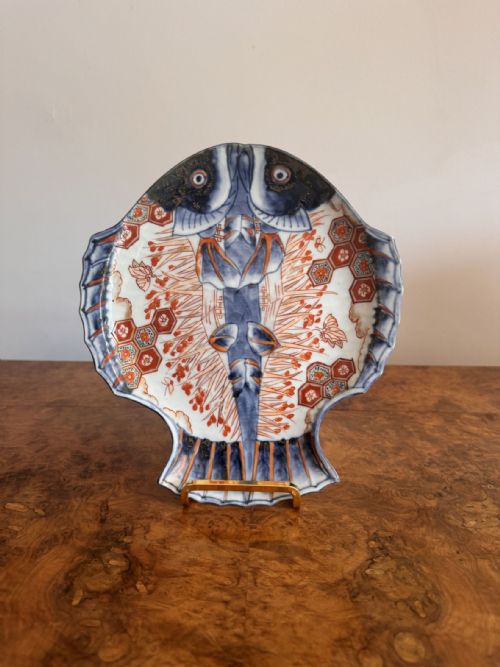
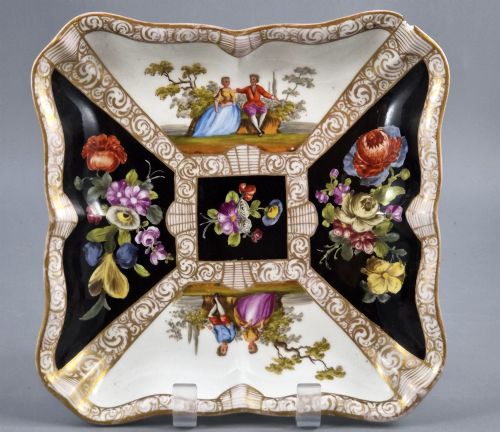
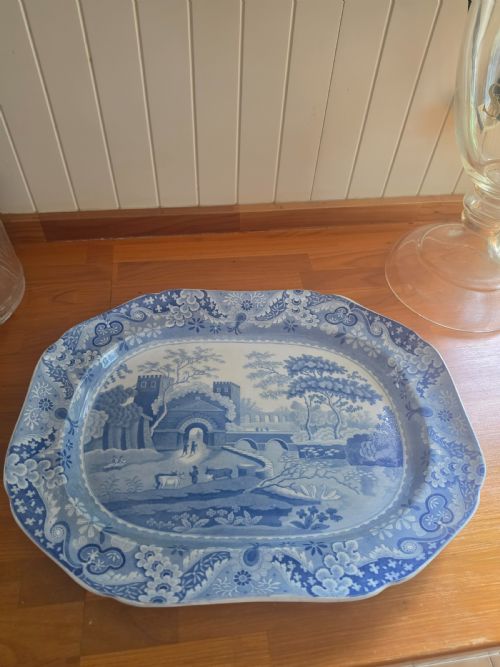
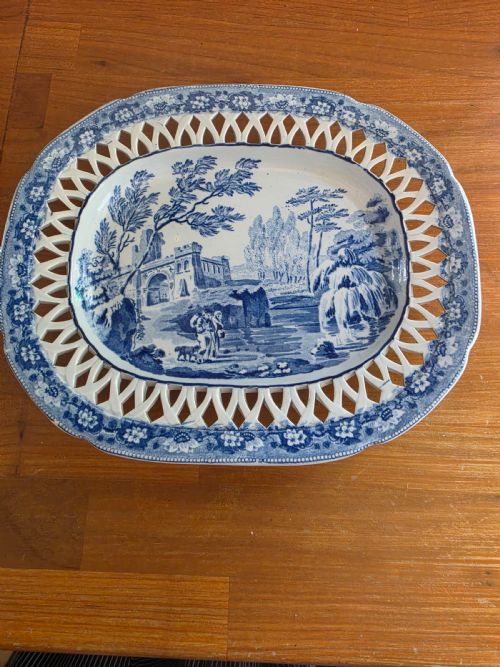
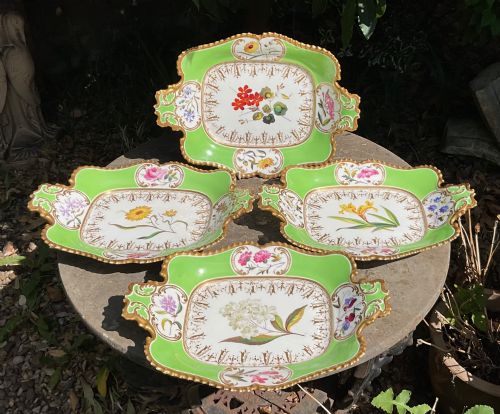
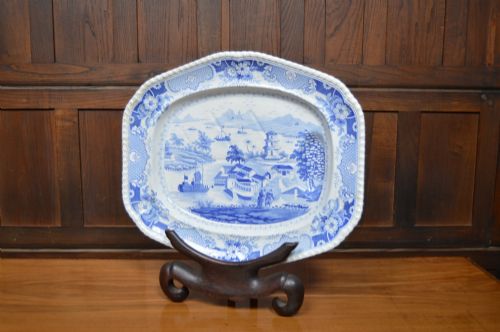
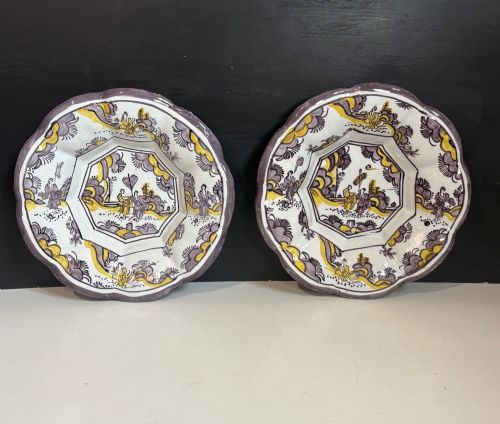
Earlier examples include eighteenth-century Worcester and Delft items, while nineteenth-century products showcase transfer-printed designs and hand-painted botanical motifs. Common forms range from simple oval meat plates to lobed dessert dishes and fish-shaped plates.
Materials and production methods
Makers utilised porcelain, earthenware, ironstone, and salt-glazed ceramic bodies shaped by hand or moulded into specific forms. Tin glazes and transparent lead glazes provided the smooth surfaces necessary for subsequent decoration.
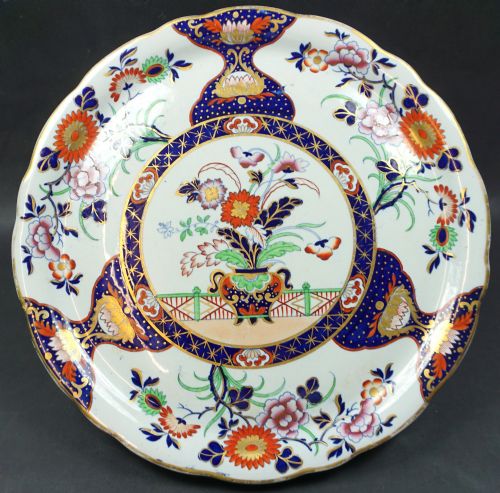
Decoration involved hand-painted polychrome or monochrome pigments, transfer printing in blue and white, and applied gilding or gold leaf. Firing took place in kilns, with certain wares requiring multiple firings to fix the enamel colours and gilding.
Materials represented across the inventory feature bone china, ironstone, salt-glazed stoneware, and tin-glazed earthenware.
Assessing quality in ceramic tableware
Quality depends upon the crispness of the moulding, the stability of the ceramic body during firing, and the precision of the hand-painted or transfer-printed details. Superior pieces display finely balanced compositions and clean glaze application without excessive pooling or kiln distortion.
The distinction between standard domestic wares and exceptional items often rests on the sophistication of the enamel palette, the inclusion of hand-applied gilding, and the reputation of the manufacturer or decorator.
H & R Daniel·Dr Wall Worcester·Spode·Davenport·Chamberlains Worcester·Hicks & Meigh·John Rogers & Son·Wedgwood·David Dewsberry·Coalport·Copeland & Garrett·Meissen·John Ridgway·Rockingham Pottery·Booths
The Antique Ceramic Serving Plates Glossary
- Charger
- A large decorative or serving plate, typically measuring over thirty centimetres across, used primarily for display or substantial joints of meat.
- Transferware
- Pottery decorated by applying a printed design from an engraved copper plate onto the ceramic surface using tissue paper and pigment.
- Ironstone
- A heavy, durable type of earthenware patented in the nineteenth century to imitate Chinese porcelain while offering greater strength.
- Tin glaze
- An opaque white glaze containing tin oxide, applied to earthenware to provide a smooth ground for painted decoration.
- Comport
- A raised dish or bowl on a pedestal, traditionally used for serving fruit or sweets at the end of a meal.
Antique Ceramic Serving Plates: Frequently Asked Questions
How do I use antique serving plates today?
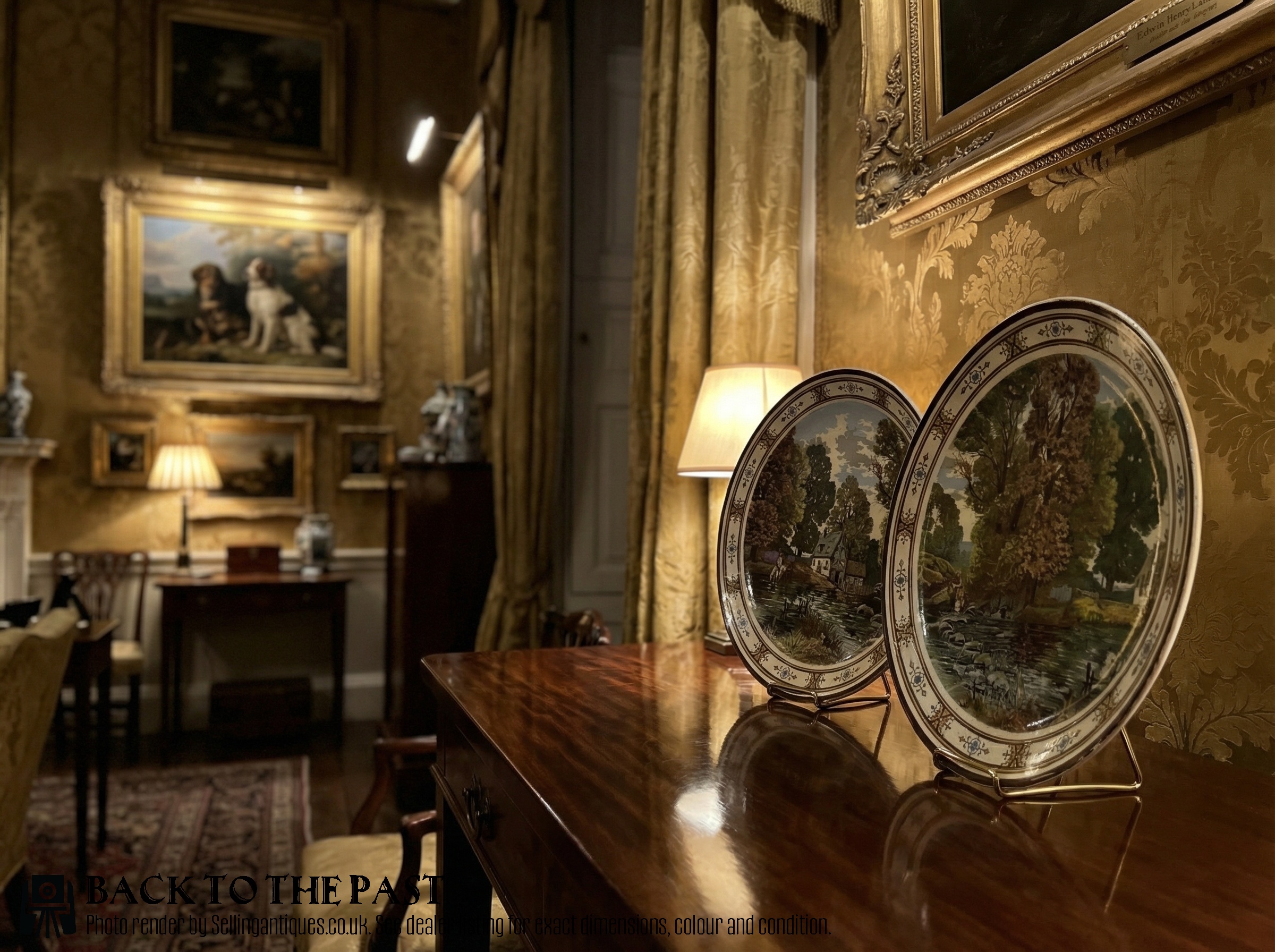
These pieces function well for serving dry foods, cheeses, and breads during meals. Many collectors also mount chargers or large platters on walls using appropriate plate hangers.
Hand washing is essential to preserve fragile glazes, hand-painted details, and historic gilding. Avoid sudden temperature changes to protect the ceramic body from thermal shock.
Can I use these plates for everyday dining?
Daily use is possible with sturdy ironstone and robust nineteenth-century earthenware. However, soft-paste porcelain and tin-glazed wares require careful handling.
Avoid dishwashers and microwaves entirely, as harsh detergents and high heat will damage historic glazes and fade pigments.
How do I date an antique ceramic plate?
Dating relies on factory marks stamped or painted on the underside, style of decoration, and manufacturing technique. Transfer-printed patterns often have registration diamonds or specific maker ciphers.
Comparing the potting style, foot rim formation, and glaze characteristics with known examples from specific periods helps narrow the production era.
What is the difference between a charger and a platter?
Chargers are large, broad plates traditionally used beneath other dishes or for serving communal food. Their wide rims often feature elaborate painted or moulded decoration.
Platters tend to be oval or oblong with slight wells designed specifically for holding roasted meats and collecting juices.