


Victorian Minton Plates
Victorian minton plates bring wonderful nineteenth-century craftsmanship to the table, offering intricate painted details and rich coloured glazes that collectors treasure.
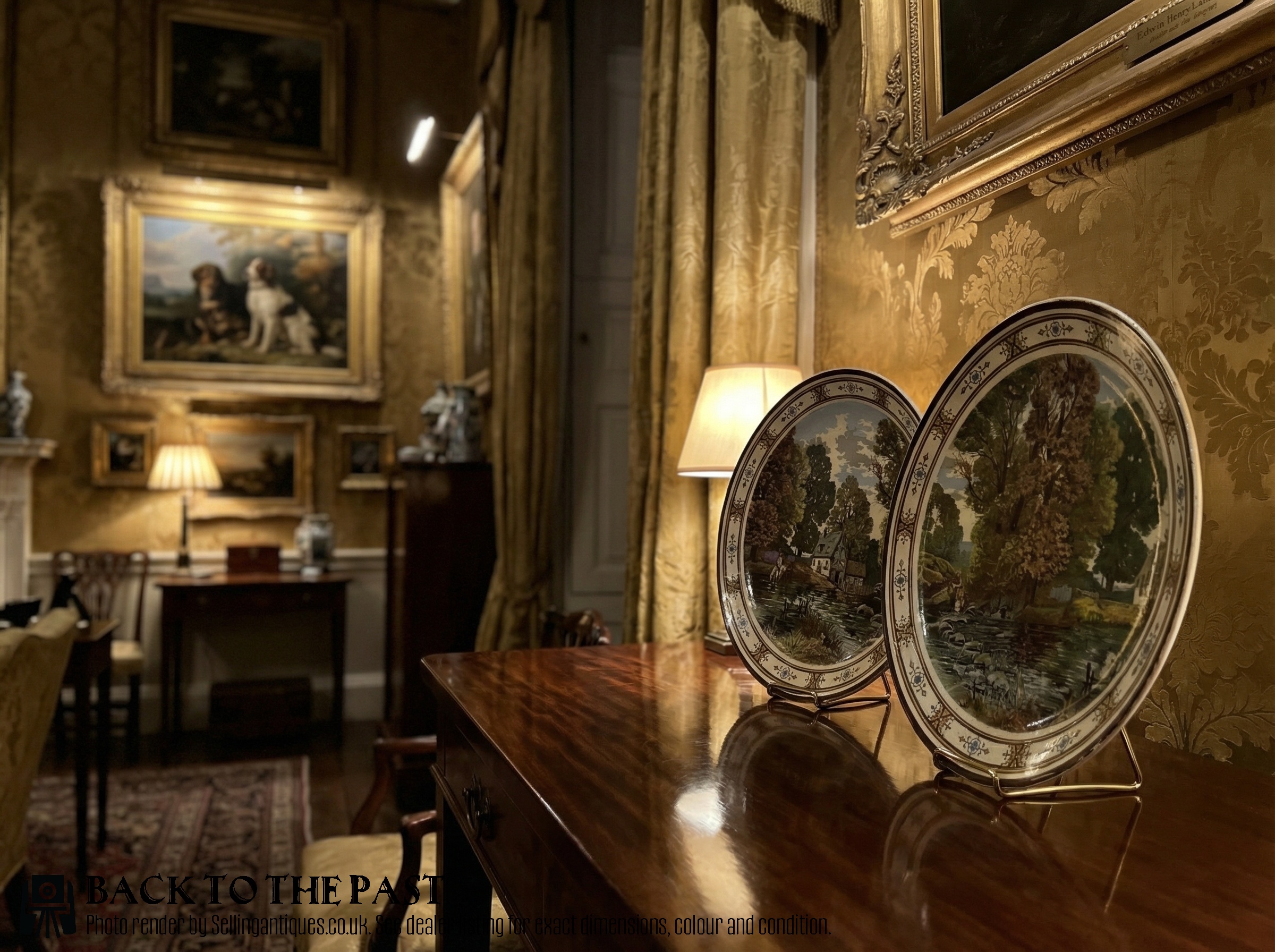
Victorian Minton Plates
Victorian minton plates encompass a range of nineteenth-century tableware and decorative items created by the renowned Minton factory. These pieces appear in forms such as cabinet plates, dessert plates, charger plates, and specialised oyster plates.
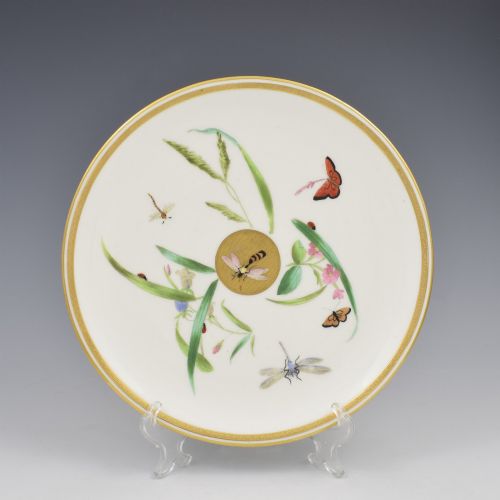
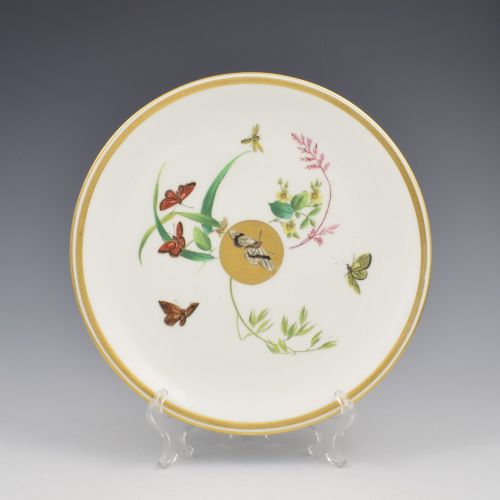
The aesthetic movement strongly influences many available examples, often featuring Japanese style motifs like gilt suns, butterflies, and insects alongside porcelain constructions. Other common variations include basketweave plates and hand-painted armorial designs from the mid-nineteenth century.
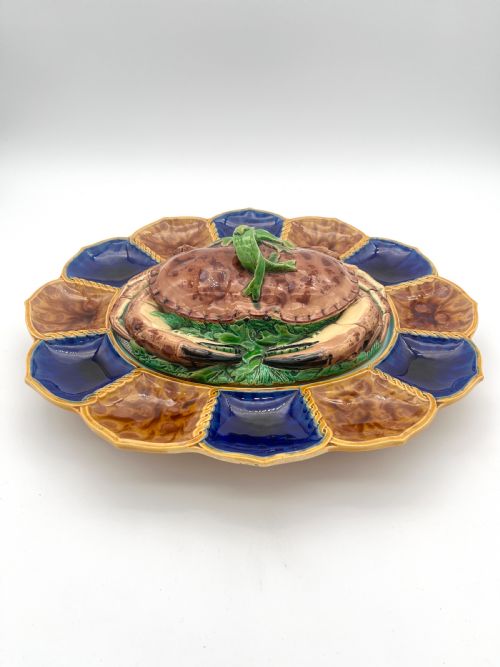
Buyers will also encounter striking majolica creations, including tureens and oyster plates with distinct white and pink glazes. Pieces decorated with pate sur pate techniques from the latter decades of the century further demonstrate the diverse output found in this category.
Materials and methods
Makers utilised fine porcelain and earthenware as the foundational bodies for these plates, often applying lead glazes and smooth enamel finishes to create durable surfaces. Gold leaf and gilt work frequently highlight hand-painted landscapes, armorials, and decorative borders.
Specialised techniques such as pate sur pate involve building up layers of slip to form cameo-like white reliefs against a contrasting background. Majolica pieces rely on coloured lead glazes applied directly to earthenware to produce vibrant, glossy effects.
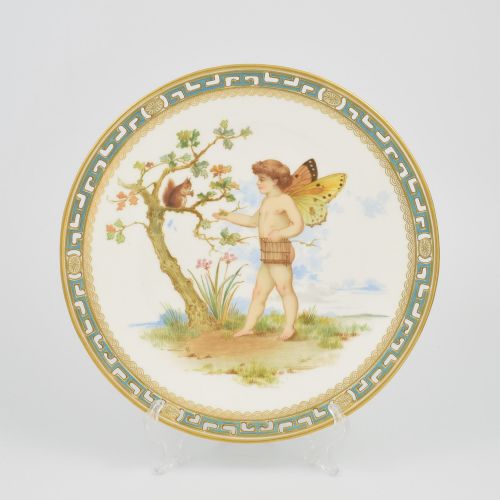
Squirrels and fairies occasionally share plate space with Japanese style suns and insects.
Distinctions in quality
The refinement of the hand-painted decoration largely determines the standing of an individual piece, particularly on cabinet plates featuring detailed landscapes or armorial crests. Skilled artistry in specialised techniques like pate sur pate elevates the standard of the ceramic significantly.
The complexity of the form, such as pierced porcelain borders or intricate basketweave moulding, also distinguishes finer examples. Preserved gilt accents and well-maintained coloured enamels contribute to a stronger visual presence.
Minton·W.S. Coleman
The Victorian Minton Plates Glossary
- Cabinet plate
- A decorative ceramic plate intended for display in a cabinet rather than for daily dining use. These pieces often feature elaborate hand-painted scenes or rich gilding.
- Pate sur pate
- A ceramic decorating method where liquid white porcelain slip is applied layer upon layer to a dark body to create a low relief design. The technique produces a translucent cameo effect.
- Majolica
- A type of earthenware coated with an opaque tin or lead glaze containing metal oxide colours, popular during the Victorian era for bold, sculptural tableware.
- Armorial plate
- A ceramic dish decorated with a family crest, coat of arms, or heraldic insignia. These were often commissioned by prominent households.
- Gilt
- A thin layer of gold applied to the surface of the porcelain or earthenware to accentuate rims, motifs, and patterns.
Victorian Minton Plates: Frequently Asked Questions
How do I identify an aesthetic period piece?
Aesthetic period items often draw inspiration from Japanese art, featuring motifs such as gilt suns, butterflies, insects, and asymmetrical arrangements. They frequently date from the 1870s and showcase refined porcelain construction.
Look for distinctive stylistic cues like the Japanese style decorations and pierced porcelain borders that separate these designs from standard floral patterns.
What is pate sur pate decoration?
Pate sur pate is a meticulous technique where an artist builds up layers of liquid white porcelain slip on a contrasting background. This creates a raised, semi-translucent relief resembling a carved cameo.
Plates featuring this method represent some of the finest output from the later decades of the nineteenth century.
How were majolica plates used?
Majolica items, including tureens and oyster plates, served functional dining purposes while acting as colourful table decoration. The vibrant lead glazes provided a durable surface suited for serving seafood and side dishes.
Today, collectors appreciate them for their sculptural forms and characteristic white and pink colour palettes.