
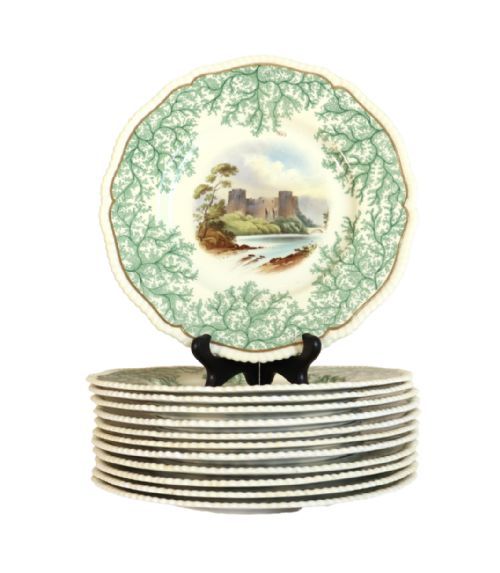
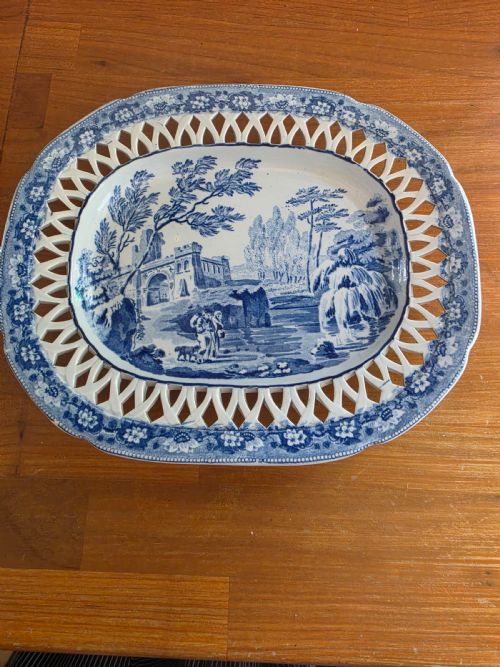



Antique Landscape Plates
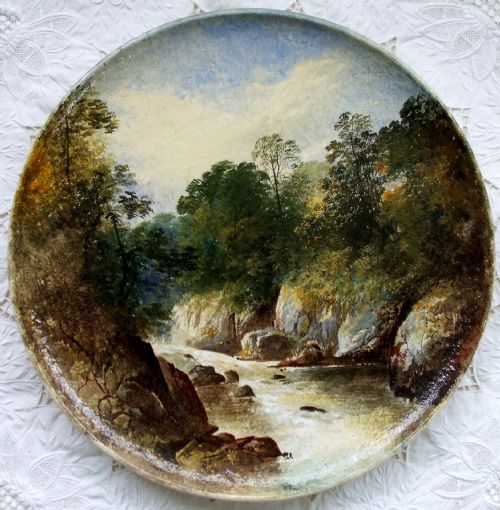
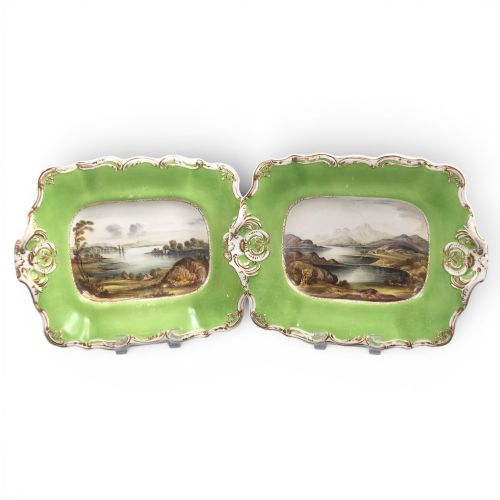
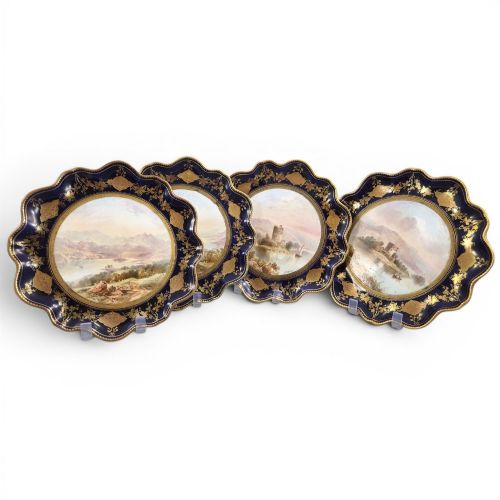
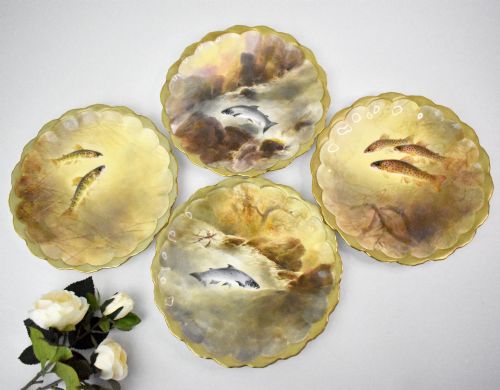
These antique landscape plates bring pastoral scenes and distant views into the home on earthenware, porcelain and pottery.
Antique Landscape Plates
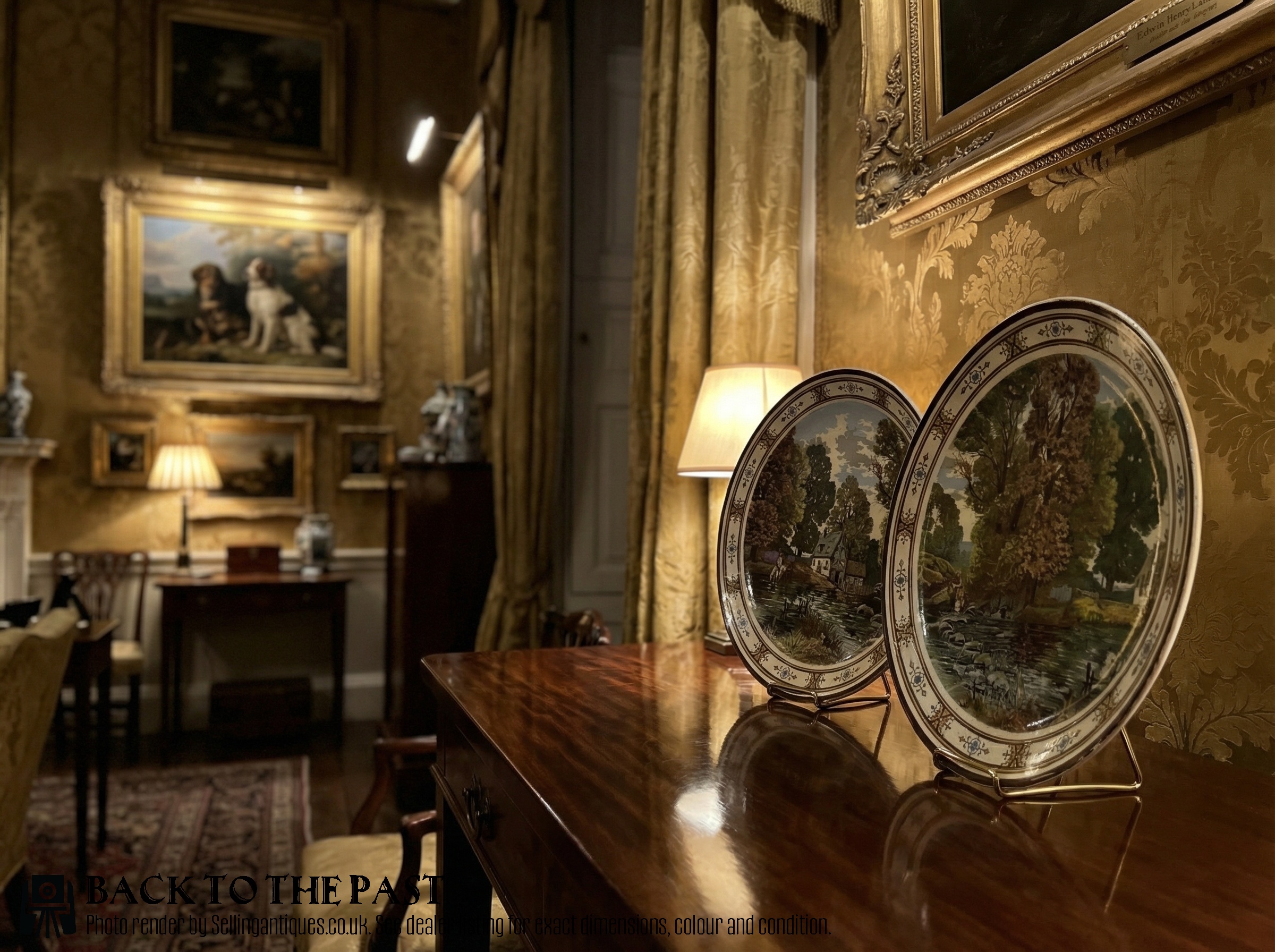
Antique landscape plates comprise flat ceramics painted, printed or transferred with topographical views, rural scenes and foreign landmarks. Most examples on this page date from the nineteenth century, spanning Victorian, Georgian and Regency periods.
How they were made
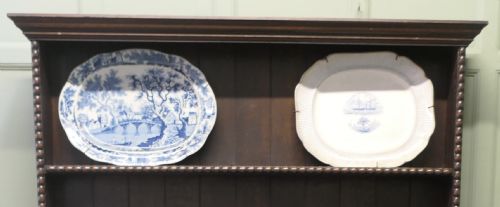
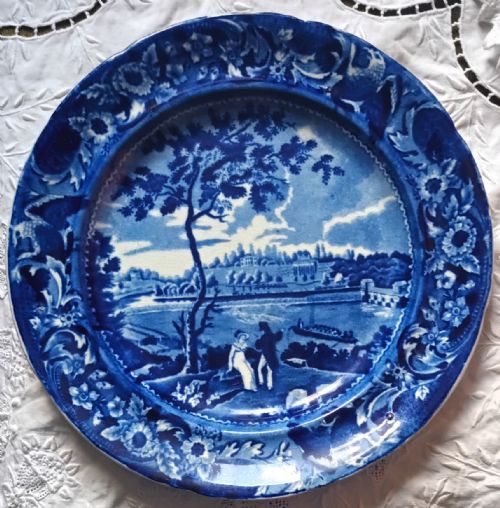
Potters shaped earthenware and porcelain bodies before applying cobalt blue transfer prints or hand-painted enamel colours. Glaze sealed the surface during firing, creating a glossy protective coat over the landscape design.
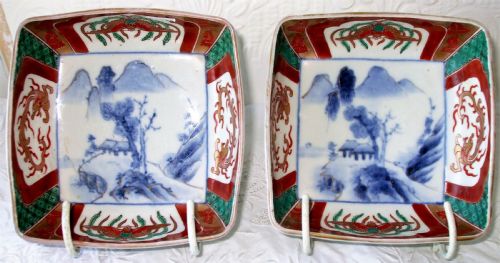
Makers occasionally added gold leaf or gilt highlights to enhance borders and frame the central topographical view. These techniques combined ceramic shaping with precise pictorial art to achieve detailed scenery.
Listings feature earthenware and porcelain materials spanning the eighteenth, nineteenth and early twentieth centuries.
What varies in quality
Quality rests in the crispness of the transfer print and the fineness of the hand-painted brushwork within the landscape. Superior pieces display clear topographical detail and balanced composition across the ceramic surface.
The refinement of the porcelain or earthenware body and the preservation of any enamel and gold leaf accents dictate the standing of individual plates. Maker attribution and recorded provenance further distinguish the finest examples.
Spode·Davenport·Stubbs·William Yale·Copeland and Garrett·Royal Doulton·Darte Brothers·Pucher Deroche·Coalport·Minton·Barr Flight Barr Worcester·Clarice Cliff·Aynsley·William Adams
The Antique Landscape Plates Glossary
- Cabinet plate
- A decorative ceramic plate intended for display in a cabinet rather than for dining use. These often feature elaborate hand-painted landscapes.
- Transfer printing
- A method of applying engraved designs to ceramics using tissue paper and ink. This technique allowed factories to produce consistent pictorial scenes.
- Charger
- A large decorative plate utilised for serving or display rather than individual dining. They frequently bear expansive landscape transfer prints.
- Enamel
- A glass-like substance fused to the ceramic body during firing to add colour. Artists used enamel paints for detailed landscape highlights.
- Earthenware
- A porous pottery body fired at lower temperatures than porcelain. It forms the base for many nineteenth-century blue and white landscape wares.
Antique Landscape Plates: Frequently Asked Questions
Were antique landscape plates used for dining?
Many larger platters and dinner plates served practical functions on the table alongside their decorative pictorial designs.
Finer cabinet plates and heavily gilded dessert pieces were primarily intended for display in cabinets or on walls.
How do I identify the landscape on a plate?
Makers often inscribed the title of the view on the reverse of the ceramic alongside the factory mark. Researching nineteenth-century topographical names reveals the exact region or building depicted.
Transfer printed scenes frequently reference known prints or books of the period, helping collectors locate the specific view.
What is the difference between transfer printed and painted plates?
Transfer printing uses an engraved copper plate to transfer a consistent ink design onto the ceramic surface before glazing. This method produced uniform blue and white scenes efficiently.
Hand-painted plates show individual brushstrokes in the enamel colours and gilding, indicating skilled studio work by ceramic artists.
How should I display landscape plates at home?
Plates with sturdy earthenware bodies fit securely into wall-mounted display brackets or dedicated cabinet grooves. Proper lighting helps reveal the fine details of the landscape transfer or enamel painting.
Keeping pieces away from direct sunlight preserves the vibrancy of the glaze and any applied gold leaf highlights.