




Victorian Wall Plates
Victorian wall plates and decorative chargers bring nineteenth-century hand-painted porcelain and repoussé metalwork directly to domestic interiors.
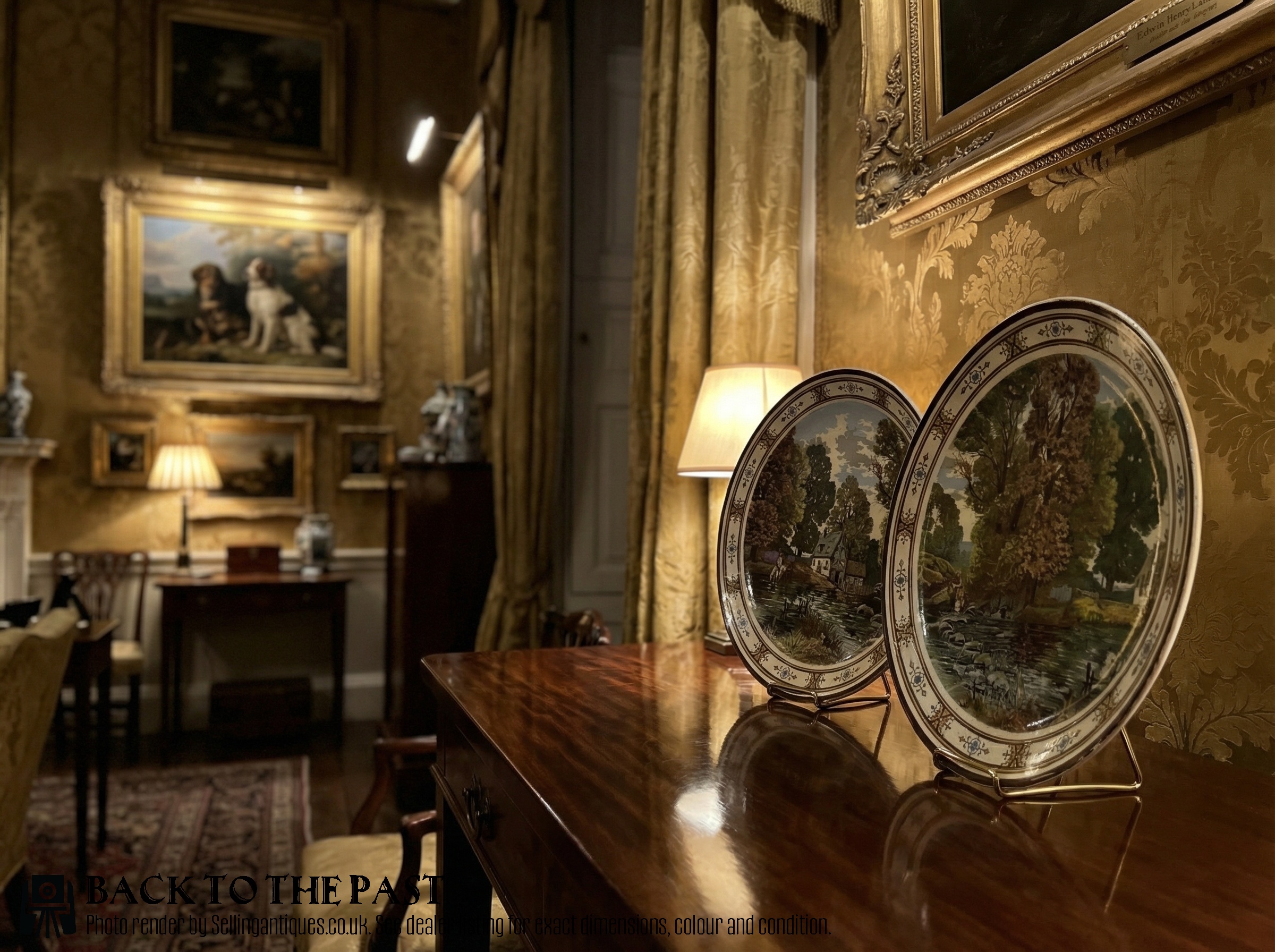
Victorian Wall Plates
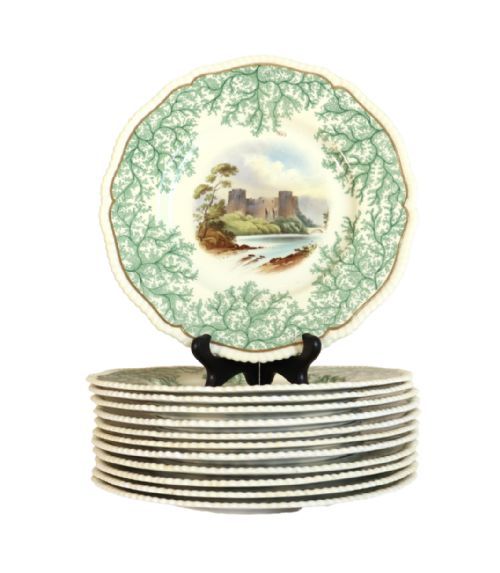
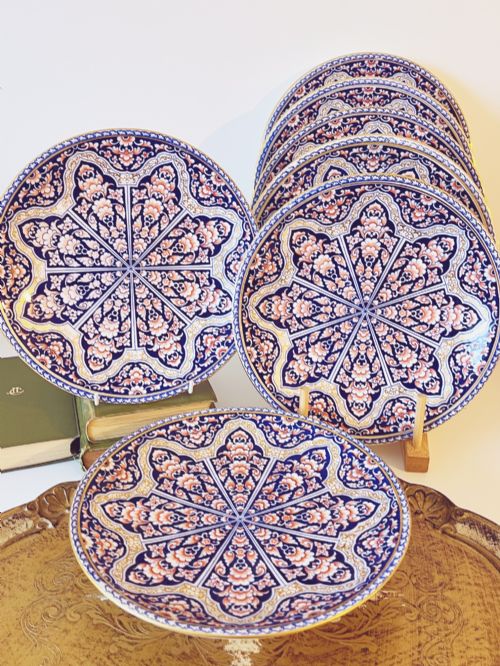
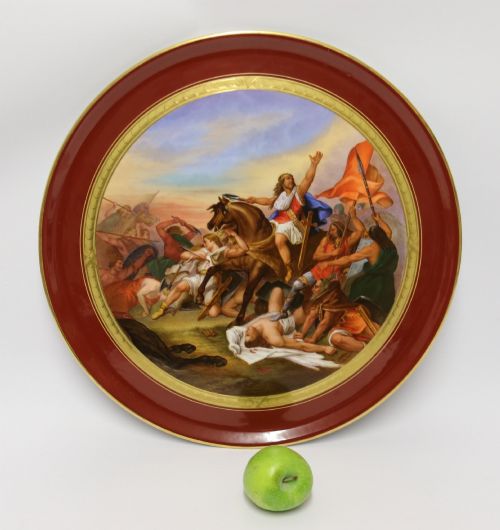
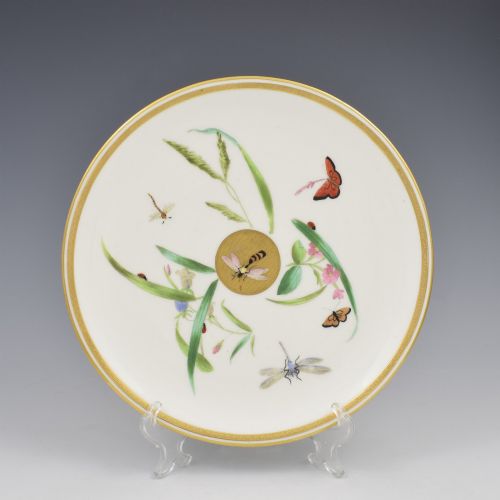
Victorian wall plates encompass porcelain cabinet plates, earthenware chargers, and metal wall plaques originating predominantly from the nineteenth century. These objects span diverse cultural traditions, including English botanical and landscape porcelain, Japanese Imari wares, and Continental portrait ceramics.
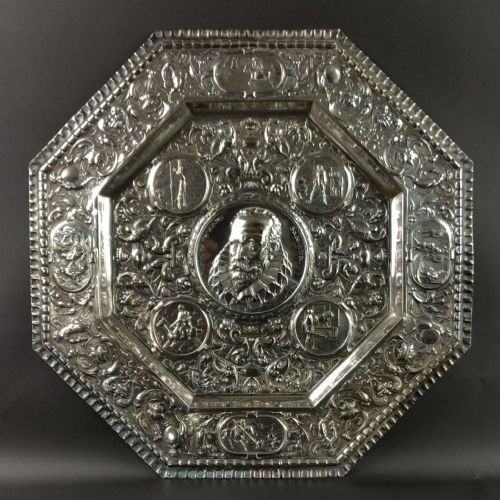
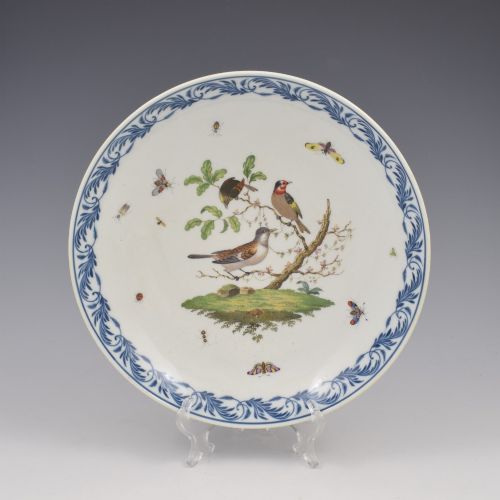
Collectors encounter various decorative forms on this page, ranging from hand-painted Paris porcelain chargers and Meissen bird dishes to Copeland pottery plaques and repoussé copper chargers. Makers decorated these pieces with subjects such as topographical views, mythological figures, and armorial crests.
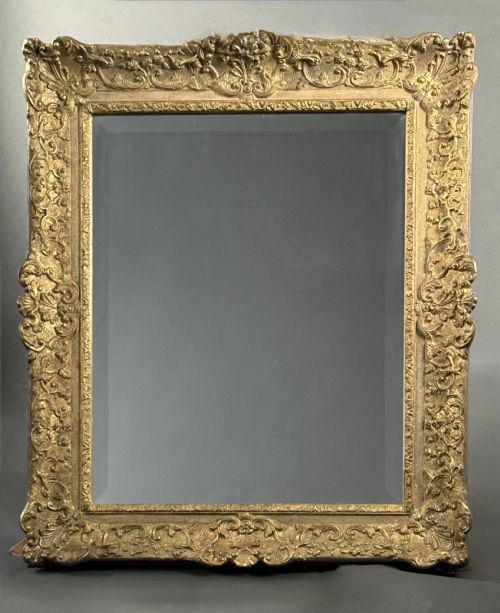
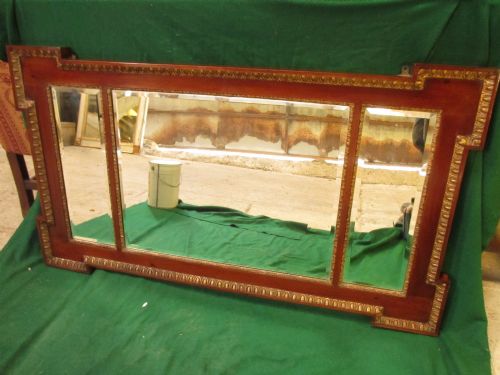
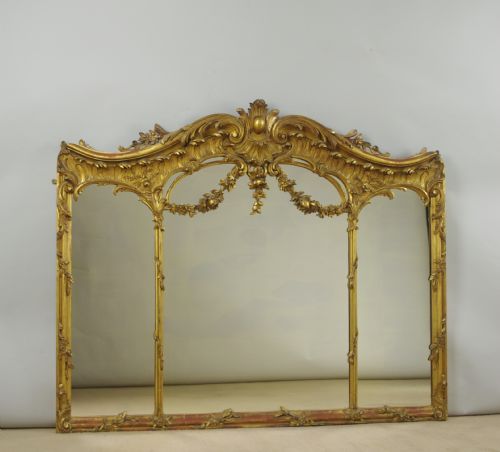
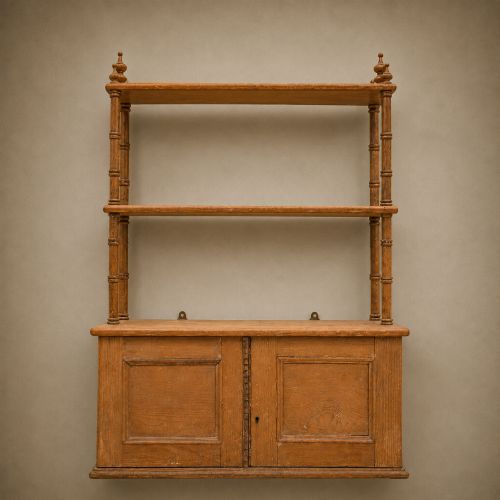
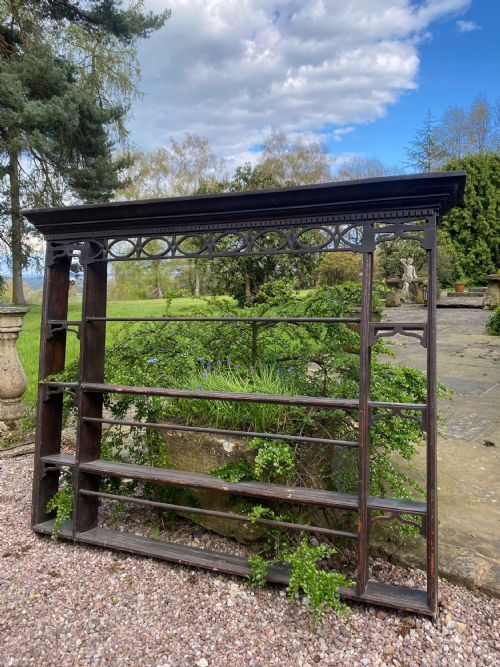
The selection also includes related items like Delft plate racks, pine wall shelves, and gilt-framed mirrors that complement the display of ceramic wares. These domestic furnishings reflect the nineteenth-century enthusiasm for decorative wall arrangements.
How they were made
Potters utilised hard and soft-paste porcelain, earthenware, and bone china as foundations for hand-painted and transfer-printed decoration. Artisans applied cobalt blue, polychrome enamel pigments, and gold leaf to ceramic bodies before firing them in kilns.
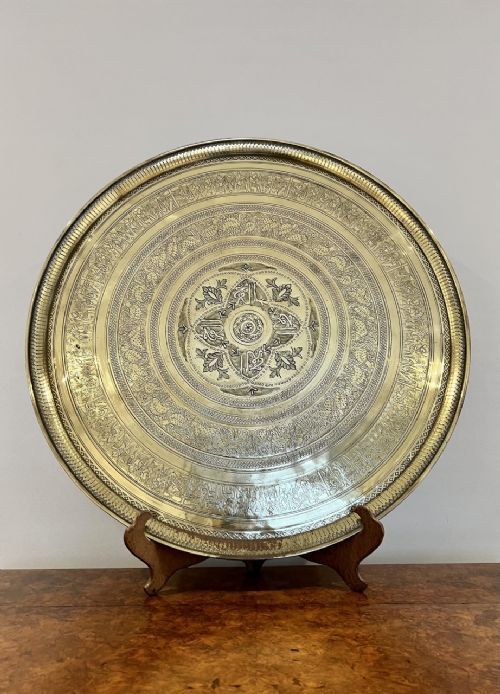
Metal pieces involve brass, copper, and mixed metals shaped through repoussé and silver-plating techniques. Craftsmen hammered designs from the reverse to create raised portraits and intricate borders on chargers and plaques.
Listings feature 19th Century, Victorian, and Edwardian periods alongside materials such as porcelain, earthenware, copper, and silver plate.
What varies in quality
Quality rests upon the execution of the painting and the depth of the metalwork relief. Hand-painted portraits and ornithological studies by named artists demonstrate superior technical skill compared to standard transfer-printed patterns.
The choice of materials and the presence of maker marks, such as crossed swords or factory stamps, distinguish standard production items from exceptional exhibition pieces. Heavier repoussé work and fine gilding indicate higher craftsmanship.
Royal Crown Derby·Royal Bonn·Meissen·Copeland·Coalport
The Victorian Wall Plates Glossary
- Charger
- A large decorative plate intended for display rather than table service. These substantial dishes often feature pictorial scenes or embossed metalwork.
- Repoussé
- A metalworking technique where an artisan hammers relief designs from the reverse side of a sheet of metal. This method creates tactile portraits and ornamental borders on copper and brass plaques.
- Cabinet Plate
- A fine ceramic plate produced specifically for display in a cabinet or on a wall. They frequently exhibit delicate hand-painting and gilt borders.
- Imari
- A style of Japanese export porcelain characterised by a palette of underglaze blue, iron red, and gold. Victorian collectors prized these imported patterns for domestic display.
- Plaque
- A flat ornamental panel made of ceramic, porcelain, or metal designed to be hung on a wall. They often depict landscapes, classical figures, or historical scenes.
Victorian Wall Plates: Frequently Asked Questions
How were Victorian wall plates displayed?
Victorian households mounted decorative plates and chargers on walls using specialised wire hangers or displayed them upon dedicated plate racks and wall shelves.
Dining rooms and drawing rooms utilised these arrangements to showcase imported ceramics, armorial porcelain, and commemorative metalware.
What is the difference between a plate and a charger?
Chargers are significantly larger than standard dining plates and were primarily manufactured for visual display on sideboards or walls.
While plates served functional dining purposes, many decorative chargers were created solely as art objects featuring detailed historical or mythological scenes.
How do I identify porcelain periods?
Makers incorporated factory stamps, date ciphers, and painted symbols directly onto the unglazed bases of nineteenth-century ceramics.
Reference marks, such as Meissen crossed swords or specific pottery numerals, provide precise manufacturing eras.
Can metal chargers be cleaned safely?
Copper, brass, and silver-plated metalwork require minimal intervention to preserve their historic patinas and applied finishes.
Dusting with a dry cloth prevents accumulation, avoiding abrasive chemical cleaners that strip original gilding or repoussé detail.