


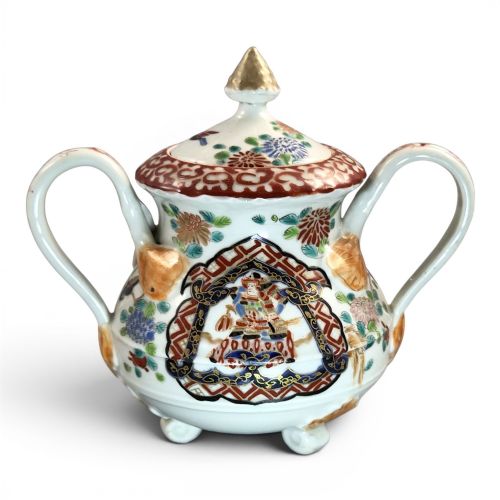
Antique Ceramic Pot Lid
An antique ceramic pot lid brings domestic history to the shelf, offering decorative printed scenes and durable earthenware from past centuries.
Antique Ceramic Pot Lid
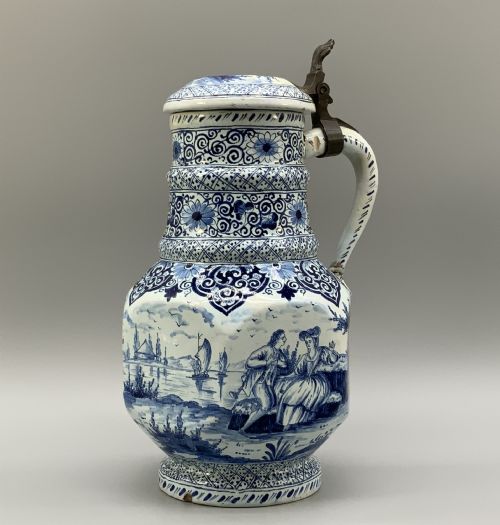
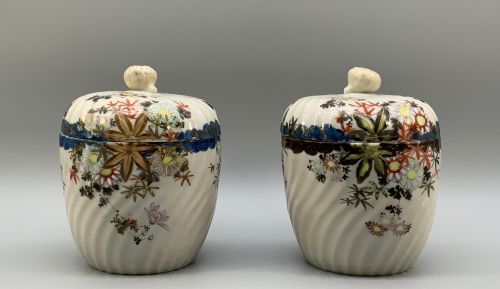
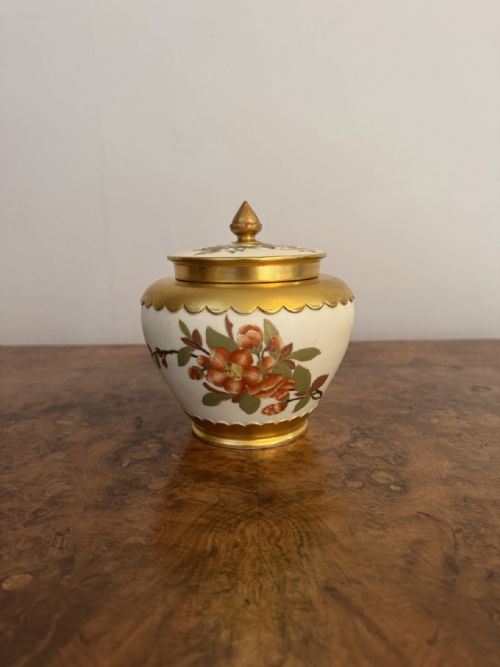
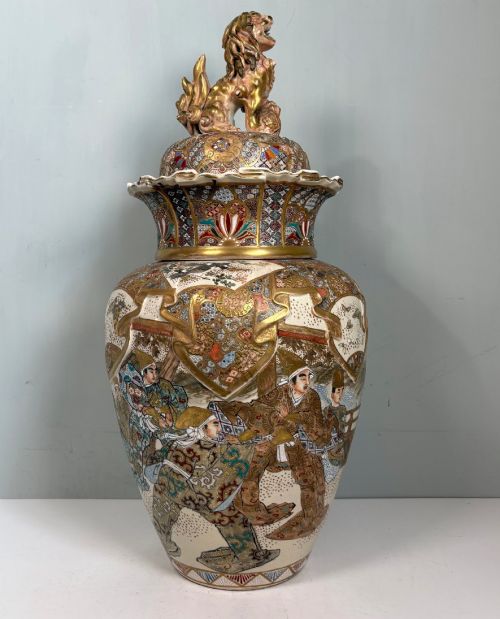
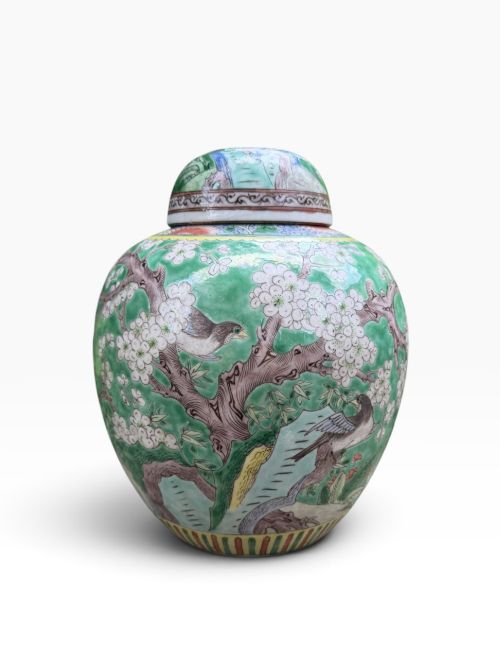
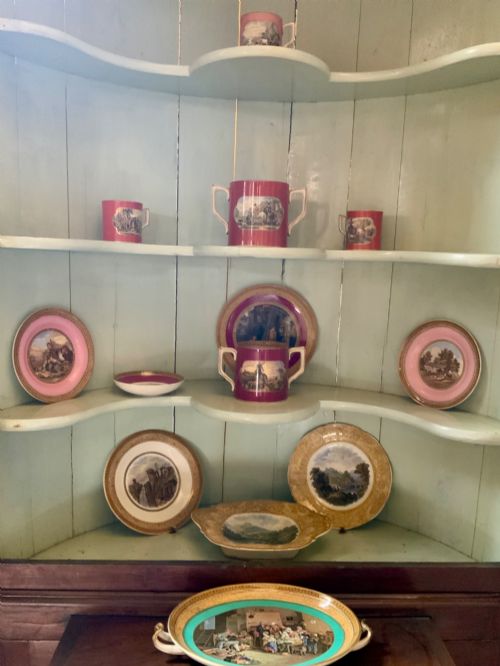
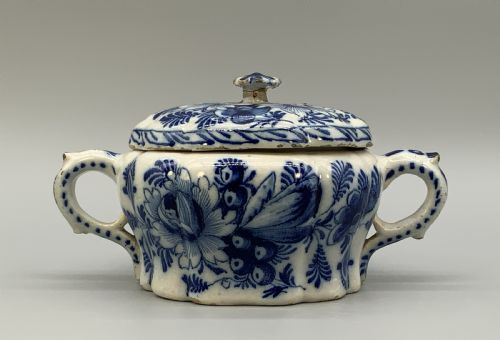
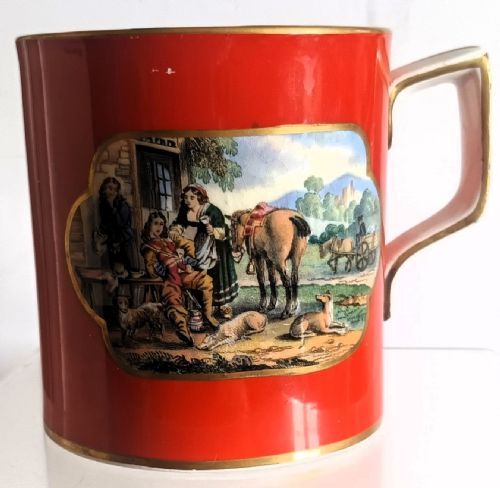
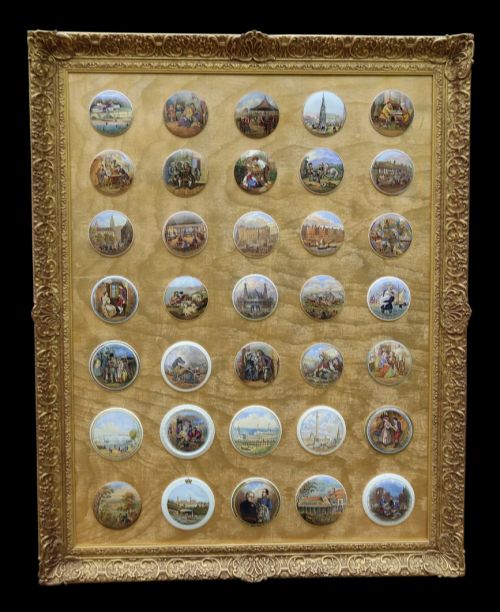
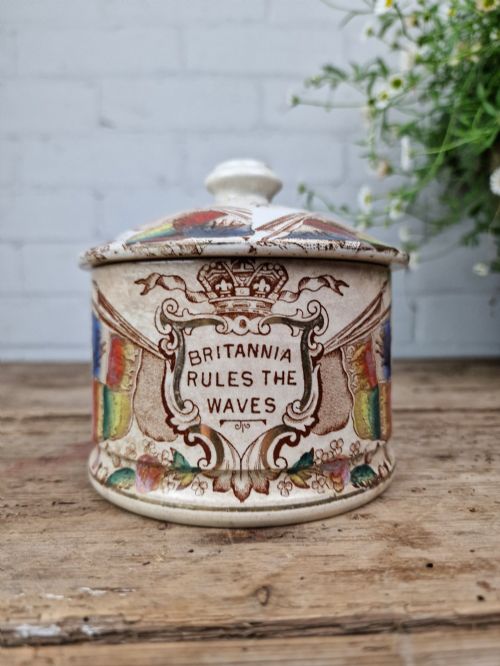
When you search for an antique ceramic pot lid, you encounter small circular lids originally manufactured to seal containers for commodities like pomade, paste, and preserved foods. The pieces seen here appear primarily within Victorian framed collections of Pratt Ware, alongside related lidded jars, trinket boxes, and decorative ceramics.
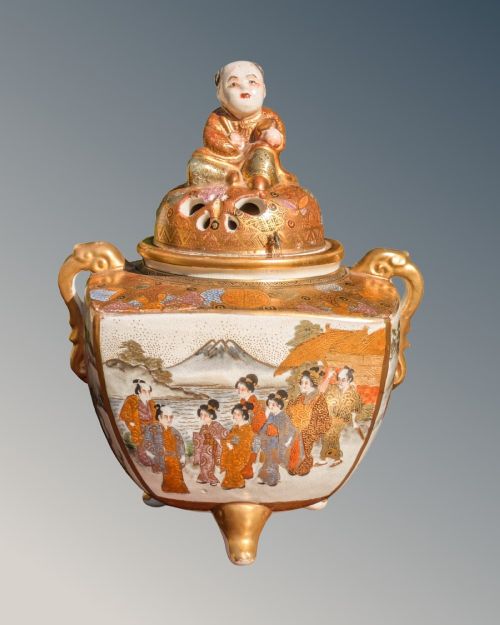
The material origins span English Staffordshire potteries, Japanese Satsuma production, and continental European porcelain works. Most examples date from the nineteenth century, reflecting the rise of transfer-printed packaging and domestic display objects.
Materials and Technique
Potters shaped these items using ceramic paste, earthenware, and porcelain, applying coloured glazes and transfer-printed imagery to the surface before kiln firing. Certain pieces incorporate gilt detailing, enamel highlights, and gold leaf applied over the glazed body.
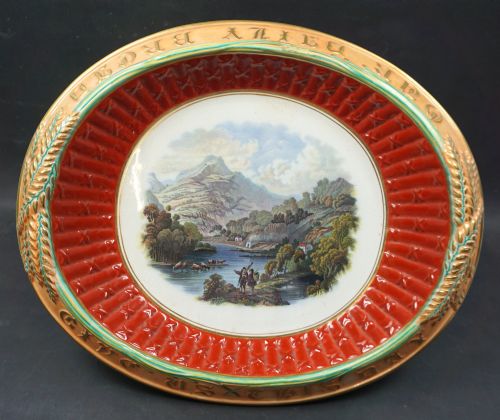
The transfer-printing technique allowed makers to reproduce detailed pictorial scenes onto circular surfaces, fixing the pigment permanently beneath a clear protective glaze.
Listings feature items spanning the eighteenth century through to the 1960s, utilising earthenware, porcelain, and enamel.
The Spectrum of Quality
Quality depends upon the clarity and registration of the transfer-printed design, where multi-coloured impressions require precise alignment across successive firings. Finer specimens display crisp outlines and rich, stable pigments without blurring or running at the edges.
The skill of the hand-painting applied over or around the printed transfer distinguishes standard production from superior examples, as does the crispness of the moulding on the ceramic body itself.
Royal Worcester·Chamberlain Worcester·Spode·Minton·Masons Ironstone·Meissen·Plichta·Wemyss
The Antique Ceramic Pot Lid Glossary
- Prattware
- A type of nineteenth-century English earthenware associated with multi-coloured underglaze transfer printing. Pratt Ware pieces frequently depict historical scenes, landscapes, and genre subjects.
- Transfer-printing
- A method of decorating ceramics by engraving a design on a metal plate, pulling it on tissue paper, and transferring the ink onto the biscuit or glazed pot before firing. This technique enabled mass production of detailed pictorial designs.
- Glaze
- A glassy layer fused to the ceramic body by firing, serving to seal the porous clay and provide a smooth decorative surface. Glazes range from clear transparent finishes to opaque coloured coatings.
- Porcelain
- A fine, vitrified ceramic material made by heating clay materials including kaolin to high temperatures. It is distinguished by its white body and translucent quality.
- Earthenware
- Porous pottery fired at lower temperatures than stoneware or porcelain. It requires a glaze to become impermeable to liquids.
Antique Ceramic Pot Lid: Frequently Asked Questions
What were antique pot lids used for?
These lids originally sealed ceramic pots containing everyday household goods such as tooth paste, cold cream, bear's grease, and meat pastes. Manufacturers decorated them with attractive scenes to encourage buyers to reuse the containers once emptied.
Over time, collectors began removing the lids from their base jars to mount them in wooden frames for wall display, preserving the printed artwork as miniature pictures.
How do I identify Pratt Ware pot lids?
Pratt Ware lids are typically recognised by their distinctive multi-coloured transfer-printed scenes, which often illustrate literary characters, historical events, or maritime subjects. They date predominantly from the Victorian era and bear specific borders unique to the Staffordshire manufacturer.
Examining the underside reveals the unglazed earthenware rim where the piece rested in the kiln during firing, a common characteristic of nineteenth-century Staffordshire production.
How should I display ceramic pot lids?
Pot lids look best displayed in shallow wall-mounted frames lined with velvet or fabric, echoing the traditional Victorian method of exhibiting collections. Ensure they hang away from direct sunlight to protect the coloured glazes and transfer prints from fading.
If displaying them on flat surfaces, use stable non-scratch wire easels that support the curved rim securely without placing pressure on the edges.