



Earthenware Pot Lid
An earthenware pot lid is a small, functional ceramic cover designed for containers such as jars, pots, and boxes, offering both utility and decorative charm.
Earthenware Pot Lid
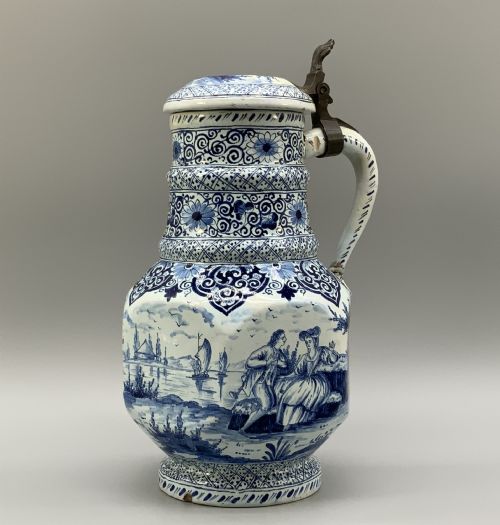
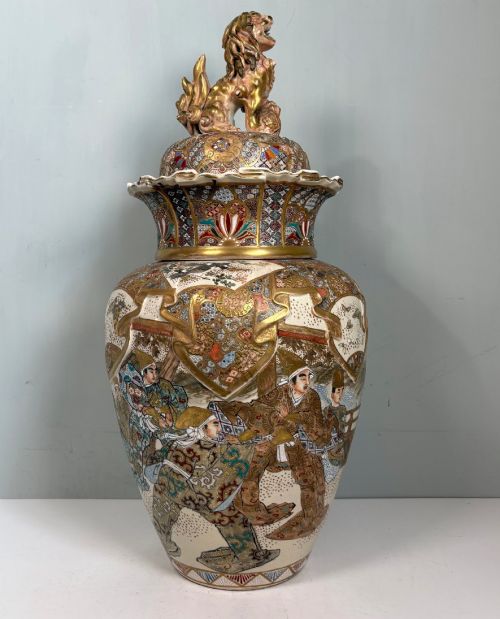
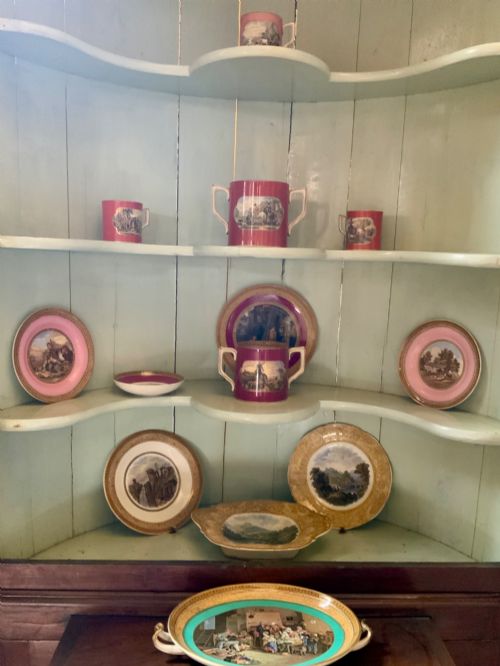
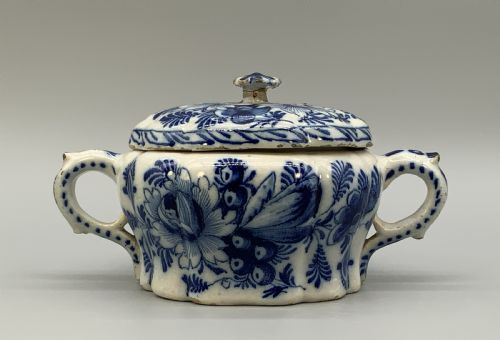
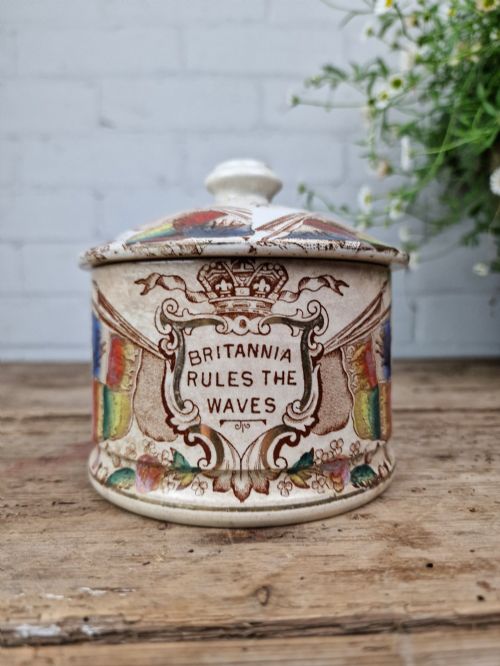
An earthenware pot lid serves as a removable top for vessels including tobacco jars, butter dishes, sugar bowls, and powder boxes. When searching for an earthenware pot lid, collectors encounter examples spanning several centuries, from early Dutch delftware to Victorian Staffordshire pieces and Japanese Satsuma lidded containers.
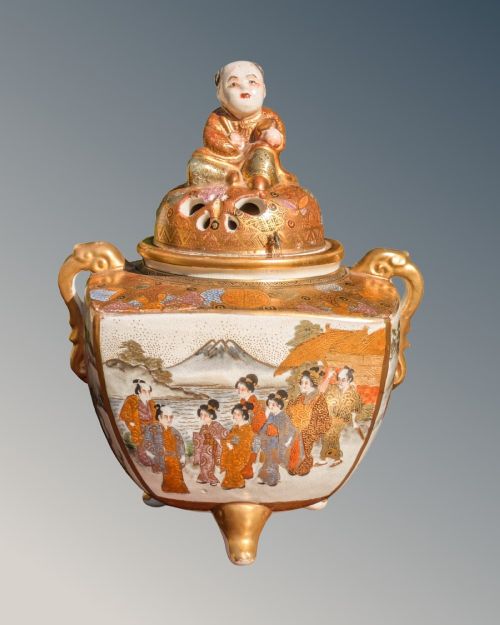
The objects represented range from utilitarian kitchenwares to decorative domestic items produced in Europe and Asia. Many survive alongside their original bodies, such as posset pots, ginger jars, and incense burners, while others appear as individual covers or matched sets.
How they were made
Makers shaped these pieces from clay bodies including earthenware, tin-glazed earthenware, and stoneware, applying glazes to seal the porous material. Potters then decorated the surfaces using hand-painted enamels, blue and white pigments, and occasional touches of gold leaf.
Firing techniques varied according to the region and workshop, with European delftware utilising tin glazes for an opaque white finish, whilst Japanese Satsuma wares employed intricate craquelure glazes finished with detailed enamel painting.
Listings feature earthenware, tin-glazed earthenware, and stoneware across periods spanning the seventeenth to the twentieth century.
What varies in quality
The standard of an earthenware pot lid rests upon the crispness of its moulding and the precision of the hand-painted decoration. Finer examples display balanced proportions, clean pigment application, and harmonious integration between the lid and its corresponding vessel.
Provenance and studio attribution also influence worth, particularly where signatures or specific regional styles denote skilled craftsmanship from established centres of ceramic production.
Kotobuki do·Shozan Kyoto Studio·Moorcroft Macintyre and Co·Royal Winton
The Earthenware Pot Lid Glossary
- Earthenware
- Porous pottery fired at relatively low temperatures, requiring a glaze to hold liquids. It forms the foundation for many traditional domestic containers and lids.
- Tin-Glazed Earthenware
- Pottery coated with a lead glaze made opaque by the addition of tin oxide. This technique provides a smooth white background for painted decoration.
- Delftware
- Tin-glazed earthenware originating from the Netherlands or England, traditionally characterised by blue and white designs. It frequently incorporates matching lids for jars and posset pots.
- Prattware
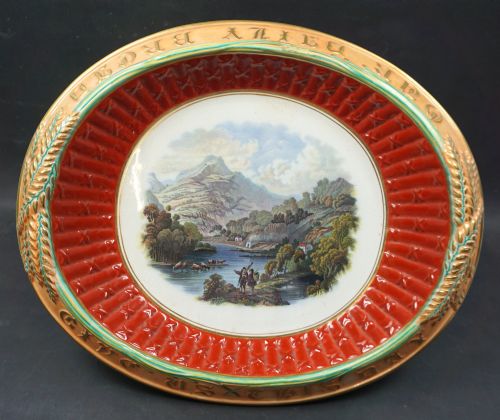
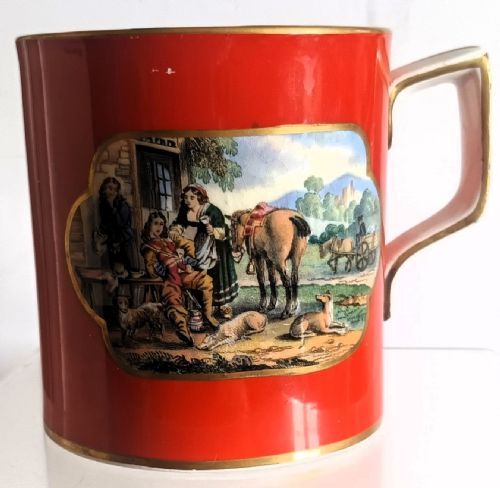
- A type of English earthenware noted for underglaze coloured reliefs, often featuring pictorial scenes or moulded details. Lidded pieces and plaques from this tradition are collected for their vibrant palette.
Earthenware Pot Lid: Frequently Asked Questions
What were pot lids used for?
Pot lids served practical purposes in historic households by sealing contents inside vessels such as butter dishes, tobacco jars, and powder boxes. They protected perishable goods and dry ingredients from moisture and pests.
Over time, many of these utilitarian covers became decorative collector items, prized for the intricate ceramic artistry applied to their upper surfaces.
How do I identify eighteenth-century delft lids?
Eighteenth-century delft lids typically exhibit tin-glazed earthenware bodies with hand-painted blue and white or polychrome motifs. The glaze often shows subtle surface irregularities and minor crazing consistent with age.
Examining the interior rim and underside reveals the unglazed clay fabric and typical kiln scars left during the firing process.
Are Japanese Satsuma lids marked?
Many Japanese Satsuma lids and their associated vessels bear artist signatures or studio stamps, often written in iron red or gold enamel. These marks generally indicate the specific Kyoto studio or artisan responsible for the piece.
Unsigned Satsuma pieces still display characteristic craquelure glaze and dense polychrome decoration applied over a fine earthenware body.
How should I clean ceramic pot lids?
Ceramic pot lids require gentle cleaning with warm water and a mild detergent to preserve fragile historic glazes and enamels. Avoid harsh scrubbing or abrasive materials that can damage hand-painted details.
Dry the pieces thoroughly with a soft cloth and store them away from direct sunlight and extreme temperature fluctuations.