

Polychrome Ceramic Lid
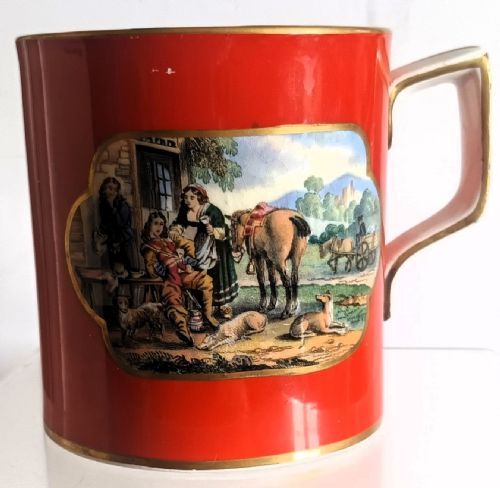
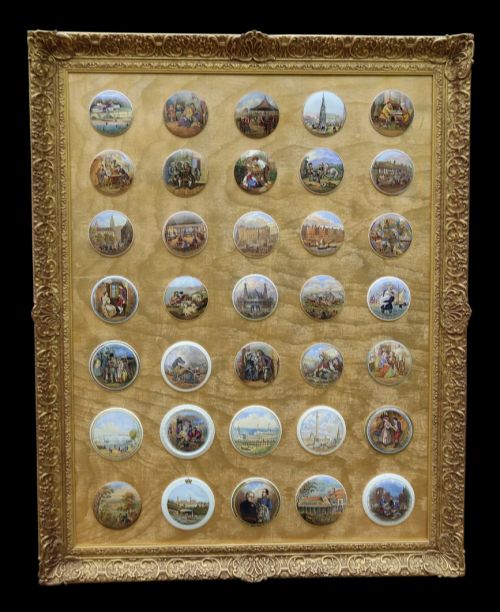
A polychrome ceramic lid tops vessels from ginger jars to tureens, bringing colour and pattern to antique display.
Polychrome Ceramic Lid
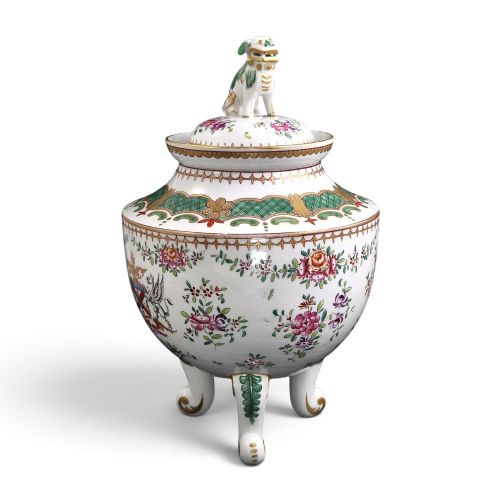
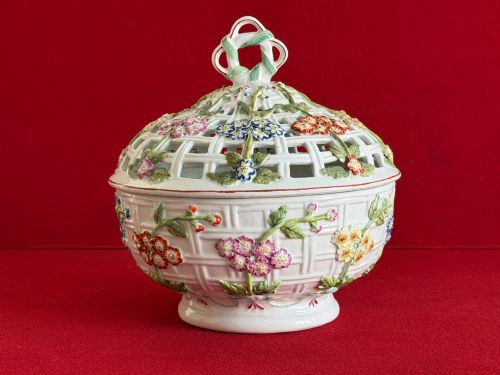
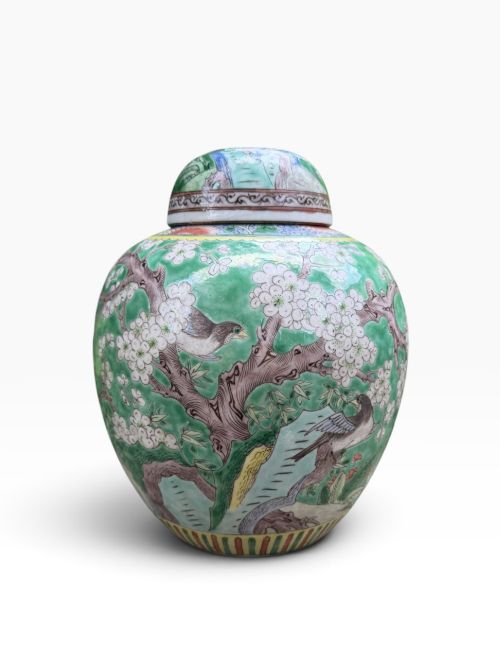
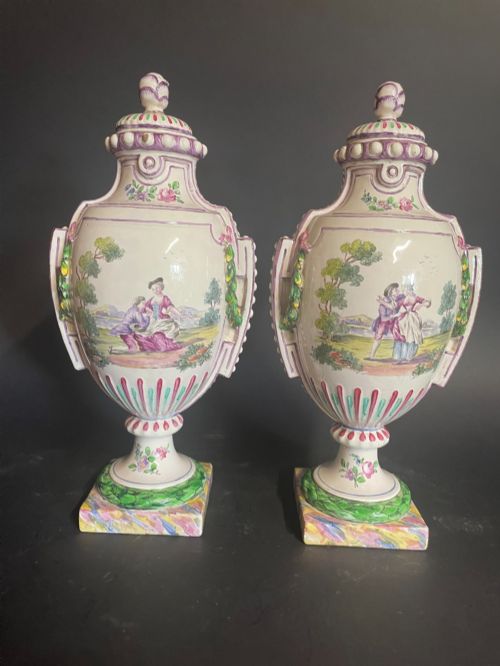
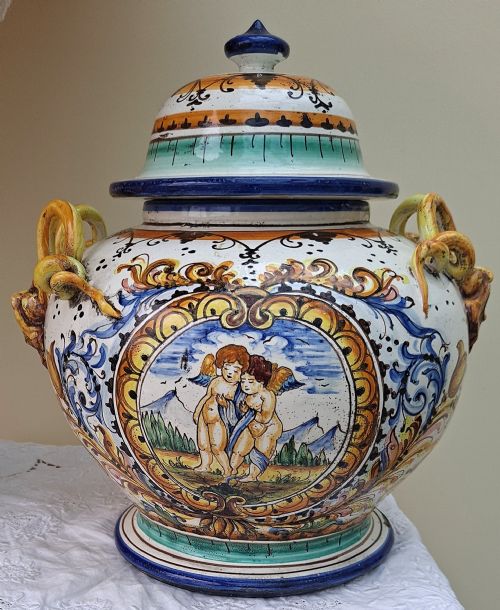
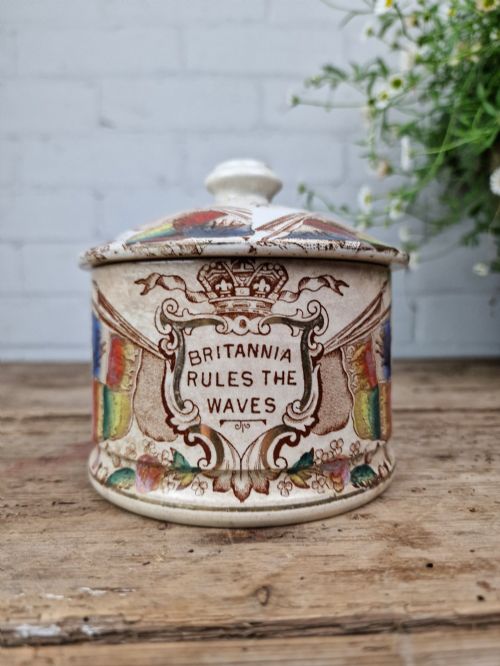
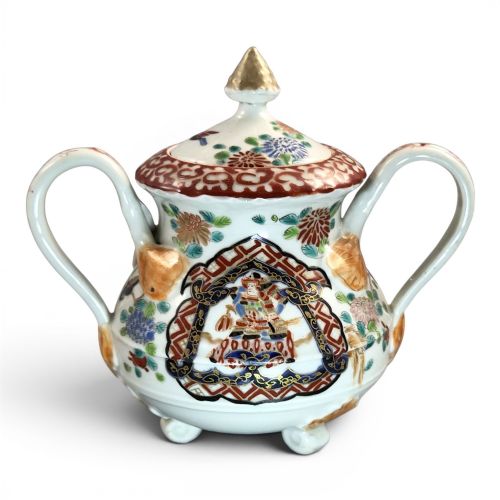
A polychrome ceramic lid crowns vessels spanning the eighteenth, nineteenth, and twentieth centuries, originating from English, European, and Asian workshops. These covers appear on ginger jars, pot pourri vases, sugar bowls, and tureens.
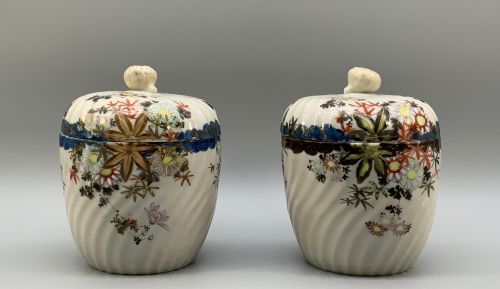
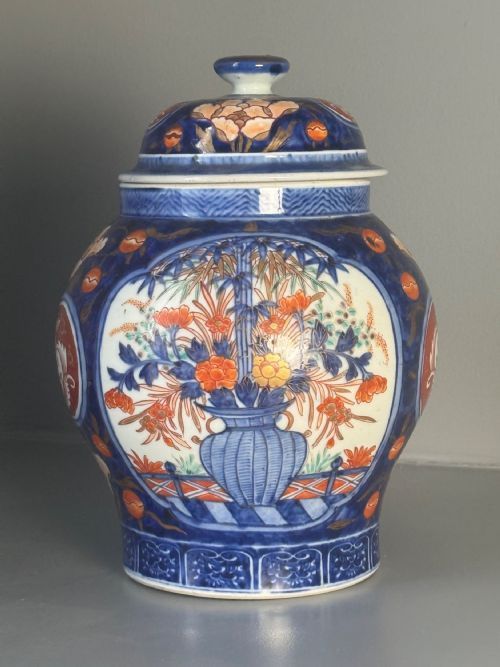
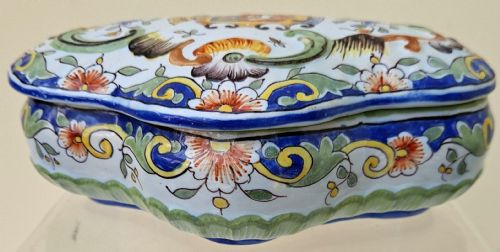
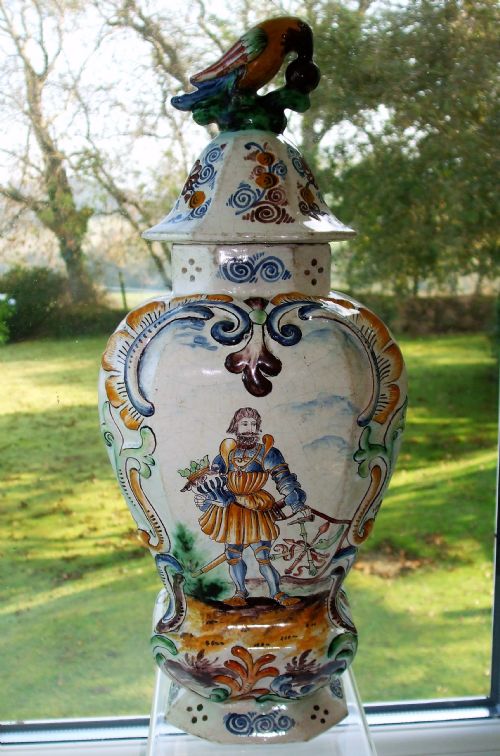
The most frequent examples on this page belong to nineteenth-century production, notably Japanese Imari and Satsuma wares, English ironstone, and European faience. Each lid matches the body it seals, sharing hand-painted or glazed decoration.
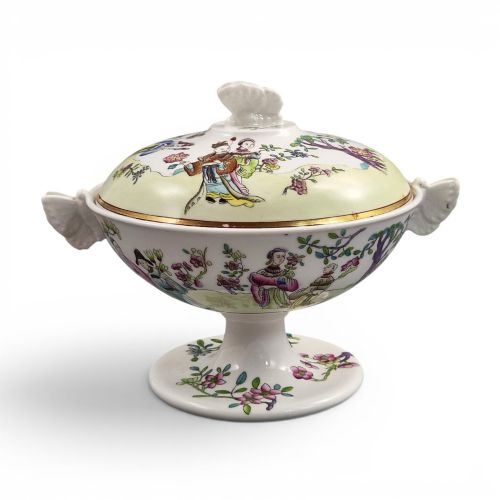
Forms range from simple flat discs to domed covers with finials, sometimes shaped with butterfly handles or animal motifs. The surviving lids complete vessels designed for storage, display, or service.
Materials and construction
Potters shaped these covers from porcelain, earthenware, ironstone, and tin-glazed clays, applying glazes before or after firing. Enamel colours and gold leaf provide the polychrome palette found across Japanese, Chinese, and European examples.
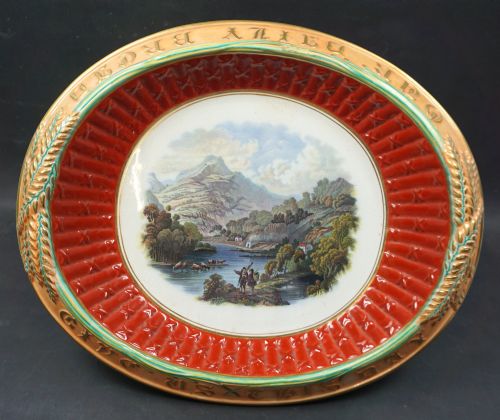
Hand painting forms the basis of the surface ornament, using pigments that bond with the glaze beneath high kiln temperatures. Some pieces utilise transfer printing augmented by hand-applied washes of colour.
Some covers wear butterfly handles so lively they nearly flutter off the porcelain.
The markers of distinction
Execution of the painted detail dictates the standing of a piece, separating hurried commercial output from careful studio work. Precision in the brushwork and harmony in the palette reveal the hand of a skilled decorator.
Integrity of the ceramic body and the preservation of the original enamel or glaze determine the survival level. Complete alignment between cover and vessel indicates a cohesive pairing from the kiln.
Samson Paris·Royal Worcester·Toshozan·Fukagawa
The Polychrome Ceramic Lid Glossary
- Polychrome
- Decoration executed in multiple colours. This multi-coloured approach defines the vibrant palettes seen on eighteenth and nineteenth-century ceramic covers.
- Tin-Glazed Earthenware
- Pottery covered with an opaque white glaze containing tin oxide. This surface provides a smooth ground for painted enamel designs in traditions like Delftware and faience.
- Ironstone
- A durable type of heavy earthenware patented in the nineteenth century. English makers utilised this dense ceramic for robust tureens and lidded jars.
- Imari
- A style of Japanese export porcelain featuring underglaze blue and overglaze iron red and gold. Lids in this manner display dense floral and panelled motifs.
Polychrome Ceramic Lid: Frequently Asked Questions
What is a polychrome ceramic lid?
A polychrome ceramic lid is a removable cover made from fired clay and finished with multi-coloured glazes or enamels. These pieces seal jars, vases, and tureens produced across various centuries.
They function both to protect the contents of the vessel and to complete the decorative scheme of the ceramic set.
How were these lids used?
Historically, these covers sealed vessels meant for dry goods, ginger, pot pourri, or liquids on the dining table. Many remained on display in reception rooms as part of matched porcelain garnitures.
Over time, lids often became separated from their original bodies, making matched surviving pairs notable finds for collectors.
How do I date a ceramic lid?
Dating relies on the glaze composition, the ceramic body type, and the style of the painted decoration. Eighteenth-century pieces often show softer tin-glazes, while nineteenth-century items frequently employ ironstone or hard-paste porcelain.
Pictorial themes, marks on the underside, and manufacturing techniques help narrow the production era.
How should I display lidded jars?
Lidded jars and vases sit well on mantelpieces, sideboards, or dedicated display cabinets where their colours catch the light. Placement should ensure stable footing away from heavy traffic to protect projecting finials and handles.
Keeping the cover resting naturally on the vessel maintains the intended silhouette of the ceramic piece.