




Nineteenth Century Ceramic Lid
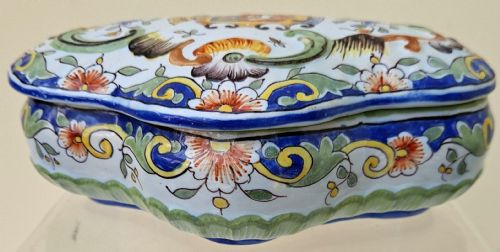
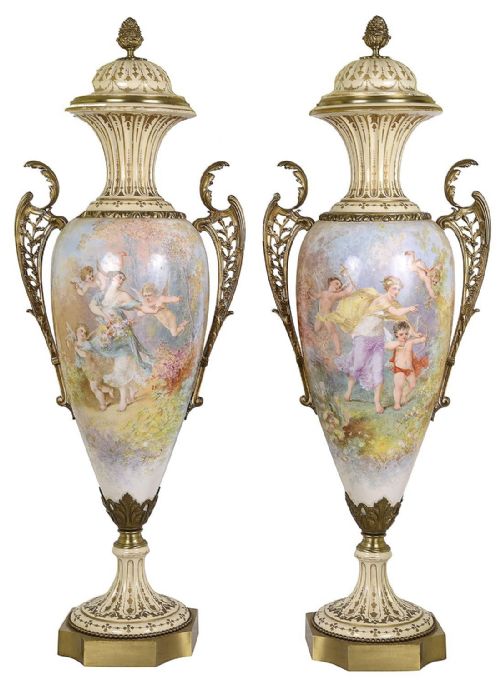
These nineteenth century ceramic lid examples are practical covers from nineteenth century vessels, prized for their decorative hand-painted details.
Nineteenth Century Ceramic Lid
A nineteenth century ceramic lid forms part of diverse containers including sauce tureens, sugar boxes, jars, and decorative vases spanning the nineteenth century, Regency, and Georgian periods. These covers originate from diverse workshops across Britain, France, Russia, China, and Japan.
The selections on this page most frequently appear as components of lidded urns, sugar bowls, and trinket boxes fashioned from porcelain, earthenware, and ironstone. Collectors encounter both utilitarian kitchen and dining pieces and purely decorative objects intended for display.
Each nineteenth century ceramic lid reflects the stylistic preferences of its era, ranging from Rococo Revival and French Empire to Japanese Meiji and Regency Chinoiserie. Examining the form and fit reveals whether the cover belongs to a functional vessel or an ornamental display piece.
Materials and manufacture
Potters shaped these objects using refined clay bodies such as porcelain, ironstone, and earthenware, often finished with glossy glazes and colourful enamel pigments. Gilding in gold leaf or gilt bronze occasionally highlights finials and borders.
Techniques varied from traditional throwing on the potter's wheel to moulding complex shapes for decorative vases and tureens. Kiln firing fixed the underglaze and overglaze decorations, creating durable surfaces that survive from the nineteenth century.
Some nineteenth century ceramic lid options outlived their matching teapots, spending generations serving as solitary paperweights on writing desks.
Assessing quality and craftsmanship
Superior examples of a nineteenth century ceramic lid display crisp hand-painting, precise moulding, and harmonious alignment with their original vessels. Artisans invested greater care in pieces intended for exhibition or wealthy households, resulting in finer detail and richer colour palettes.
Lower tiers of quality often reveal minor kiln distortions, simpler transfer-printed patterns rather than hand-painted motifs, or replacement covers that lack the exact fit of the original matching base.
Swansea·Mason·Ridgway·Samson of Paris·Sèvres
The Nineteenth Century Ceramic Lid Glossary
- Ironstone
- A patented ceramic body developed in the nineteenth century, known for its extreme durability and dense composition resembling stoneware.
- Sucrier
- A small lidded vessel designed specifically for holding sugar at the tea table, often matching a teapot or tea set.
- Imari palette
- A traditional decorative style utilising underglaze blue, iron red, and gold, originating in Japan and widely imitated in Europe.
- Pearlware
- An earthenware body developed in the late eighteenth century with a slightly bluish glaze that pooled in recesses to resemble Chinese porcelain.
Nineteenth Century Ceramic Lid: Frequently Asked Questions
How do I know if a lid is original?
Examine the glaze consistency, wear patterns, and clay body to ensure it matches the base vessel.
Differences in colour or shrinkage often indicate a marriage of convenience rather than a true original pair.
What were these lidded vessels used for?
Many served practical dining functions such as containing sauces, sugar, or soap in domestic households.
Others functioned purely as ornamental urns, jars, and vases displayed in formal reception rooms.
How should I clean my ceramic lid?
Wash gently in lukewarm water using mild soap and a soft cloth to protect delicate overglaze enamels.
Avoid submerging pieces with exposed ironstone bodies or fragile gilt bronze mountings for extended periods.
How do I distinguish regional styles?
European factories like Sèvres and Desvres often employed classical or Rococo Revival motifs with painted scenes.
Asian pieces from Japan and China utilise distinct traditional palettes, including Imari colours and monochrome glazes.