



Victorian Ceramic Wall Art
Victorian ceramic wall art brings together painted porcelain plaques, relief tiles and earthenware pockets shaped to hang on interior walls.
Victorian Ceramic Wall Art
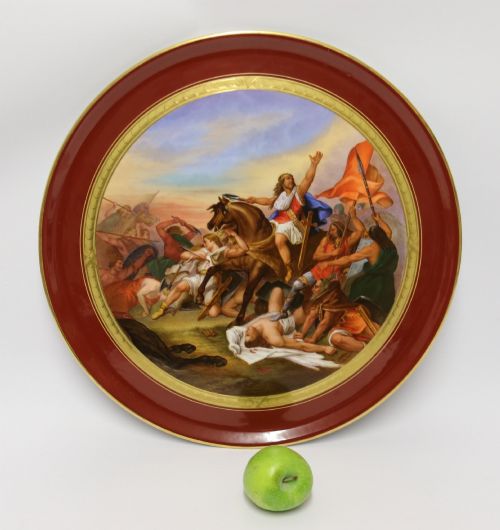
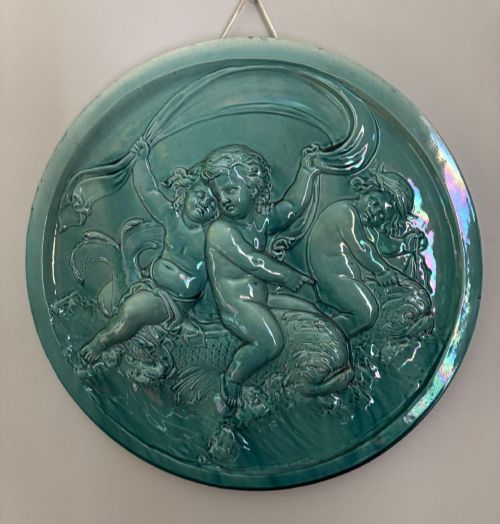
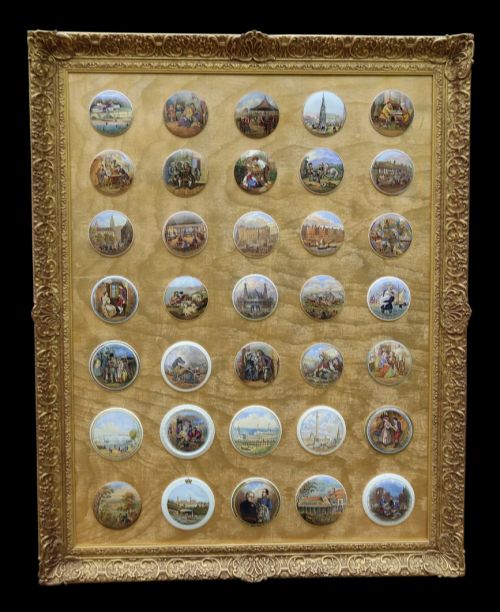
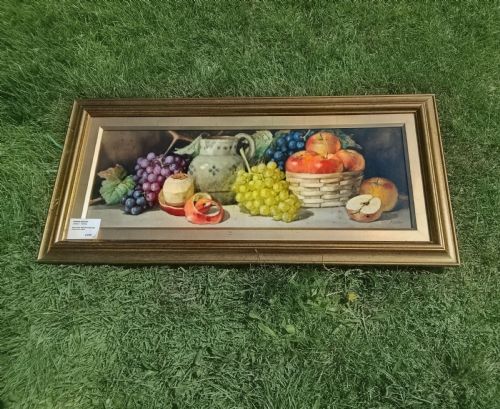
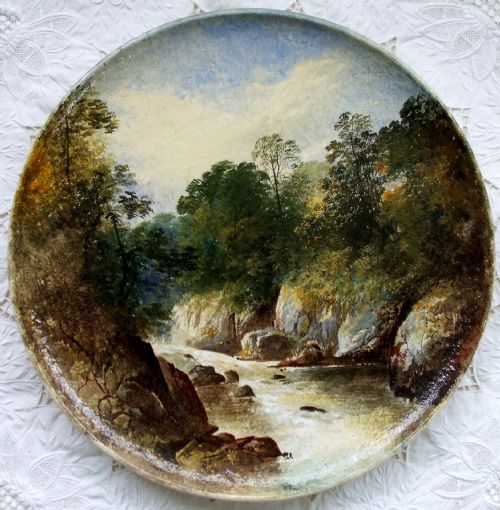
Victorian ceramic wall art encompasses painted porcelain plaques, decorative plates, architectural tiles and earthenware wall pockets designed for interior display. The selections on this page span the nineteenth century through the Edwardian era, incorporating Arts and Crafts and Art Nouveau designs alongside traditional Revival styles.
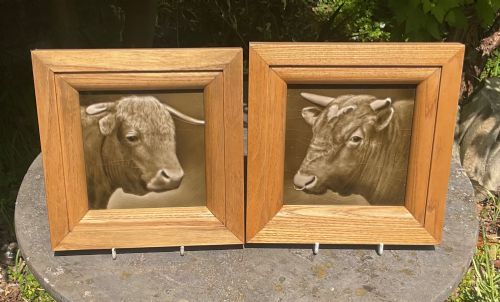
Buyers frequently encounter framed tiles, hand-painted porcelain plaques depicting portraits or landscapes, and majolica pottery. Pieces range from British factory productions by Copeland and Minton to continental European works from French, Austrian and German makers.
Wall art of this period serves primarily decorative purposes, utilising specialised ceramic techniques to bring painterly scenes and sculpted reliefs into domestic spaces. The assortment includes individual framed tiles, matched pairs, and larger chargers fitted for hanging.
Materials and technique
Potters and painters utilised earthenware, porcelain and terracotta as bases for these wall pieces, frequently applying tin glazes or transparent lead glazes over the ceramic body. Many items incorporate specialised techniques such as pate-sur-pate, where liquid white clay is built up in layers on a darker background to create low relief designs.
Decoration relies heavily on hand-painted enamel colours fired onto the glaze, sometimes combined with giltwood frames or carved wooden mounts. Relief plaques involve moulded terracotta or majolica earthenware, finished with rich polychrome glazes that accentuate the modeled details.
Listings feature earthenware, porcelain, and terracotta forms, spanning nineteenth-century revival styles to Art Nouveau and Arts and Crafts designs.
Assessing quality
Quality in these ceramic pieces rests on the precision of the hand-painting and the depth of the modeling in relief works. Finer examples display meticulous brushwork in portraiture or landscape details, while lesser items show looser execution and simpler glaze applications.
The sophistication of the underlying ceramic body and the integration with the frame contribute significantly to a piece's standing. Copeland, Minton and KPM pieces demonstrate superior paste quality and firing control compared to unmarked or standard commercial production.
Clement Messier·Copeland Pottery·Lauder Pottery Barnstaple·Sherwin and Cotton·Ernst Wahliss·Dresden·KPM·William de Morgan
The Victorian Ceramic Wall Art Glossary
- Pate-sur-pate
- A ceramic technique involving the application of successive layers of liquid white porcelain slip onto a coloured clay body to build up a cameo-like relief design. This demanding method creates a translucent, layered effect favoured by major factories.
- Majolica
- A type of earthenware covered with an opaque tin glaze and painted with metallic oxide colours before firing. The resulting surface presents vibrant, glossy hues suitable for figural and botanical reliefs.
- Charger
- A large decorative plate intended for display on a wall or sideboard rather than for practical dining use. These pieces often feature detailed historical or landscape scenes across a wide central surface.
- Wall pocket
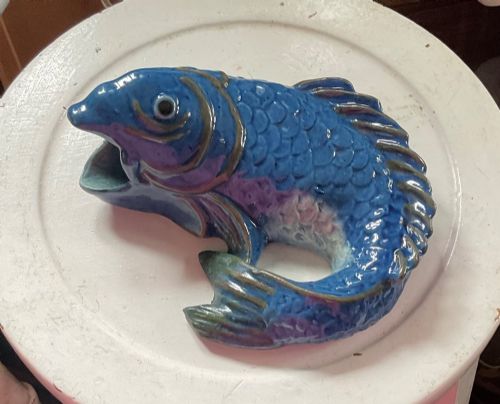
- A hollow ceramic vessel moulded with a flat back for hanging on a wall, typically designed to hold dried flowers or small stems. They frequently take the form of sculptural animal or floral motifs.
- Terracotta
- Unglazed or slip-glazed brownish-red fired earthenware used for sculptural relief plaques. The porous material allows for sharp, crisp modeling of figures and foliage.
Victorian Ceramic Wall Art: Frequently Asked Questions
How do I hang antique ceramic wall art safely?
Most pieces feature original wiring, recessed slots or fitted wooden frames designed for wall hanging. Ensure any mounting hardware matches the weight of the ceramic and the accompanying frame.
For heavier items like porcelain chargers or terracotta relief plaques, consult a professional framer to verify that the hanging fixings remain secure before mounting them on a wall.
Were these ceramic plaques meant for walls?
Yes, many porcelain plaques and decorative tiles were manufactured specifically for interior wall display, often housed within bespoke wooden or giltwood frames. Makers produced them as independent artworks rather than functional tableware.
Architectural tiles and wall pockets were likewise designed from inception to be fixed onto or hung directly against domestic wall surfaces.
How do I distinguish between transfer printing and hand-painting?
Hand-painted ceramic art displays subtle brushstrokes, slight variations in pigment density, and individual artist signatures or factory decorators' marks. Examination under a magnifying glass often reveals the raised texture of enamel or pate-sur-pate work.
Transfer-printed designs show a uniform dot pattern or continuous unbroken lines under magnification, lacking the organic variation found in direct brushwork.
How should I clean and care for ceramic wall pieces?
Dust these items gently with a soft, dry brush to prevent accumulation on textured surfaces or within carved wooden frames. Avoid using water or liquid cleaners, particularly on pieces with exposed earthenware or delicate enamel decorations.
Keep ceramic wall art away from direct sunlight and areas of high humidity to protect fragile glazes and organic mounting materials over time.