


Antique Polychrome Pot Lid
An antique polychrome pot lid brings vibrant ceramic colour into a room through transfer-printed or hand-painted scenes.
Antique Polychrome Pot Lid
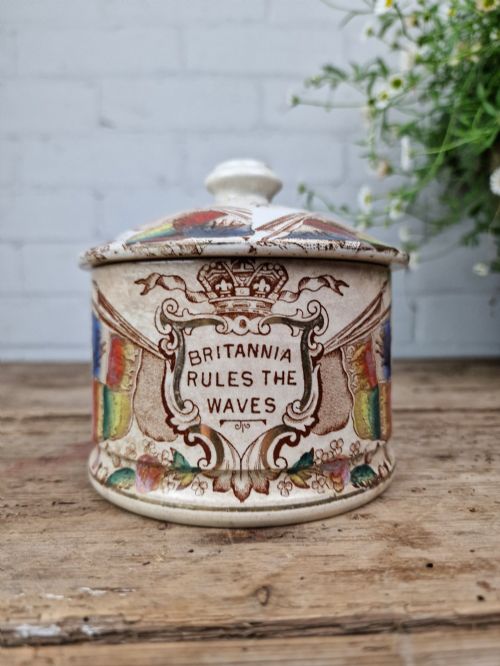
Collectors seeking an antique polychrome pot lid generally encounter items originating from nineteenth-century English earthenware production, alongside Japanese and European ceramics. These round ceramic covers served practical purposes on containers for items such as pastes, butter, and cosmetic preparations before evolving into decorative wall displays.
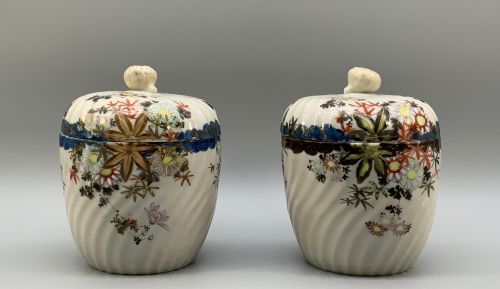
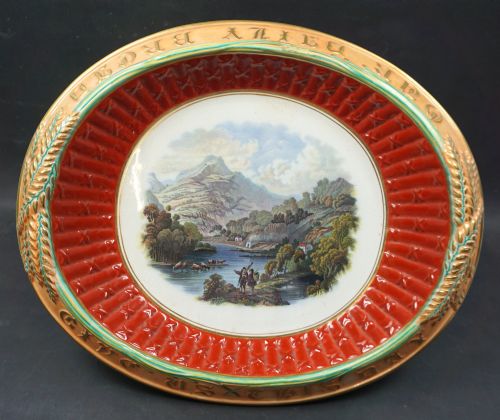
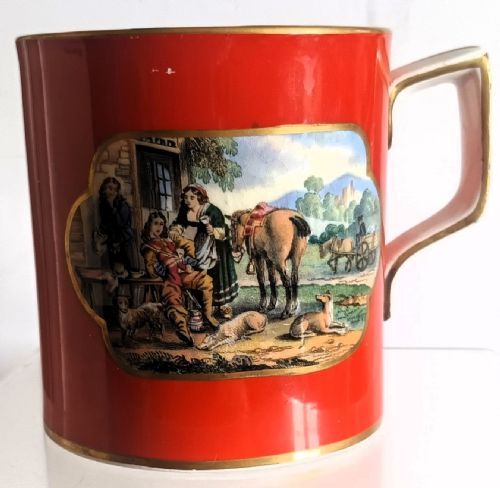
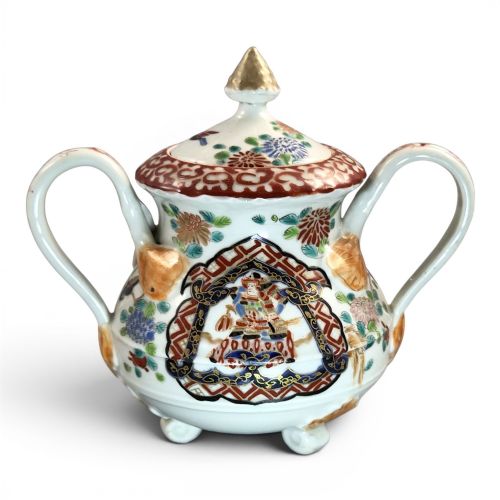
The pieces listed on this page span Victorian English Pratt-ware alongside Asian regional works, showing diverse decorative subjects ranging from pastoral landscapes to traditional figures. Most examples date from the nineteenth century, reflecting the peak era of transfer-printed multicoloured packaging.
How they were made
Potters utilised earthenware and porcelain bodies as the base for multi-stage firing techniques. Applying distinct glaze layers over the ceramic surface protected the coloured pigments beneath.
Makers built up the polychrome designs using detailed transfer printing or hand-applied enamel colours, sometimes supplemented by gold leaf or gilding to highlight specific ornamental details.
Victorian shoppers bought potted meats simply to collect the colourful printed lids, inventing an early form of disposable packaging art.
What varies in quality
The clarity of the multi-coloured printing sets superior examples apart, where each pigment aligns precisely within the outlines without bleeding across the ceramic surface. Strong definition in transfer-printed scenes indicates careful execution during manufacture.
The preservation of the glazed finish and the vibrancy of the enamel colours dictate the visual impact of a piece. Finer items retain crisp detail in their pictorial subjects, whether depicting landscapes or figural compositions.
The Antique Polychrome Pot Lid Glossary
- Pratt-ware
- A type of English earthenware known for multicoloured underglaze transfer printing, frequently produced during the Victorian era for pot lids and plaques.
- Polychrome
- Decoration employing multiple distinct colours across the ceramic surface, achieved through enamels, glazes, or printing.
- Transfer printing
- A mechanical method of applying an engraved design onto pottery by pressing paper tissue inked with pigment onto the unglazed or glazed surface.
- Glaze
- A glassy coating fused to the ceramic body by firing, which seals the porous earthenware or porcelain and fixes the colours.
Antique Polychrome Pot Lid: Frequently Asked Questions
What were pot lids used for?
These round ceramic covers originally sealed small containers holding everyday commodities such as cold cream, bear's grease, and food pastes.
Manufacturers decorated them with attractive scenes to encourage buyers to reuse the containers or collect the lids as small pictures.
How do I hang pot lids on a wall?
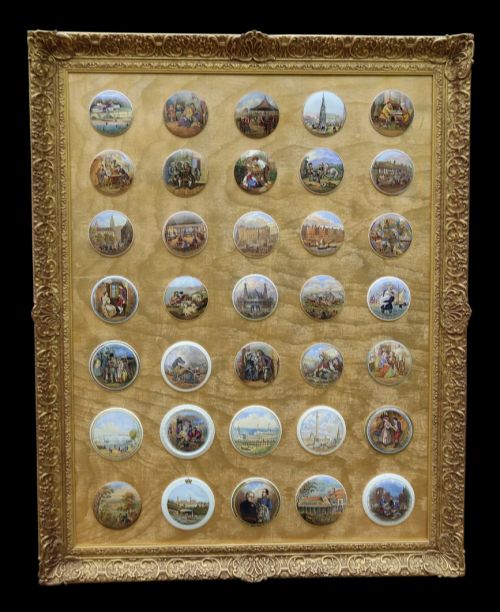
Victorian collectors frequently mounted these round ceramic discs in specialised wooden frames to display the printed scenes as wall art.
Modern display typically involves using adjustable brass spring hangers designed specifically for flat round plates without scratching the edges.
How do I tell Pratt-ware from other ceramics?
Pratt-ware is distinguished by its specific multi-colour transfer-printing technique on earthenware bodies, usually showing historical scenes or landscapes.
The palette relies on characteristic earthy tones applied beneath a clear glaze, marking it out from plain pottery or hand-painted porcelain.
Are these lids waterproof?
The ceramic body and glass glaze seal the porous earthenware, making the surface resistant to moisture and everyday handling.
However, historic mounting hardware or unsealed rims on damaged pieces mean immersion in water should be avoided during cleaning.