



Antique Ceramic Lion
When you handle an antique ceramic lion, you encounter centuries of modelled earthenware and porcelain shaped to guard hearths, terraced gardens, and dining tables.

Antique Ceramic Lion
The antique ceramic lion encompasses figures, spill vases, jelly moulds, and garden statuary drawn from English potteries, European factories, and East Asian kilns. Buyers find Staffordshire earthenware figures alongside Japanese porcelain Shishi and Chinese Buddhistic lion dogs.
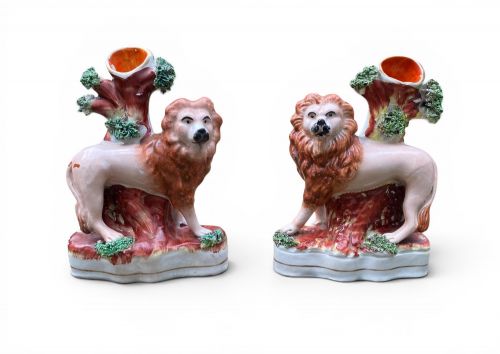
Staffordshire pottery dominates the domestic examples, taking the form of paired mantel ornaments, recumbent bookends, or the Medici lion model. These nineteenth-century pieces range from cream-glazed kitchenware to rich treacle-glazed figures.
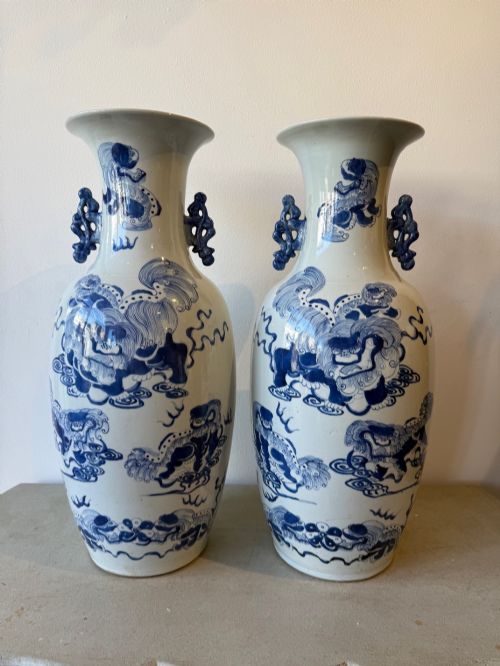
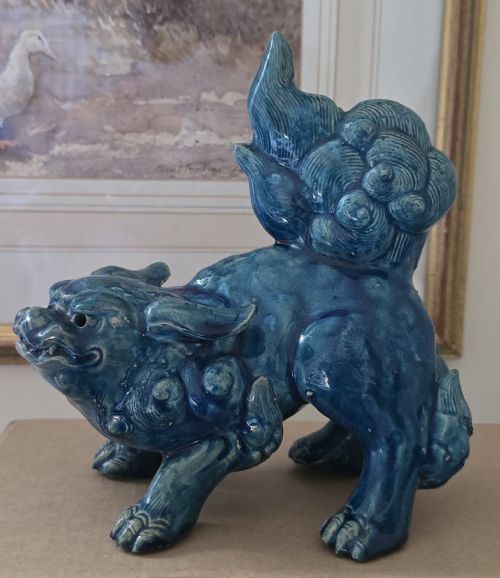
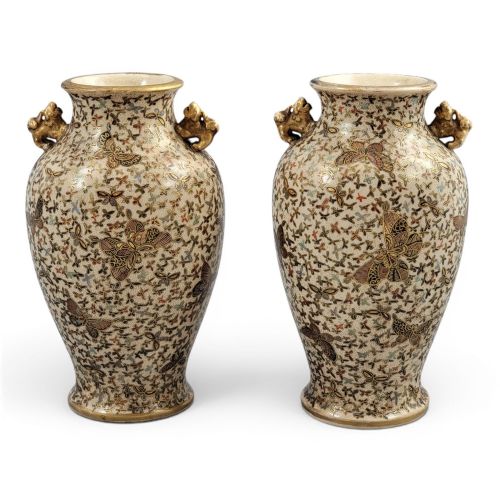
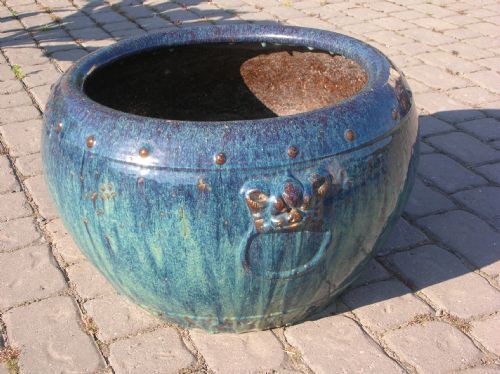
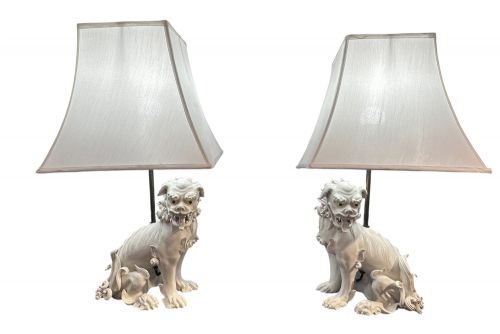
Asian traditions supply porcelain and pottery guardian figures, including turquoise-glazed Meiji period pieces and Qing dynasty Foo dogs. These animals serve protective roles, often paired as temple guardians or integrated into vessel handles and incense burners.
Materials and construction methods
Potters built these figures using earthenware, terracotta, and porcelain, applying lead glazes, salt glazes, or enamel decoration over the clay body. Staffordshire works relied on slip-cast or press-moulded earthenware finished with treacle glaze, copper lustre, or transfer printing.
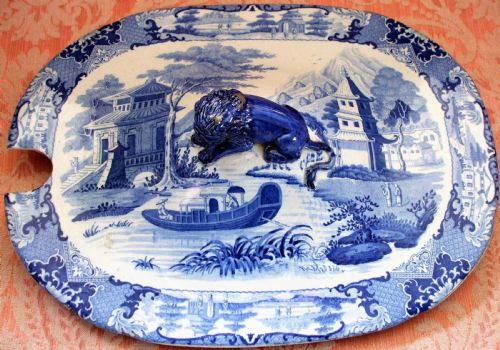
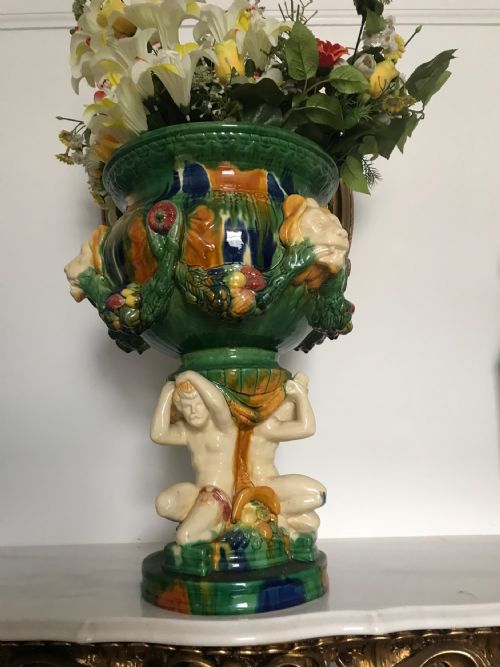
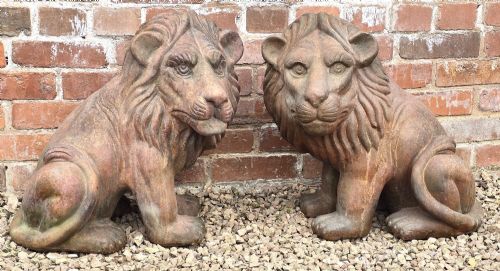
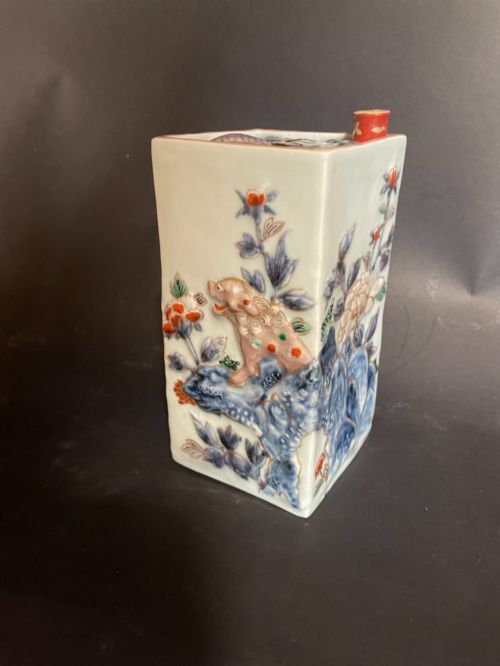
East Asian pieces utilise fine porcelain and pottery bodies, finished with detailed hand-painting in iron red, green enamel, or blue and white pigments. Sculptors of large terracotta and majolica garden pieces shaped heavy clay bodies before firing and glazing.
Listings feature earthenware, porcelain, and terracotta materials spanning the seventeenth through twentieth centuries.
Judging the standard of manufacture
The sophistication of the surface finish separates standard items from exceptional ones, whether through rich multi-coloured enamel work on porcelain or even coverage of treacle and salt glazes on earthenware.
Robert Hamilton·Rockingham Pottery·Minton·Lancaster and Sons of Hanley·Meissen
The Antique Ceramic Lion Glossary
- Staffordshire
- A term for pottery manufactured in the Staffordshire potteries of England, known for domestic figures and utilitarian wares. These items defined nineteenth-century domestic mantelpieces.
- Shishi
- A traditional Japanese guardian lion or lion-dog derived from Chinese Buddhist iconography. Sculptors rendered these mythical beasts in porcelain, bronze, and glazed pottery.
- Medici Lion
- A classic sculptural model of a lion with one paw resting on a sphere, copied from the antique marble sculptures in Florence. British potters reproduced this iconic pose extensively during the Victorian era.
- Treacle Glaze
- A dark, translucent brown lead glaze used heavily on nineteenth-century earthenware to create a rich, glossy finish. Potters applied this specifically to animal figures and utility items.
- Foo Dog
- A colloquial western term for Chinese guardian lions, representing protective temple dogs. They appear frequently in porcelain and pottery across Qing dynasty export wares.
Antique Ceramic Lion: Frequently Asked Questions
What is a Staffordshire lion?
A Staffordshire lion is an earthenware figure produced by English potteries during the nineteenth century, typically modelled as a seated pair or recumbent bookend for domestic display.
Potters decorated these figures with glazes such as treacle, salt glaze, or copper lustre to give them a vibrant surface appearance.
How do I identify a Shishi figure?
A Shishi is a Japanese guardian lion, identifiable by its stylized curly mane, open mouth, and one paw resting on a ball or resting on the ground.
These figures appear in materials ranging from Meiji period porcelain to Kutani pottery and turquoise-glazed ceramics.
Where were ceramic lions placed?
Ceramic lions served various domestic and architectural functions, from mantelpiece ornaments and jelly moulds to large garden planters and terrace statuary.
Smaller figures sat in pairs upon living room shelves, while robust terracotta and majolica versions stood outdoors or in conservatories.
What is a Medici lion?
The Medici lion is a specific sculptural pose depicting a male lion resting its paw upon a sphere, modelled after classical Italian marble statues.
English potteries adapted this grand classical subject into domestic earthenware figures and garden ornaments during the Victorian period.