




Antique Ceramic Bust
An antique ceramic bust captures character in three dimensions, bringing classical figures, historical personalities and striking portraiture directly onto your mantelpiece.
Antique Ceramic Bust
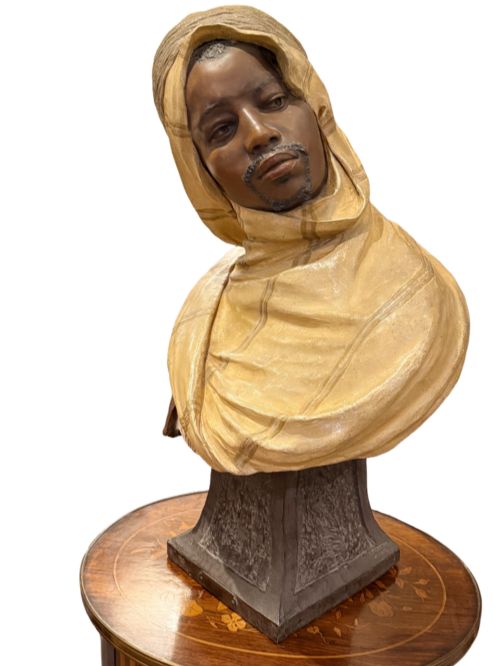
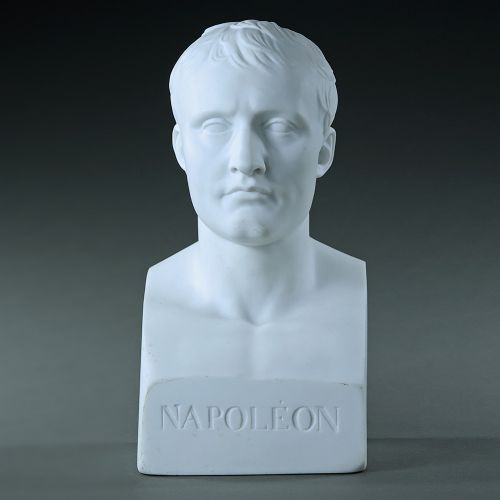
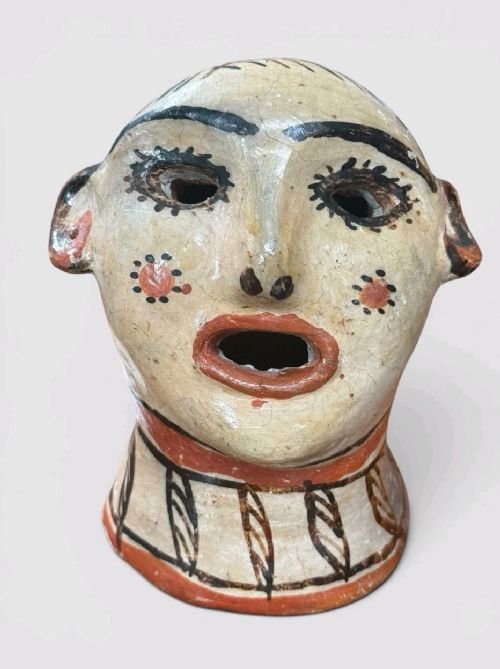
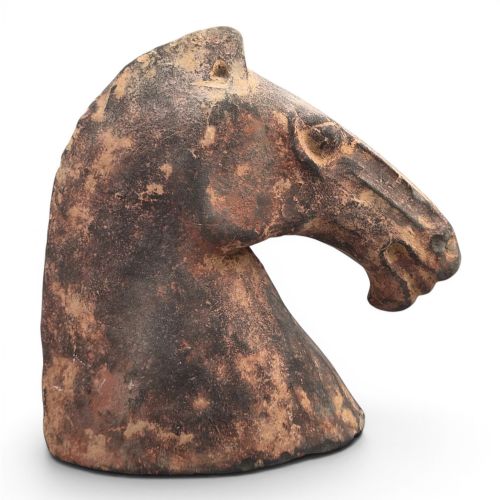
An antique ceramic bust portrays human subjects from the chest or shoulders upward, rendered in materials like terracotta, earthenware and porcelain. Collectors seeking an antique ceramic bust encounter representations ranging from classical mythological figures to named historical personages and literary characters.
The pieces on this page span several centuries, with nineteenth-century Victorian and neoclassical examples appearing alongside early twentieth-century art deco works. Makers utilised various ceramic techniques to produce decorative sculptures, utility vessels and portrait studies of differing scales.
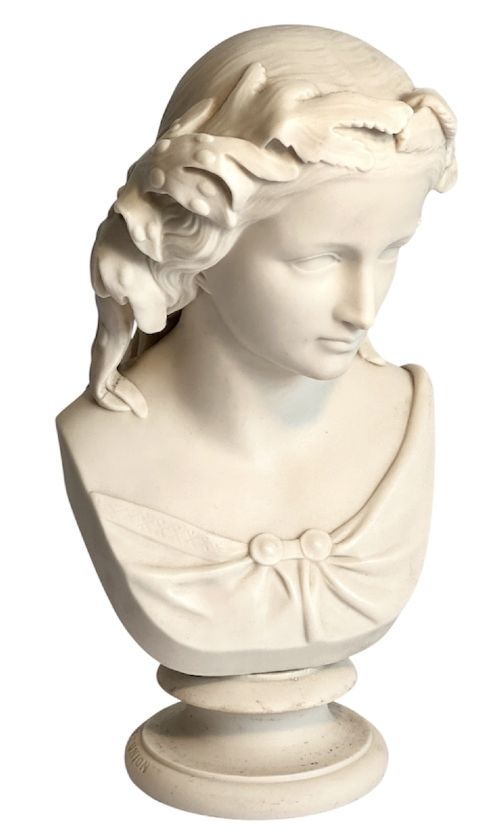
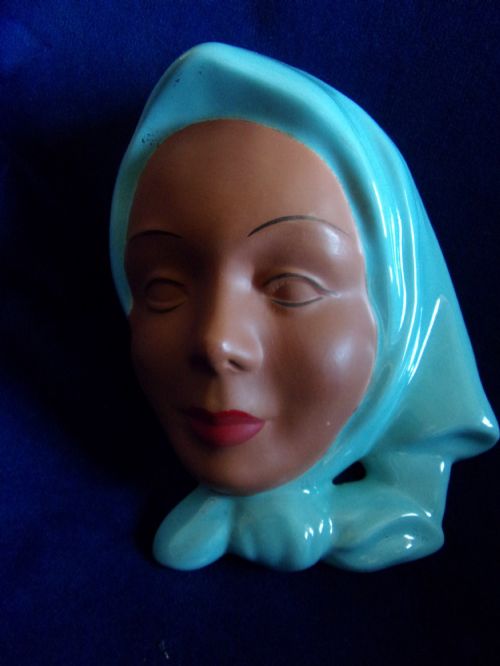
Portraits of royals, poets and female beauties dominate the selection, often modelled after celebrated sculptors or produced by established European potteries. Sculptural forms vary from small cabinet pieces to life-size studies intended for prominent display in a room.
How they were made
Potters and sculptors shaped these pieces using terracotta, earthenware and porcelain, sometimes finishing the surface with paint, enamel or a bronze-like metallic glaze. Terracotta works allowed artists to capture expressive detail through direct modelling or casting before kiln firing.
A powder puff doll hides vanity beneath a ceramic lady's skirts.
What varies in quality
The refinement of the modelling dictates the distinction between standard production pieces and superior works of art. Sharpness in the rendering of facial expressions, hair texture and the folds of drapery separates masterly sculpture from commercial factory output.
Materials and surface finishes also determine the standing of a piece, as seen in finely polished parian porcelain or sensitively painted terracotta. The pedigree of the modeller, whether an academy sculptor or a known pottery, elevates the artistic weight of the portrait.
Copeland·Goldscheider·Ernst Whaliss·Georges Morin·Achille Mollica·Fasold and Stuach·William Goebel
The Antique Ceramic Bust Glossary
- Terracotta
- Fired clay ranging in colour from pale buff to deep reddish-brown. Sculptors utilised this porous material extensively for portrait studies and architectural ornaments.
- Parian Porcelain
- A fine white ceramic developed to resemble carved marble. This vitreous material became popular in the nineteenth century for statuary and portrait busts.
- Bisque Porcelain
- Unglazed ceramic fired once to produce a matte, porous surface resembling marble. Makers favoured this body for delicate figures and portrait heads.
- Neoclassical
- A style drawing inspiration from classical antiquity and Renaissance ideals. Sculptors and ceramicists adopted these restrained, formal compositions during the eighteenth and nineteenth centuries.
- Art Deco
- A design movement prominent in the nineteen-thirties characterised by stylised geometric forms. Ceramic busts from this period often depict modern female types and theatrical figures.
Antique Ceramic Bust: Frequently Asked Questions
How do I clean an antique ceramic bust?
Dust the surface gently with a soft, dry brush to prevent dirt accumulation in crevices and modelled details.
Avoid using water or liquid cleaners, particularly on unglazed terracotta and bisque porcelain, as moisture can stain or damage the porous body.
What is parian porcelain?
Parian porcelain is a fine ceramic material designed to imitate carved marble through its matte texture and pale colour.
Introduced in the nineteenth century, factories utilised this body primarily for portrait busts and literary figures to give them a classical appearance.
Are terracotta busts heavy?
Terracotta sculptures possess considerable weight due to the density of fired clay, particularly in larger or life-size formats.
Ensure you place any display on a sturdy surface capable of supporting the mass of the sculpture securely.
How do I date a ceramic bust?
Examine the material, style and any impressed factory marks or artist signatures located on the base or reverse.
Neoclassical and Victorian pieces often display smooth parian bodies or rich terracotta patinas, whereas nineteen-thirties works typically exhibit geometric art deco styling.