

Antique Candle Pedestal
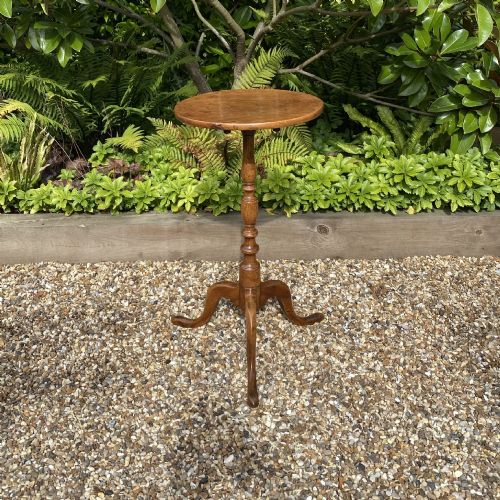
An antique candle pedestal holds light where needed, offering solid timber craftsmanship and stable tripod framing.
Antique Candle Pedestal
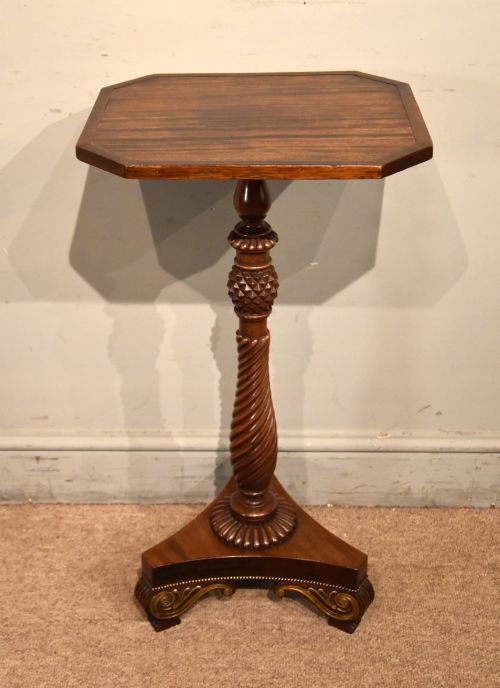
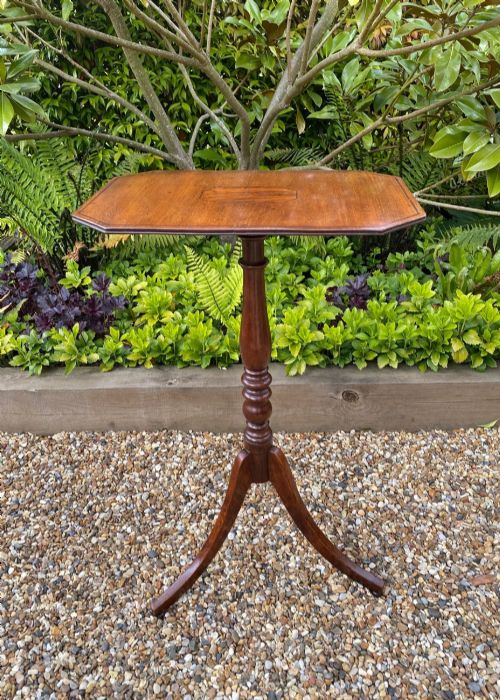
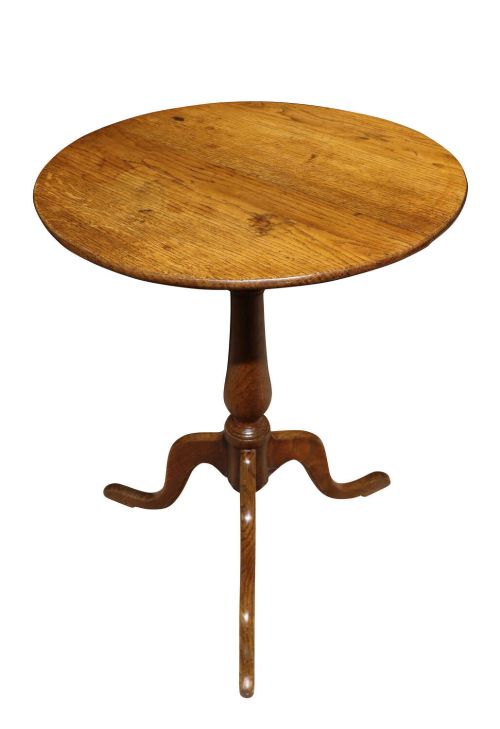
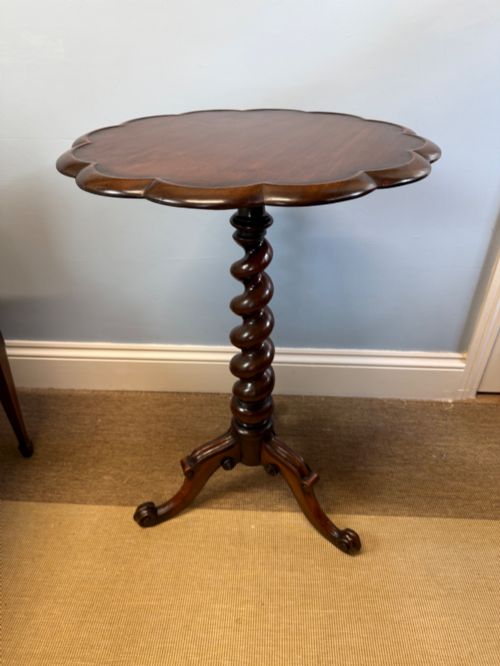
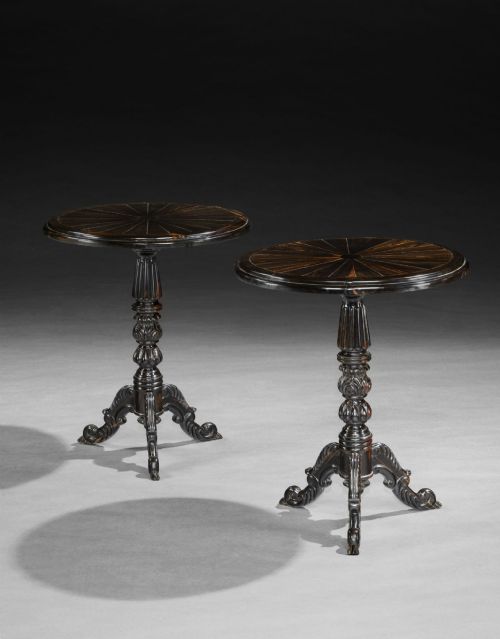
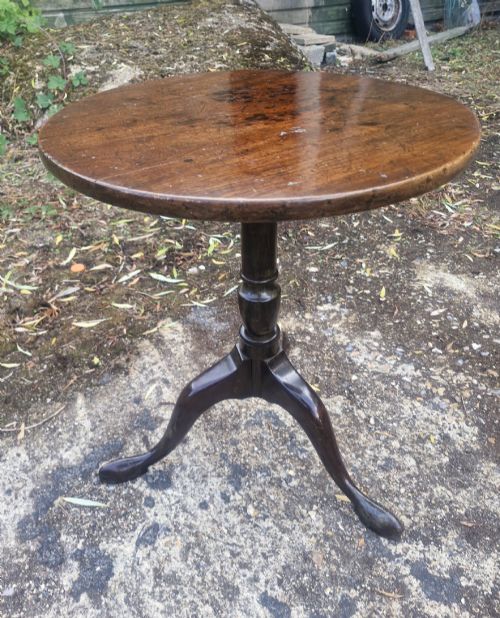
When searching for an antique candle pedestal, buyers encounter compact wooden tables and torchieres designed to hold illumination or small objects. The pieces listed on this page span Georgian, Regency, Victorian, and Edwardian periods, presenting versatile forms that function well in modern interiors as side tables or plant stands.
Materials and construction methods
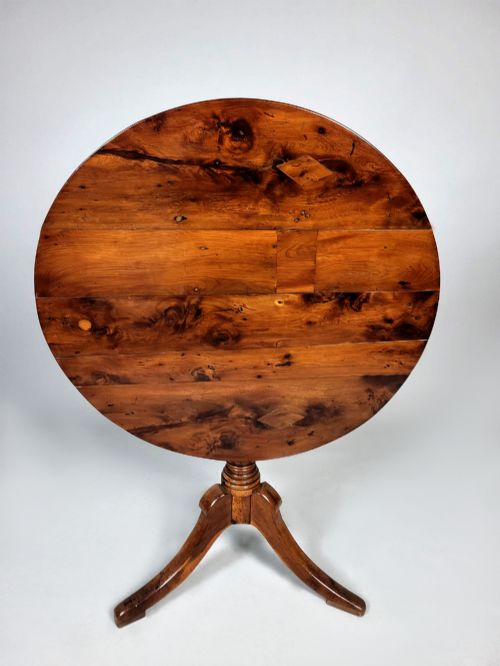
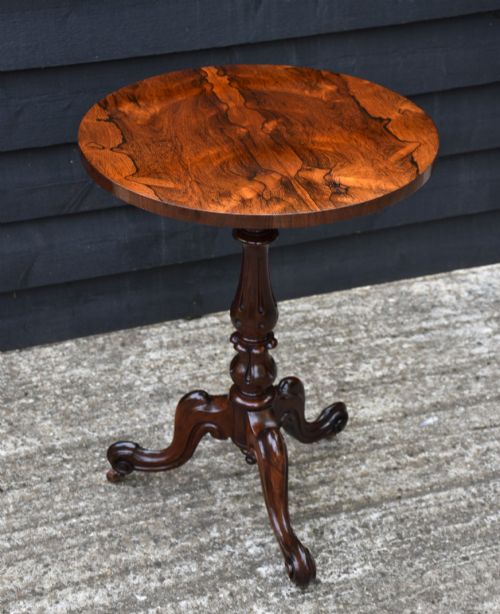
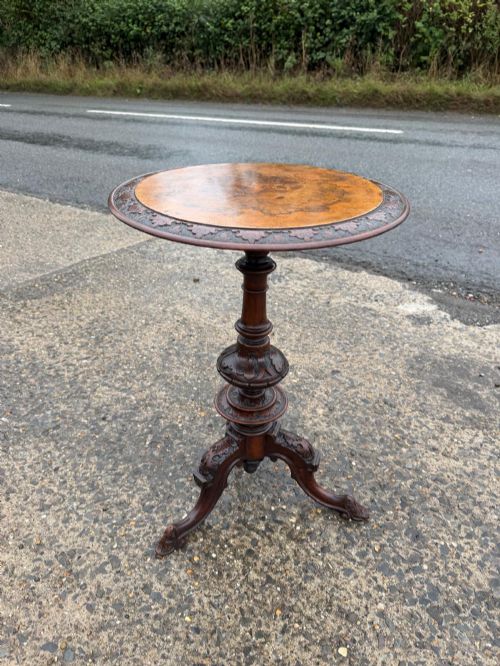
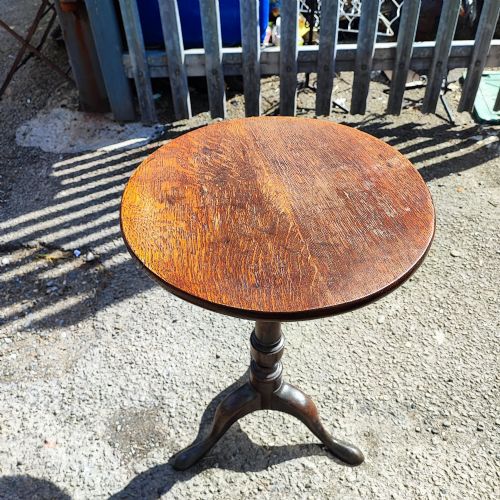
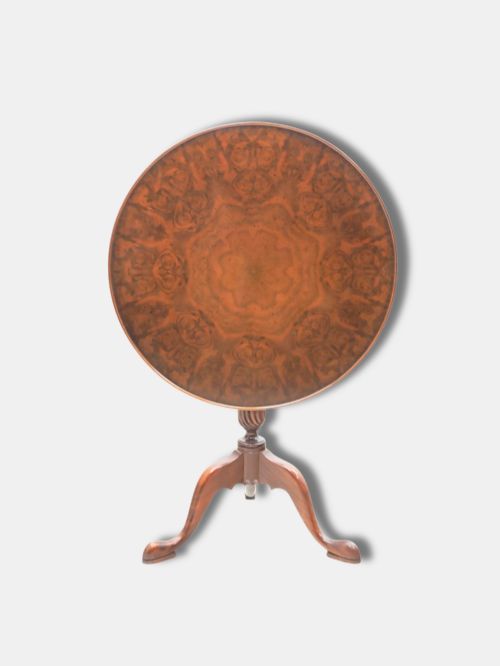
Cabinet makers utilised dense hardwoods such as mahogany, walnut, rosewood, and oak to ensure stability on three-legged bases. Burr wood veneers and fruitwood frequently provide decorative surface grain on the top sections, contrasting with turned pillars.
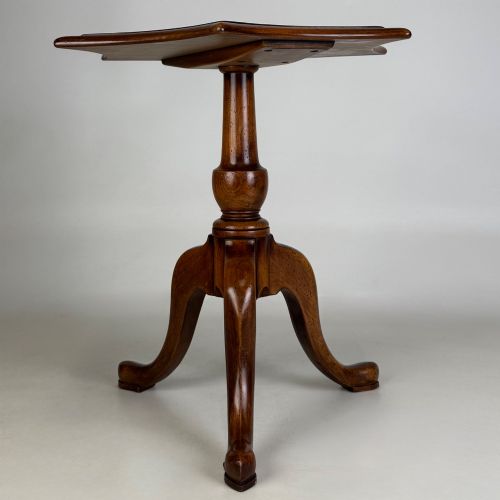
Joinery methods rely on sturdy central tenons, corner blocks, and metal or wooden tilt-top mechanisms that allow tops to fold flat when not in use. Carved details and shaped rims appear on specific regional and period examples, showing manual shaping on lathe-turned shafts.
Listings span Georgian, Regency, Victorian, and Edwardian eras, predominantly featuring mahogany and walnut timbers configured as tripod wine tables and torchieres.
Judging build quality and timber selection
Quality rests primarily on the choice of timber and the crispness of the turning on the pedestal shaft. Superior examples display figured grain patterns in walnut or mahogany and well-balanced tripod legs without warped feet.
The precision of the tilt-top hinge mechanism and the tightness of the joints where the pillar meets the legs separate standard utility pieces from finely finished parlour furnishings.
The Antique Candle Pedestal Glossary
- Tripod table
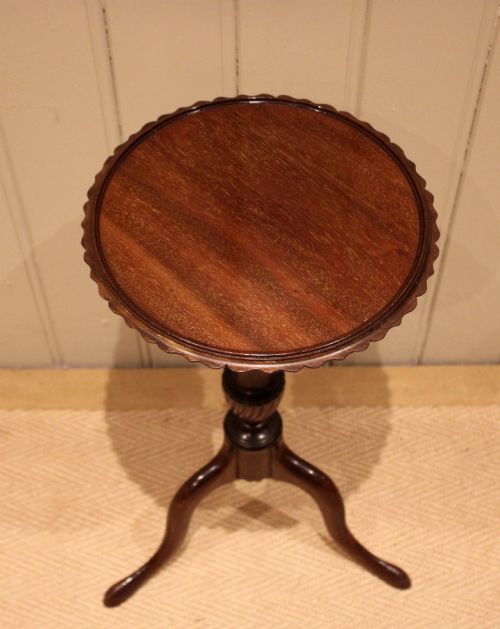
- A small freestanding table supported by a central pillar and three legs. This configuration prevents wobbling on uneven floorboards.
- Torchere
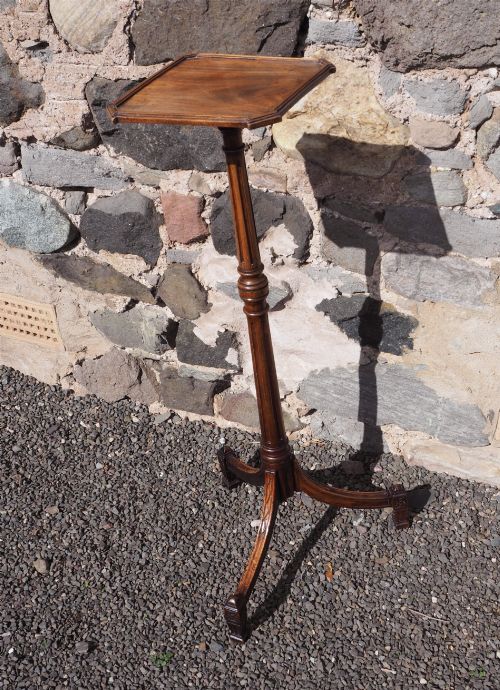
- A tall decorative stand meant to support a candle or lamp. These tall pedestals often feature carved or reeded shafts.
- Tilt-top
- A tabletop hinged to fold into a vertical position. This adaptation saved floor space in period rooms.
- Pie crust rim
- A raised, scalloped edge carved into the perimeter of a tabletop. It prevents small items from rolling off.
- Snap top
- A spring-loaded catch mechanism securing a tilt-top surface in the horizontal position. It provides stability during use.
Antique Candle Pedestal: Frequently Asked Questions
How were antique candle pedestals used?
These pieces provided portable illumination surfaces beside chairs or beds before fixed wall lighting became common. They held heavy wax candles safely away from curtains and soft furnishings.
Over time their uses expanded to hold pocket watches, tea services, or small decorative ornaments within sitting rooms and parlours.
How do I spot a tilt-top mechanism?
Look underneath the circular top for a wooden catch or brass latch holding the surface flat against the central block. When released, the top pivots vertically on a pivot pin.
This functional detail allowed servants to store multiple stands flat against the wall when rooms needed clearing for evening gatherings.
What woods were commonly used?
Mahogany and walnut dominate the selection, offering deep natural tones and strong structural support for slender tripod columns. Rosewood, oak, and fruitwood also appear frequently across 19th-century examples.
Cabinet makers selected Burr wood veneers for high-status tops to display intricate, swirling grain patterns under polished finishes.
Where should I place one at home?
Their compact footprints make them ideal as bedside surfaces, beside reading armchairs, or in narrow hallways. A torchere fits neatly into empty corners to elevate plants or small sculptures.
Avoid placing them directly beside strong heat sources or in direct sunlight to protect the polished wood surfaces and timber veneers.