



Antique Bureau Drawers
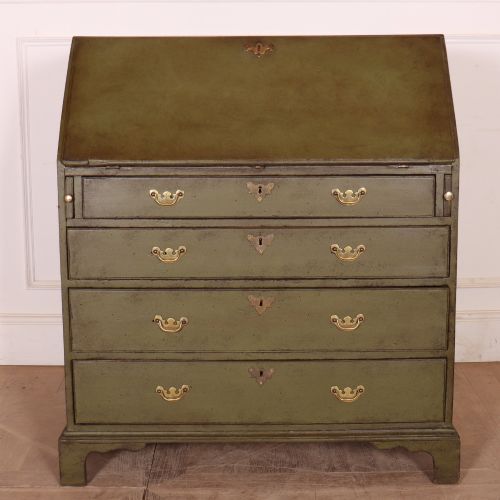
These antique bureau drawers combine the storage of a chest with the writing surface of a desk, offering practical utility and period craftsmanship.
Antique Bureau Drawers
When you search for antique bureau drawers, you encounter pieces that bridge the gap between storage furniture and writing furniture, encompassing items such as fall-front desks, secretaire chests, and traditional chests of drawers. These pieces date from the 17th century through the Edwardian era, reflecting shifting domestic needs across various historical periods.
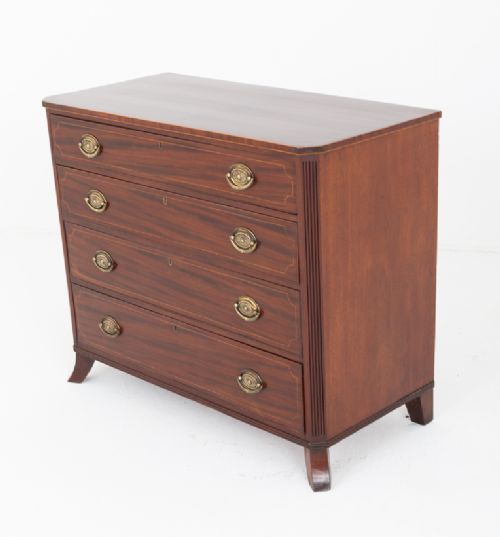
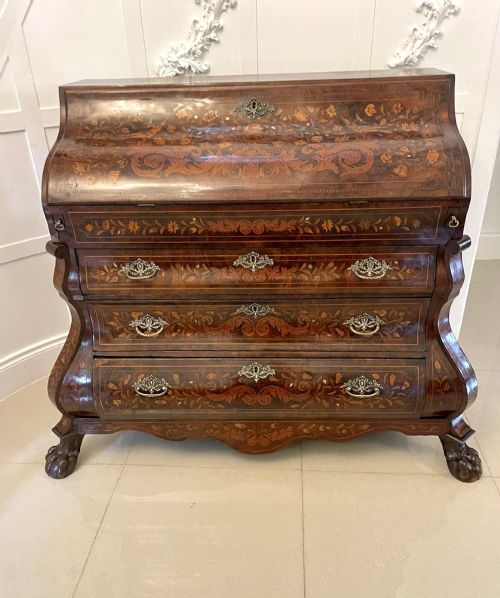
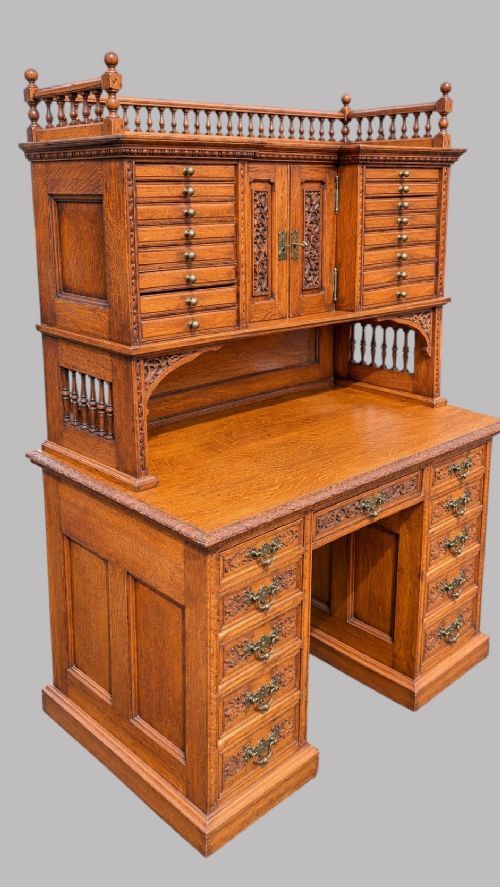
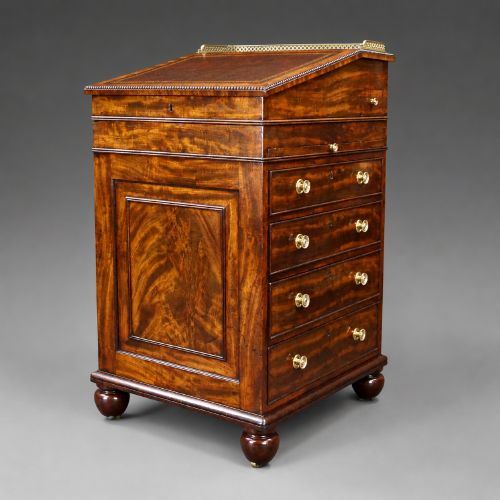
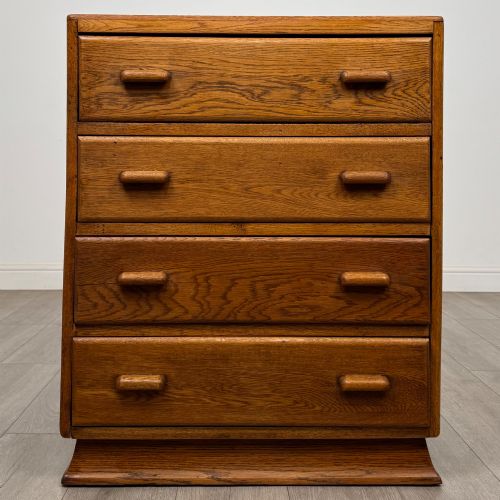
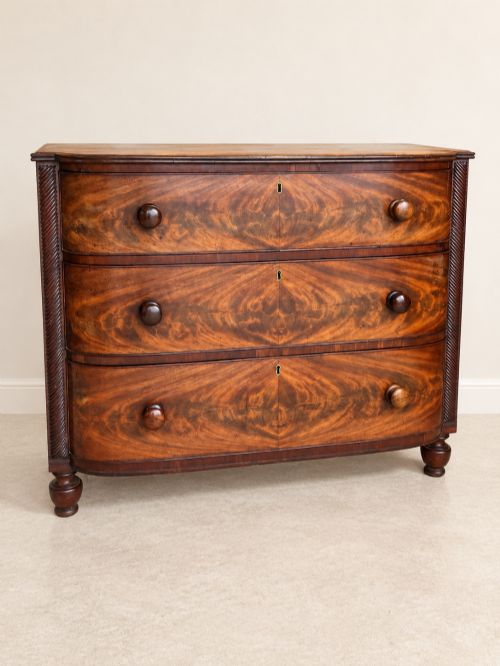
The most common examples on this page include Georgian and Regency mahogany chests alongside Edwardian oak writing bureaus. These forms often feature fitted interiors with small compartments and secret drawers hidden behind hinged writing slopes or upper drawer tiers.
How they were made
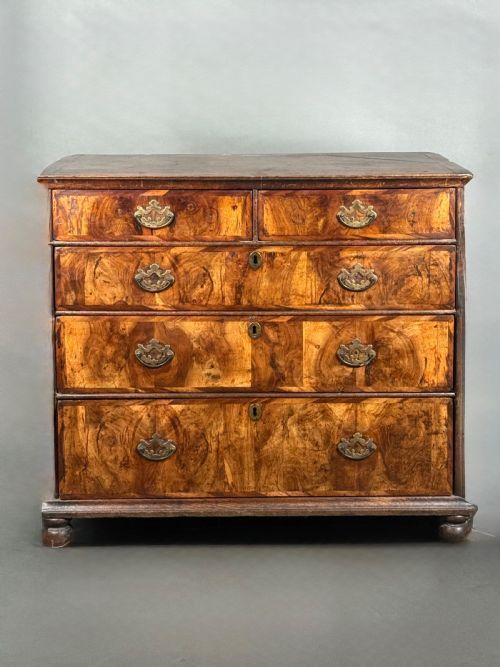
Cabinet makers utilised solid hardwoods such as mahogany, oak, and walnut, frequently applying burr walnut or flame mahogany veneers to principal surfaces to create decorative grain patterns. Secondary timbers like oak and pine appear inside drawer linings and carcass backs.
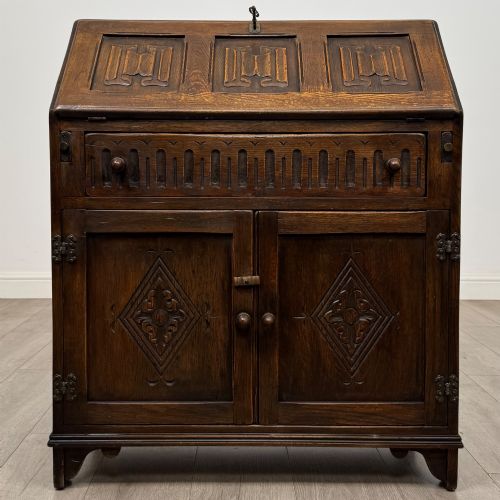
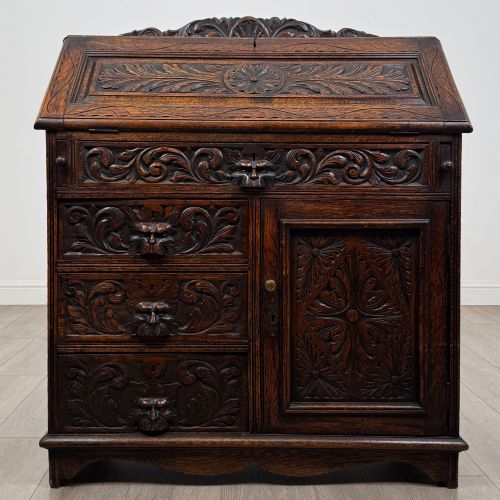
Construction techniques involve dovetail joints on drawers and brass hardware for handles and escutcheons. Decorative elements include floral marquetry inlay, parquetry, linenfold carving, and glazed bookcase doors on taller bureau bookcase combinations.
Antique Bureau Drawers Retail Price Guide 2026
Typical asking prices for bureau drawers among the pieces listed under this phrase on Sellingantiques today, from the lower quarter to the upper quarter. They describe what is for sale here now, not the wider market.
Listings feature items from the 17th century through the Edwardian period, constructed in oak, mahogany, walnut, and pine.
What varies in quality
The degree of refinement in the timber selection and decorative detail separates standard items from finer examples. Pieces displaying figured veneers, intricate marquetry, or serpentine fronts demonstrate higher levels of cabinet-making skill.
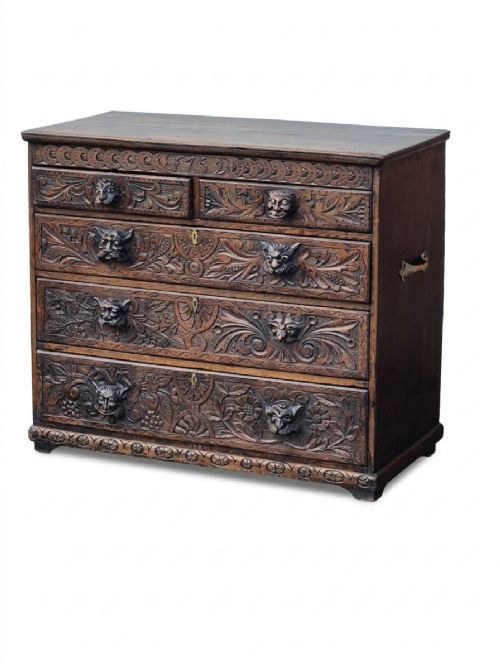
Structural integrity and the retention of original brass handles, working locks, and interior fitted compartments influence the character of each item. The complexity of internal secret drawers and the crispness of carved details, such as Green Man motifs or linenfold panels, also distinguish individual pieces.
Gillows·Sir Clough Williams-Ellis
The Antique Bureau Drawers Glossary
- Bureau
- A desk with a sloping hinged lid that covers a compartment for papers and writing materials. It frequently sits atop a chest of drawers.
- Secretaire
- A piece of furniture containing a drawer or compartment that pulls out or folds down to form a writing desk. It often disguises its writing function to resemble a standard chest of drawers.
- Bombe
- A swelling, convex furniture shape characteristic of 18th-century continental and high-style English pieces. This contour curves outward on the front and sides.
- Marquetry
- Decorative veneer work consisting of inlaid pieces of wood, shell, or ivory forming geometric or floral patterns. Craftsmen apply these thin pieces onto the structural carcase.
- Brushing slide
- A pull-out shelf located above the drawers of a chest, historically used for dusting garments or as a temporary writing surface.
Antique Bureau Drawers: Frequently Asked Questions
What is a secretaire chest?
A secretaire chest combines the outward appearance of a standard chest of drawers with an upper drawer that folds down to reveal a writing surface and small pigeonholes.
This design provided a concealed desk space within a compact footprint suitable for bedrooms and sitting rooms.
How do I identify a Georgian bureau?
Georgian bureaus typically feature solid mahogany or oak construction, bracket feet, and a sloping fall-front that opens to an interior arrangement of drawers and pigeonholes.
Earlier examples from the 18th century often display figured walnut veneers or subtle crossbanding along the drawer edges.
What woods were used?
Cabinet makers relied primarily on native and imported hardwoods, including mahogany, oak, walnut, and pine.
Finer decorative surfaces utilised burr walnut and flame mahogany veneers, while internal carcases and drawer linings were frequently constructed from secondary timbers like oak.
Where were they used?
These pieces served as functional furniture in studies, libraries, and bedrooms of period homes for correspondence and record keeping.
The combination of enclosed drawer storage and a fold-down writing surface made them practical for daily domestic administration.