



Antique British Timepiece
An antique british timepiece brings mechanical precision and functional history into a room through brass, oak, glass, and gold.
Antique British Timepiece
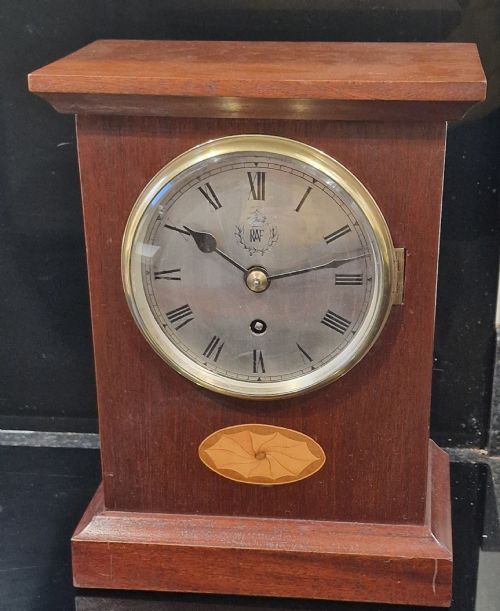
An antique british timepiece spans practical domestic clocks and portable personal watches issued across the Georgian, Victorian, Edwardian, and mid-century eras. When you search for an antique british timepiece, you encounter everything from railway wall clocks and mantelpieces to pocket watches and wristwatches.
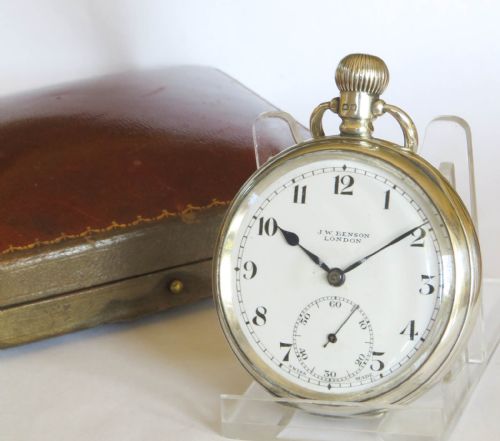
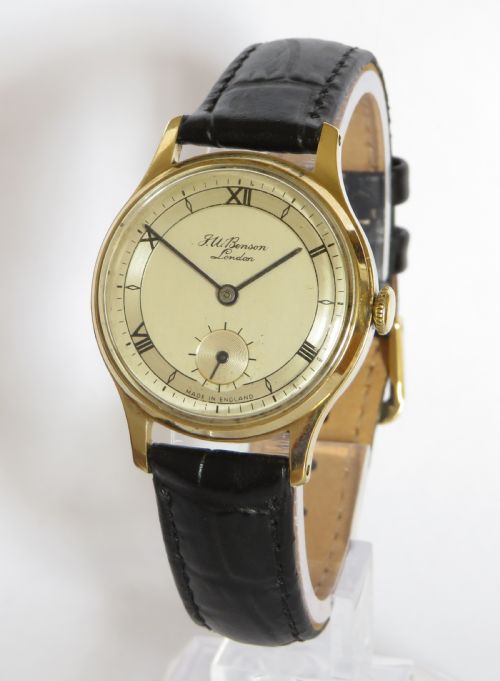
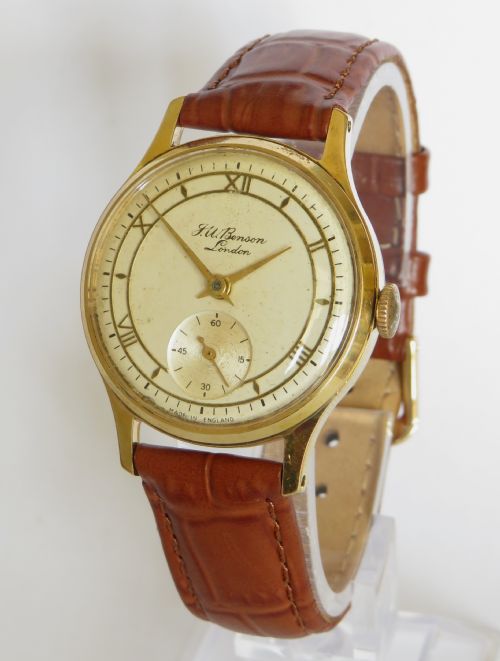
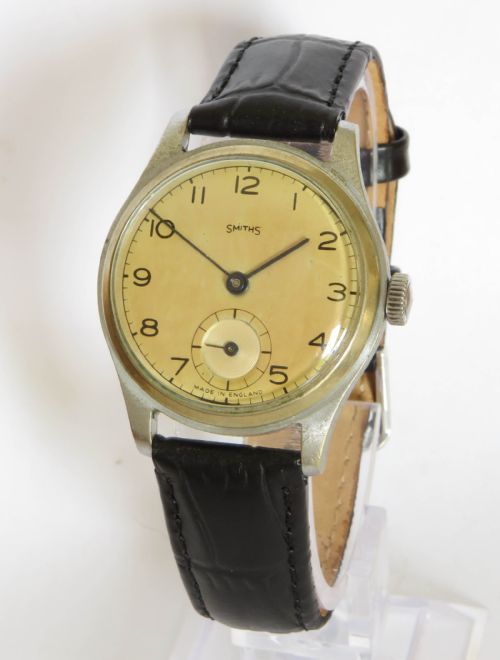
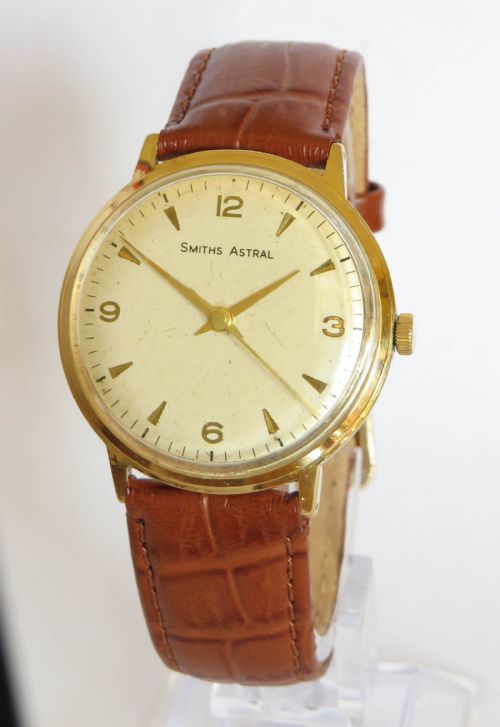
The domestic pieces include oak bracket clocks, mahogany library clocks, and blue glass electric mantel designs from the interwar years. Portable examples range from silver pocket watches to gold wristwatches by makers such as Smiths and J W Benson.
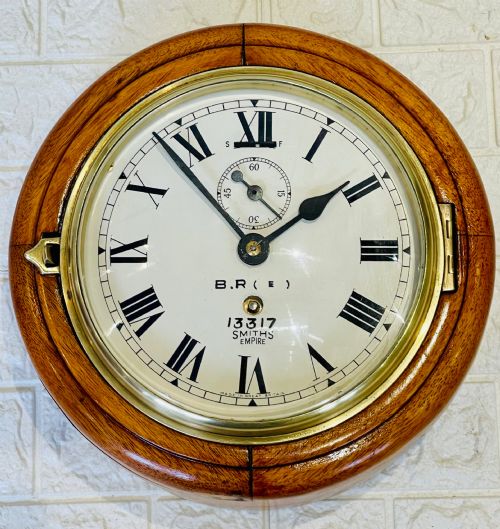
Functional pieces also feature heavily, including military issue watches for the R.A.F. and wall clocks made for British Railways. These varied forms reflect the widespread British output of horology across the nineteenth and twentieth centuries.
Assessing quality and finish
Quality rests in the precision of the movement and the integrity of the materials, whether dealing with a solid mahogany library clock or a gold wristwatch. Higher grades feature jewelled movements and clean, unblemished enamel dials.
The execution of the case work separates standard production from finer pieces, evident in well-turned brass fittings and carefully polished oak or mahogany. Institutional pieces derive their standing from genuine service history and legible railway or military markings.
The listings span the Georgian era through the 1960s, featuring materials from 9ct gold and brass to glass and oak.
J W Benson·Smiths·Liberty & Co·Bravingtons Ltd of London·John Walker
The Antique British Timepiece Glossary
- Fusee
- A conical pulley used in older clocks and watches to maintain even force on the gear train as the mainspring unwinds.
- Bracket clock
- A portable spring-driven clock originally designed to sit on a wall bracket.
- Library clock
- A formal mantel or desk clock suitable for placement in a study or library.
- Jewel
- A small synthetic ruby or sapphire used as a bearing to reduce friction in watch movements.
Antique British Timepiece: Frequently Asked Questions
How do I wind a mechanical timepiece?
Mechanical clocks and pocket watches require careful winding using an appropriate key or by turning the crown gently until resistance is felt.
Overwinding can damage the mainspring, so care must be taken to stop the moment tension increases.
Where were railway clocks placed?
Railway clocks hung in stations, offices, and mess rooms to ensure strict synchronisation across the network.
Robust wall clocks with fusee movements typically served this demanding functional purpose.
What is the difference between a clock and a timepiece?
In horology, a timepiece refers strictly to a device that measures and indicates the time without striking hours or playing tunes.
Many antique mantel and library clocks were built as pure timepieces for quiet spaces.
How do I care for a gold wristwatch?
Gold wristwatches from the mid-century require protection from moisture and magnetic fields to preserve their internal movements.
Regular servicing by a professional horologist keeps the mechanical parts functioning accurately.