
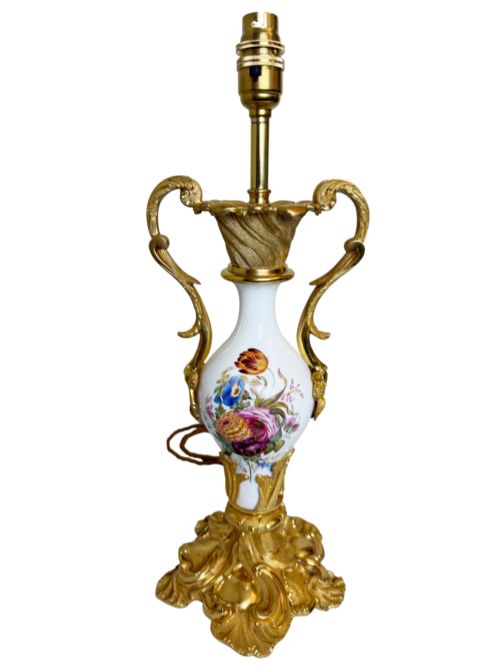
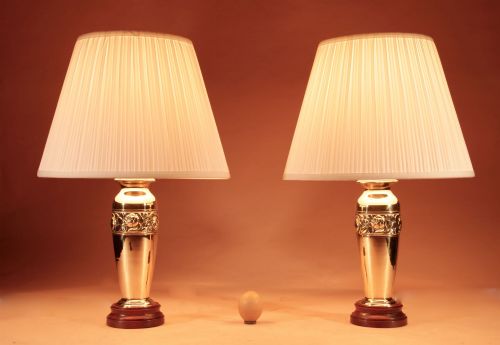
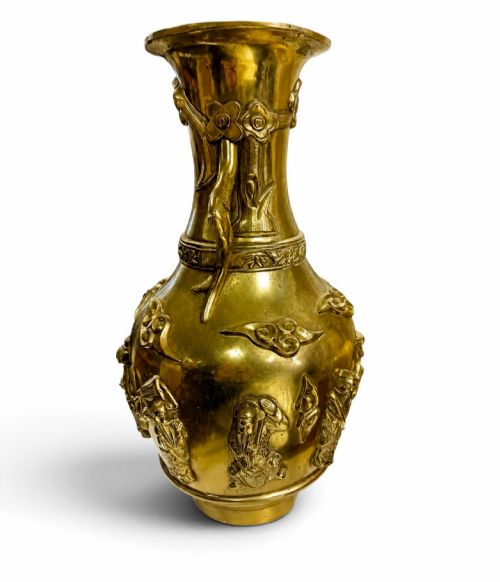
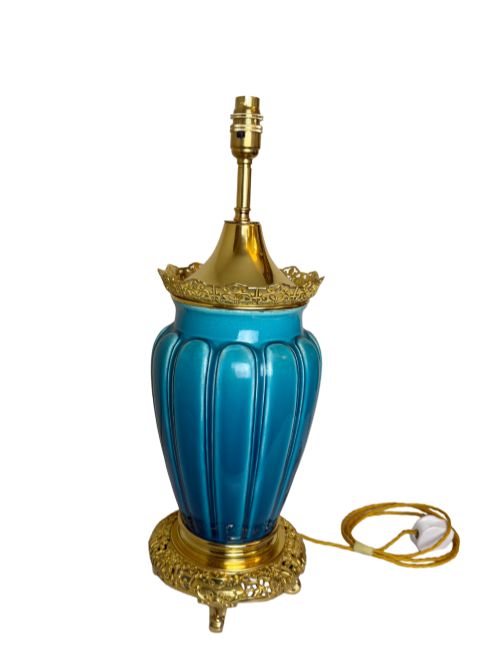
Antique Brass Urn
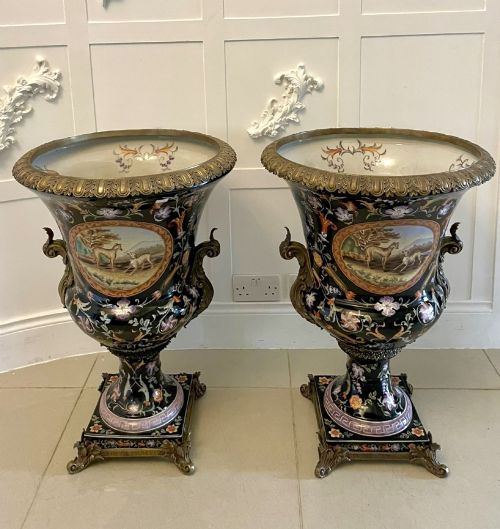
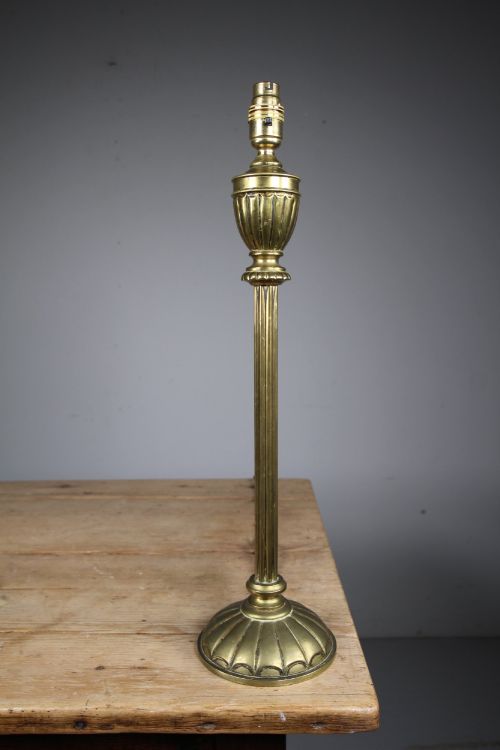
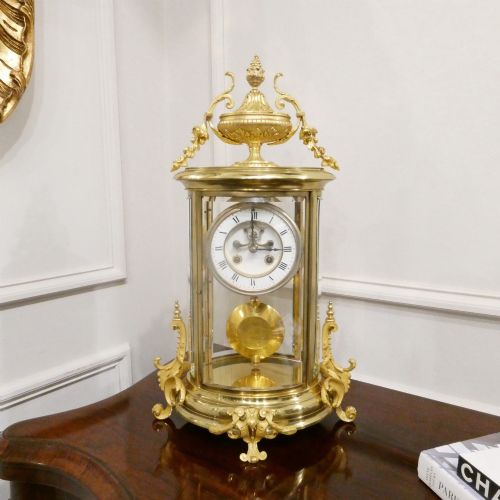
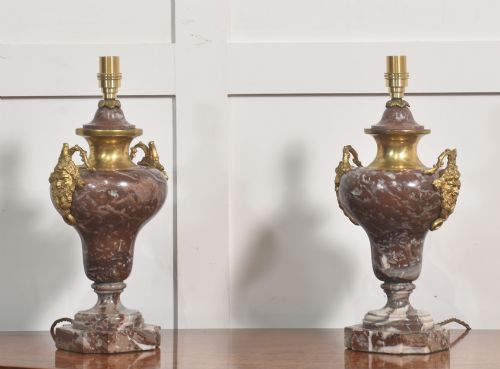
These antique brass urn pieces bring heavy neoclassical presence and rich decorative metalwork straight into a room.
Identifying an antique brass urn
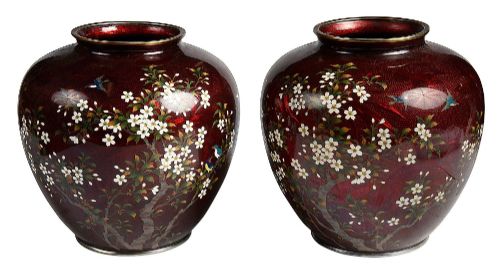
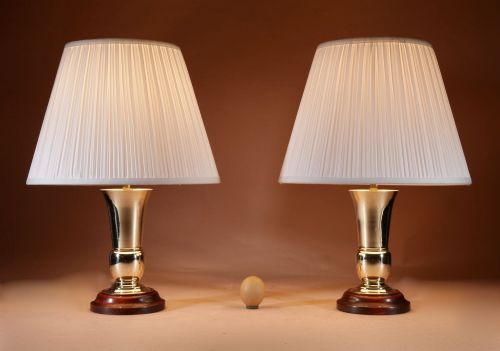
An antique brass urn takes many physical forms across the inventory, stretching from lidded vessels and classical vases to planters, jardinieres and large decorative bowls. Buyers searching for an antique brass urn encounter metalwork originating from various global traditions, including Victorian Britain, Qing Dynasty China, Anglo-Indian workshops and Grand Tour souvenirs.
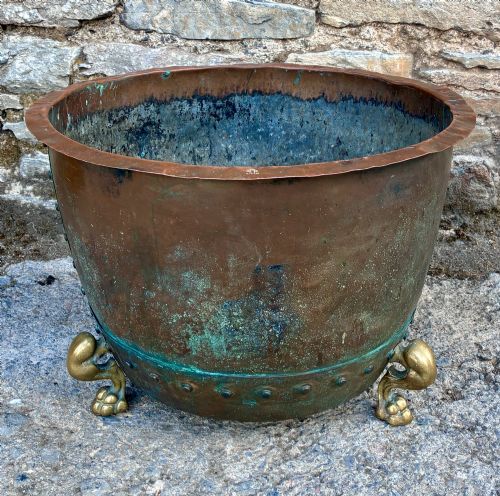
The most common examples date from the nineteenth century, particularly the Victorian era, alongside pieces spanning from the seventeen-hundreds up to the nineteen-twenties. These vessels served both decorative and utilitarian purposes historically, functioning as display centerpieces, tea urns, samovars, incense burners and jardiniere planters.
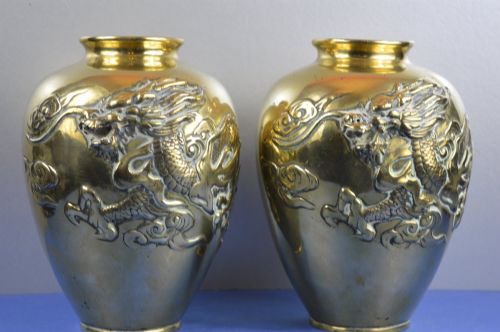
Makers utilised copper alloys alongside solid brass and bronze, sometimes incorporating turned wooden handles or gilding. The stylistic influences range widely, taking in neoclassical revival shapes, Gothic elements, dragon motifs and deeply hand-carved oriental designs.
Materials and construction methods
The metalwork relies predominantly on cast and sheet brass, frequently paired with bronze, copper elements and turned wooden components like ash, fruitwood, walnut, ebony or treen. Artisans shaped these heavy materials using traditional foundry techniques, hand-raising, and lathe-turning.
Decoration required intensive manual labour, evidenced by deep hand-carving, chasing, engraving and reticulated openwork. Surfaces often feature applied details, dragon motifs or complex ritual iconography depending on whether the vessel emerged from an English workshop or an Asian foundry.
Retail Price Guide 2026
Typical UK retail prices for brass urn, calculated from the Sellingantiques database of over a million retail prices indexed since 2003. This retail price guide relies exclusively on Sellingantiques data; no external sources or auction records are used, so the figures do not describe the wider market.
Materials recorded across the archive include solid brass, bronze, copper, gilded surfaces, and turned wooden handles fashioned from ash, walnut, and fruitwood.
Assessing quality in metalwork
Quality rests upon the crispness of the casting and the depth of the hand-chased or engraved decoration. Finer pieces show sharp, deliberate tool marks and balanced proportions rather than soft, mass-produced edges.
The choice of secondary materials marks another distinction, where integrated turned wooden handles, gilded surfaces or heavier bronze gauges elevate the standard of the piece well above standard utility metalware.
Samuel Turner Senior
The Antique Brass Urn Glossary
- Chasing
- The technique of hammering metal from the front to push details into relief and create surface patterns. This method defines the crispness of ornamentation on many nineteenth-century vessels.
- Jardiniere
- A large ornamental pot or stand designed to hold growing plants or flowers. These vessels often match the grand scale of heavy bronze and brass urns.
- Kantharos
- An ancient Greek cup style featuring two high-handled grips and a deep bowl. Nineteenth-century Grand Tour items frequently revived this classical shape in solid brass.
- Samovar
- A heated metal container traditionally used to boil water for tea. Examples often combine copper and brass construction with decorative taps.
- Reticulated
- Describes metalwork patterned with openwork or net-like piercing. This intricate decorative method appears on high-status nineteenth-century desk accessories and decorative vessels.
Frequently Asked Questions
What is an antique brass urn used for?
Historically, these heavy metal vessels functioned as tea urns, samovars, incense burners, or decorative planters for the home.
Today, collectors use them primarily as striking decorative display pieces or large floral containers within traditional and eclectic interiors.
How do I date an antique brass urn?
Dating relies on examining the manufacturing techniques, surface patination, material weight, and stylistic markers such as neoclassical revival motifs or Victorian Gothic details.
Comparing construction methods against documented eighteenth and nineteenth-century metalware helps establish the probable period of origin.
Are these urns made of solid brass?
The inventory records pieces fashioned from solid brass, heavy bronze, and mixed copper alloys, occasionally incorporating wooden elements like turned fruitwood or walnut handles.
Heavier gauges and cast components generally indicate superior construction quality compared to thin sheet metal alternatives.
How do I clean an antique brass urn?
Maintenance typically involves dusting with a soft, dry cloth to protect the historic surface patination and aged metal finish.
Agressive polishing is generally discouraged by collectors who prefer to preserve the original dark patination accumulated over centuries.