


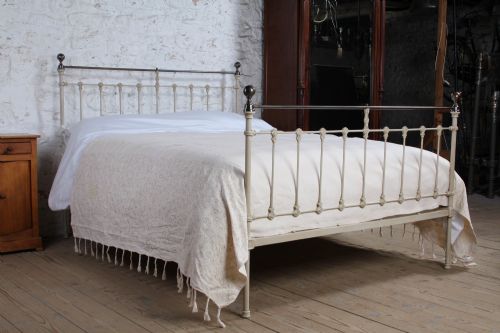

Antique Brass King Frame
An antique brass king frame brings commanding presence and robust metalwork to a bedroom, combining period scale with enduring metal construction.
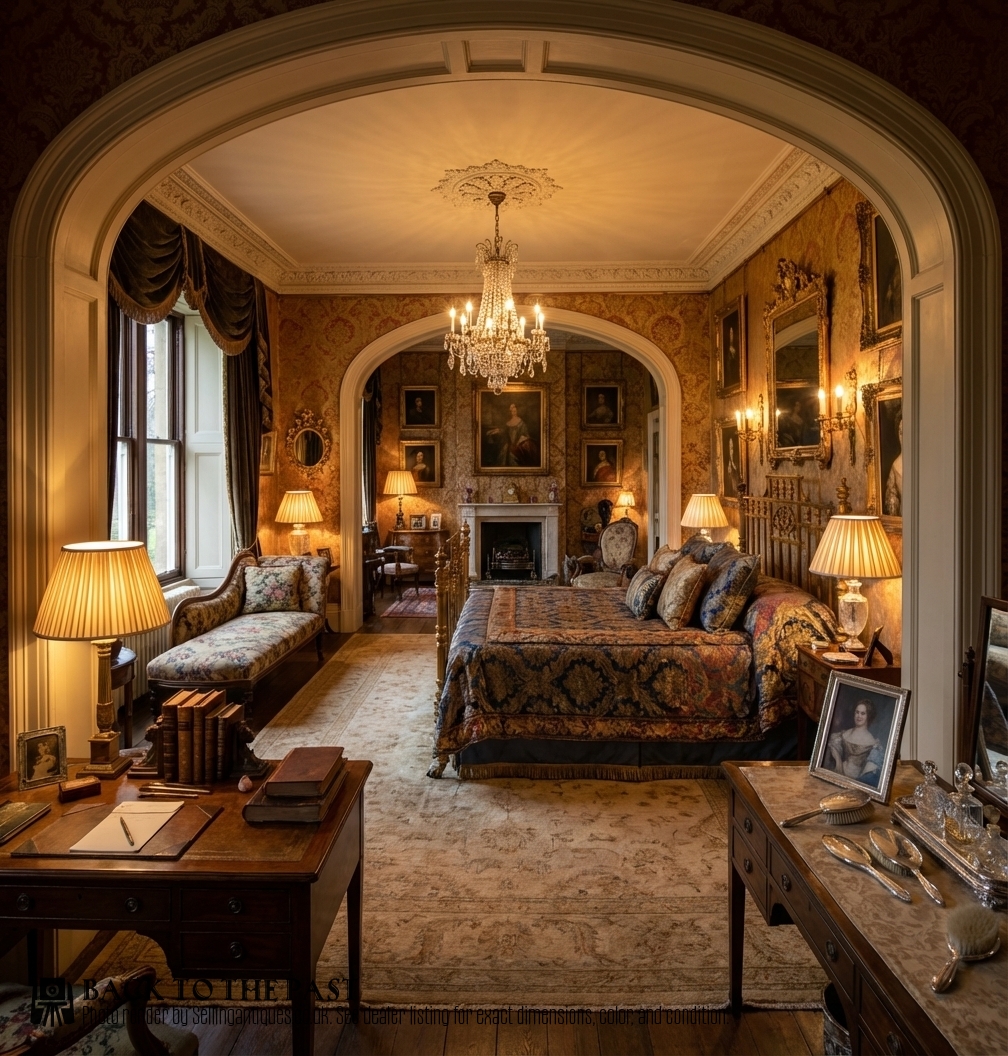
Antique Brass King Frame
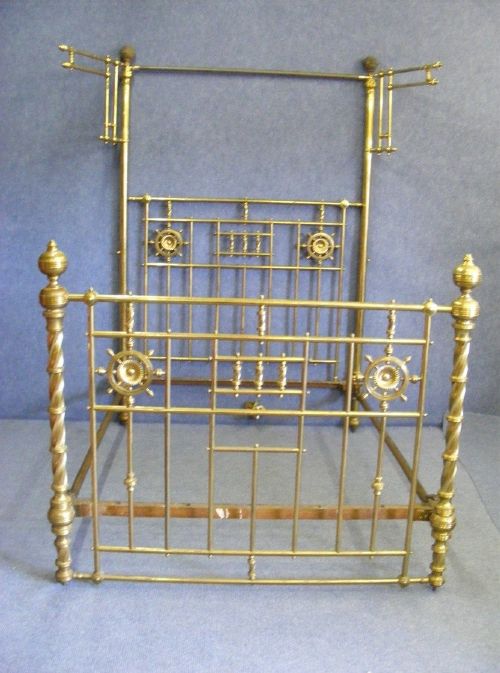
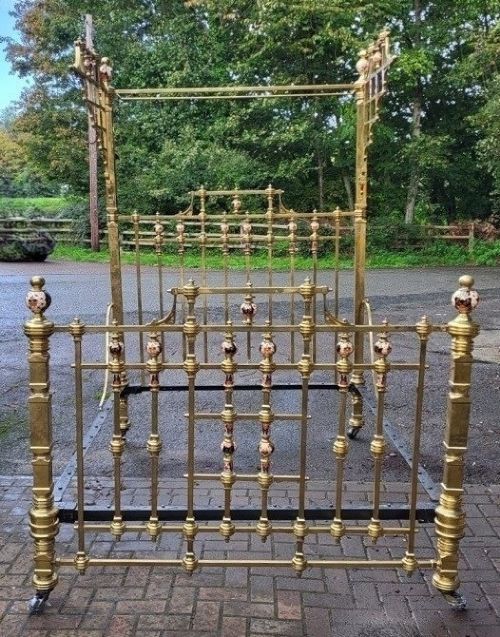
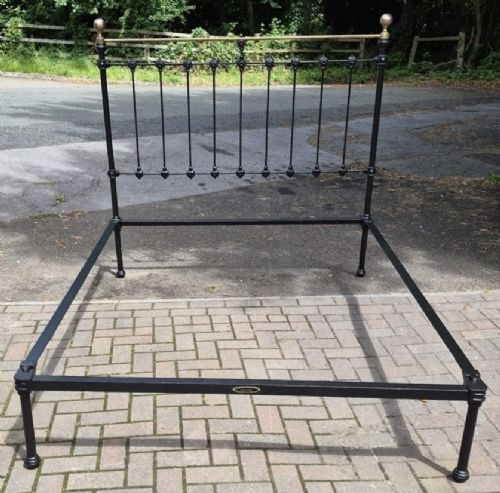
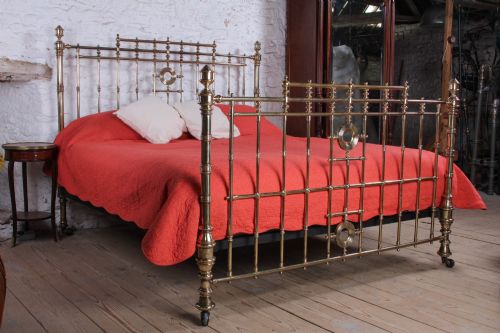
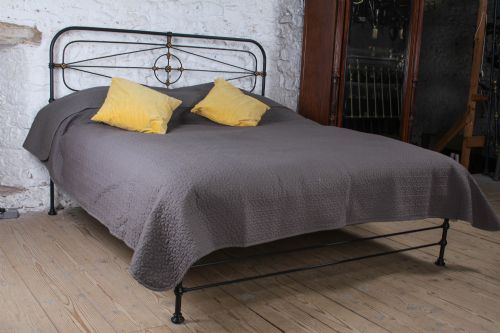
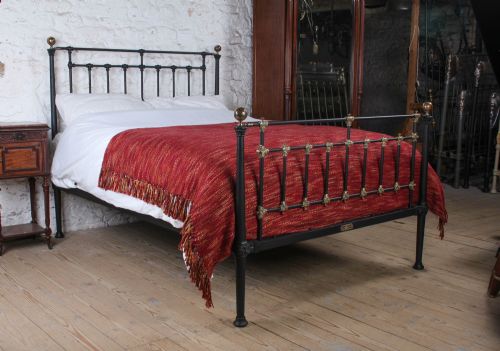
An antique brass king frame is primarily found as a substantial bedstead or bed frame originating from the Victorian, Edwardian, and nineteenth-century periods. These large beds appear in numerous configurations, including half tester designs, low end styles, and no end formats.
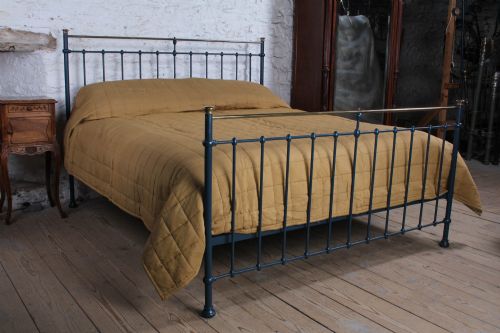
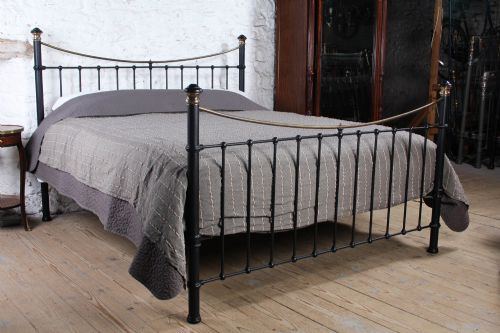
Makers and workshops constructed these frames in various stylistic traditions, ranging from Gothic Revival and Aesthetic Movement to Arts and Crafts and French Neoclassical. Buyers frequently encounter combinations of brass components alongside painted or black iron frames.
The scale of these pieces accommodates modern king and super king mattresses while retaining nineteenth-century proportions and heavy metal castings. Such frames serve as the visual anchor of a bedroom through their imposing size and metallic finish.
Materials and Construction
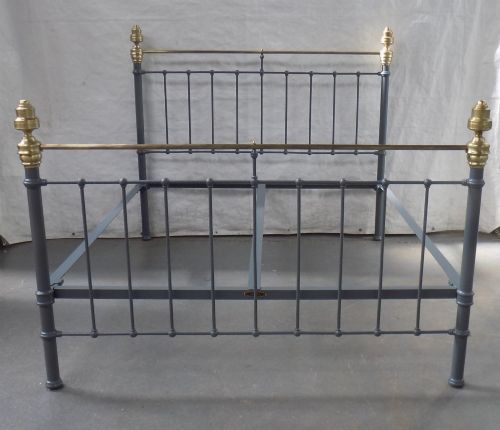
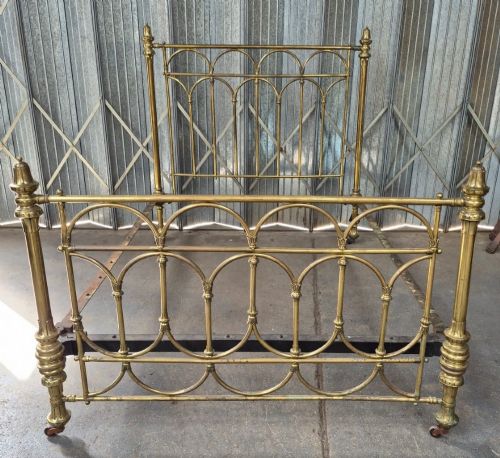
Makers utilised heavy brass tubing alongside structural cast iron and wrought iron to build these durable bedsteads. Brass components often feature detailed castings, finials, and spindles screwed or fitted securely to iron frames.
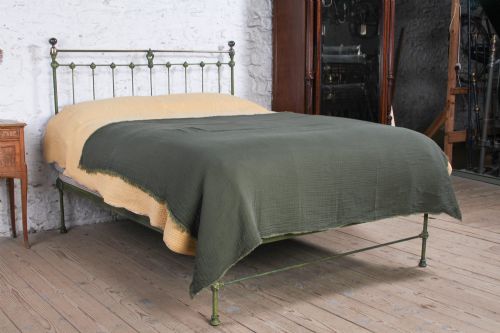
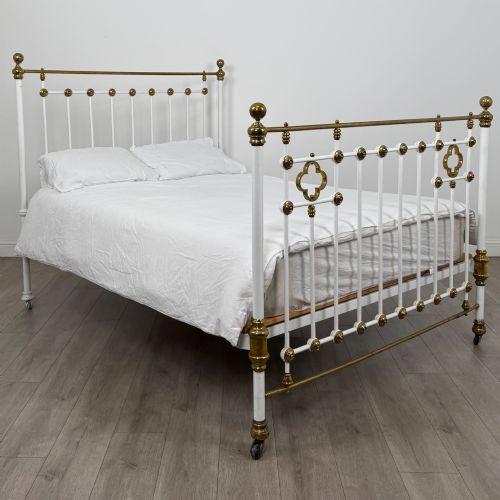
Surface treatments include polished brass, applied paint in cream and ivory, and dark finishes on iron elements. Certain models incorporate mahogany or maple elements alongside the primary metal structure.
Listings feature brass combined with cast iron, painted metal, and ceramic components across Victorian and Edwardian periods.
Craftsmanship and Detail
Quality separates standard production frames from exhibition pieces through the crispness of the brass castings and the complexity of the spindle work. Superior examples display intricate detailing on joints and finials rather than simple plain tubing.
Maker attribution and original components heavily influence the distinction between standard utilitarian frames and high-end commissions. Well-preserved original finishes and signed structural components elevate the standing of a bedstead.
Winfield·Maple and Co·James Shoolbread and Co
The Antique Brass King Frame Glossary
- Bedstead
- A framework of a bed supporting the mattress and springs. These metal structures rely on side rails bolted to headboards and footboards.
- Half Tester
- A canopy projecting from the wall or headboard over the upper portion of a bed. This style creates a pronounced architectural overhead element.
- Dip Rail
- A headboard or footboard top rail curving downward toward the centre. This profile lightens the visual weight of large iron and brass frames.
- Finial
- A decorative ornament fixed to the top of a bed post. These brass elements cap the vertical members of the frame.
- Spindle
- A turned or cylindrical rod of metal forming part of the headboard or footboard grille. Spindles provide rhythmic visual detail between the main posts.
Antique Brass King Frame: Frequently Asked Questions
Do antique brass king frames fit modern mattresses?
Many nineteenth-century frames measure to standard king or super king dimensions, though historical sizing conventions vary slightly. Modern bed bases or custom slats often integrate into the antique side rails to support contemporary mattresses.
Buyers should verify internal measurements between the side rails before purchasing. Adjustments to modern slat systems allow these large metal frames to function securely in daily use.
How do I care for antique brass?
Regular dusting with a soft cloth preserves the surface without removing the aged patina that accumulates over decades. Harsh commercial metal cleaners strip protective oxidation and damage historical finishes.
Gentle maintenance keeps the metal stable and prevents corrosion in modern bedrooms. Preserving the natural surface texture maintains the authentic character of the period frame.
How do I distinguish Victorian from Edwardian frames?
Victorian frames often display heavier castings, Gothic Revival motifs, or elaborate Aesthetic Movement ornamentation. Edwardian pieces generally favour simpler lines, lighter dip rails, and restrained decorative elements.
Examining the complexity of the brass castings and the overall silhouette clarifies the period of manufacture. Earlier nineteenth-century examples tend toward monumental proportions and dense ornamentation.
Can these beds be disassembled for transport?
Most antique metal bedsteads separate into headboards, footboards, and side rails using standard iron bed bolts. This modular construction allowed nineteenth-century households to move large furniture pieces between rooms.
Careful handling of the threaded joints ensures the metal components remain undamaged during relocation. Professional assembly guarantees the frame stands square and secure.